

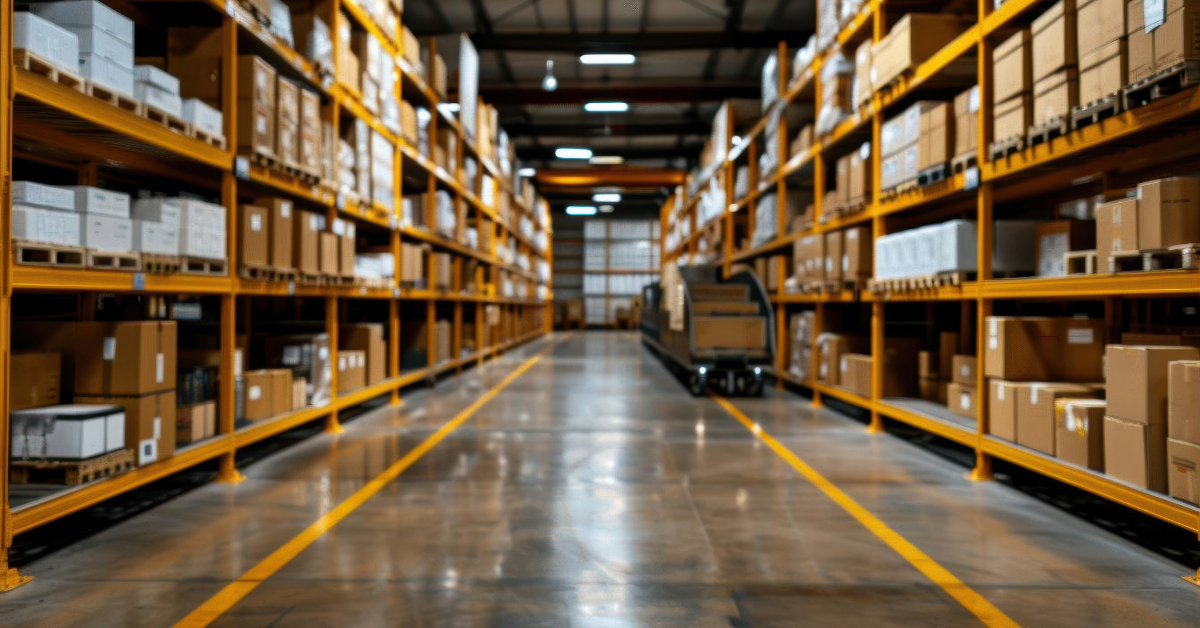
As your ecommerce business grows, so do the demands on your inventory, fulfillment speed, and overall operations.
What might have worked in your garage or spare room begins to strain under the pressure of higher order volumes, expanding SKUs, and customer expectations for next-day delivery. That is where intelligent warehouse layout design becomes essential, and artificial intelligence is making it easier, faster, and smarter than ever.Whether you’re running a compact storage unit or scaling into a full-blown warehouse, optimizing your space is a critical factor in achieving operational efficiency. Tools like Planner 5D’s AI House Design now make it possible for anyone to design a functional, flexible, and scalable warehouse layout, even without an architectural background.
Warehousing is often viewed as a backend detail, something that happens behind the scenes. In reality, your layout directly affects your customer experience, shipping costs, and your ability to scale.
A poorly organized space leads to:
A smartly designed warehouse layout helps you:
And you do not need a logistics consultant or expensive CAD software to get started. AI-powered platforms let you plan a layout tailored to your business needs with no design background required.
Traditionally, designing a warehouse or storage area involved spreadsheets, sketches, and time-consuming trial and error. Today, AI-powered platforms allow you to generate detailed layouts with intuitive, drag-and-drop functionality. What sets these tools apart is how they adapt to your inputs and preferences.
With an AI design tool, you can:
This saves hours of guesswork and gives you a visual roadmap for how your warehouse will function in real time, from receiving to shipping.
No matter the size of your space, your warehouse should include these essential zones:
Your warehouse is not just a storage unit. It is a living part of your business. As your brand grows, your layout must evolve. Design with scalability in mind:
AI tools make it easy to revise your layout as your needs change, without starting from scratch.
Many successful ecommerce brands began in small spaces like basements or garages. What set them apart was how they scaled operations without losing control.
For example, a skincare brand that shipped 20 orders per week used a digital layout tool to map out a new 500-square-foot micro-warehouse. By defining zones for fulfillment, storage, and returns, and visualizing the space before leasing, they reduced pick-and-pack time by 40 percent and cut order errors in half.
These upgrades did not require massive investment. They simply required good planning and the right tools.
To begin optimizing your warehouse layout:
An optimized warehouse layout is more than a storage solution. It is a strategic asset. It improves the speed and accuracy of your operations, lowers your costs, and creates room for your brand to grow.
AI-powered design platforms now make professional-grade layouts accessible to every ecommerce entrepreneur. With the right layout and a bit of planning, your warehouse can grow as quickly as your business.
What is an intelligent warehouse layout?
An intelligent warehouse layout is a design that uses strategic planning to arrange your space for maximum efficiency. It considers how products move, where staff works, and how to get orders out the door quickly and accurately. This approach helps your operations run smoothly and adapt to future growth.
What is the first practical step I should take when redesigning my small warehouse space?
Begin by mapping your current product flow, from when inventory arrives to when an order ships. Identify the biggest bottlenecks or areas where staff wastes motion. This simple observation will give you the clearest picture of what problems your new layout needs to solve first.
Is AI warehouse design only for large, automated warehouses?
This is a common myth; AI design tools are valuable for businesses of any size, including those in a garage or small storage unit. These platforms help you make the most of limited square footage and plan for growth without needing a huge budget. They are built to be accessible to entrepreneurs without a logistics background.
How does an optimized layout specifically reduce labor costs?
A smart layout minimizes the distance your team has to walk to pick, pack, and ship orders. By placing popular items closer to packing stations and creating a clear path, you reduce wasted time and motion. This allows each employee to fulfill more orders in the same amount of time, directly lowering your cost per order.
Beyond speed, what is an overlooked benefit of a well-organized picking zone?
An often overlooked benefit is the significant reduction in employee training time. A logical, clearly marked picking zone is intuitive for new staff to learn, leading to fewer errors and faster onboarding. It also improves worker satisfaction by making their tasks less frustrating.
How should a business handle storing seasonal inventory in its layout plan?
Your layout should include a designated area for slower-moving or seasonal goods, typically in less accessible spots like higher shelves or the back of the warehouse. Using modular shelving allows you to easily expand or shrink this section as demand changes. This keeps your primary picking paths clear for high-velocity items.
What should I consider when designing the returns processing area in my warehouse?
When designing a returns area, allocate enough space to inspect, sort, and restock items without disrupting your outbound order flow. Keep it separate from your main packing station to prevent mix-ups between new orders and returned goods. A well-planned returns zone helps you recover value from returned products quickly.
How can I design a warehouse layout today that will still work when my business doubles in size?
To plan for growth, use a modular design approach with movable shelving and workstations. Keep your primary workflow path—from receiving to shipping—as a straight line. Leave open, flexible space that can later be converted into more storage or packing areas without a complete overhaul.
Do AI design tools account for physical obstacles like support columns or uneven walls?
Yes, most modern design platforms allow you to input the exact dimensions of your space, including permanent obstacles. You can add columns, doors, windows, and angled walls to the digital plan. The tool then generates layouts that work around these fixtures, ensuring your design is practical.
What kind of return on investment can I expect from spending time on warehouse layout optimization?
Optimizing your layout directly improves your bottom line by increasing order fulfillment speed and accuracy, which enhances customer satisfaction. It also cuts down on labor costs per order and reduces expensive mistakes like shipping the wrong item. These combined savings and efficiencies offer a strong and measurable return on your time investment.





