


Verified & Reviewed
Published on November 13, 2024 Written By Meredith Flora

Published on November 13, 2024 Written By Meredith Flora

In today’s world, privacy and security are top concerns for many. In fact, 9 out of 10 Americans consider their online privacy to be an important issue. But what about real-world privacy?
Consumers don’t want to broadcast their personal purchases for their neighbors to see. Whether it’s sensitive items like health products, personal care items, or other private purchases, the need for discretion extends beyond the digital world and into the physical act of ecommerce shipping.
That’s where discreet product packaging comes into play. Discreet packaging ensures that a customer’s personal purchases are kept confidential from the moment they leave a warehouse until they arrive at their doorstep.
In this article, we’ll cover the ins and outs of discreet packaging and shipping, why it matters, examples of how it’s done, and how ShipBob can help.
Discreet packaging refers to using plain packaging materials to ship products without revealing any information about the sender or the contents inside. This approach is particularly important for companies selling high-value products or items that customers may not want to publicly display. By using custom packaging that lacks branding or identifying markers, businesses help protect their customer’s privacy and ensure the confidentiality of the shipment.
Discreet packaging serves two primary purposes:
There are many types of packaging options that businesses can use, depending on the size, weight, and fragility of the product. The choice of packaging often depends on the types of products being shipped, such as small electronics, personal care items, or luxury goods. Here are a few examples:
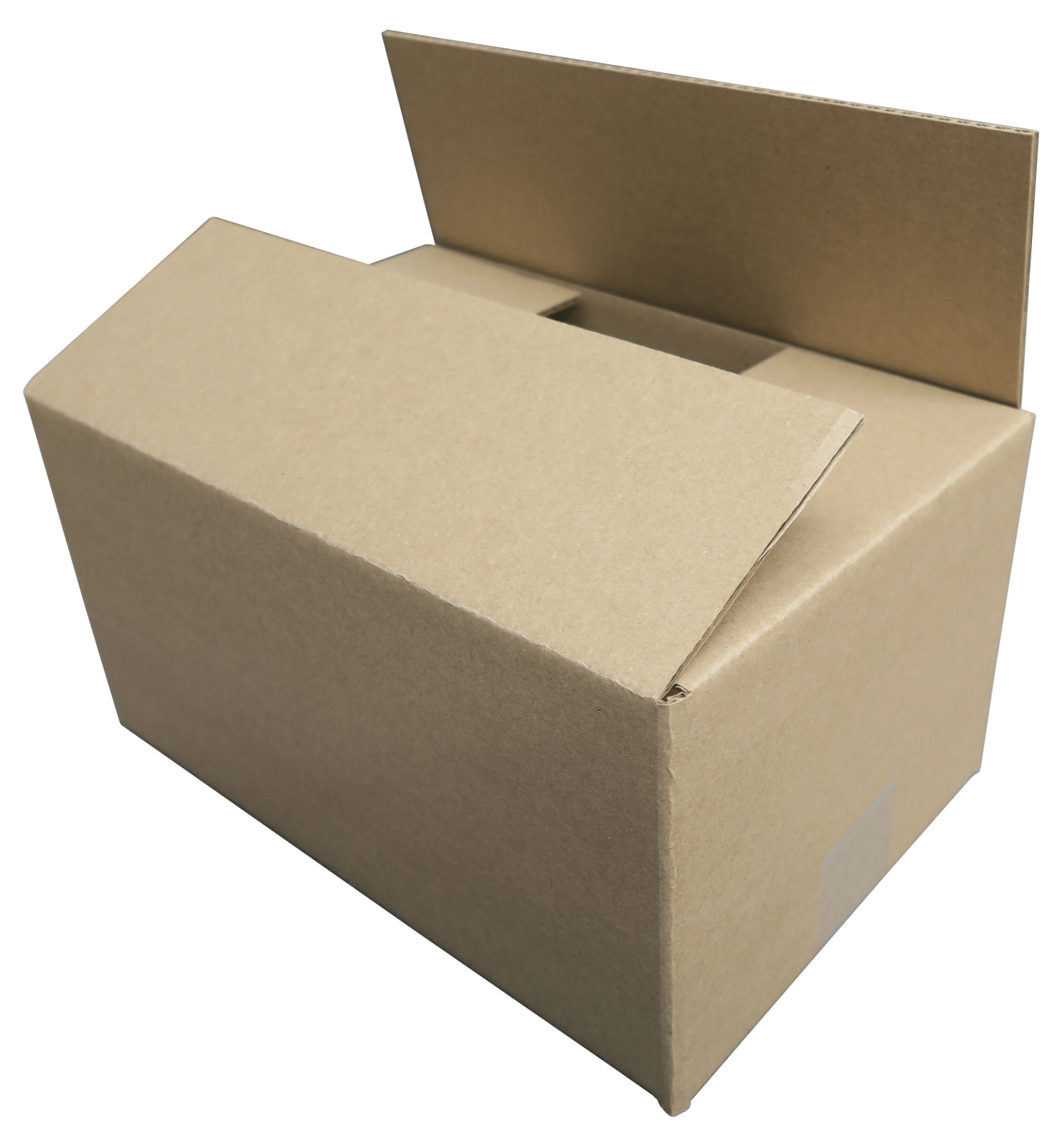
One of the most commonly used forms of discreet packaging is the plain packaging design of a simple cardboard box—free of any logos, colors, or identifying features. These boxes are typically brown or white and offer excellent protection for a wide variety of products.
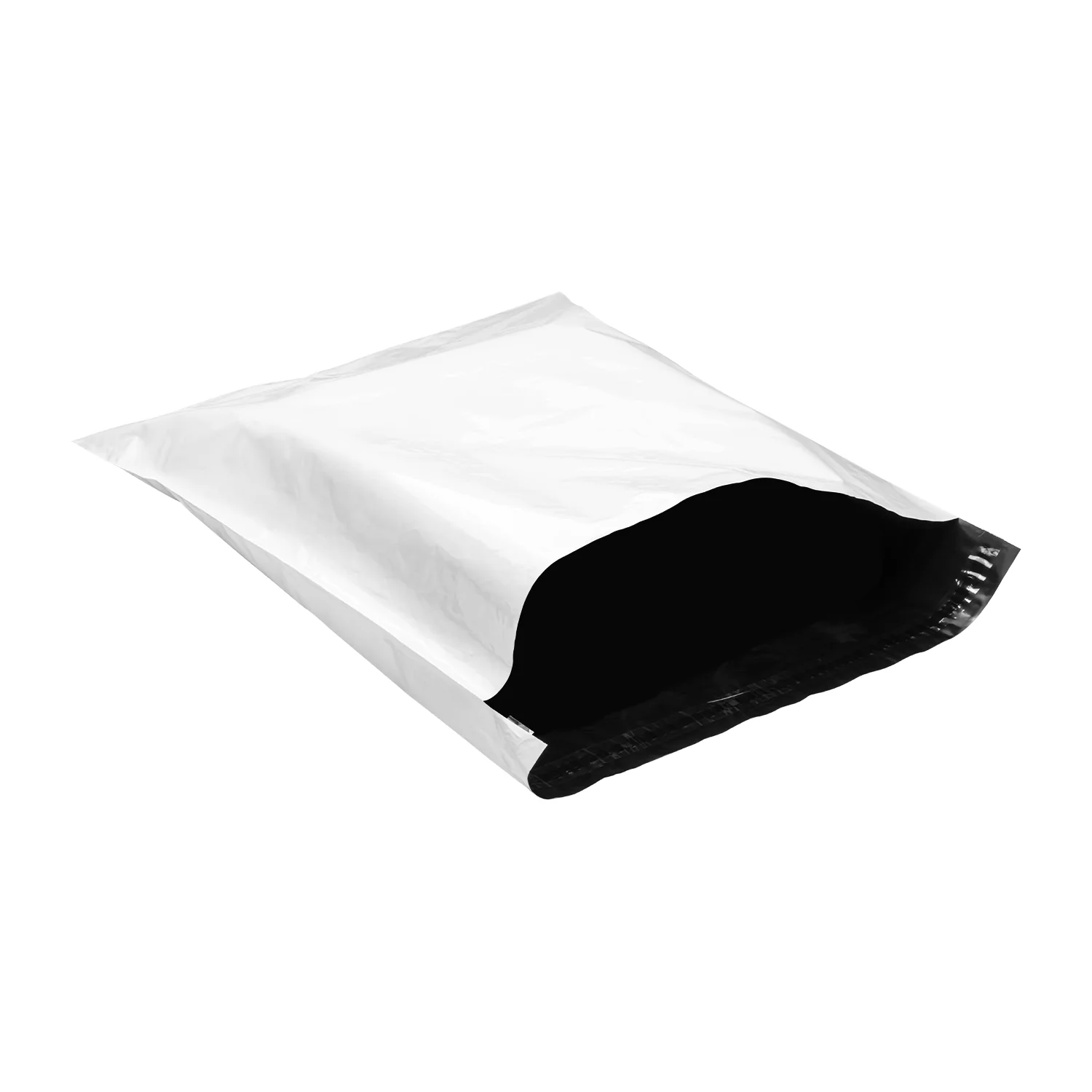
Poly mailers are flexible, lightweight, and provide a high level of privacy since they are typically unmarked. They often have tamper-evident seals to ensure that the package hasn’t been opened during transit. These are frequently used for clothing or soft goods and offer a cost-effective option for businesses looking to maintain a low shipping profile.
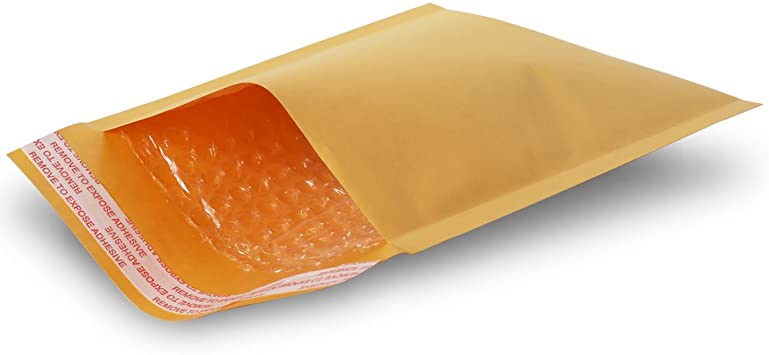
For businesses shipping smaller items like electronics, jewelry, or cosmetics, padded envelopes can provide both protection and privacy. These envelopes are often lined with bubble wrap or foam filler to ensure the items inside are well-protected, while the unmarked exterior keeps the contents discreet.
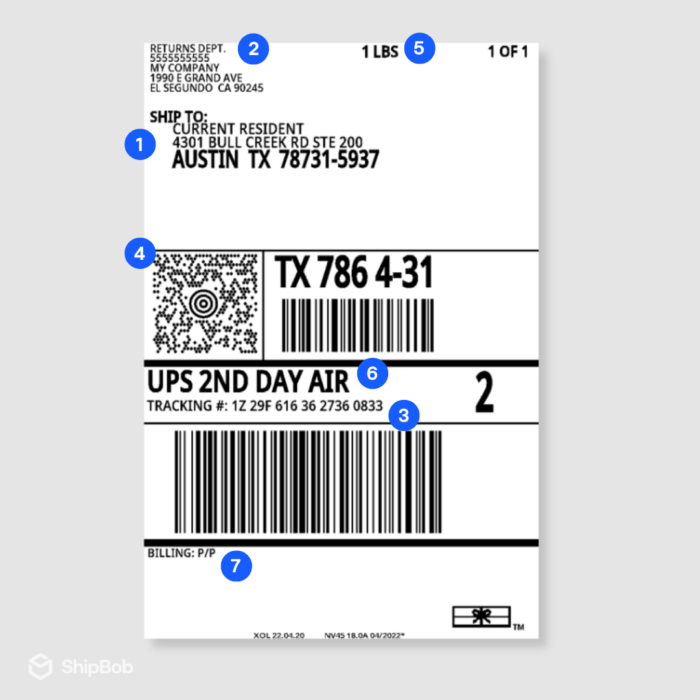
In addition to unmarked packaging, another important element of discreet shipping is using a neutral return address or sender information on the shipping label. Instead of using the company’s name, the return address might list a generic business name or fulfillment center address, avoiding unwanted attention.
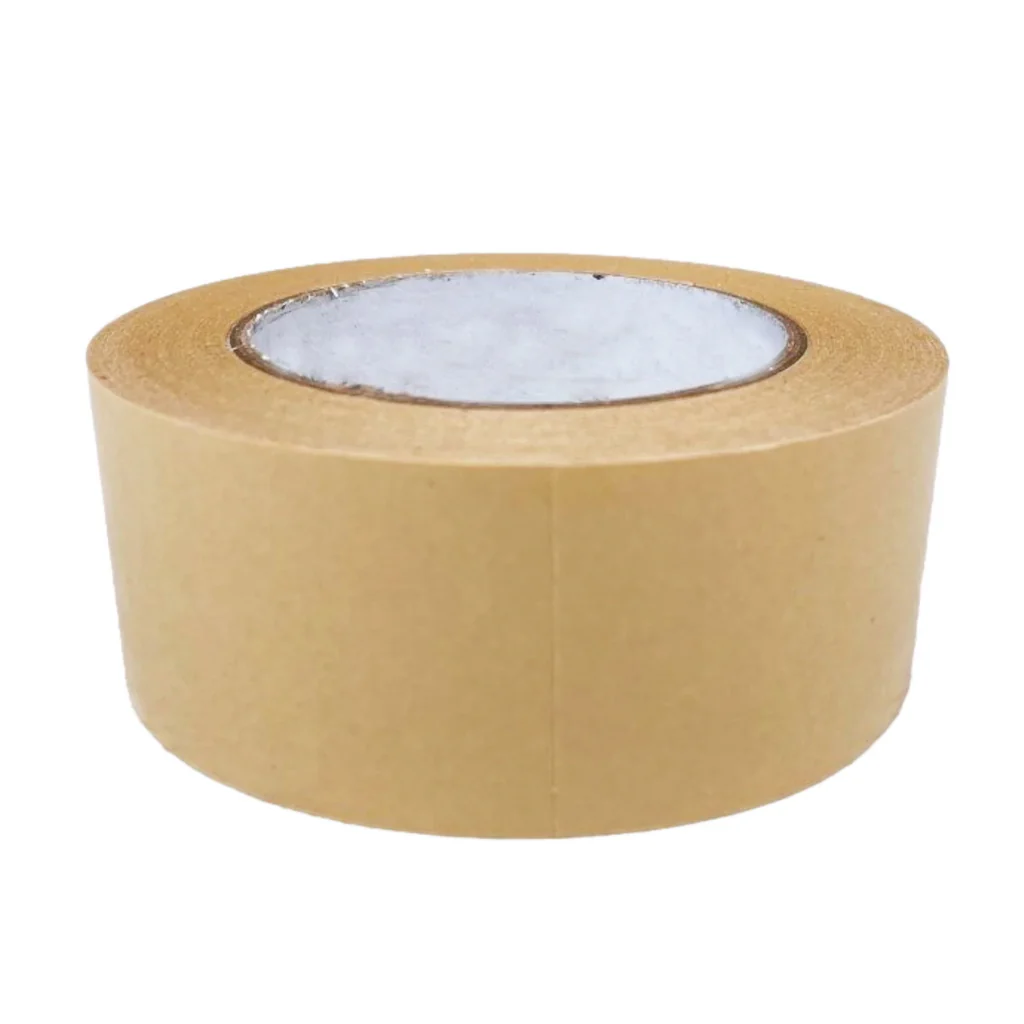
Even small details like the tape used to seal a package can play a role in discretion. Many companies opt for plain, unbranded tape to further ensure the package doesn’t draw attention.
Discreet shipping encompasses more than just the packaging materials used—it also involves how orders are processed, labeled, and handled throughout the ecommerce fulfillment journey.
To ensure a truly discreet shipping and handling process, companies must focus on several key aspects:
Discreet packaging and shipping are vital for businesses dealing with sensitive or personal items, as they play a key role in building trust. Offering generic packaging shows customers that your ecommerce business values their privacy, helping to foster loyalty and repeat business.
Consumers today are more privacy-conscious than ever. In an era where data breaches, surveillance, and privacy violations are top-of-mind, the physical security of purchases is an extension of a customer’s personal privacy. Some customers may be hesitant to make purchases if they believe the packaging will reveal too much about what’s inside.
For instance, individuals may share a living space with roommates, family members, or partners, and they might not want others to know about the products they are purchasing. This is particularly true for items related to health, wellness, or personal care. Discreet packaging addresses these privacy concerns, ensuring that the customer’s order remains confidential.
Certain industries rely heavily on discreet packaging to meet the needs of their customers. Here are some examples of businesses that benefit from discreet shipping:
ShipBob offers a range of shipping services designed to cater to businesses that prioritize confidentiality. With options for both domestic and international shipping, ShipBob ensures that packages are discreetly handled no matter where they’re going, maintaining customer privacy throughout the entire order fulfillment process.

ShipBob offers a customization suite that allows businesses to personalize their packaging while still maintaining discretion. This includes unbranded boxes and packaging inserts, so the exterior of the package remains neutral while the unboxing experience can be customized to meet brand standards. Businesses can use this suite to provide subtle branding on the inside of the package, without compromising the discreet nature of the shipment.

ShipBob’s Inventory Placement Program (IPP) helps businesses optimize the distribution of their products across multiple fulfillment centers, minimizing the distance packages need to travel. This reduces shipping zones crossed and ensures quicker deliveries with fewer shipping labels and stops along the way, ensuring packages spend less time in transit.
ShipBob’s warehouse management system (WMS) enables efficient order processing and inventory control. This system ensures that orders are handled accurately and that specific instructions related to discreet shipping are followed. By minimizing errors, ShipBob ensures that packages are discreet from start to finish.

ShipBob’s global fulfillment network and fast 2-day express shipping help businesses reduce the time packages spend in transit. Quicker shipping times not only enhance the customer experience but also help ensure that packages are delivered discreetly and efficiently.
Here are answers to commonly asked questions about discreet shipping.

Yes, discreet packaging is legal as long as it complies with postal and shipping regulations. Businesses must ensure that the packaging still meets shipping requirements (such as proper labeling) while keeping the contents private and unmarked.
To get discreet packaging for your business, you can work with a third-party logistics (3PL) provider like ShipBob that offers customizable packaging options. You can also source plain boxes, poly mailers, or other unbranded materials directly from packaging suppliers and request neutral labeling for shipments.
Discreet packaging is important for protecting customer privacy, especially for businesses selling sensitive or personal products. It helps build trust, reduces the risk of theft, and ensures compliance with privacy regulations in certain industries like healthcare and wellness.
Examples of discreet packaging include plain cardboard boxes, unmarked poly mailers, padded envelopes, and plain tape. These materials are typically free of branding or logos, keeping the contents of the package private.





