


Dotdigital blog
If you’re just getting started with email marketing, this guide walks you through how to create, personalize, and send emails that land with the right people and get results.

Getting started with email marketing can feel overwhelming, but you’re in the right place. Email is one of the most reliable ways to connect with your audience and start building relationships that matter.
This guide breaks email marketing down into clear, practical steps for beginners.
We’ll cover:
By the end, you’ll have the confidence to create your first emails and start building meaningful connections with your subscribers.
Let’s get started!
Email marketing uses email as a tool to send messages to your audience. It’s a way to connect with people who are interested in your brand, share updates or offers, and build a relationship over time.
Email lets you reach your audience directly in their inbox. Because it’s consent-based, people choose to opt in, so you’re talking to an audience that already wants to hear from you, making it one of the most effective ways to communicate and drive action.
Email marketing is one of the most reliable ways to reach your audience and grow your business. Because your messages go directly to people who are interested in your brand, it gives you control that other marketing platforms can’t always offer.
Here are some of the main benefits:
There are a few types of email marketing that beginners should know about. Each serves a slightly different purpose, but all help you connect with your audience and deliver value:
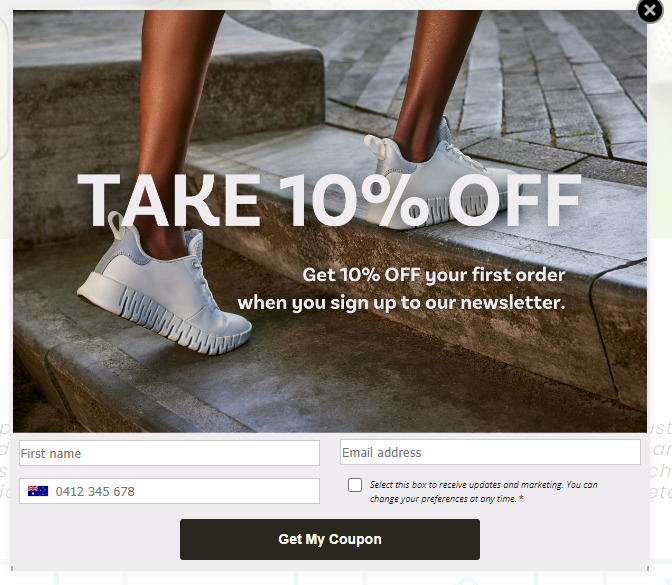
Understanding these types can give you a clear framework for planning your first campaign. Don’t worry about doing everything at once. You can focus on what feels manageable first.
Getting started with email marketing doesn’t need to be complicated. Focus on a few key steps first. Once the basics are in place, you can build on them over time.
Before set up your first email campaign, take a moment to think about who you’re trying to reach. Email marketing works best when your message feels relevant to the people receiving it.
Start by identifying the main groups of people you want to communicate with. For many businesses, this might include new subscribers, existing customers, or people who have shown interest in a specific product or service.
If you’re not sure where to begin, ask a few simple questions:
Answering these questions helps shape the tone, content, and purpose of your emails.
It’s also helpful to look at the data you already have. Website sign-up forms, purchase history, and previous engagement can give you clues about what your audience cares about. Even basic information like location, interests, or past purchases can help you tailor your emails.
Once you know who you want to reach, the next step is choosing a platform to send your emails. While it’s possible to send messages from a regular inbox, email marketing platforms are designed to handle campaigns at scale and provide the tools you need to manage them properly.
A good platform helps you do a few key things in one place:
For beginners, the most important thing is finding a platform that feels easy to use. Look for features like:
Many platforms also include tools powered by AI that can help with tasks like writing subject lines, generating email copy, or suggesting improvements based on past performance.
Your emails are only effective if you have people who actually want to receive them. Building your email list is all about attracting subscribers who are genuinely interested in your brand.
Start with simple, permission-based methods:
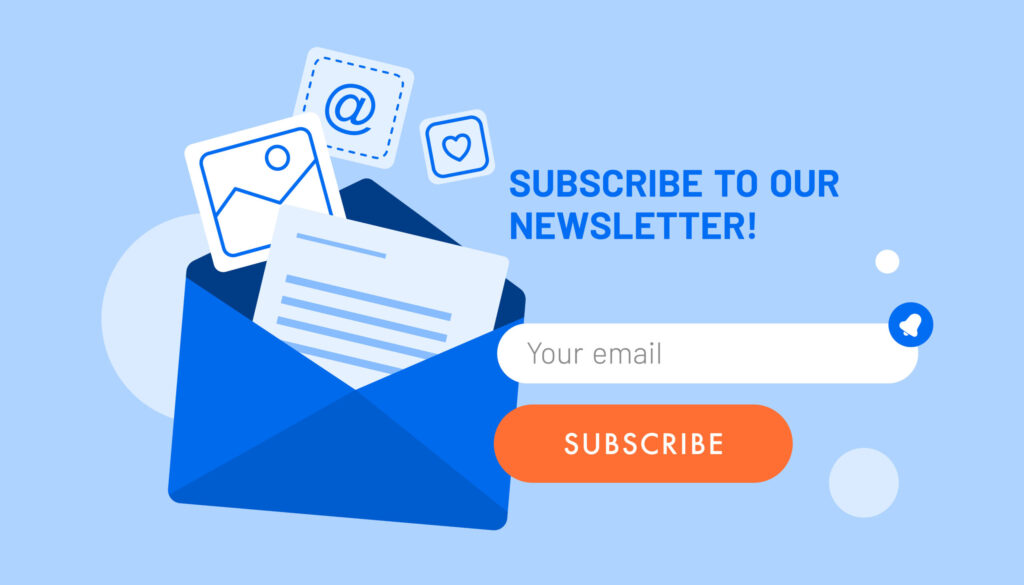
At this stage, focus on quality over quantity. A smaller list of engaged subscribers is far more valuable than a large list of people who aren’t interested.
Once you have a list of subscribers, the next step is to organize them into groups based on shared characteristics so you can target your emails more effectively. This is called segmentation, and it makes your emails more relevant and personal.
Start with simple segments, such as:
Segmentation lets you send the right message to the right people instead of one generic email to everyone. Even basic segmentation can improve open rates, clicks, and overall engagement.
By sending emails that feel personal and targeted, you start building stronger relationships with your audience from day one.
Before you start writing, it helps to have a plan, or a calendar, for what you want to send and when. Planning helps keep your emails consistent and helps you to target messages to the right groups.
Start with a basic approach:
Having a basic plan makes the next steps, like writing, testing, and sending emails, much easier and less overwhelming.
Now it’s time to create your first email. The key is to keep it simple, clear, and focused on one main message.
Subject line: Make it short, clear, and engaging. This is what makes people decide to open your email. Pair it with a friendly “from” name so it’s clear who the message is from, and use preview text to expand on the subject line. Think of it as a second chance to give context and encourage the open.
Introduction: Greet your reader and explain why they’re receiving the email. Keep it friendly and concise.
Main message: Share the most important information or offer. Stick to one idea per email to avoid confusion.
Call to action(CTA): Tell readers what you want them to do next, whether it’s visiting a page, downloading a guide, or making a purchase.
Remember, your first email doesn’t need to be perfect. The goal is to get something valuable in front of your audience and learn from the results.
Before you hit send, it’s important to test your email to make sure everything looks and works as intended. Testing helps you catch mistakes, see how your email appears on different devices, and feel confident that your message will reach your audience as planned.
Here are some things to check:
Testing doesn’t have to be complicated. Even these small checks can prevent mistakes and improve how your emails perform. Once you’re confident everything looks good, you’re ready to send.
After your email is sent, the next step is to see how it performed. Measuring results helps you understand what works, what doesn’t, and how to make your future emails better.
Key metrics to look at include:
Email marketing is an ongoing process. Each campaign teaches you something new, and even small improvements over time can make a big difference.
Now that you’ve created and sent your first emails, the next step is making sure your messages actually reach your subscribers’ inboxes. This is called deliverability, and it’s key to making sure your emails get seen rather than getting lost in spam or promotions folders.
Here are a few ways you can improve email deliverability:
Here’s 19 tips to help you stand out in inboxes
Once you’re sending emails, it’s important to follow basic rules that protect both your audience and your reputation. Compliance makes sure your emails are legal, trusted, and welcomed by subscribers.
Key points for beginners:
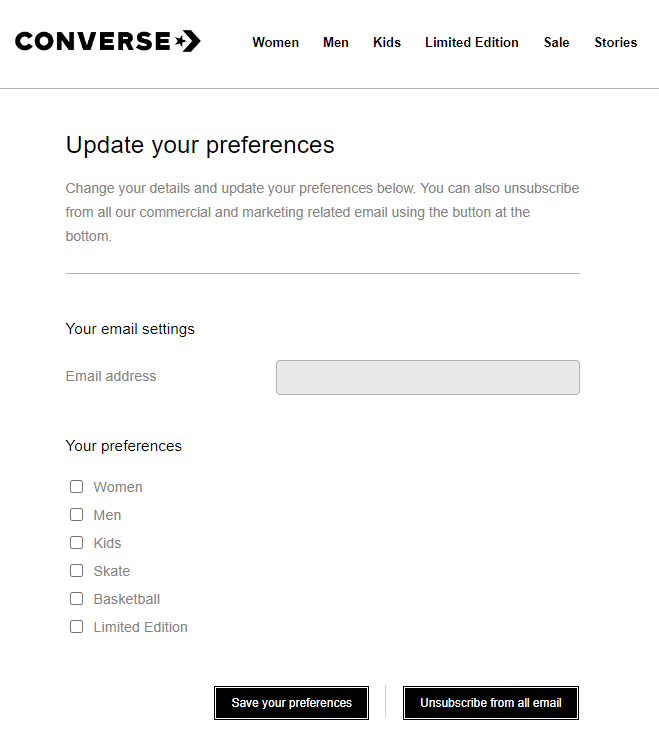
By keeping compliance in mind from the start, you not only follow the rules but you also build trust with your subscribers, which improves engagement over time.
Getting started with email marketing might feel overwhelming at first, but with the right approach, it’s completely manageable. Focus on the key steps that will set you up for success:
Then keep improving as you go:
Start simple, stay consistent, and keep your focus on delivering value. With practice and persistence, you’ll quickly gain confidence and see the impact of your efforts.
Happy emailing!





