


The housing market has been difficult for would-be buyers over the past few years. Low inventory and high interest rates have led many homeowners to focus on renovating an existing space vs. buying — 55%, according to Discover Home Loans. While that’s bad news for home buyers, it’s great news for home improvement brands.
When a shopper walks into a home improvement store, they know there’s help available. Whether they’re asking for assistance with finding items, comparing products in person, or seeking advice on the best tools for their project, they are supported every step of the way.
Online, it can be a different story. Customers often feel lost without immediate, in-person assistance or a clear path to the right products or services. For ecommerce home improvement retailers, overcoming these challenges requires mapping out buyer journeys, managing a large volume of changing SKUs, providing comprehensive customer education, and investing in the right technology.
Let’s explore the common pain points faced by home improvement brands that sell online, along with strategies for replicating the in-person experience to improve conversion and retention.
One key challenge for online home improvement retailers is catering to various shopper personas. Unlike a traditional store, where sales associates can adapt their guidance to the individual customer, online stores must anticipate these needs through their platform.
The three main home improvement shoppers are:
Catering to different customer journeys requires solutions that can dynamically adjust to the unique needs of each persona. Without tailored experiences, customers may feel that the brand doesn’t understand their specific needs.
AI-powered personalization solutions enable retailers to deliver relevant shopping experiences to meet the diverse needs of shoppers. By analyzing customer behaviors, past purchases, and preferences, retailers can curate personalized product recommendations, relevant search results, and targeted content that resonates with each customer segment.
For example, if a business sells hardwood flooring, a DIY customer would benefit from recommendations for products frequently purchased with the flooring itself. A do-it-for-me customer would want information on purchases along with scheduling in-home installation. And a professional customer would want to know about bulk purchasing options and in-store pickup. Those three different journeys all start with a simple search for hardwood flooring.
Home improvement products are diverse, with size, color, material, and finish variations. Managing such a high SKU volume can quickly become overwhelming for eCommerce businesses. Customers may struggle to find the specific item they need without proper organization, leading to frustration and lost sales.
Here are some areas home improvement brands should focus on for better SKU management:

Ohio-based chain Hartville Hardware is a one-stop shop for everything from hardware and power tools to seasonal decor and pet supplies. With an extensive range of products spanning hundreds of brands, the retailer faced challenges managing such an extensive inventory.
Hartville Hardware implemented Searchspring solutions for search and navigation, hoping it would act as the equivalent of a knowledgeable sales associate who can guide customers to the right products. They also implemented landing pages and merchandising features to support marketing campaigns. Now, 62% of their online revenue is attributed to search.
When it comes to home improvement products, customer satisfaction doesn’t just depend on the quality of the products and the shopping experiences — it comes down to what buyers actually do with their purchases. For DIY customers especially, providing them with the tools and knowledge they need to utilize their purchases effectively goes a long way toward ensuring their overall happiness with a brand.
How-to guides, demonstration videos, and expert tips can all help customers make the most of their purchases. They should be easy to find, both in a dedicated section on the retailer’s website and on related product pages. By providing the information that customers need to complete their projects correctly, retailers can inspire brand trust, build relationships, and promote retention.
Seasonality plays a significant role in the home improvement industry. Inventory requirements shift throughout the year from gardening supplies in the spring to heating solutions in winter. In-demand seasonal items can sell out quickly, which can cause frustration for customers browsing if every product page they land on says “out of stock.”
Frequent inventory shifts and stockouts can lead to negative customer experiences if the retailer doesn’t have the right solutions for managing product listings and search results. Here are some factors brands should consider to ensure that seasonal changes don’t add friction to the buyer journey:
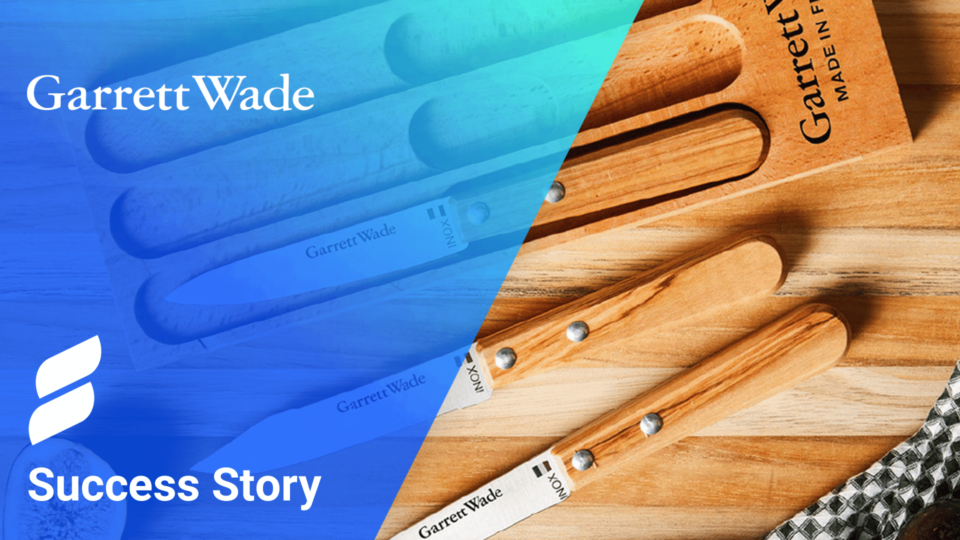
Garrett Wade, a retailer of a wide range of high-quality hand tools for woodworking, gardening, and outdoor work, needed a way to manage their constantly changing inventory.
The brand implemented Searchspring to help customers better navigate their website. By automating the manual task of moving in-stock inventory to the top of search results and category pages, Garrett Wade ensured that shoppers quickly found the items that were available for purchase at any given time. This resulted in 6.5x higher conversation rates from shoppers who used site search.
In home improvement ecommerce, businesses must go above and beyond to replicate the in-store experience online. By addressing diverse customer journeys, SKU complexity, customer education, and dynamic inventory needs, retailers can transform pain points into opportunities. Searchspring’s innovative solutions for personalization, site search, and merchandising empower businesses to meet these challenges head-on, ensuring a seamless and tailored shopping experience for every customer. By implementing these tools, home improvement retailers can create a frictionless online shopping journey, foster customer loyalty, and drive revenue growth.





