


Many people dream of getting paid to watch Netflix, and becoming a Netflix tagger turns that idea into a reality—for the right candidates.
This unique role lets you combine your love for entertainment with the convenience of working from home. While it may sound like pure fun, being successful as a Netflix tagger requires attention to detail, a solid understanding of film and TV genres, and the ability to categorize content effectively.
In this guide, you’ll discover what it actually takes to land a Netflix tagger position, from developing the skills that top companies like Lionbridge and Appen look for, to understanding the challenges and perks of the job. Whether you’re exploring flexible work options or you’re fascinated by the inner workings of the entertainment industry, this article will give you all the insights you need.
Looking for a deeper dive? Explore the details about the role here.
Being a Netflix tagger may sound like any binge-watcher’s dream, but it involves far more than just lounging on the couch watching movies and TV shows. This role requires detailed attention, an analytical mind, and a love for storytelling. Below is an in-depth look at what Netflix Taggers, also called Content Taggers, do to ensure Netflix continues offering its viewers such a seamless, personalized experience.
One of the core tasks for a Netflix tagger is metadata tagging. This involves assigning specific tags or keywords to a piece of content, allowing Netflix’s algorithms to organize and recommend titles effectively to its users. The tags can range from broad genres to niche themes. For example:
These categorizations aren’t just for show—they play a critical role in helping viewers hop directly to a movie or show that aligns with their mood, interests, and preferences.
Want to dig deeper into Netflix jobs? Explore freelance content tagging roles here.
Tagging isn’t limited to genres alone. The descriptive tagging aspect of the job involves identifying subtle yet important details about plots, characters, and even the story arcs—without revealing spoilers. For instance:
Accuracy matters immensely in this task. Misleading or incomplete tags could mean a missed opportunity to present the right show to the right viewer. A well-tagged description enriches the search and recommendation process for millions of Netflix users.
Curious if this role might suit your skills? Get more insights into what it takes here.
Every piece of content on Netflix needs to be placed in the right “shelf” of the virtual library, and this process is referred to as content categorization. A tagger ensures that all titles are shelved in their proper categories for enhanced user navigation. Imagine stumbling upon an intense psychological thriller in the “Feel-Good Movies” category—while it might get a laugh, it’s not the flawless browsing experience viewers count on.
But when done effectively, this categorization ensures that Netflix stays one step ahead in delivering exactly what viewers didn’t know they were looking for.
Besides tagging and categorization, Netflix taggers play a role in quality assurance for existing metadata. This could involve double-checking older titles, ensuring all metadata aligns with Netflix’s evolving tagging principles. It could mean fixing inconsistencies like an incorrectly labeled genre or rewriting vague tags so they resonate better with today’s audience. For instance:
In some cases, taggers might also take on additional responsibilities, such as assisting in subtitle creation or identifying inappropriate content for specific regional markets. These side tasks add variety and build new skills over time.
This critical quality control ensures Netflix maintains its reputation for offering an unparalleled, tailored entertainment experience—ensuring millions of users find what they want when they want it.
Looking for ways to earn from these specialized tasks? Head over to this guide on boosting part-time income.
By excelling in these focused yet integral areas, Netflix taggers streamline user experience while shaping how viewers access and discover top-quality shows and films. This role is a cornerstone for Netflix’s ability to serve its worldwide audience seamlessly.
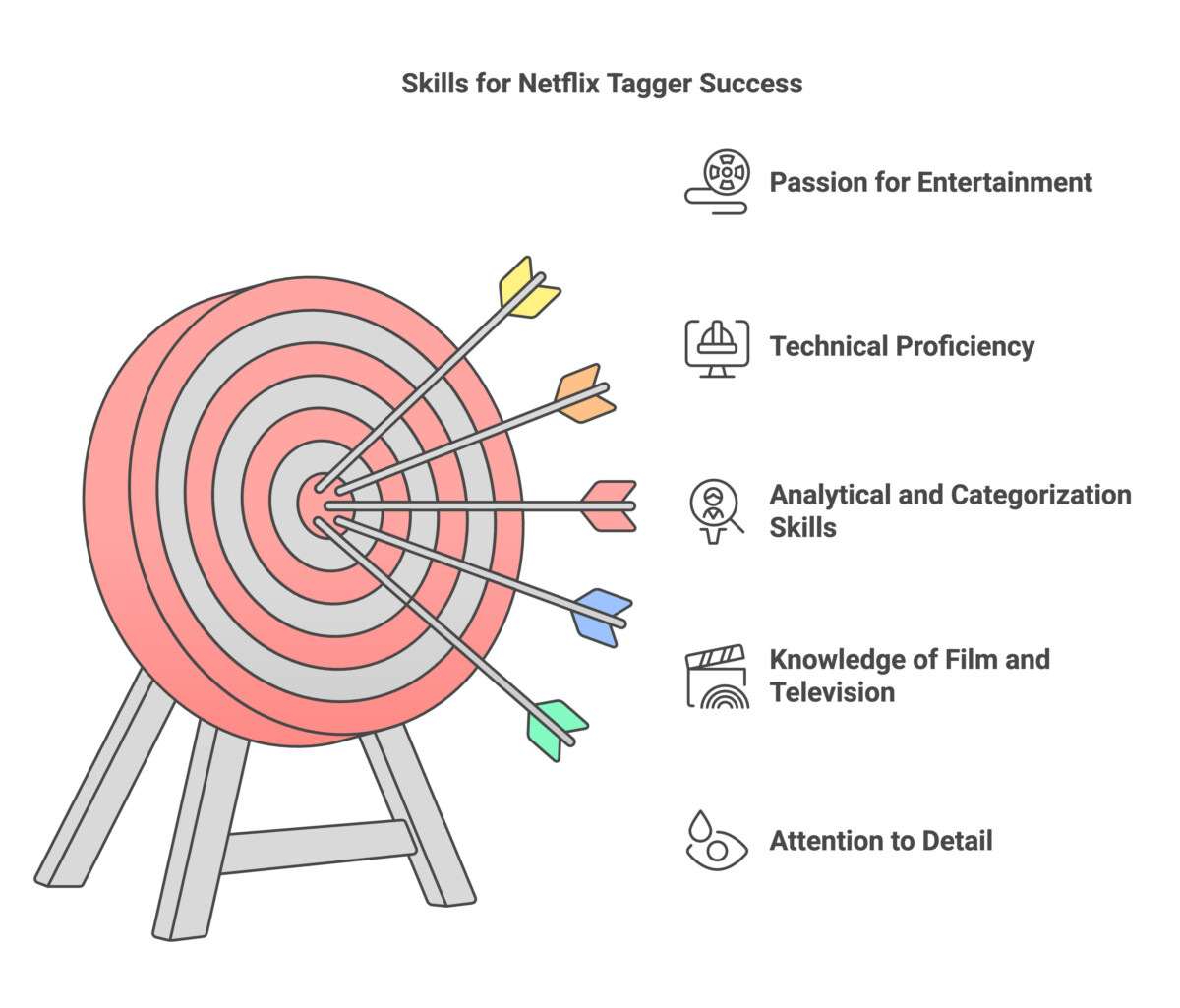
Becoming a Netflix tagger is not just about loving movies and TV shows—it’s about harnessing specific skills to ensure content is accurately categorized for millions of viewers. You don’t just watch; you analyze, label, and create a seamless browsing experience for users. Here’s what you’ll need to succeed.
Attention to detail is the backbone of a Netflix tagger’s role. Taggers monitor subtle nuances in storylines, character arcs, camera work, and overall tone to classify content precisely. For instance, differentiating between two romantic comedies—one with traditional slapstick elements and another with a more nuanced satirical approach—requires an acute level of observation. Mislabeling a show can disrupt Netflix’s algorithm, leading to inaccurate recommendations. By honing your ability to notice these fine details, you’ll ensure smoother, more enjoyable viewer experiences.
To classify content properly, a strong understanding of various genres, subgenres, and trends is essential. Knowledge goes deeper than just knowing the difference between “action” and “thriller”—you need to recognize stylistic elements, cultural nuances, and even regional subtexts. Grasping how a “coming-of-age drama” differs from a “dark psychological thriller” can help you assign precise tags that reflect the core identity of the show or film. Knowing trends in pop culture or niche interests, like K-dramas or noir films, also adds immense value. Need more insights into the film industry? Consider exploring expert tips on how Netflix taggers are shaping user recommendations.
Think of the role as part science, part art. Analytical and categorization skills ensure the massive Netflix library remains meticulously organized. You’ll need to sift through layers of metadata to determine how a show fits within Netflix’s vast taxonomy. For this, organizing keywords, understanding layering techniques, and accurately connecting metadata with content are paramount. Even small slips in categorization can make a major difference in how titles appear for specific audiences. For readers keen to enhance their analytical abilities, explore this career perspective.
Netflix uses proprietary software systems for tagging and metadata entry. Though not overly technical, proficiency in navigating web-based platforms and learning new tools quickly is key. Whether you’re annotating visual elements, handling tagging hierarchies, or working with subtitling solutions, technical know-how ensures efficiency. If you’re not yet comfortable with digital platforms, there’s still time to familiarize yourself with basic tagging and content management systems.
Lastly, enthusiasm for movies, series, and global storytelling is indispensable. If you lack genuine passion, the work may become a tedious exercise. Staying engaged while watching a slow-burn drama or exploring niche genres, like post-apocalyptic noir or mockumentary comedies, is easier when you truly enjoy the craft of filmmaking and storytelling. This love for entertainment also translates into higher precision and creativity during tagging tasks.
While the Netflix tagger role has unique challenges, building these core skills can set you up for success in turning this thrilling passion-driven job into reality. If you’re considering the next steps, investigate more about how taggers can break into this opportunity.
Landing a Netflix tagger position involves more than just passion for binge-watching; knowing where to target your search and navigating the process is key. This section outlines where to find legitimate openings, how to spot red flags, and the benefits of networking to uncover hidden opportunities.
Netflix primarily fills its content tagger roles through internal teams or via major outsourcing firms like Lionbridge and Appen. Below are platforms and processes to consider in your search:
Pro Tip: Narrow your searches with keywords that overlap with the tagger role, like “metadata tagging” or “content labeling,” as job titles may differ.
As the Netflix tagger role increases in popularity, so do scams preying on eager job seekers. Steer clear of postings that request upfront fees for application processing or involve vague roles like “get paid to watch Netflix.” Legitimate jobs will always appear on trusted platforms such as Netflix’s official job board or reputable outsourcing partners like Lionbridge and Appen. Reddit forums and networking groups can also help cross-verify job postings, avoiding potential risks.
If you’re unsure about a posting’s legitimacy, verify directly on official sites like Netflix Careers or Lionbridge portal pages. For a detailed guide to spotting online job fraud, you can explore these trusted tips.
Sometimes the best opportunities come from who you know. Networking on platforms like LinkedIn can help uncover pathways into Netflix roles, especially as metadata tagging overlaps with several digital content sectors. Here are some tips to get started:
By engaging strategically with these resources and tools, you’ll improve your odds of not only finding Netflix tagger roles but stepping into a fulfilling and creative remote opportunity.
Becoming a Netflix tagger isn’t just about having a love for movies and TV shows. The hiring process is competitive, and the best way to secure the role is to craft an application that demonstrates your attention to detail, your passion for entertainment, and your ability to add value to Netflix’s vast content library. Here’s how you can stand out during the application process.
Your resume should go beyond listing generic responsibilities. Focus on skills that speak directly to the Netflix tagger role. For instance:
If you’re still developing some of these abilities, consider diving deeper into resources that explain metadata and its application in creative fields. Platforms like Medium cover Netflix tagging tips, which may align with industry expectations.
A cover letter functions as your first direct communication with the recruiter—use it wisely. Open with a compelling statement about why Netflix’s unique recommendation system excites you. Then, pinpoint specific aspects of their catalog that inspire you to apply. For example:
Keep your tone professional yet enthusiastic. Avoid using clichés and instead focus on drawing real-world connections between your experience and the tagging role. For extra impact, learn more about what makes Netflix metadata unique by referencing articles like this Reddit insight.
Netflix tagger applicants might face tests evaluating their grasp of the role. These assessments typically measure:
Researching widely on genre systems and metadata creation is your best preparation tool. Reference external insights, such as the ones shared by experts on Nicole Dieker’s Billfold blog.
In the race to secure a job as a Netflix tagger, your unique traits can give you a competitive edge. Pay close attention to these opportunities:
Mentioning your knowledge of lesser-known genres or regional cinema can set you apart from other candidates. Attending workshops or researching global streaming trends is a great way to deepen and demonstrate such expertise. For additional tips, check out helpful articles like the CheddarFlow piece on Netflix tagging jobs.
A well-crafted, thoughtful application reflects not just what you’ve done, but how you think—qualities that are highly regarded in this competitive space.
If you’ve ever wondered how much you could make as a Netflix tagger, you’re not alone. While the job of a content tagger offers flexibility and the chance to work on something you’re passionate about, understanding the pay structure is important before diving in. Let’s break down the average earnings and factors that impact your paycheck.
Netflix taggers typically earn between $15 and $45 per hour, depending on their experience level and the tasks they’re assigned. For individuals working part-time, this hourly rate can translate to a yearly salary range of $28,000 to $60,000. According to insights from platforms like Dollarsprout, skilled taggers with niche expertise often fall on the higher end of this spectrum.
If you aim to earn on the upper side of these rates, meeting Netflix’s precision standards and demonstrating knowledge of diverse genres can really set you apart. Entry-level positions tend to hover around $28,000 annually, while professionals with relevant tagging experience or extensive film knowledge can command closer to $54,000 or more, as reported by FinanceBuzz. While it’s not a million-dollar role, for a part-time job where most tasks revolve around something enjoyable, these rates are highly competitive.
Remember, tagging roles outsourced by companies like Lionbridge or Appen may follow similar pay scales but could vary based on task complexity and organizational budgets.
Netflix taggers’ earnings often fluctuate depending on a few critical factors:
To maximize earning potential, focus on improving skills such as metadata tagging accuracy or your versatility across genres. If you’re ready to explore entry points into content tagging jobs, you might consider learning about freelancing options through Lionbridge. For more insights, visit Ecommerce Fastlane’s freelance jobs section.
By understanding these factors, you can strategize your application and decide whether this flexible yet detail-oriented job aligns with your goals.
Becoming a Netflix tagger is often viewed as the ultimate dream job for entertainment enthusiasts. After all, who wouldn’t want to be paid to watch TV shows and movies? However, just like any position, there are pros and cons to consider before deciding if this job aligns with your expectations and career goals. Below, we’ll explore both sides to help you make an informed decision.
A Netflix tagger role doesn’t just offer a paycheck—it presents a unique set of benefits that make it particularly appealing to certain individuals. Here’s what makes this job stand out:
Ready to learn more about the unique opportunities in freelancing and part-time roles? Check out this Netflix tagger job guide.
However rosy the job may seem, it’s not without challenges. Before deciding, consider these potential drawbacks:
These pros and cons illustrate that becoming a Netflix tagger isn’t for everyone. If you’re curious about how real these opportunities are or what steps to take, explore detailed discussions like this Reddit thread on the Netflix Tagger role.
By understanding both the advantages and challenges, you’ll be better equipped to decide if this unique job is a fit for your lifestyle and goals.
Becoming a Netflix tagger is more than watching shows—it’s about precision, creativity, and understanding audience needs. This unique role blends passion for entertainment with data-driven work, requiring analytical skills, deep knowledge of genres, and attention to detail. Tasks like metadata tagging, content categorization, and quality assurance ensure Netflix delivers personalized recommendations to its global audience. Each tag, from themes to character traits, plays a role in shaping how millions discover content.
Landing this coveted position begins with preparation. Build expertise in tagging systems and familiarize yourself with Netflix’s catalog. Tailor your resume to highlight relevant skills such as organization, analytical experience, or familiarity with content systems. Leverage legitimate channels like Netflix’s career site and trusted outsourcing companies like Lionbridge or Appen. Avoid scams by applying only through verified platforms, and stand out by showcasing niche expertise, multilingual abilities, or deep genre knowledge.
For ecommerce founders or marketers, actionable advice lies in the principles Netflix uses—tailor content for the audience, analyze data meticulously, and refine processes for better experiences. Simplify how your customers discover what resonates with them. While “Netflix tagger” remains a niche job, the underlying skills demonstrate the power of combining creativity with strategic organization.
Ready to pursue this role or apply its methods to your work? Check Netflix’s job board for openings, explore freelance options, or deepen your content expertise to stay ahead. Whether tagging a film or curating user experiences, the principles of precision, passion, and purpose are all you need to make an impact.
Pursuing a role as a Netflix tagger combines analytical precision, deep entertainment knowledge, and a passion for storytelling. Success hinges on mastering metadata tagging, descriptive categorization, and adhering to Netflix’s quality standards. While the journey to secure this coveted job may be competitive, it offers a unique opportunity to align your interests with your professional aspirations.
Start by honing your skills, tailoring your application, and targeting legitimate channels such as Netflix’s official jobs page. For additional insights, resources like our overview on freelance opportunities can guide you toward successful paths in related fields.
If you’re prepared to balance a love for entertainment with structured analysis, this role could be an exciting step in your career.
A Netflix tagger categorizes and labels movies, shows, and other content with specific metadata. This helps Netflix’s algorithm recommend shows to viewers based on their preferences, enhancing the user experience. Taggers work behind the scenes to organize genres, themes, and key details that improve browsing and discovery.
To become a Netflix tagger, focus on mastering metadata tagging, genre analysis, and structured content categorization. Job openings are rare on Netflix’s career site but do appear through outsourcing companies like Lionbridge and Appen. A strong resume highlighting prior experience, like working with data organization, media annotation, or entertainment-specific projects, significantly boosts your chances. Additionally, explore freelance networks for metadata specialist roles, where remote tagging is increasingly in demand.
No, being a Netflix tagger involves more than just watching shows. Taggers analyze content to assign accurate metadata, themes, and genres, which requires detailed observation and analytical thinking. It’s a structured job that combines creative categorization with technical precision.
Netflix taggers typically earn between $15 and $45 per hour, depending on their experience level and assigned task complexity. For part-time workers, this translates to an annual salary of $28,000 to $60,000. A 2023 study by Dollarsprout highlights that experienced taggers with niche skills—such as multilingual abilities or deep knowledge of specialized genres—can earn closer to $54,000 or more annually.
Key skills include attention to detail, knowledge of film and TV genres, analytical thinking, and proficiency with digital tools. Familiarity with tagging systems, strong organization, and passion for storytelling also help taggers perform their roles effectively. Multilingual abilities can be a bonus for working with global content.
A common misconception is that Netflix taggers simply binge-watch shows for fun. In reality, this role demands a structured process, requiring taggers to evaluate each piece of content for themes, characters, and story arcs with precision. From my experience analyzing remote work roles, it’s a job blending creativity and analytical skills. It’s also critical to understand how tagging directly impacts Netflix’s recommendation algorithm and user satisfaction.
Yes, most Netflix tagger positions are remote, allowing you to work from home or another location of your choice. This flexibility makes the job appealing to those who want to balance work with other responsibilities. Tasks are deadline-driven, so managing your schedule is key.
You can find legitimate openings on Netflix’s official careers page or through trusted outsourcing companies like Lionbridge and Appen. Regularly check these platforms and set job alerts to stay updated. Avoid scams by never paying fees upfront or trusting unverifiable job listings.
To improve your chances, craft a tailored resume that emphasizes tagging-related skills like categorization, attention to detail, and knowledge of entertainment genres. Highlight unique abilities, such as familiarity with niche genres or multilingual proficiency. Prepare for tagging assessments by studying genre distinctions and metadata creation.
Metadata tagging organizes Netflix’s vast library and feeds the recommendation algorithm. By assigning accurate genres, themes, and keywords, taggers help viewers discover content that matches their preferences. This personalized experience keeps users happy and engaged with the platform.
eCommerce Fastlane s a trusted resource connecting readers with actionable insights into remote work, career development, and online income opportunities. Steve Hutt blends years of expertise in content creation, career analysis, and market insights, aiming to empower individuals to excel in emerging job trends. From bridging gig economy roles to unlocking niche opportunities like Netflix tagging, his mission is to guide audiences toward sustainable and rewarding work-from-home lifestyles.




