


Verified & Reviewed
Last updated on December 31, 2024 Written By Meredith Flora

Last updated on December 31, 2024 Written By Meredith Flora

Picture this: your ecommerce business is scaling, with multiple warehouses shipping hundreds of products daily. But as orders pour in, cracks begin to show — items are misplaced, inventory counts don’t match, and customers face incorrect or delayed shipments. Errors and inefficiencies now bog down the once-smooth operation, frustrating both your team and customers.
What’s missing? A system that provides full visibility and control over inventory across all locations — warehouse traceability. With it, you can track products, avoid costly mistakes, and keep customers happy, no matter how complex your operations get.
In this guide, we’ll explore how warehouse traceability works, why it’s essential for growing ecommerce businesses, and how ShipBob’s tools can help you master it.
Warehouse traceability is the ability to track and trace every item in a warehouse, from the moment it’s received to when it’s shipped to a customer. This visibility goes beyond just stock levels — it involves knowing the exact location, condition, and movement history of each item.
For example, an ecommerce business might tag each product with a barcode, serial number, or RFID identifier. Therefore, allowing them to monitor items through receiving, storage, picking, and shipping, ensuring inventory accuracy and timely delivery while building customer trust.
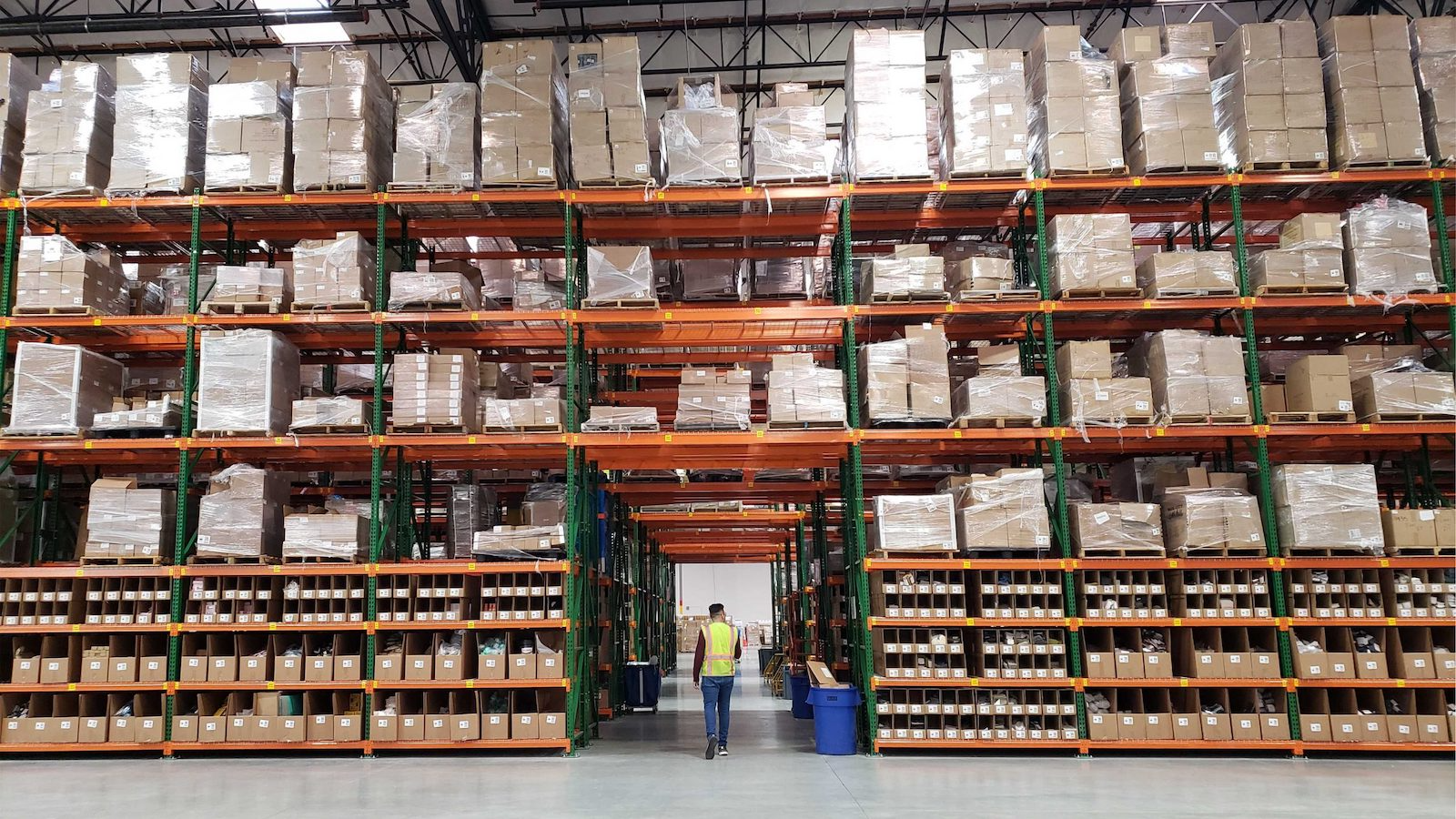
Effective warehouse traceability combines technology and processes to ensure every inventory movement is accounted for. Here are the main components that make warehouse traceability work seamlessly:
Now that we know the key components of warehouse traceability, here’s an example of how these processes work together as a product travels from warehouse receiving to customer delivery:
There are multiple benefits to knowing where your products are at all times. Just think about the impact of misplaced inventory, delayed shipments, or incorrect orders on your business. Warehouse traceability mitigates these issues, providing real-time visibility and control over your stock.
For businesses with multiple fulfillment centers, tracking inventory across locations can be a logistical nightmare. However, with warehouse traceability, businesses can centralize data from all their warehouses. ShipBob’s warehousing system, for example, makes it easy to distribute inventory based on demand patterns, ensuring faster delivery to end customers and saving on shipping costs. Additionally, with ShipBob’s technology, you can manage inventory, orders, and more all from one platform using one login.
In a busy warehouse, it’s easy for items to be misplaced or miscounted. Without traceability, inventory loss often leads to backorders, delays, or worse — lost sales. Implementing a traceability system helps ecommerce businesses gain real-time insights and prevent these costly errors.
Speed and accuracy in order fulfillment are critical to satisfying customers and minimizing returns. Warehouse traceability enables quicker picking and packing by directing staff to exact item locations. This level of precision is especially valuable for businesses in the food and beverage industry, where errors can affect safety and compliance.
Warehouse traceability is not only beneficial for internal operations but also for responding to customer inquiries. With access to real-time tracking, customer service teams can instantly provide information on order status or expected delivery. ShipBob’s system ensures businesses can share these updates with retailers and customers, building trust and loyalty.
A scalable traceability system is vital as businesses grow and handle more orders. ShipBob’s solutions ensure seamless expansion without overhauling warehouse management. With effective traceability and order management, businesses can maintain accurate inventory, avoid errors, and fulfill orders efficiently, even as demand increases.
In regulated industries, like pharmaceuticals or food, traceability isn’t just helpful; it’s required. In the food industry, for example, tracking raw materials inventory from receipt to delivery ensures safety compliance and enables precise recalls when necessary.
Effective traceability requires intentional setup and optimization. Here’s a quick guide to building a traceability system that enhances your ecommerce operations.
Evaluate your warehouse inventory management processes to identify gaps that hinder traceability. For example, difficulty locating items may signal the need for more detailed tracking or better visibility tools.
Select a warehouse management system that supports real-time updates and integrates seamlessly with ecommerce platforms. ShipBob’s WMS, for instance, offers scalability and smooth integration to support business growth.
Implement tools like barcode scanners, RFID tags, and automated updates to maintain accurate inventory levels. Scanning items at each stage—from receiving to packing—reduces errors and boosts accuracy.

A traceability system is only as strong as the team using it. Train your team on traceability tools and create standardized workflows. Consistency across warehouses ensures accurate tracking and minimizes errors, especially in multi-location setups.
ShipBob offers powerful solutions for achieving efficient and scalable warehouse traceability. Here’s a closer look at how ShipBob’s tools transform ecommerce warehousing.

ShipBob’s WMS goes beyond basic tracking, offering real-time updates, inventory tracking, and data analytics. These features empower businesses to optimize their inventory strategy and gain insights into stock trends, making it easy to spot discrepancies and improve operational efficiency.
ShipBob’s Inventory Placement Program (IPP) strategically places inventory across its fulfillment centers, optimizing stock distribution to reduce delivery times and shipping costs. For example, ecommerce businesses can allocate high-demand items to be closer to key customer hubs, ensuring quicker delivery.

With ShipBob’s order tracking system, ecommerce businesses have end-to-end visibility over each order’s journey from the warehouse to the customer. This level of visibility helps businesses proactively manage customer expectations and provide accurate updates for each shipment.

ShipBob’s inventory tools provide detailed reports on stock movement and usage patterns. This empowers businesses to make smarter decisions on inventory levels, forecasting, and operations, improving overall traceability efficiency.
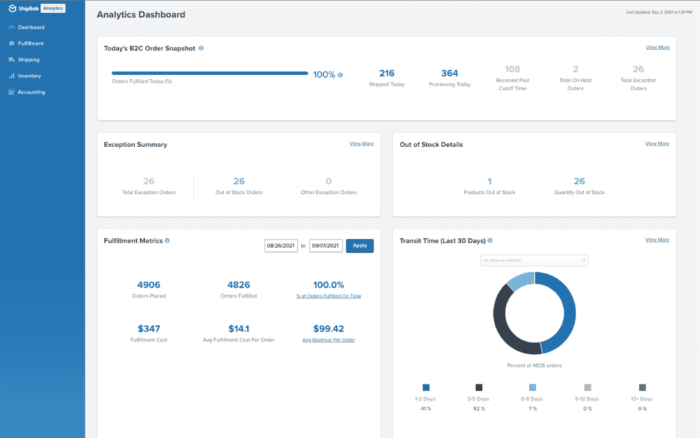
Ready to implement ShipBob WMS in your warehouse? Request a quote to get started.
Here are answers to commonly asked questions about warehouse traceability.

Technologies like barcode scanning, RFID tags, and warehouse management systems are essential for warehouse traceability, ensuring transparency and accuracy.
Real-time updates provide instant visibility into stock levels, helping businesses address stockouts or overages before they impact customer orders.
Tracking focuses on monitoring an item’s location at any given time, while traceability provides a comprehensive record of an item’s entire journey through the supply chain. Typically, tracking is forward-looking while traceability is backward-looking.
Warehouse traceability improves supply chain efficiency by pinpointing exactly where inventory is at every stage, reducing misplaced stock and incorrect shipments.





