


Cart abandonment is one of the serious issues for any online business. 70% of potential online buyers abandon carts.
But why? People browse products, compare prices, check reviews, and even add products to their cart, and leave without making a purchase. What could be a nightmare for a business owner, right?However, all cases are not related to the decision-making of the buyers. Sometimes buyers do not feel the urge to buy or proceed with the payment, like unexpected prices, delivery charges, complicated checkout process, and others. To make the most of the sales possible, businesses must understand the reasons behind cart abandonment, and analyze buyers’ behavior to reduce it.
We will highlight key reasons for cart abandonment and the best strategies to recover lost sales in 2025.
When a buyer visits a website, browse items, add them to their cart, and leave the cart without making the payment. It is known as cart abandonment. Today, ecommerce and retail businesses face such challenges.
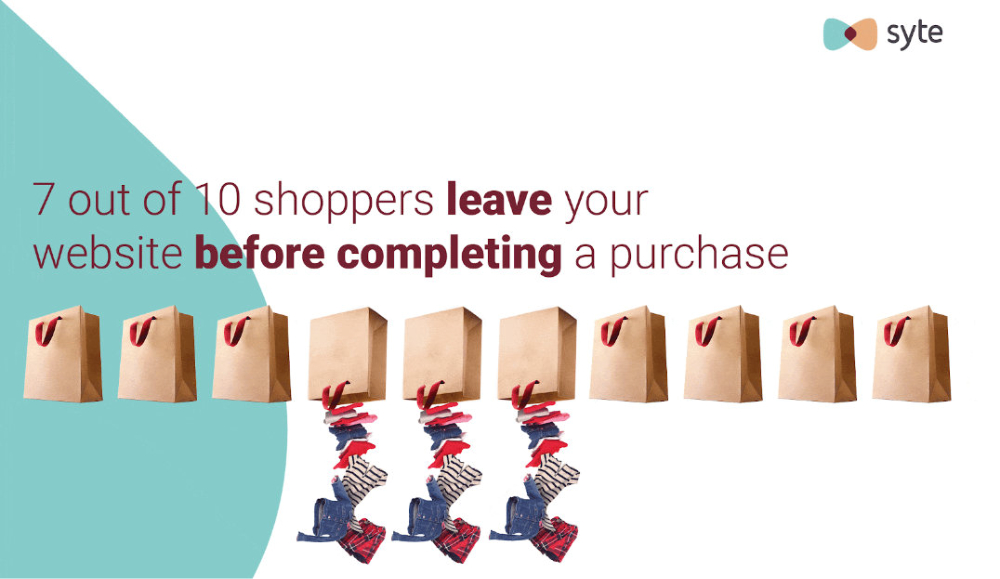
Thus businesses must calculate the cart abandonment rate to measure their success and profit. However, the average cart abandonment rate is 70.19%, which varies from industry to industry. Here is how you can calculate your metrics.
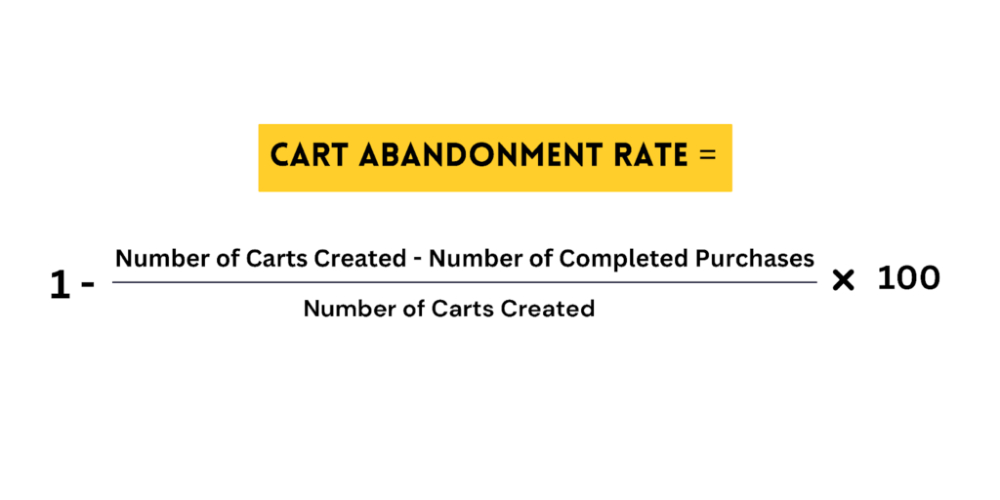
Businesses must take precautionary action and follow proven strategies to reduce the cart abandonment rate significantly. But, before that, they must understand the key reasons for cart abandonment.
The best way to reduce the cart abandonment rate is to understand the reason behind it. Here are some key reasons that businesses must not overlook in 2025.
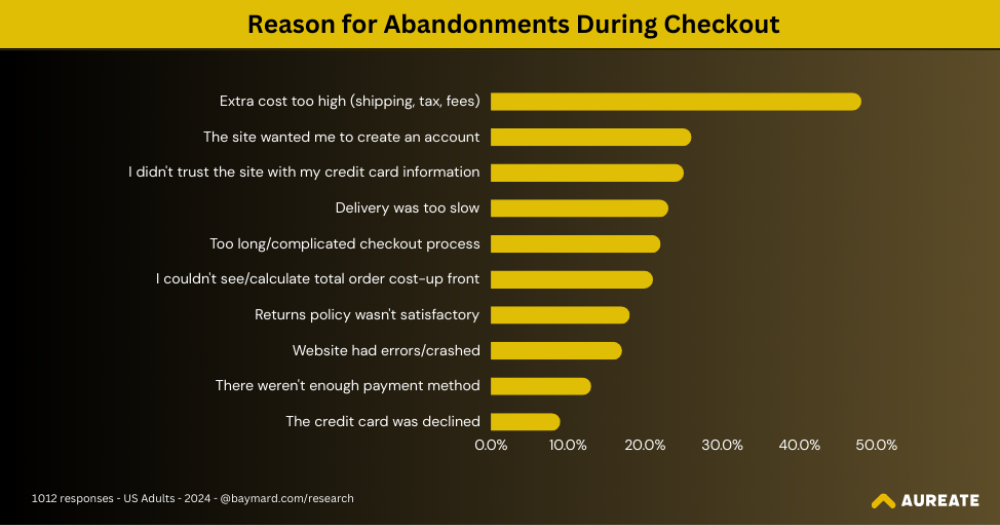
Working on these reasons will help businesses mitigate the pain points of potential buyers and reduce the cart abandonment rate. But, how to do that?
Reducing the cart abandonment rate will help your business to maximize sales and improve customer retention. To stay ahead in the ecommerce race in 2025, we recommend enterprises follow these proven strategies and expected ROI.
Understanding your customers is one of the best ways to unlock the reasons for cart abandonment. You must know their journey, needs, pain points, and what is stopping them from making the payment during checkout. To trace their footprints throughout the website, you can use advanced tools like Google Analytics and others.
You can check-
And much more. By analyzing these behaviors, you can improve your customer’s experience and reduce the cart abandonment rate.
48% of users abandon their cart due to unexpectedly high costs during payment, such as delivery charges, tax, or additional charges. Transparency in costs and pricing will help businesses to reduce cart abandonment rates. It is important to offer a clear breakdown of the additional expenses right at the start of the browsing products.
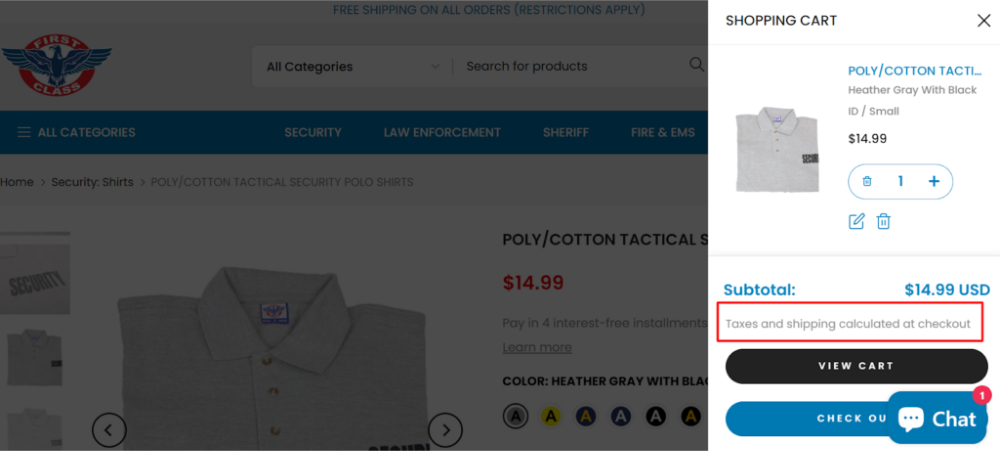
This strategy not only helps users save their shopping time but also helps them make buying decisions at the start, whether they are willing to pay additional charges or not.
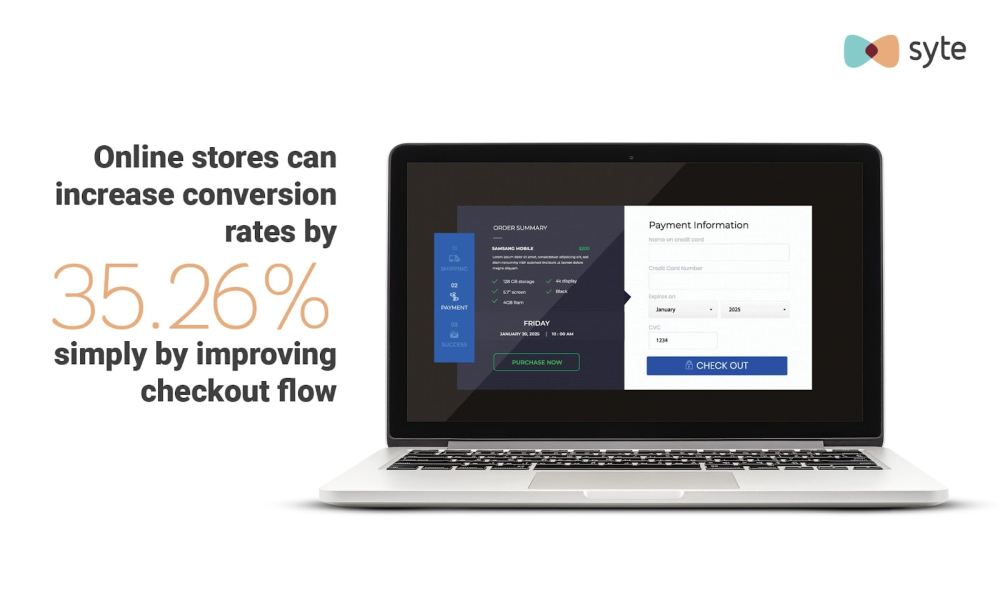
28% of shoppers abandon their carts due to the complex checkout process. Businesses must focus on creating a simple checkout process, without distractions. Here are some key strategies to optimize the checkout process-
These features help users to go with the flow and make the checkout process successful, reducing cart abandonment rate. For example, Zara has a simple and engaging checkout process with limited fields, a predictive search option for location, and a display of the total amount at the end.

Image, your customers are leaving the cart just because they did not find their preferred payment option at checkout. Well, that’s the story of many cart abandonment cases. Today, ecommerce businesses or any online store offers multiple payment options that reduce the chance of cart abandonment. Offering multiple payment options not only helps businesses build trust but also ensures safe and secure checkout.
This is the common approach to target shoppers who have left their products in the cart and abandoned them. Retargeting via emails helps them remind them about the payment and complete the checkout process.
Nearly, 45% of cart abandonment emails are opened, and more than 27% of those emails lead to a purchase. Sending a series of reminder emails can encourage people to complete the process. To make these emails more effective,
Amazon sends personalized cart abandonment emails to remind customers of the items they left behind. This approach has helped them reduce abandoned carts and boost revenue.
With the growing importance of instant messaging apps like WhatsApp, businesses find it a powerful tool to communicate with potential customers. Also, you can use another Interactive Video Marketing Platform to communicate with customers in real-time.
Businesses can use WhatsApp to:
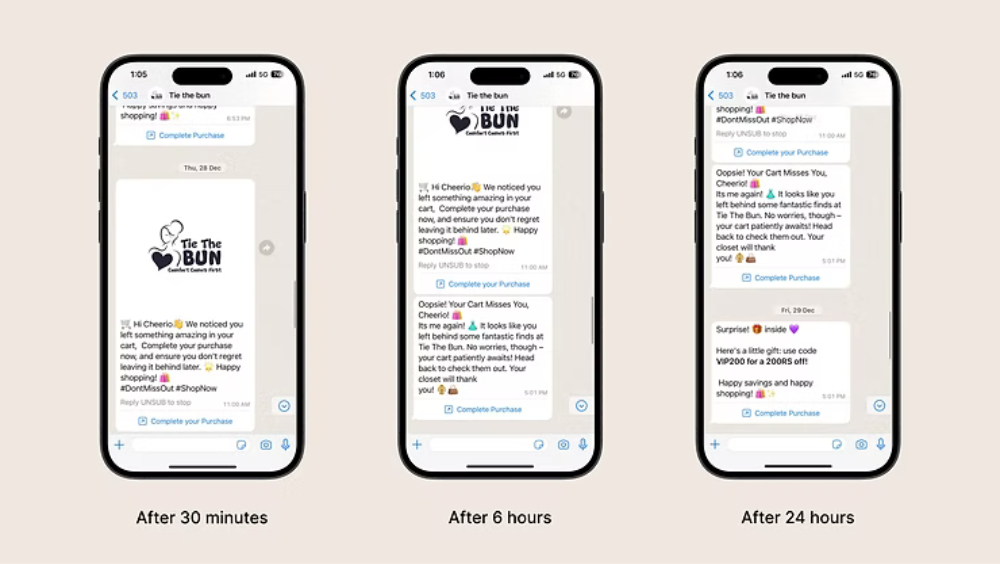
Several brands have leveraged this strategy to reach their customers and help them with their checkout process.
This strategy involves showing popups offering discounts or incentives to lure shoppers when they intend to exit the online store.
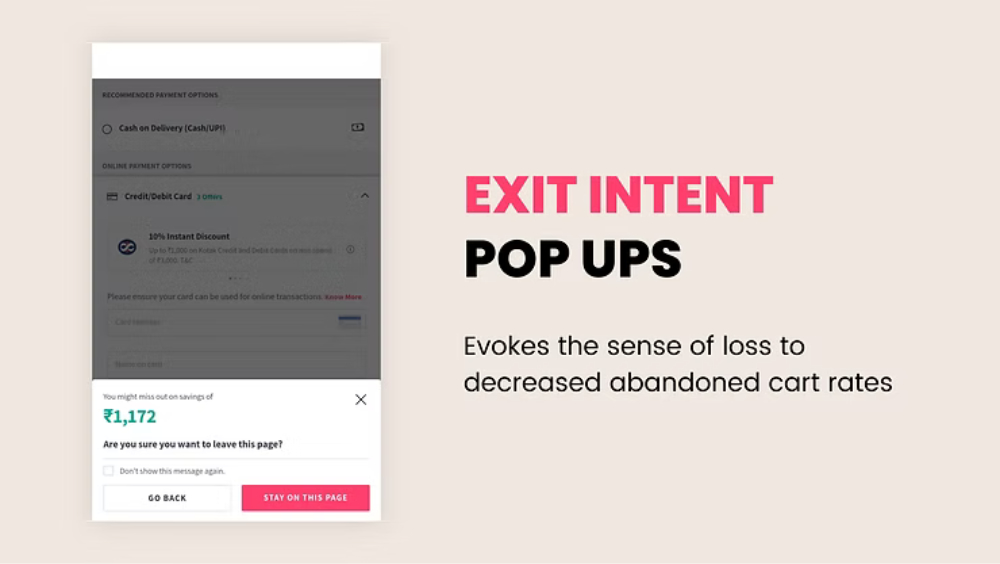
Such popups help businesses engage customers and let them explore more with exciting offers on their next purchase. Myntra is a great example of this approach that tempts users to explore more and reduce the cart abandonment rate.
Push notifications have become one of the most crucial features of every ecommerce business. These amazing pop-ups remind users to visit their abandoned carts, new updates, new arrivals, and others. You can include images, videos, GIFs, emojis, or sounds to grab attention and make these notifications more effective.
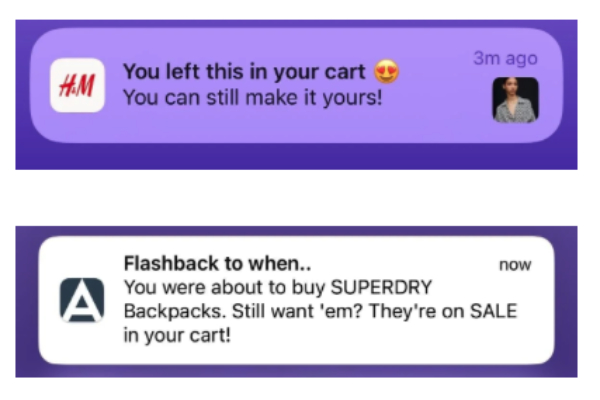
Today, businesses use technologies like AI and ML to make push notifications interactive and relevant for more engagement.
Abandoned carts are missed opportunities for ecommerce or online stores. Businesses must address key reasons why customers abandon their carts and implement industry-best strategies to boost sales and conversion rates.
Recovering abandoned carts is an ongoing effort and takes time. Thus, businesses must analyze data, test new strategies, and improve their approach to get the best results.





