

6th
October, 2025
Instagram Story ads have become a powerhouse for e-commerce brands – especially when paired with influencers and authentic content. These full-screen vertical ads offer a dynamic way to showcase products and drive quick actions from viewers. In fact, recent case studies show that Instagram Story ad campaigns can achieve 73% higher click-through rates, an 18% boost in sales, and a 41% increase in product page views for businesses. And it’s not just about numbers – consumers genuinely respond to this format. Every second Instagram user reports feeling greater interest in a brand or product after seeing an Instagram Story Ad.
In this article, we’ll explore why Instagram Story ads are so effective for e-commerce, how influencers (especially micro-influencers and content creators) and user-generated content (UGC) can supercharge these ads, and we’ll look at real examples of brands knocking it out of the park. We’ll also cover what brands should ask of influencers when collaborating on Story ad campaigns. Whether you’re an Amazon seller, a DTC e-commerce brand, or a marketer looking to boost engagement, read on for tips to optimize your Story ads for maximum impact.
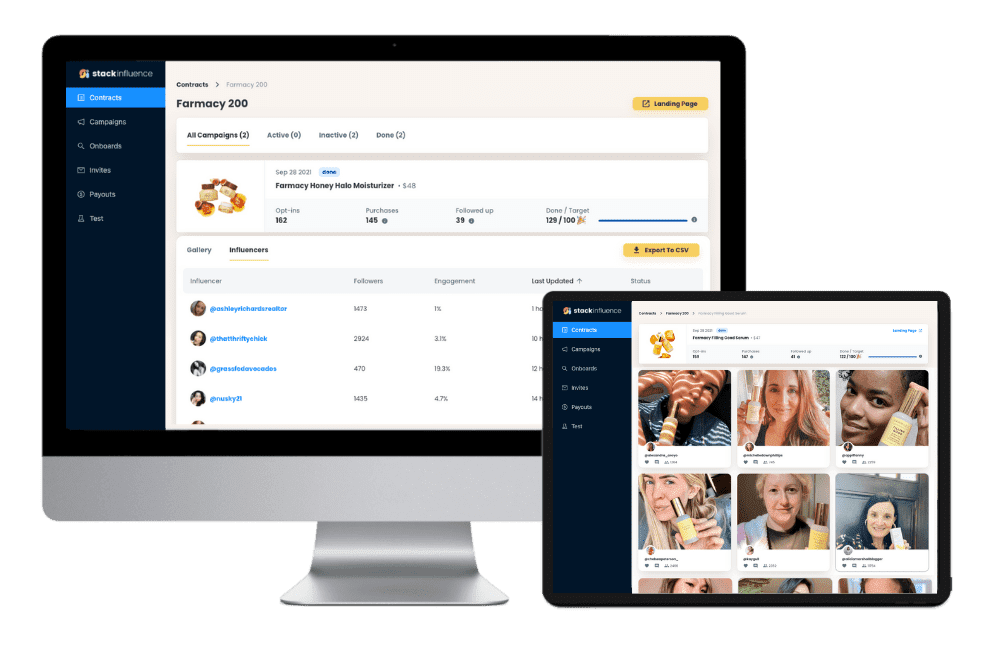
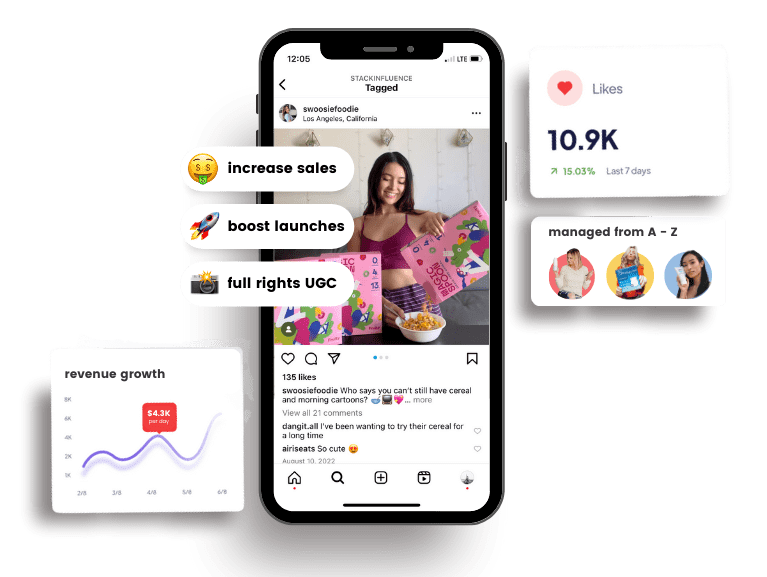
Instagram Stories offer a unique blend of engagement and urgency that other formats struggle to match. They appear at the top of the app and take up the entire screen, which means a viewer’s full attention is on your content. Story ads leverage the “tap-through” behavior users love – delivering quick, immersive snippets that can lead directly to a swipe-up (or click) action. A few key reasons Story ads work so well for online brands include:
In short, Instagram Story ads combine attention-grabbing visuals with an immediate call-to-action, which is ideal for e-commerce conversion. But the real magic happens when you add influencers and UGC into the mix.
One reason influencer-powered Story ads perform so well is trust. Influencers – particularly micro-influencers (those with smaller, highly engaged followings) – come across as authentic and relatable. Their content feels like a friend’s recommendation rather than a traditional ad, and that authenticity pays off. Nearly 90% of consumers say authenticity is important when deciding which brands to support, and user-generated content (UGC) is viewed as the most authentic form of media by consumers. An Instagram Story featuring a real person (like a content creator or happy customer) using a product can instantly build credibility in a way studio-shot ads often can’t.
Moreover, micro-influencers tend to have hyper-engaged audiences in specific niches – which is perfect for targeting. While a celebrity might reach millions with a broad message, a micro-influencer (say a fitness enthusiast with 20k followers) can sway a tight-knit community of true believers. This translates into measurable performance benefits:
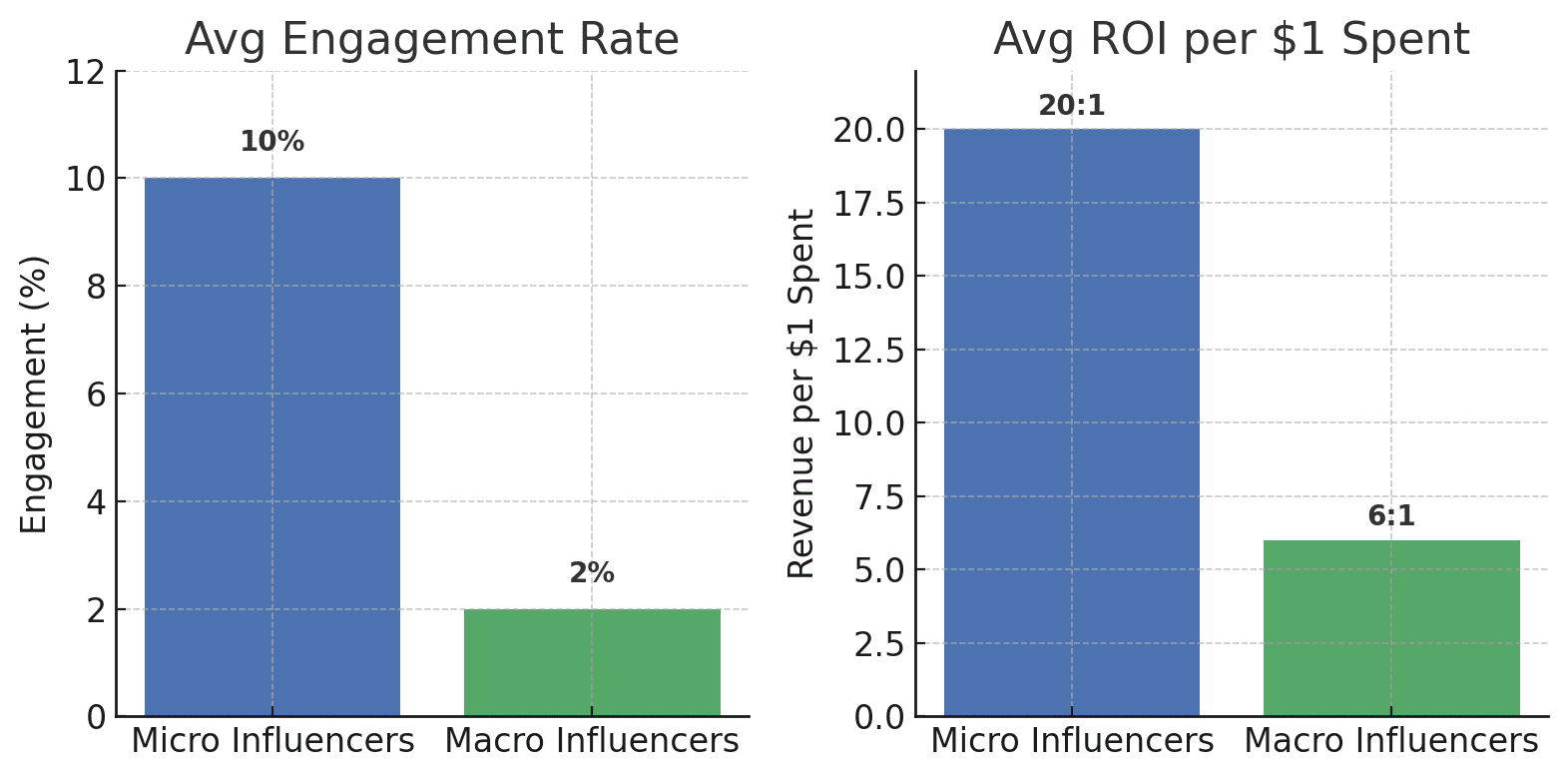
Chart: Comparison of average engagement rates and ROI for micro-influencers vs. macro-influencers. According to data from Stack Influence (a micro-influencer marketing platform), micro-influencers see roughly a 10% engagement rate on their content, versus only about 2% for macro influencers. They also deliver a far higher bang for the buck – campaigns with micro-influencers can yield around a 20:1 return on investment, compared to ~6:1 ROI for campaigns using big-name influencers. In practical terms, that means $1 spent on a micro-influencer campaign can generate ~3× more sales than $1 spent on a celebrity influencer. This higher ROI is partly because micro-influencers are more cost-effective to work with, and partly because their followers are highly responsive to their content (a recommendation feels like it’s coming from a trusted peer).
Micro-influencers and content creators also excel at producing UGC-style content that doesn’t look like a slick corporate ad. That’s a huge plus for Story ads. Blending in with the native Story feed – while still delivering a marketing message – is a balancing act. Content that looks too polished might be skipped as “just another ad.” But an influencer’s Story, shot on a phone camera, speaking in their natural voice, feels real. Viewers are more likely to pay attention, and even click through at higher rates – UGC-based ads often see significantly higher CTR and lower CPC than traditional ads.
Authentic influencer content can be leveraged in two ways on Stories:
A combination of these approaches can yield the best results: for instance, an influencer posts a series of Stories about your product to their audience, and you also run a few of those Story slides as targeted ads to reach new customers. You get both the immediate promotion to the influencer’s fans and ongoing value by repurposing that content in ads and on your own channels. This one-two punch is powerful, especially for small brands trying to build social proof.
It’s worth mentioning that Amazon sellers have also caught onto the influencer + Story ads trend. Amazon’s Influencer Program enables creators to have their own Amazon storefronts with recommended products. Influencers often promote these via Instagram Stories using swipe-up links to Amazon. This means if an Amazon seller’s product is featured in an influencer’s Story, viewers can go directly to Amazon to buy it – a seamless path that leverages the trust of the influencer and the convenience of Amazon. The kicker: all that external traffic and sales can boost the product’s ranking on Amazon itself. As one analysis noted, when influencers drive their followers to Amazon for a product, it creates a virtuous cycle – the influx of purchases can improve the item’s search rank on Amazon, leading to even more organic sales. For Amazon-focused e-commerce brands, integrating Instagram Story promos by content creators is an effective way to stand out in a competitive marketplace and drive sustained growth.
To summarize, micro-influencers and UGC content are the secret sauce for many high-performing Story ads. They bring authenticity, trust, and better ROI. E-commerce brands (from Shopify entrepreneurs to Amazon marketplace sellers) can greatly benefit by incorporating influencer-driven content in their Instagram Story advertising strategy. Next, let’s look at some real-world examples of how brands are doing this successfully.
Nothing beats real examples to spark inspiration. Below are a few standout Instagram Story ad campaigns by e-commerce brands and how they leveraged influencers or creative storytelling to get results. These examples show different approaches – from using familiar influencer faces to slick design – and the kind of outcomes possible:
(Other honorable mentions: Many other brands have seen success with Story ads. Music streamer Deezer adapted their video ads into Story format and cut acquisition cost by 52% while doubling conversion rate. Beauty start-up Memebox used sequential Story ads (including a tutorial-style clip with a model using the product) to boost brand awareness and prompt swipes to their site, demonstrating that showing a product in action via Stories can nudge curious viewers into customers. And big names like Maybelline have leveraged influencer takeovers on Stories – letting an influencer demo products on the brand’s Story – to humanize their marketing and drive product interest. The pattern across these examples is clear: Instagram Stories + engaging content (often with a human touch) = a recipe for growth.)*
If you’re an e-commerce brand teaming up with an influencer (or multiple micro-influencers) for a Story ad campaign, it’s crucial to set clear expectations. Influencer collaborations can fall flat if details are misunderstood. Here’s a handy checklist of what brands should ask for and communicate to influencers when planning Instagram Story ads:
By covering these bases, brands can ensure their influencer partnerships for Story ads run smoothly and deliver results. Essentially, you want to arm the influencer with the right tools and information to tell a compelling story (pun intended) that also meets your marketing goals. It’s all about collaboration – you bring the campaign goals and product knowledge, they bring the creativity and audience connection.
Instagram Story ads represent a unique meeting point between engagement and conversion – and when you add influencers and micro-influencers to the mix, they become even more potent. We’ve seen how e-commerce brands can leverage the authenticity of content creators and UGC to create Story ads that not only catch eyeballs but also drive action. Whether it’s a micro-influencer’s casual demo that lends credibility to a new gadget, or a bold Story ad announcing a flash sale, the formula is similar: keep it real, keep it relevant, and make it easy for the viewer to act.
For brands big and small (from independent Shopify stores to global Amazon sellers), the takeaway is clear: don’t sleep on Instagram Stories as an ad channel. They’re perfect for the mobile shopper era – quick, engaging, and actionable. By collaborating with the right influencers (and using platforms like Stack Influence to find and manage micro-influencers at scale), you can tap into personal, trusted storytelling at scale. The result, as evidenced by the examples like Tokopedia, Gymshark, and Revolve, can be a significant boost in traffic, sales, and ROI.
As you craft your next campaign, remember to measure what works, be willing to test different creative approaches, and let the human side of your brand shine through. Instagram is a place for connections and inspiration – if your Story ads can deliver both, they’ll not only stop the scroll but also spark the sales. Here’s to creating thumb-stopping, story-selling content that resonates in 2025 and beyond!

By William Gasner
CMO at Stack Influence
William Gasner is the CMO of Stack Influence, he’s a 6X founder, a 7-Figure eCommerce seller, and has been featured in leading publications like Forbes, Business Insider, and Wired for his thoughts on the influencer marketing and eCommerce industries.
Want new articles before they get published? Subscribe to our Awesome Newsletter.
111 NE 1st St, 8th Floor
Miami, FL 33132



© 2025 Stack Influence Inc
© 2025 Stack Influence Inc
The post Instagram Story Ads Examples: Influencers & E-Commerce Strategies for Success appeared first on Stack Influence.




