

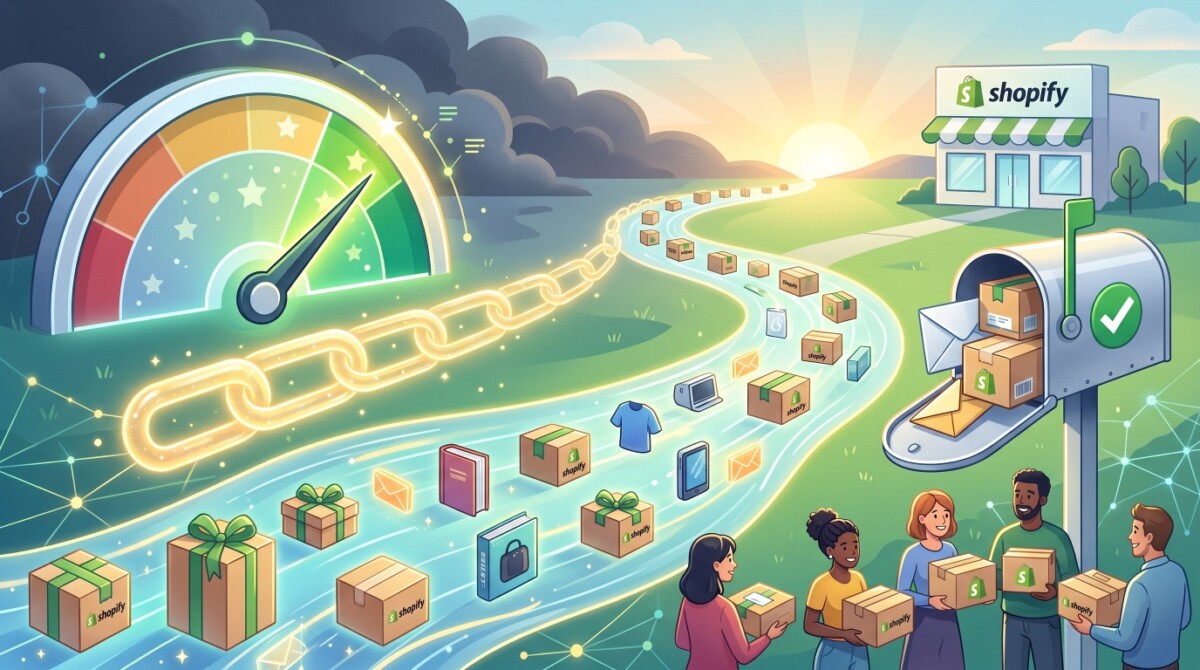
For most Shopify brands, IP reputation is the invisible score that decides whether your marketing and transactional emails reach the inbox or land in spam, so protecting it with clean lists, authentication, and steady sending habits is as important as subject lines or flows.
Sharp creative gets clicks, but only a healthy IP reputation gets you into the inbox often enough for those clicks to compound into revenue.
Most Shopify merchants spend all their energy on the stuff they can see. Subject lines. Segments. Templates. Automation flows. Fair enough, that work matters. But it’s only half the job.
Here’s the catch: if your email never reaches the inbox, none of that other work counts for anything.
Gmail, Outlook, Yahoo, they’re not just reading what’s inside your email. They’re also judging who sent it. That judgment call comes down to something most merchants never think about: IP reputation.
It sounds technical, and it kind of is. But it’s also the quiet force deciding whether your abandoned cart reminder actually gets seen, or whether it just rots in a spam folder somewhere. Worth understanding, especially since it protects one of your best marketing channels.
Every email you send goes out through an IP address. Think of it as a track record. Mailbox providers watch how mail from that address behaves over time, and slowly, they form an opinion about it.
Not based on one campaign. Based on the pattern. Things like:
Good reputation, your email lands in the inbox. Bad reputation, it gets filtered into spam or blocked entirely.
Customers never see any of this happening behind the curtain. But it decides the outcome before the email even arrives.
For most ecommerce brands, email isn’t just a marketing channel. It’s basically the backbone of the whole customer experience.
Count how many messages a Shopify store fires off in one day:
That’s a lot. And when those emails don’t land, you feel it fast.
Carts stay abandoned. Promos flop. Support gets buried under “where’s my order” messages. Even a small drop in deliverability quietly eats away at the value of every hour you put into that campaign.
So yeah, smart marketers have started looking past copy and design. Sender reputation deserves just as much attention, maybe more.
It builds slowly. One great newsletter won’t fix a bad reputation. One bad campaign won’t wreck a good one. This is cumulative, more like a credit score than a test grade.
Here’s what mailbox providers actually watch:
This one trips up a lot of merchants. The real answer, it just comes down to volume and how much control you want.
You’re sending alongside other businesses on the same address. Most platforms default to this. Works fine for plenty of growing Shopify stores, honestly.
The upside:
No reputation to build from scratch Less for you to manage Handles moderate volume just fine
The catch? Other senders on that IP can drag your reputation down too. Good providers keep a close eye on this, but it’s worth knowing regardless.
This one’s just yours.
Full control. Your good habits build the reputation. Your mistakes, also just yours to clean up.
Makes the most sense once you’re sending big, steady volumes and actually have the resources to manage it right. Smaller stores? Usually fine on shared infrastructure, especially with a decent provider behind them.
Don’t chase whatever sounds fancier. Chase whatever fits where your business actually is right now.
Forget quick tricks. Fixing IP reputation is really just building better habits and sticking with them, week after week.
Email marketing feels like a creative job. Fair, it mostly is. But the infrastructure running quietly behind it matters just as much.
As Shopify brands push into new markets, launch new storefronts, or spread across cloud environments, the network holding it all together gets more important than most people realize. IP address management and infrastructure planning won’t show up in your open rate report, but they’re propping up everything that does.
For brands managing bigger or messier infrastructure, companies like IPXO help lease and manage IPv4 resources, giving businesses room to flex as needs change. IP management is just one piece of the deliverability puzzle. Still, it’s a good reminder that infrastructure choices ripple into growth down the line.
Good email marketing starts way before anyone opens their inbox.
Sharp copy, clean design, well-timed automation, all of it matters. But none of it means much without the one thing underneath: actually getting delivered.
Understanding IP reputation helps Shopify brands see deliverability for what it really is, part marketing, part infrastructure. Build good sending habits. Watch your metrics. Authenticate your domain. Make smart infrastructure calls as you scale. Do that, and more of your emails actually reach the people you sent them to.
In ecommerce, reaching the inbox is the first conversion that matters. Everything else depends on it.
The fastest way to spot IP reputation issues is to watch your core email metrics over time, not just individual campaign results. Sudden drops in open rates across multiple segments, rising bounce rates, or more “spam” complaints than usual are strong signals that mailbox providers are treating your mail more harshly. If transactional emails like order confirmations and shipping notifications also start landing in spam or going missing, that’s a clear sign to investigate IP reputation and authentication rather than just tweaking subject lines.
Most smaller Shopify brands are better off staying on a well‑managed shared IP until their sending volume and internal resources justify taking full control. Shared IPs work fine for moderate, predictable volume when your email platform actively monitors abuse and keeps poor senders off the pool. A dedicated IP makes more sense once you’re sending at high, steady volume and have the discipline to warm it up properly, maintain strong list hygiene, and monitor reputation — otherwise it’s easy to make expensive mistakes that shared infrastructure would have absorbed.
The most practical IP reputation improvements come from tightening list quality and strengthening trust signals rather than chasing hacks. Authenticating your domain with SPF, DKIM, and DMARC, regularly cleaning invalid and disengaged addresses from your list, avoiding purchased lists entirely, and segmenting sends so people only receive relevant messages all work together to raise engagement and lower complaints. Combined with a consistent sending schedule and gradual ramp‑ups when volume increases, those habits rebuild trust with mailbox providers over time.
Marketing and transactional emails often share the same underlying sending infrastructure, which means their behavior contributes jointly to your IP reputation even if they use different templates or flows. Overly aggressive promotional sends that drive complaints or bounces can drag down the reputation that transactional emails rely on to land in the inbox. Keeping marketing lists clean, limiting frequency, and preserving strong engagement helps protect deliverability for critical messages like order confirmations and shipping updates that your whole customer experience depends on.
It’s worth calling in an external email deliverability or infrastructure partner when problems persist despite list cleanup and authentication fixes, or when you’re planning a major shift such as moving to a dedicated IP, migrating ESPs, or rolling out substantial international expansion. If you see chronic spam‑folder placement for engaged subscribers, unexplained blocks from major providers, or need help structuring IP warm‑up and network planning, a specialist can shorten the trial‑and‑error cycle and protect revenue while you scale.





