

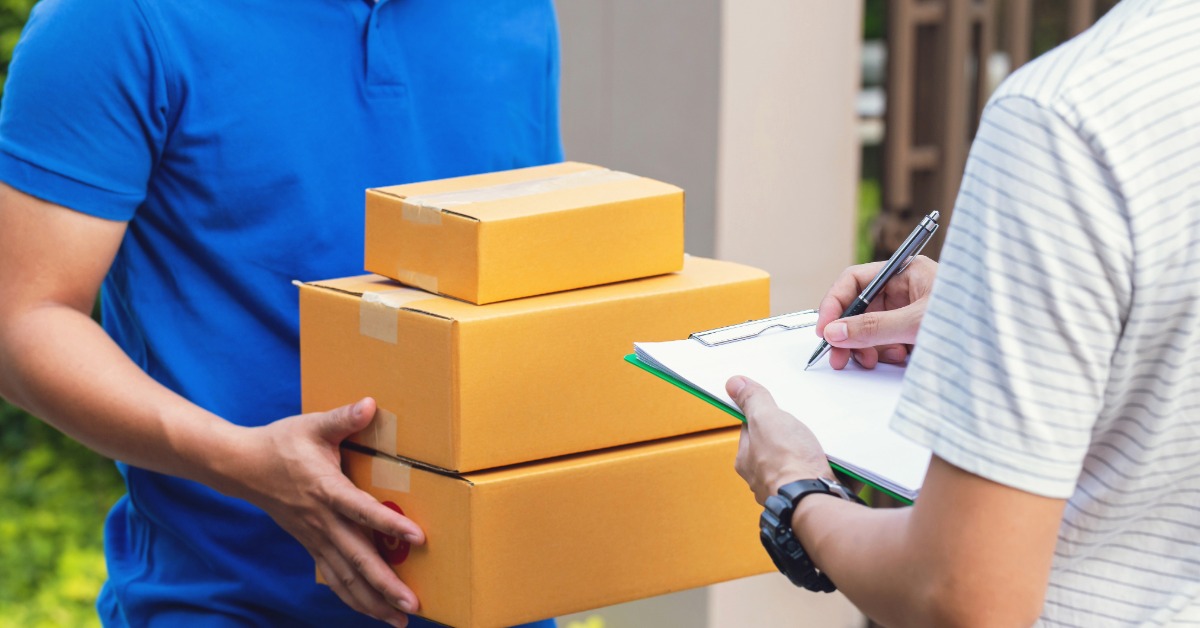
Last-mile delivery is simple on paper: it’s the final trip your product takes from the warehouse door to the customer’s hands.
But here’s the reality I’ve seen across hundreds of scaling brands: unreliable or confusing delivery is one of the biggest reasons repeat customers stop buying, even if they loved the product itself. Think about that for a second. You spend thousands on ads, perfect the product, build a great website, and then you let the final 48 hours sink the entire customer relationship.
This isn’t just a supply chain cost; it’s a vital revenue decision that dictates how many times a customer will return. I can tell you from over 400 founder conversations on the EcommerceFastlane podcast, the most successful, scaling brands treat delivery communication not as an afterthought but as a critical, high-touch retention strategy. They turn the common anxiety of “where is my stuff?” into excitement and loyalty. We are going to show you exactly how to implement this retention loop. Maximizing Customer Lifetime Value (CLV) is key for growth, and delivery optimization is your sharpest tool to get there.
If you’re a Growth-Focused Practitioner or a Strategic Scale-Seeker spending heavily on customer acquisition, you know the pain of the “leaky bucket” problem. You pour money into Meta and Google ads, only to have a single confusing delivery experience make that money spent totally worthless. Delays, vague tracking, and unclear delivery handoffs erode trust faster than almost anything else.
Every day a delivery is late, every time the tracking page shows “In Transit” without context, you are actively lowering the chance that customer will come back. This is the ‘wait time’ penalty. For many customers, the product experience starts the minute they click “buy,” not when they open the box.
If a customer has a stressful, anxious delivery experience, they often mentally associate that stress with your brand. They might genuinely forget how great the product was because the post-purchase process felt confusing or poorly managed. It’s a psychological hurdle you create for yourself that has only one solution: radical transparency and control over communication.
For Emerging Operators and growing teams, the constant inflow of “Where Is My Order?” (WISMO) tickets is a massive operational drain. Your customer service team needs to spend their valuable time solving complex issues or engaging in retention efforts, not hunting down packages in a carrier’s system.
WISMO tickets consume team hours, burn out support staff, and dramatically increase your operational costs. The good news? You can stop the vast majority of these tickets before they even happen. Proactive, clear communication about package location and estimated delivery can eliminate 80% of routine WISMO inquiries, freeing your team for higher-value work. If you want to know more about minimizing customer service burdens, check out our guide on improving support systems.
The strategic play here is simple: you must own the customer experience for every step of the journey, even after the package leaves your building. Your customer is excited, and that excitement is a high-attention, high-traffic opportunity you cannot afford to waste.
The first step is taking control of the communication cadence. Never rely on the generic, often messy emails sent directly by the shipping carrier. They don’t use your brand voice, and they certainly aren’t personalized.
Instead, automatically send clear, helpful updates via email or SMS about the package’s status, using integrated post-purchase software. The optimal cadence includes:
Brands that automate customer communication flows to keep customers informed every step of the way find they build immediate trust. We’ve discussed advanced automation strategies, including guidance on how to automate customer communication flows, which applies perfectly here.
This is the non-negotiable step for any brand moving beyond the startup phase. The generic carrier tracking page (usually full of competitor ads and confusing data) is a criminal waste of time and attention. Why would you send your enthusiastic customers to a third-party site when they are most excited about your product?
Every brand must invest in a custom, branded tracking page.
This page is high-traffic because customers check it frequently, and the attention level is maximized because they are eagerly awaiting their purchase. This space is effectively your cheapest ad placement. Use this page for subtle, non-intrusive marketing:
The average customer checks their tracking 2.5 times per order. That means multiple high-attention impressions you can use to reinforce the brand experience and build loyalty.
This is where the Strategic Scale-Seekers play. Shipping shouldn’t be one-size-fits-all. Customers value choice, and offering tiered shipping options is vital for intelligent expectation management.
Carrier diversification matters greatly. You should choose different carriers for:
By offering a choice between standard versus express shipping, you show respect for the customer’s priority (be it speed or cost). This sets a clear expectation up front, making delivery anxiety far less likely.
Optimized last-mile delivery isn’t just about faster shipping; it’s about optimized communication around shipping. Combining clear status updates with smart post-purchase tactics is the real driver for Customer Lifetime Value (LTV).
Because the branded tracking page captures the customer’s attention when they are most engaged, it’s the perfect place for strategic upselling and cross-selling.
Consider these approaches that work consistently:
I’ve seen this post-purchase tactic executed with precision. We’ve covered proven strategies for post-purchase upsells that leverage customer excitement, and this highly engaged tracking page is one of the best placements available.
Most brands only survey customers about the product itself. They miss the crucial step: Was the delivery experience five-star, three-star, or one-star?
Gathering feedback after delivery is crucial for identifying friction points in the last mile. Send a short, automated survey (just 1 to 2 questions) about 24 hours after the delivery confirmation. Ask simple questions:
This data helps you identify exactly which regional carrier needs to be cut, which packaging needs reinforcement, or which delivery instructions aren’t being followed. It turns anecdotal complaints into quantifiable data that leads to immediate operational improvements.
The core lesson in modern ecommerce is this: Last-mile delivery is not just a logistics cost; it is the most critical customer retention tool you have. Across hundreds of founder discussions, the pattern is consistent: you cannot afford to hand over the final, high-attention phase of the customer journey to a generic shipping carrier. That decision will crush your Customer Lifetime Value (LTV) far faster than a bad ad campaign.
We’ve learned that your strategy needs to shift from simply tracking packages to proactively communicating throughout the delivery process. For instance, brands immediately see results by adopting a branded tracking page, turning a functional necessity into their cheapest and most engaging marketing channel. This is the prime real estate to push post-purchase offers and digital value bundles that solidify a second purchase.
The most practical action you can take right now is simple: take control of the communication flow. Implement automated status updates before the customer has to ask where their order is. This move cuts down on frustrating “Where Is My Order?” (WISMO) tickets and frees your team to focus on higher-value retention work.
For those of you scaling, the next step involves carrier and inventory diversification. Don’t stick with a single shipping solution. Use data to choose carriers based on reliable regional performance and offer tiered shipping options. This practice manages expectations—be it speed or cost—and shows respect for your customer’s priority.
Ultimately, the last mile is your brand’s final handshake. Make the decision today to optimize this process, move from a reactive to a proactive communication model, and start gathering post-delivery feedback to fuel continuous operational improvements. The brands that win are the ones that control every detail of the relationship, right up through the final delivery.
If these insights resonate with the challenges you face in managing your growth and LTV, I encourage you to look deeper into the advanced frameworks we share on the EcommerceFastlane Mastermind. This is where high-growth peers share the exact operational strategies that turn logistics into a competitive advantage.
Last-mile delivery is the final, crucial step where your product moves from a local warehouse to the customer’s actual address. This phase is important because it dictates the customer’s final experience with your brand, and poor delivery logistics can erase the positive feelings created by a great product. Successful brands use transparent, speedy last-mile operations to build trust and encourage repeat purchases.
Confusing delivery tracking causes customer anxiety and frustration, which lowers the chance they will return to buy again. When customers feel stressed during the delivery, they often associate that stress with your brand, creating a “wait time penalty” that impacts their perception of the entire purchase. To counter this, you must take control of the communication and tracking experience with branded pages and clear status updates.
WISMO stands for “Where Is My Order?” tickets, which are customer service inquiries asking for the status of a package. These tickets consume vast amounts of team time and increase operational costs for growing stores. By implementing automated, clear, and proactive updates (like “Out for Delivery” texts), you can stop up to 80% of these routine inquiries before they ever reach your support team.
A branded tracking page is a customer-facing portal on your store’s website where customers check their package status, instead of using a generic carrier site. It is a revenue driver because customers check this page an average of 2.5 times per order, giving you a high-attention, low-cost space to offer marketing, complementary products, or social media links. This transforms a functional necessity into an engaged marketing opportunity.
The optimal communication cadence focuses on providing helpful, timely updates at the most critical points in the delivery journey. We recommend automated notifications for shipment confirmation, when the package is out for delivery, and immediately upon delivery confirmation. This proactive approach eliminates anxiety and manages customer expectations effectively.
The biggest mistake is relying on a single, one-size-fits-all shipping option across all regions and customer types. Scaling brands must move toward carrier diversification, which means choosing different carriers based on their reliable performance and staging inventory closer to centers of demand. This allows you to offer customers a meaningful choice between speed and cost based on their needs.
Yes, absolutely. The branded tracking page is one of the best locations for strategic post-purchase offers because the customer is highly engaged and excited while waiting for their product. Offering a small, complementary item for a future order or a digital value bundle creates immediate perceived value and plants the seed for their next purchase.
Last-mile optimization is a strategic retention tool because seamless and transparent delivery directly builds brand trust and minimizes buyer friction. When the post-purchase experience is stress-free, the customer is far more likely to return for a second or third order. Successful brands treat the delivery window as an extension of their high-touch customer experience.
To get actionable data, you must close the loop by gathering quick, targeted feedback after the item has been delivered. Send a short, 1-2 question automated survey asking about satisfaction with the delivery speed and package condition. This moves you beyond anecdotal complaints and provides quantifiable data to identify and improve weak points in your last-mile process.
The simplest and most important step for an Emerging Operator is to immediately stop sending customers to generic carrier tracking sites. Your first action should be implementing a comprehensive branded tracking page on your own domain. This immediately retains control over the customer experience and provides a platform for future marketing and LTV-driving plays.





