


The quality of your product images speaks volumes about your brand. Image-editing product photographers play a pivotal role in shaping these first impressions.
They ensure your merchandise looks its absolute best, capturing not just the product but also the essence of your brand’s aesthetic. These images are not a mere afterthought but a powerful tool for engagement and sales.
Imagine effortlessly turning ordinary images into show-stoppers that don’t just fill a spot on a webpage but spark customer curiosity and drive sales. By integrating high-caliber techniques and utilizing tools like Photoshop, product photographers bring creativity and detail to the forefront. For e-commerce brands, especially those powered by platforms like Shopify, mastering e-commerce photo retouching is a game-changer. Dive into insights about e-commerce photo retouching and take your brand presentation to its next chapter.
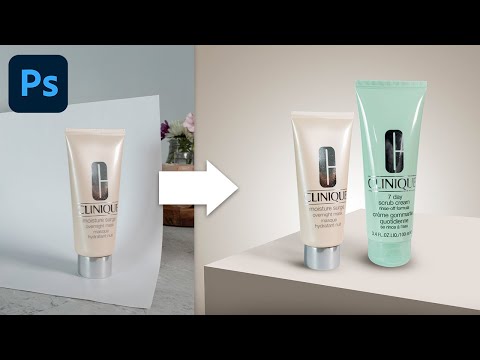
In the bustling world of e-commerce, how your products appear online can make or break a sale. While fantastic service and quality products are essential, the pictures customers see can often be the deciding factor. But why is image editing so crucial, and how does it influence your online store’s success?
Have you ever looked at a product online and thought, “This looks great,” only to question it seconds later because the image seemed off? This is where image editing becomes valuable. Expertly edited photos don’t just look pretty; they build trust.
Think of your product images as the silent salespeople in your online store. They persuade customers without uttering a word. So, how does image editing translate to increased sales?
In the crowded arena of online shopping, standing out can be hard. But by using consistent imagery, you can make your brand recognizable.
For further insights into image editing and its profound impacts, explore more about e-commerce photo retouching and discover how it can be a game-changer for your product photographers.
By understanding and optimizing the role of image editing, e-commerce businesses can more effectively engage customers, even from a distance. Isn’t it time your photos did more than just sit there?
Image Editing Product Photographers play a critical role in creating compelling visuals that capture the essence of products. Their expertise lies in transforming raw photos into refined, market-ready images that entice consumers. Let’s explore the key techniques these professionals use to enhance and perfect product photography.
Removing a distracting or dull background can make the product stand out like a star on the stage. It’s like clearing the clutter from a scene to let the main act shine. This technique involves precise manual or automated tools to erase backgrounds, leaving a clean, crisp image that highlights the product itself. Whether using simple white backgrounds or more creative settings, this method ensures that the focus remains solely on the product.
Imagine a product photo where the colors look washed out or dull. Would that draw your attention? Probably not! That’s why color correction is crucial. It involves adjusting the colors to reflect the true-to-life tones of the product, making it look vibrant. Enhancing colors can also align the image with your brand’s aesthetics, adding to the appeal and professionalism. Techniques such as adjusting saturation, brightness, and contrast are often part of this vital process.
Every product has its unique features, and sometimes those can include minor flaws captured in photographs. Retouching and restoration help eliminate these imperfections, like polishing a gemstone to reveal its true beauty. Whether it’s smoothing out wrinkles on clothing or erasing smudges, these edits ensure a flawless presentation. They breathe new life into old or worn-looking items, making them appear brand new.
Consistency is king when it comes to branding, and maintaining a uniform look across all images is like having a signature style. Product photographers achieve this by applying identical settings and techniques to each photo, ensuring a cohesive appearance. Consistent aesthetics help build a recognizable brand identity, reinforcing trust and familiarity with consumers.
Adding shadows and reflections can create a sense of dimension and reality, much like casting a spotlight on a stage. These effects add depth and make the product appear more tangible and appealing. Shadows can be subtle or dramatic, depending on the desired outcome, while reflections often mimic the product’s effect on different surfaces, creating a sophisticated look.
Finally, resizing and cropping images is like fitting them into the perfect frame. This process ensures that images meet specific e-commerce platform requirements, maintaining optimal quality without distortion. Proper resizing and cropping make sure your product is shown perfectly, enabling it to captivate potential buyers with ease.
By mastering these techniques, Image Editing Product Photographers play a pivotal role in e-commerce photo retouching, helping brands not only capture interest but also convert browsing into buying.
Deciding on the perfect tools and software for image editing can feel like choosing the right paintbrush for an artist. For product photographers, having the right tools can mean the difference between an ordinary image and one that captures the customer’s attention instantly. Let’s journey through some of the key options available for Image Editing Product Photographers.
When it comes to professional editing, few can argue against the powerhouses like Adobe Photoshop and Lightroom. These tools are the gold standard in the industry and provide a comprehensive suite of features. Photoshop is perfect for detailed editing, allowing you to manipulate every aspect of your image, while Lightroom excels in batch processing, making it suitable for dealing with a large number of photos at once. Other notable mentions include Capture One Pro for its deep color adjustments, and Affinity Photo for a more budget-friendly yet powerful alternative.
These software options offer:
If you prefer not to install complex software on your computer, various online services provide professional-level editing directly in your browser. Pixc and BeFunky are two notable mentions. These platforms are ideal for quick edits or when you need professional help without the steep learning curve of traditional software. They are often user-friendly, allowing you to adjust and enhance your photos with just a few clicks.
In this fast-paced world, having the ability to edit on the go is a game-changer. Mobile apps are perfect for photographers who need quick-fixes or edits from anywhere. Some of the best apps include Adobe Photoshop Express and Snapseed. Both apps offer powerful yet simplified versions of their desktop counterparts, designed to give you control over your images right from your smartphone or tablet.
These mobile apps offer:
Remember, choosing the right tool isn’t just about features. It’s about what fits best with your workflow and complements your artistic style. Partnering the right tools with your unique eye for detail can truly set your images apart in the saturated field of e-commerce photo retouching. Whether you’re editing from your desk with sophisticated software, relying on online services, or using apps on your phone, the right tool can make all the difference in bringing your creativity to life.
Successful image editing is like painting: it requires patience, skill, and attention to detail. As an Image Editing Product Photographer, mastering the art of editing is crucial for creating images that catch the eye and communicate the right message to your audience. Let’s explore some best practices to guide you in achieving impeccable results every time.
When it comes to editing, the goal is to enhance without degrading the original quality. You can think of this as tuning a guitar: you want to improve the sound, not break the strings. Here are a few key points to remember:
Incorporating editing seamlessly into your workflow can feel like finding the missing puzzle piece. It completes the picture, enhancing efficiency and consistency.
Striking a balance between realism and enhancement is like walking a tightrope. Too much of either can tip you off balance.
Just like a Swiss Army knife, your edited images should serve multiple purposes across various platforms. Here’s how to achieve this:
By following these best practices, your image editing can become not just a task, but an art form, playing a crucial role in your success as an Image Editing Product Photographer. When done right, your edited images will not only represent your brand but elevate it, telling a compelling story with every pixel. If you’re interested in diving deeper into the world of e-commerce photo retouching, check out this guide.
Keep these practices in your toolkit, and you’ll be on your way to crafting images that capture attention and inspire action.
In the world of e-commerce, a product’s visual appeal can make or break a sale. For product photographers, using advanced editing techniques is like wielding a magic wand that makes products irresistible. The journey from a raw image to a polished product shot involves several intricate steps. Let’s explore some cutting-edge editing techniques that can enhance your photography skills and make your images stand out.
Imagine trying to capture every detail of a product, from its front face to the furthest corner. With focus stacking, you can achieve just that! It’s a technique where multiple images, each focused on a different part of the product, are combined to create one picture with maximum clarity.
Steps to Focus Stacking:
Focus stacking ensures your product photos are sharp from front to back, making them perfect for e-commerce platforms.
Does your product have shiny or matte surfaces that make it difficult to capture details? High Dynamic Range (HDR) imaging can tackle these challenges by combining multiple exposures into one, allowing both shadows and highlights to be visible.
How HDR Imaging Works:
By using HDR, even the most challenging products with varied lighting will look just right, capturing every nuance for your e-commerce displays.
Imagine offering customers the ability to spin and view your product from all angles. 360-degree photography makes this possible, showcasing every aspect of your item. But shooting is just the beginning; editing these images ensures a seamless and interactive experience.
Editing Steps for 360-Degree Imagery:
A comprehensive 360-degree view can enhance customer trust and engagement, as they explore the product as if holding it in their hands.
By incorporating these advanced editing techniques, you can elevate your skills as an image editing product photographer. Whether you’re focus stacking for depth, using HDR to balance lighting, or creating dynamic 360-degree views, mastering these methods will help your images reflect the quality and professionalism e-commerce customers expect.
In the bustling world of e-commerce, first impressions are crucial. Product images serve as the visual ambassadors for a brand, often swaying customer decisions. But when it comes to image editing, ethical considerations are paramount. Are these edited images an accurate representation of the product? Let’s explore how transparency, legality, and industry norms intersect in product image editing.
Customers today are savvy. They can spot overly retouched images from a mile away. So, how can product photographers maintain trust while enhancing images? Transparency is key. By openly disclosing the extent of edits, brands can foster trust with their audiences. Consider adding a simple note about edits: “Light adjustments applied for clarity.” It’s like adding a splash of truth to your visual storytelling, making sure your audience knows exactly what they are investing in.
Imagine purchasing a caramel-colored leather couch, only to find it avocado green upon delivery. This mismatch not only frustrates customers but also opens the door to legal troubles. Misrepresenting products through edited images could lead to false advertising claims, costing companies their reputation and bottom lines. Product photographers can avoid these pitfalls by adhering to truthful representations, ensuring that the edited images align closely with the real product. Remember, honesty isn’t just the best policy—it’s the legal one too.
Navigating the ethical maze of image editing requires a map, and industry standards serve as just that. These guidelines encourage consistency and fairness in how images are presented. Organizations like the National Press Photographers Association (NPPA) have crafted codes of ethics that stress the importance of integrity and accuracy. Applying similar standards to e-commerce photo retouching ensures that images don’t just dazzle—they deliver on their promises.
Incorporating these ethical considerations isn’t just about playing by the rules; it’s about crafting a visual narrative that is both compelling and credible. By prioritizing transparency, adhering to legal standards, and following industry guidelines, product photographers can create stunning, honest images that foster consumer trust.
Image editing product photographers rely on their skills to transform ordinary photos into eye-catching images that drive sales. Let’s spotlight some successful examples that underscore the power of professional image editing. This not only showcases the transformative capability of image enhancements but also provides real-world evidence of their value.
Before purchasing a product, customers want to see exactly what they’re getting. High-quality images speak volumes, effectively acting as your online storefront. Imagine scrolling through an online catalog where every image appears dull, flat, or uninviting. Compare this to a site where pictures vividly showcase the product in lifelike detail.
Some phenomenal before and after transformations highlight how skillful editing can breathe life into photos:
These transformations are more than just aesthetic—they significantly impact consumer perception and ultimately, purchasing decisions.
Investing in professional image editing often yields substantial returns. Why? Because high-quality visuals directly contribute to higher sales. Think of it as polishing a diamond: a little shine goes a long way.
Here’s a simplified breakdown of potential returns on investment for businesses:
Many companies report seeing returns in the form of increased traffic, enhanced customer trust, and ultimately, rising sales figures. With professional editing, the payoff often extends beyond immediate financial gain, fostering a reputable brand identity over time.
By diving into these successful case studies, it becomes clear that leveraging image editing tools is not just about enhancing aesthetics—it’s a strategic move to expand business horizons.
In the rapidly changing field of product photography, staying on top of the latest trends is essential, especially for Image Editing Product Photographers. As technology advances, so does the way we present products. Imagine being able to make a picture as captivating as the product itself with just a few clicks. Exciting, right? Let’s dive into some key trends shaping the future.
The advent of Artificial Intelligence (AI) is revolutionizing how photographers and editors work. Why spend hours on repetitive tasks when AI can do it faster and smarter?
So, whether you’re tightening up images for your Shopify store or using e-commerce photo retouching from experts like SmartPHOTOeditors, AI is undoubtedly a game-changer.
Who doesn’t love a little authenticity in a polished online world? User-generated content (UGC) is taking center stage, reshaping traditional marketing and photography strategies.
For a brand, utilizing UGC effectively can also lead to increased conversions. It’s more than just a trend; it’s a strategic shift in how product photography is leveraged.
Augmented Reality (AR) and Virtual Reality (VR) are changing how customers interact with products online, creating immersive experiences that mimic real-life interactions.
As AR technology becomes more accessible, expect to see it as a staple in product photography, offering a seamless blend of creativity and functionality.
As we navigate through these evolving trends, it’s clear that Image Editing Product Photographers hold the keys to captivating online shopping experiences. What’s next? Perhaps the line between reality and digital will blur even further, creating limitless possibilities for those eager to innovate in this space. Keep these trends in mind as you steer your brand into the future.
In the dynamic world of e-commerce, product photographers face an array of challenges that go beyond just snapping a picture. The magic often unfolds in the editing room, where images are transformed to meet the brand’s aesthetic and the market’s expectations. Whether it’s handling reflective surfaces or managing a massive batch of photos, mastering the art of image editing is crucial. Let’s explore some common hurdles faced by image editing product photographers and how to skillfully leap over them.
Reflective surfaces can be a real head-scratcher. Imagine trying to capture the beauty of a shiny watch or a sparkling piece of jewelry. The problem lies in the fact that reflections can distort the product’s appearance, making it a nightmare to edit. To combat this:
With these tactics, reflections transform from pesky foes to photography allies, enhancing product clarity rather than obscuring it.
Ever bought something online that looked perfect, only for it to arrive in an unexpectedly different size? Editing for scale and proportion is critical to prevent customer dissatisfaction. Here’s how you can ensure your images convey accurate dimensions:
These techniques help maintain the integrity of the product image, making sure what customers see online matches what arrives on their doorstep.
Managing a mountain of product images can feel like juggling balls while riding a unicycle. Product photographers dealing with bulk photos need to be both efficient and consistent. Here are some strategies:
Embracing these methods not only streamlines workflow but also ensures that e-commerce photo retouching can be done swiftly and effectively, allowing businesses to maintain up-to-date product listings. Plus, if you’re looking for more professional help with bulk tasks, e-commerce photo retouching services offer tailored solutions that save time and guarantee quality.
Navigating the challenges in product image editing requires a blend of technical know-how and creative problem-solving. By addressing these common issues, image editing product photographers can produce high-quality visuals that capture the essence of the product while meeting the expectations of both brands and consumers.
Growing as an Image Editing Product Photographer isn’t just about mastering software; it’s about sharpening a range of skills and continually learning. This section explores the essentials of training and skill development, providing guidance for thriving in this field. Let’s dive into the core competencies, online courses, and the importance of a strong portfolio.
To excel in product photography editing, certain skills are crucial. Here’s a list of what you need:
The internet is a treasure trove of learning resources. But where do you start?
A well-crafted portfolio speaks volumes. It’s not just a collection of images; it’s your professional story in pixels.
Remember, being an Image Editing Product Photographer is as much about creativity as it is about technical skills. With the right practice and resources, you can turn ordinary product photos into extraordinary visual stories that captivate and convert.
In the competitive world of e-commerce, the power of visual presentation cannot be overstated. Professional image editing for product photography is not just a luxury; it’s a critical component of a successful online retail strategy. High-quality, expertly edited images do more than showcase products—they build brand credibility, engage consumers, and drive sales.
The impact of professional image editing extends far beyond mere aesthetics. It’s about creating a visual narrative that resonates with your target audience, effectively communicates your brand’s value proposition, and ultimately influences purchasing decisions. By investing in specialized editing services, businesses can ensure that their product imagery aligns perfectly with their brand identity and meets the high standards expected in today’s digital marketplace.
1. Enhanced Visual Appeal: Expertly edited images capture intricate details and showcase products in their best light, leading to increased customer engagement and higher conversion rates.
2. Brand Consistency: A cohesive visual style across all product images reinforces brand identity and builds trust with potential buyers.
3. Competitive Edge: In a crowded online marketplace, superior product imagery can be the differentiator that sets your brand apart from competitors.
4. Improved User Experience: High-quality, clear, and accurate product images enhance the overall shopping experience, reducing returns and increasing customer satisfaction.
5. Versatility Across Platforms: Professionally edited images are optimized for various e-commerce platforms and devices, ensuring consistent quality across all customer touchpoints.
As we move forward in an increasingly visual digital economy, the role of professional image editing in e-commerce success will only grow in importance. Businesses that recognize and leverage this powerful tool will be better positioned to capture market share and build lasting customer relationships.





