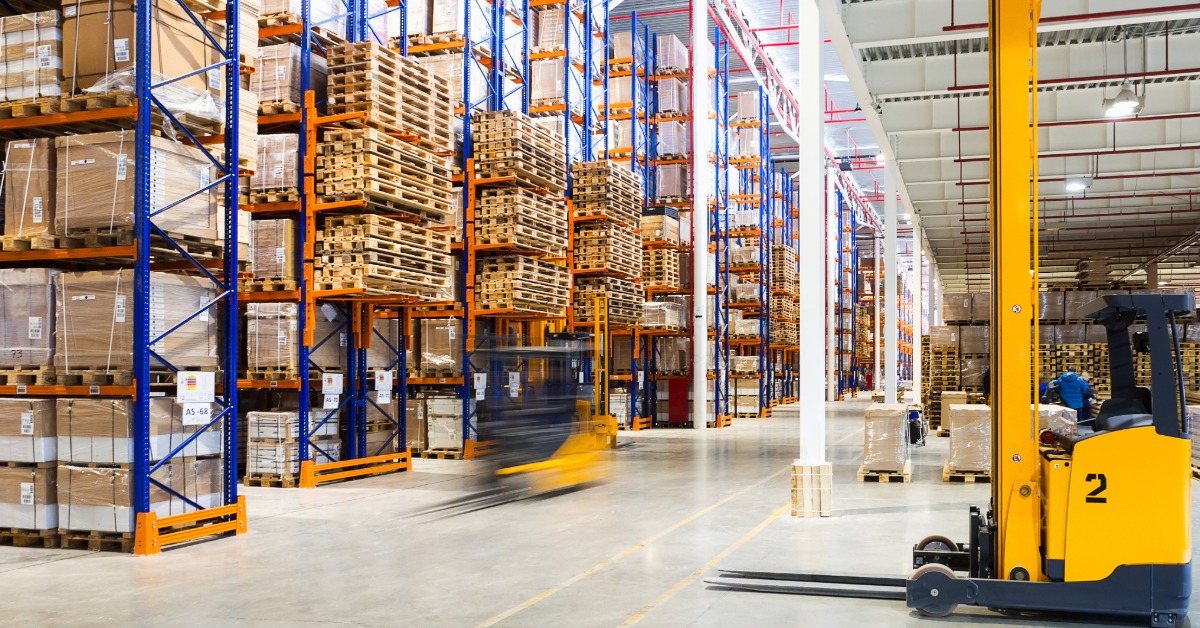
Modern warehouses in New Zealand rely on professional pallet racking services because expert design, compliant installation, and ongoing maintenance turn basic shelving into a safer, more efficient, and scalable storage system that supports daily operations and future growth.
Most warehouse teams underestimate how much layout, racking design, and maintenance quietly control their capacity, safety record, and ability to grow.
Warehouse operations have become far more demanding in recent years. Many businesses now manage larger inventories, tighter turnaround times, and more complex supply chains than ever before. Due to these growing pressures, operations must remain streamlined, as any type of inefficiency inside a warehouse can affect productivity.
This is where professional pallet racking services in NZ become valuable. Their expertise ensures that businesses are equipped with a pallet racking system that supports the operations of a busy and fast-moving warehouse environment. While pallet racking is often associated with storage alone, an expertly developed pallet racking system does more than hold inventory. Here are some reasons many warehouses continue to rely on professional pallet racking providers in New Zealand.
Professional pallet racking service providers can create a storage system that makes full use of a warehouse’s available space. They assess the floor area, ceiling height, aisle requirements, and access points before recommending a layout. This helps businesses avoid wasted space and make better use of areas that may otherwise be underutilised, allowing the warehouse to support greater demands more effectively.
A well-planned racking system also helps keep the movement of inventory more streamlined and organised. During the planning stage, warehouse consultants evaluate stock movement patterns to see how goods are received, stored, picked, and dispatched. This enables them to position racks in a way that supports the warehouse’s actual workflow. As a result, businesses can handle more inventory without compromising movement, visibility, or day-to-day efficiency.
A storage setup that works well for one business may not be suitable for another. Different warehouses often deal with different types of products, storage conditions, and operational requirements, which makes generic layouts impractical. That’s why professional pallet racking service providers take these differences into account when developing a racking solution. This way, they can design a pallet racking system that complements the way a business stores and handles its goods.
Several factors are considered when determining the right racking setup. These include product size, type, weight, and handling requirements. Each detail can influence the type of racking solution used and the load capacity required. They may also affect the level of access each storage area needs, as some goods may be retrieved more frequently than others.
Once these requirements are clear, professional consultants can recommend racking configurations that suit the warehouse’s actual storage demands. With the right setup in place, warehouses across different industries can operate with a storage system that better reflects the nature of their products.
Warehouse safety depends heavily on the condition and reliability of the storage system in use. Poorly installed or overloaded pallet racking can create serious hazards for workers, equipment, and inventory, which can lead to costly damage and avoidable downtime.
To minimise these risks, professional pallet racking systemss use durable materials and suitable racking components to support the loads of the warehouse. They also ensure that the systems are installed correctly and suited to the warehouse’s operational requirements. Proper installation helps create safer movement pathways for forklifts and other warehouse equipment, as adequate clearance reduces the likelihood of collisions or handling accidents.
Moreover, professionally installed systems often comply with New Zealand’s strict occupational safety standards. This gives businesses greater confidence that their storage setup meets industry accepted safety requirements. A safe and properly fitted racking system can mean fewer safety-related disruptions and structural concerns, enabling warehouses to maintain more reliable day-to-day warehouse operations.
Daily warehouse activity can place considerable strain on pallet racking systems. Constant loading, unloading, and equipment movement may eventually cause wear or structural damage that isn’t always immediately visible.
In this regard, reputable professional pallet racking service providers can offer ongoing inspections and maintenance support to manage these issues. Routine assessments allow them to detect potential problems and apply timely fixes before they develop into larger operational concerns. For instance, damaged components and loose fittings can be immediately repaired or replaced to prevent nearby sections from being affected. Also, sections that no longer suit current storage needs can be adjusted without compromising the rest of the racking system.
Access to ongoing support makes it easier for businesses to keep their pallet racking systems in good condition. This not only extends the useful life of the system, but it also ensures businesses can maintain a more reliable storage environment over time.
Warehouse requirements rarely stay the same for long. Growing businesses may eventually need to store larger volumes of inventory, accommodate new product lines, or adjust their storage setup to support changing operational demands. A pallet racking system that only suits current needs can become restrictive as these changes begin to take place.
Professional pallet racking service providers help businesses prepare for these situations. They offer scalable storage solutions that allow for additional sections, higher storage capacity, or future adjustments when required. This gives warehouses greater flexibility, as they comfortably respond to inventory demand without completely redesigning their existing warehouse setup.
A pallet racking system can influence how confidently a business manages its daily operations. It gives structure to the warehouse and helps create a more reliable environment for staff, equipment, and inventory. Professional providers of pallet racking services have the expertise needed to develop and install these systems properly, making them a valuable partner for long-term warehouse performance. With the right support, businesses can build a warehouse setup that’s safer, more practical, and better prepared for future demands.
Professional pallet racking services in New Zealand provide specialist design, supply, installation, and maintenance for warehouse storage systems so that racks are safe, efficient, and suitable for local operating conditions. These providers work with businesses to configure racking that fits their building, equipment, and inventory profile instead of relying on generic shelving solutions.
Warehouses should avoid DIY pallet racking installations because incorrect design, anchoring, or loading can create serious safety risks and reduce usable capacity. Professional providers understand load limits, clearances, and equipment requirements, so they can install systems that are more stable, easier to use, and better aligned with the warehouse’s daily operations.
Pallet racking in a busy warehouse should be visually checked regularly by staff and formally inspected on a routine schedule set with a professional provider. Frequent inspections help identify damage from impacts, overloading, or wear early, which allows for timely repairs and reduces the likelihood of unexpected failures or disruptions.
Yes, pallet racking systems can usually be modified as the business grows when they have been designed with scalability in mind. Professional pallet racking services often recommend configurations that allow for additional bays, higher levels, or layout changes so warehouses can adapt to new product ranges or higher stock volumes without starting from scratch.
Before contacting a pallet racking provider, it helps to gather information about your warehouse dimensions, ceiling height, current and forecast inventory levels, handling equipment, and any existing safety concerns. Sharing this detail early allows the provider to suggest more accurate layouts and solutions that match how your team actually uses the space day to day.