


What people say about your brand online can either fuel your growth or quietly erode it.
In 2026, online reputation management has become one of the most powerful factors influencing customer trust and buying decisions.
From Google reviews to social media mentions and third-party listing sites, today’s buyers form opinions long before they interact with your business directly. A single negative review, an outdated listing, or a delayed response can quickly snowball into lost business.
The good news? The online reputation management tools are evolving rapidly, offering real-time monitoring, automated workflows, and deeper insights than ever before.
In this blog, we’ll explore what online reputation management tools actually do, what to look for when choosing one, and compare the top seven tools of 2026.
Reputation management tools have become essential to modern business strategy because they offer the visibility, speed, and control needed to shape public perception rather than react to it.
Here’s why they matter:
In short, these tools allow businesses to monitor, manage, and improve their digital reputation at scale, making them a non-negotiable part of any growth-focused strategy in 2025 and beyond.
With so many tools on the market, choosing the right online reputation management software can feel overwhelming. Use this checklist, paired with practical, tool-specific questions, to evaluate which platform fits your needs in 2025 and beyond:
Are you looking to generate more positive reviews, respond faster to feedback, monitor brand mentions, manage listings, or all of the above?
Does the platform offer a clean, intuitive design for monitoring and responding to reviews across channels? Can users with no technical background navigate it confidently?
Look for a tool that covers the essentials your business needs today and can scale with you.
Can you collect, manage, and respond to reviews from all platforms in one place? Can you automate review requests via email or SMS?
Troof is an AI-powered customer feedback platform that helps businesses understand what their customers are really saying – across reviews, surveys, and support tickets.
It pulls all your feedback into one place, analyzes it automatically, and surfaces the insights that actually matter. So you can spot issues faster, improve what’s working, and grow without guesswork.
Can you create, schedule, and publish social media content directly from the platform? Does it track brand mentions and customer feedback across social channels in real time?
Does the tool help you manage and update business information across major directories from one place? Can it detect and fix inconsistent or duplicate listings automatically?
Does it track competitor reviews, ratings, and customer sentiment?
Can you benchmark your reputation performance against key competitors?
Can the tool identify trends in customer sentiment (positive, neutral, negative) automatically? Does it identify recurring themes in customer feedback over time?
Are the insights actionable? Can you track performance over time and share reports with your team?
Can you sync it with your CRM or other existing business systems for streamlined workflows?
Is support available when you need it via chat, email, or phone? Are there onboarding resources or training?
Does the platform comply with data protection standards like GDPR or HIPAA (if applicable)? Is your customer information safe?
Is the pricing transparent? Are you paying only for the features you need? Will it still offer value as you scale?
Now that you know what to look for, let’s explore the top online reputation management platforms making waves in 2025.
From automation to analytics, here are seven ORM software that stand out for their features, flexibility, and results.
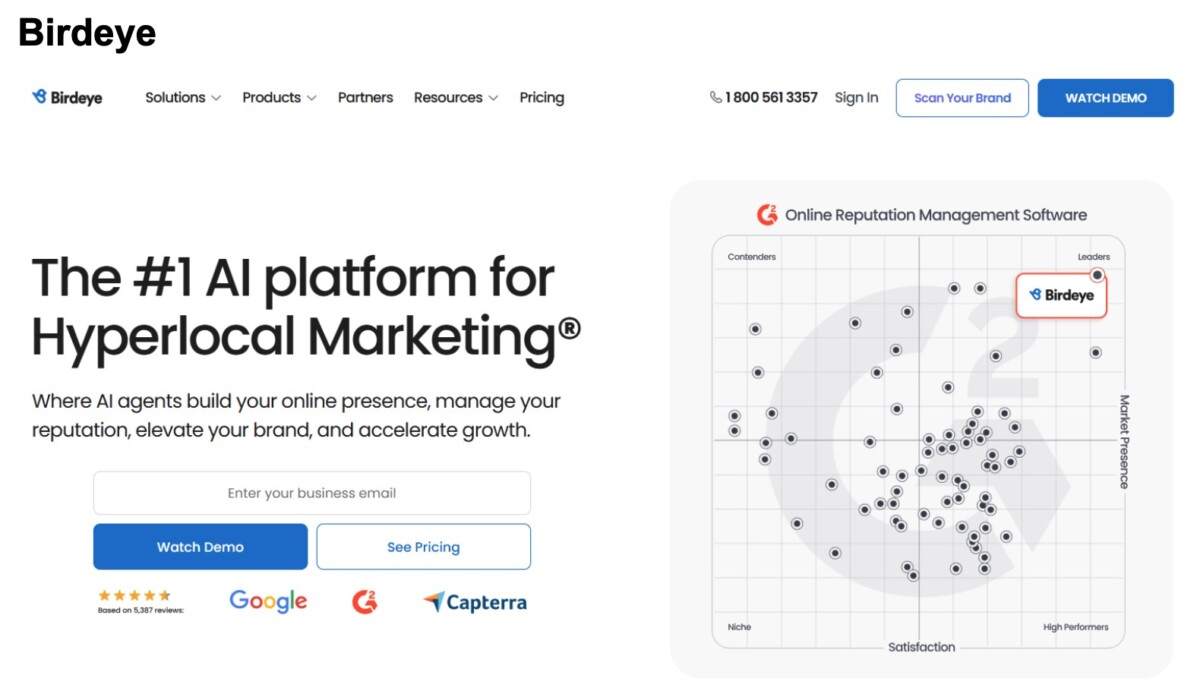
Birdeye offers a robust, all-in-one GenAI solution for enterprise-scale and multi-location reputation management, covering reviews, messaging, listings, and social media monitoring.
Pros:
Cons:
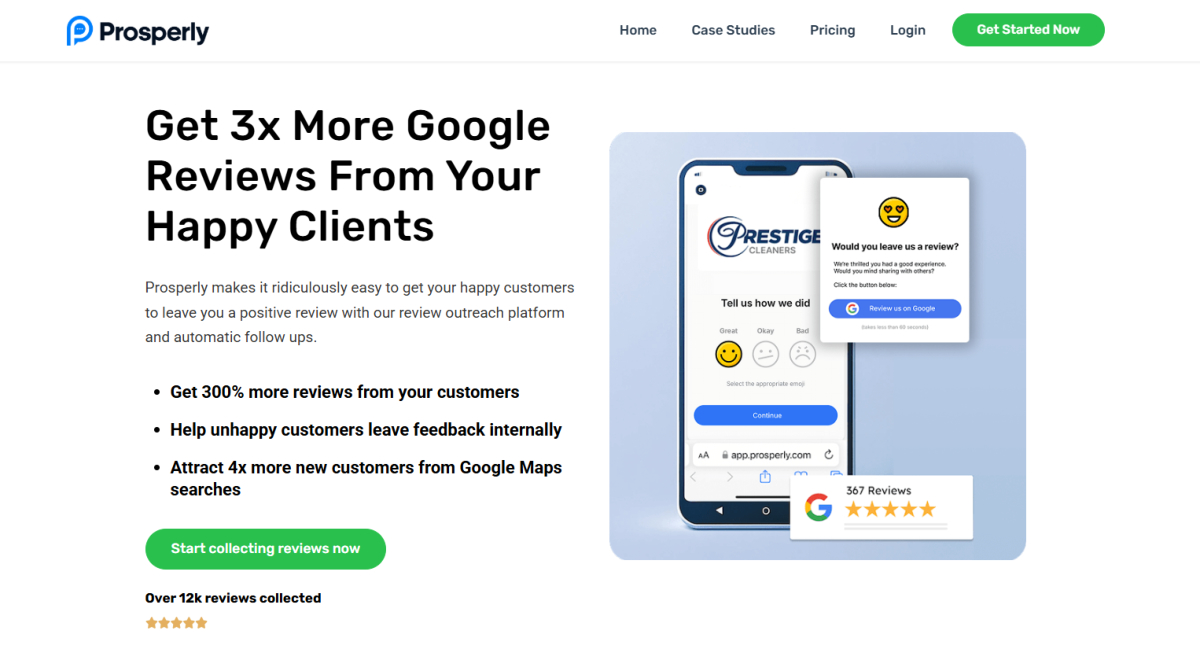
Prosperly is a reputation management tool focused on helping businesses collect more Google reviews but the tool will work with other review platforms as well.
Pros
Cons
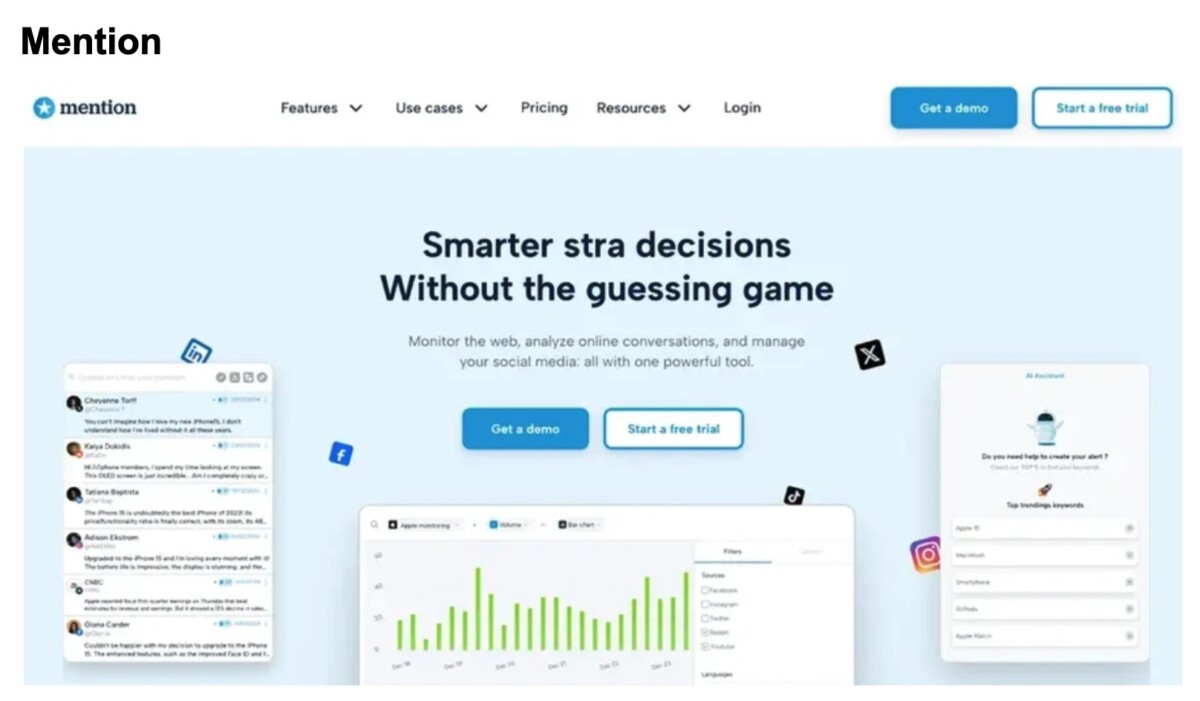
Mention is best known for its real-time social media and web monitoring. It excels at tracking brand reputation across forums and news sites.
Pros:
Cons:
Brand24 focuses on monitoring brand mentions and conversations across digital channels. It’s a strong fit for businesses focused on tracking public sentiment and trends.
Pros:
Cons:
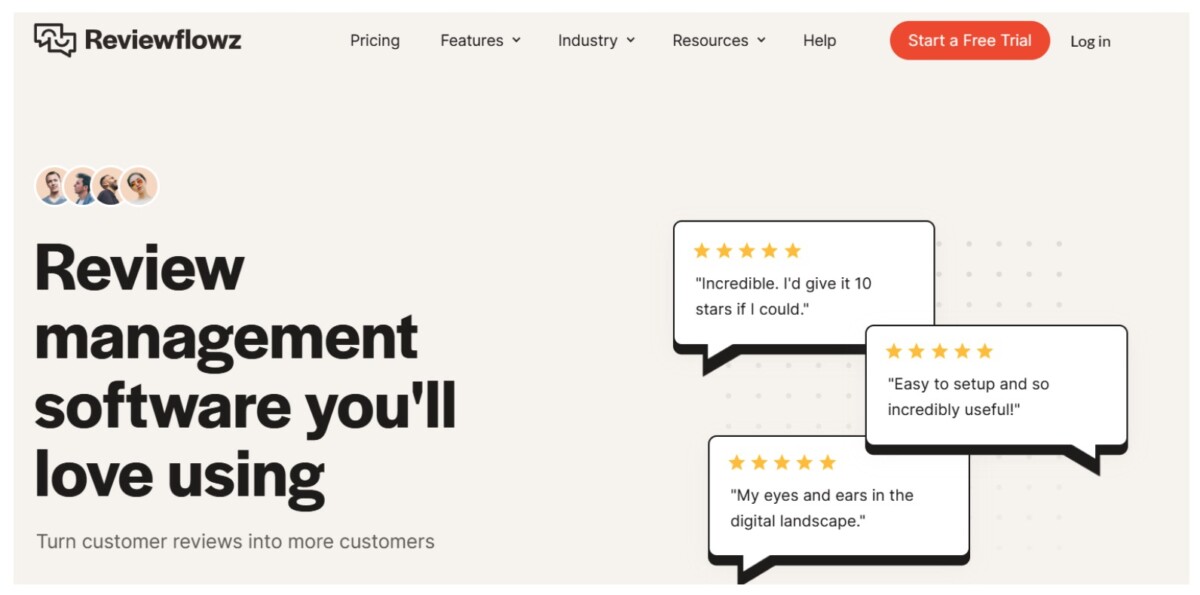
Reviewflowz is a focused solution for monitoring customer reviews across platforms. It’s especially popular with product-led and SaaS companies.
Pros:
Cons:
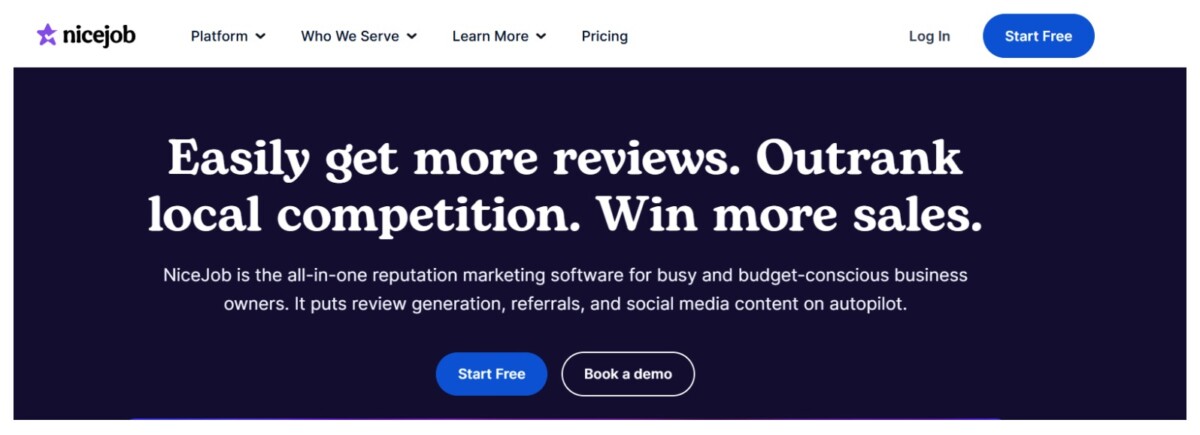
NiceJob is a reputation marketing platform known for streamlining review collection, social proof sharing, and referral campaigns. It’s especially popular with small and service-based businesses.
Pros:
Cons:
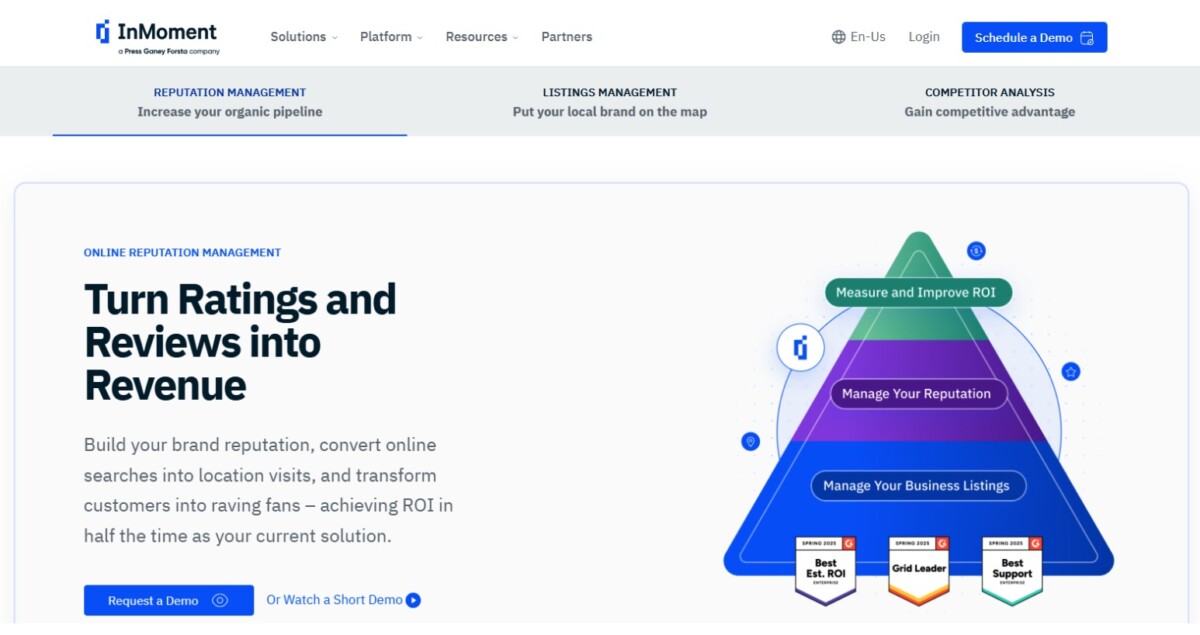
InMoment offers enterprise-level reputation and customer experience (CX) tools. It goes beyond monitoring to offer deep feedback analysis and voice-of-customer programs.
Pros:
Cons:
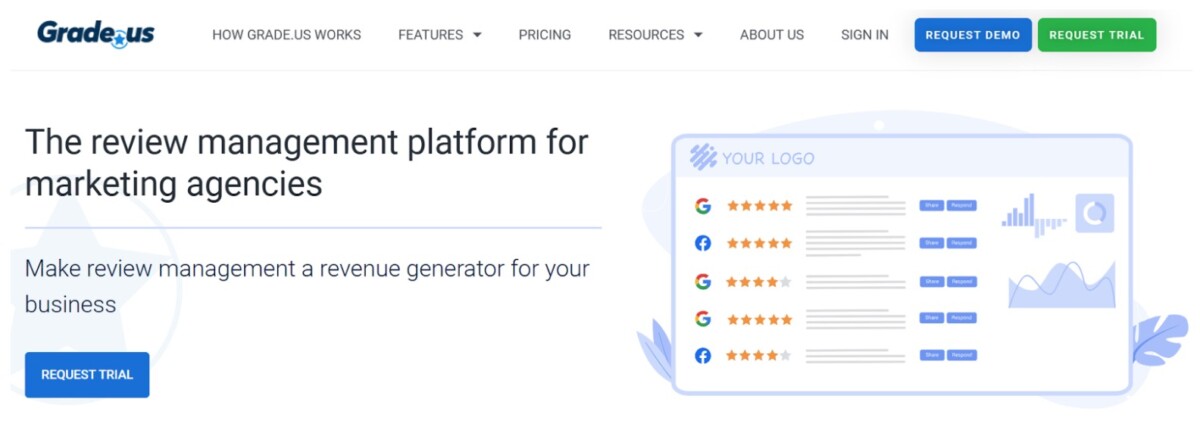
Grade.us focuses on helping businesses generate, manage, and market customer reviews. It’s ideal for agencies or local service providers looking to scale review collection and manage reputation.
Pros:
Cons:
Managing your online reputation isn’t just about damage control, it’s about building trust before people even visit your website. With the right tool, you can track feedback, respond efficiently, establish a presence on listing directories, and proactively address issues before they escalate.
Whether you’re looking for deep insights, automation, or simplicity, the list mentioned above covers a range of solutions that will suit your business needs. And if you’re dealing with persistent negative search results that won’t go away through standard review management, services like Push It Down specialize in suppressing damaging content and outdated information from Google’s first page using targeted SEO strategies.
Q: What is a reputation management tool?
A: An online reputation management (ORM) tool helps businesses track, manage, and improve how they’re perceived across digital platforms. This includes monitoring reviews, responding to feedback, analyzing customer sentiment, and managing mentions on social and news media.
Q: Which platform is best for reputation management?
A: Birdeye stands out for its all-in-one features, including review management, messaging, and analytics.
Q: Can I respond to reviews directly from these platforms?
A: Most tools like Birdeye, Soci, and Grade.us allow direct in-app responses.





