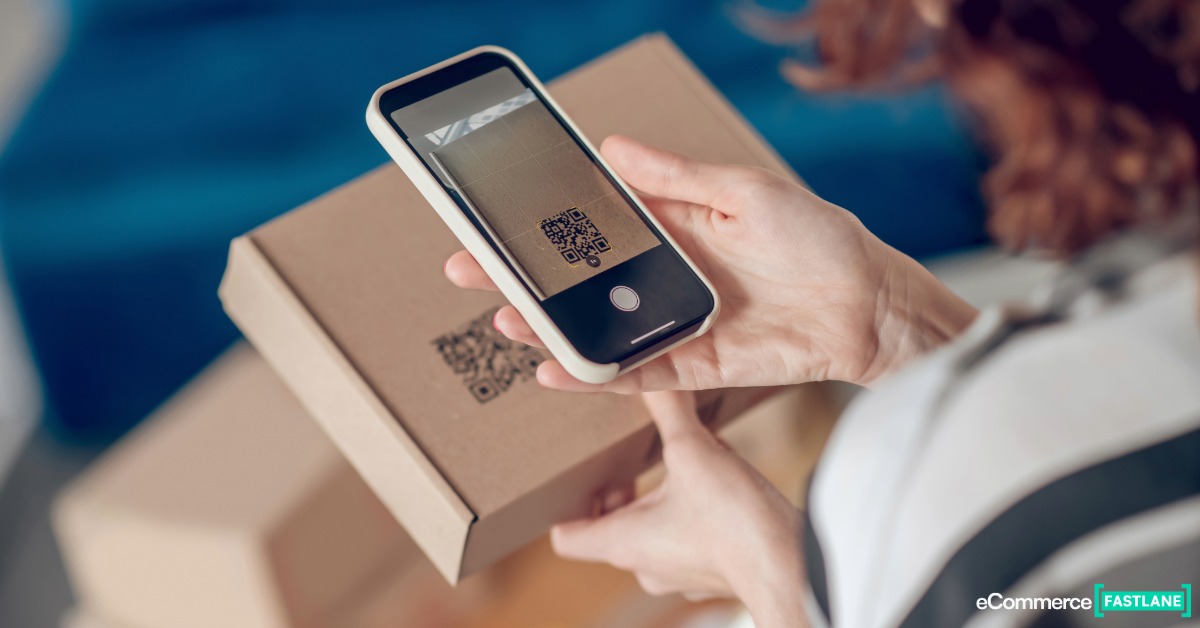
A product QR code generator lets brands turn every package into a digital touchpoint by linking a simple scan to product information, support, tracking, and campaigns, while dynamic QR codes keep that experience up to date without reprinting packaging.
When every product carries a scannable QR code that opens the right page in seconds, packaging stops being just printed real estate and becomes an always-current interface between customers and your brand.
A product qr code generator helps brands connect physical products with useful digital information. With a QR code for product information, companies can give customers quick access to product details, instructions, videos, manuals, ingredients, care tips, warranty pages, reviews, certificates, and support resources. Instead of printing too much text on a label or package, a brand can use one clear QR code that opens the right information in seconds.
This is useful for almost any product category. Food brands can share nutrition details, allergen information, recipes, or sourcing stories. Beauty brands can explain ingredients, usage steps, and product routines. Electronics companies can link to setup guides, manuals, warranty forms, and support pages. Clothing brands can share size charts, care instructions, styling tips, and sustainability details.
A product qr code generator also helps make packaging cleaner and more flexible. Product labels often have limited space, especially on small boxes, bottles, jars, tags, and inserts. A QR code gives customers access to extra information without making the package look crowded. This creates a better experience for buyers and gives brands more room to communicate.
A qr code for product information is one of the simplest ways to help customers understand a product before and after purchase. When shoppers scan a code, they can open a mobile-friendly page with clear details about what the product is, how it works, what it contains, and how to use it correctly.
This is especially helpful when customers need more than basic packaging text. A product label may show the main benefits, but the QR code can lead to deeper content. It can include product specifications, instructions, safety notes, tutorials, comparison charts, user guides, or frequently asked questions.
A qr code for product information can also reduce support requests. If people can quickly find setup instructions, troubleshooting steps, return policies, or warranty details, they may not need to contact customer service for simple questions. This saves time for both the customer and the business.
For products that require trust, QR codes can also support transparency. A brand can link to certificates, test results, sourcing details, sustainability information, or production stories. When customers can easily check this information, they may feel more confident about the product and the company behind it.
An online labels qr code generator helps brands create scannable labels that connect packaging to digital content. This is useful when printed labels need to stay clean, readable, and compliant, while still giving customers access to complete product details.
Labels often need to include important information, but there is not always enough space. A QR code can lead to extended product pages, ingredient lists, usage instructions, multilingual content, digital manuals, recycling guidance, or legal information. This is especially helpful for products sold in different markets or products that require detailed explanations.
An online labels qr code generator can also help businesses update information more easily. Printed labels may stay the same for a long time, but digital pages can be changed when needed. This is useful for seasonal offers, updated instructions, new product videos, customer education, or expanded product documentation.
For small businesses, online labels with QR codes can make packaging look more professional. A simple label with a clear code and short call-to-action can give customers a better experience without increasing print complexity. For larger brands, QR labels can support a more organized product information system across many items and categories.
The key is to make the scan useful. A QR code should not lead to a random homepage if the customer expects product details. It should open a relevant page that matches the message on the label.
A qr code for product tracking can help businesses and customers follow important product information across the product journey. Depending on the use case, the code can connect to batch details, origin information, shipping updates, inventory data, authenticity checks, warranty registration, or product lifecycle content.
For customers, tracking can build confidence. They may want to know where a product was made, how it was sourced, whether it is authentic, or how to register it after purchase. A scannable QR code makes this process easier and faster.
For businesses, a qr code for product tracking can support internal organization and customer-facing transparency. Different products, batches, or packaging versions can be connected to different pages or data sources. This can help brands manage product information and understand how customers interact with items after purchase.
Product tracking is especially useful for industries where trust and accuracy matter. Food, cosmetics, supplements, electronics, fashion, medical-adjacent consumer products, and high-value goods can all benefit from clearer tracking and verification options.
A QR code can also support returns, recalls, or support processes. If a customer needs help, the code can lead to the correct product page, model number, batch information, or customer service form. This makes the process more efficient and reduces confusion.
Dynamic qr codes for product packaging are useful because they give brands more flexibility than static codes. A static QR code usually points to one fixed destination. If the link changes, the code may stop being useful. A dynamic code can allow brands to update the destination or manage campaign content without reprinting the packaging.
This is valuable for product packaging because print runs can be expensive. A company may print thousands of boxes, labels, or inserts at once. If the brand later wants to update a landing page, add new instructions, change a campaign, or improve the customer journey, dynamic qr codes for product packaging can make that easier.
Dynamic QR codes can also help with marketing campaigns. A product package can link to a seasonal offer during one month, a loyalty program during another, and a product education page later. This gives brands more control over what customers see after scanning.
Another benefit is performance tracking. Businesses can use scan data to understand how often people interact with packaging, which products get more scans, and which campaigns attract attention. This can help improve future product communication and marketing strategy.
However, the customer experience should always stay clear. The QR code should open content that is relevant to the product. If the destination changes, it should still match the call-to-action printed near the code.
To get the best results from a product qr code generator, start with a clear purpose. Decide what the customer should get after scanning. It may be product information, instructions, tracking details, a warranty form, a discount, a review page, or support content.
The QR code should be easy to scan. Use strong contrast, enough empty space around the code, and a size that fits the packaging. Avoid placing the code on folds, seams, curved surfaces, or areas that may be damaged during shipping or handling.
A short call-to-action can improve scan rates. Phrases like “Scan for product details,” “Scan for instructions,” “Scan to track product,” “Scan for warranty,” or “Scan for care tips” help customers understand why the code is useful.
The landing page should be mobile-friendly, fast, and simple. Most customers scan QR codes from phones, so the page should load quickly and show the most important information first. Before printing, test the code on different devices and in normal lighting conditions.
A product qr code generator is a practical tool for brands that want to make products more informative, interactive, and customer-friendly. It helps connect packaging, labels, and product materials with useful digital content.
With a clear qr code for product information, an effective online labels qr code generator, a reliable qr code for product tracking, and flexible dynamic qr codes for product packaging, businesses can improve transparency, support customers, and turn every product into a smarter digital touchpoint.
Your product QR code should link first to the single most helpful page for a customer holding that product, usually a dedicated product details or support page rather than a generic homepage.
From there, you can branch into additional content like manuals, videos, tracking, and reviews, but the initial landing should match the promise printed near the code so the scan feels immediately useful.
Static QR codes are fine when you are confident the destination will not need to change for the life of the packaging, such as a stable product information page.
Dynamic codes make more sense when you expect to update content, run time-bound campaigns, or track performance over time, because they let you change the destination without reprinting labels or boxes.
Product QR codes reduce support workload by giving customers instant access to setup guides, troubleshooting steps, FAQs, and policy information directly from the product, which answers many basic questions without a ticket.
When people can self-serve common issues through a well-structured mobile page, your support team can focus on complex cases instead of repeating the same instructions over email or chat.
The most important design rules are high contrast between the code and background, enough clear whitespace around the code, and an appropriate size relative to scanning distance.
You should also avoid placing codes on curved or folded areas or where they may be scratched or distorted, and always test scans on multiple phones and under normal lighting before finalizing artwork.
If your campaigns change regularly, dynamic QR codes give you the flexibility to update destinations while keeping the same printed code live and consistent.
When updating, make sure each new destination still aligns with the printed call-to-action near the code so that customers see content that matches what they were promised at the moment of scanning.