
Q4 eCommerce strategy isn’t just another quarter, it’s the main event for eCommerce.
From October through December, nearly 40% of annual online sales occur. Shoppers wait all year for the biggest retail moments: Prime Day, Singles’ Day, Black Friday, Cyber Monday, Christmas, and Boxing Day.
It’s a season of massive opportunity, but also fierce competition.
Some brands finish December with record-breaking growth and a wave of new loyal customers. Others close the quarter with overspent ad budgets and lost opportunities.
So what separates the winners from everyone else?
At AdScale, we analyzed millions of transactions and cross-year performance data to uncover the consistent patterns that define successful Q4 campaigns.
This guide will show you how to use those insights to focus your budget, attract loyal customers, and protect your brand when competition peaks, all part of a winning Q4 eCommerce strategy.
The fourth quarter is more than just a sales surge, it’s the foundation for next year’s revenue. Recent Shopify data shows that global online sales during Q4 continue to grow year over year, with mobile shopping driving a significant share of revenue.
A winning Q4 eCommerce strategy strategy can help you:
But this opportunity isn’t yours alone. Competitors are investing aggressively, targeting both your potential customers and your current ones.
That’s why top-performing brands focus on two parallel strategies:
Let’s look at how each one works.
In Q4, ad competition skyrockets, which means every dollar must work harder.
The goal isn’t simply to increase order volume; it’s to attract profitable customers who stick around. This is where a well-built Q4 eCommerce strategy becomes essential, one that balances new acquisition with long-term retention
Smart acquisition begins with analyzing AOV (Average Order Value) and LTV (Lifetime Value).
By identifying these high-value segments, you can focus your budget on audiences that deliver real ROI, not just one-time holiday shoppers.
Divide your audience into 7–10 customer segments based on basket value or LTV.
Then focus your investment on the top 3–4 segments that generate the majority of income.
This ensures you’re spending where it matters most, on the customers who will keep coming back in Q1 and beyond.
Use data-driven platforms like Google Ads and Meta to build Lookalike Audiences based on your best customers.
These algorithms identify people similar to your highest-value buyers, helping you reach new prospects who are more likely to convert and become loyal. According to Google Ads’ official holiday marketing guide, shoppers start researching products and comparing deals weeks before the actual sale days.
Shoppers expect deals in Q4, but price cuts alone rarely build loyalty.
Use value-based messaging that highlights quality, service, and brand experience. This helps turn deal-seekers into repeat customers who buy again after the holidays.
Data shows that campaigns focused on “value + experience” outperform pure discount messaging in customer retention and post-Q4 revenue.
Losing existing customers in Q4 is one of the most costly mistakes a business can make.
Competitors launch aggressive campaigns to lure your buyers with limited-time offers, early access, and deep discounts.
And if a loyal customer switches once, you don’t just lose a single sale. You lose all the future purchases that customer could have made.
That’s why smart brands invest heavily in brand defense, keeping customers close through engagement, early offers, and loyalty programs.
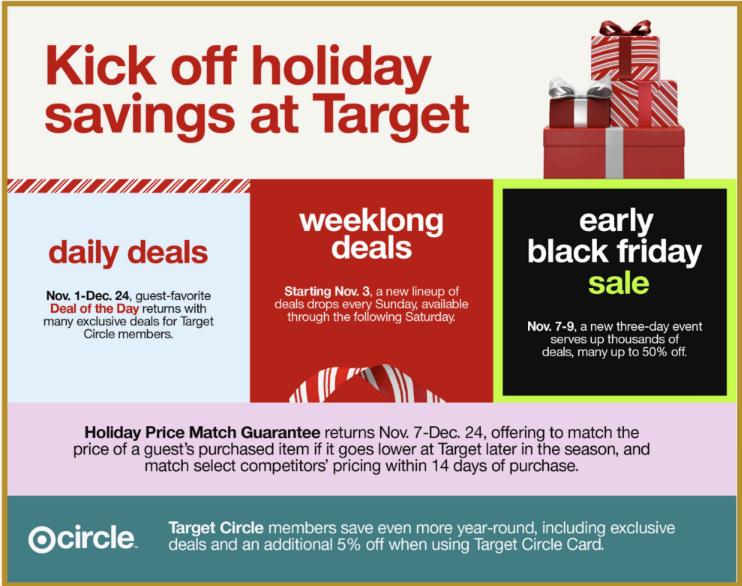
With nearly 100 million loyalty members, Target begins its holiday promotions weeks before major sale days. They offer early access to deals and a Holiday Price Match Guarantee, ensuring shoppers never feel the need to browse elsewhere.
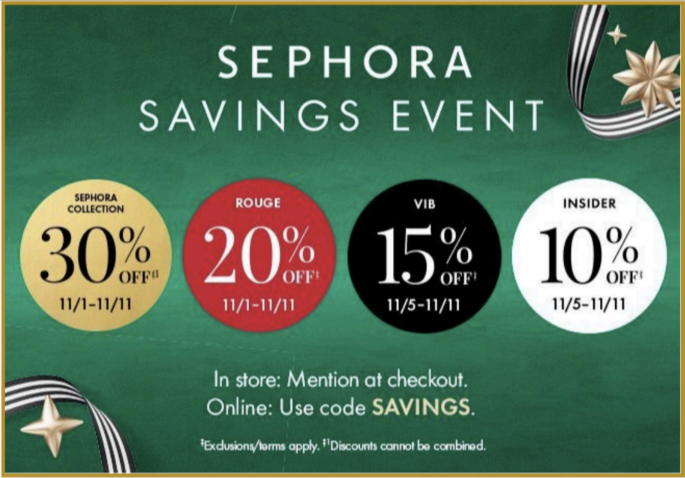
Sephora’s Beauty Insider program rewards loyalty with tiered discounts.
Higher-tier members get the best deals, creating a sense of exclusivity that keeps them from chasing other offers.
The Canadian mattress brand builds a large email list and sends personalized “early access” offers to loyal buyers. This approach locks in sales before the holiday rush even begins.

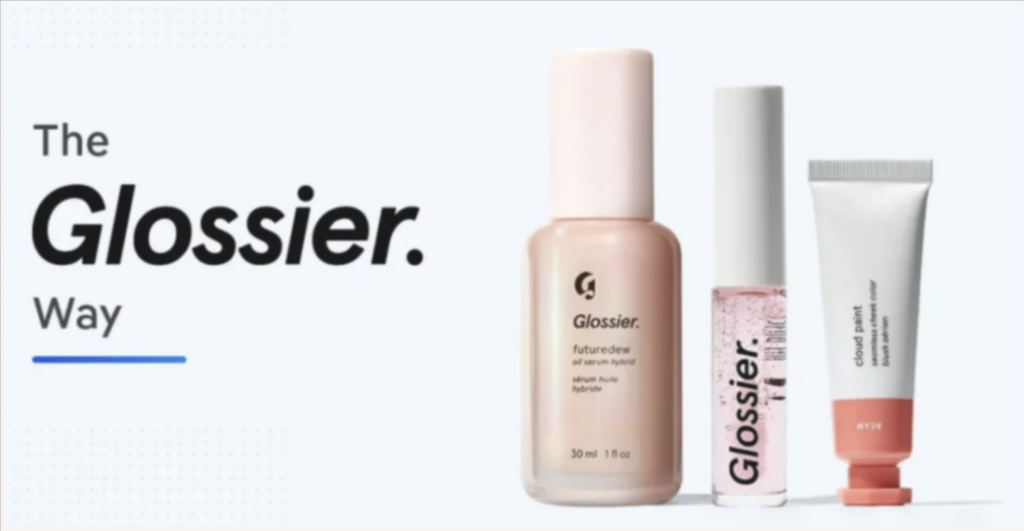
Glossier runs only one sale per year, Black Friday.
This scarcity creates anticipation and trust: customers know this is the best deal they’ll get, so there’s no reason to look elsewhere.
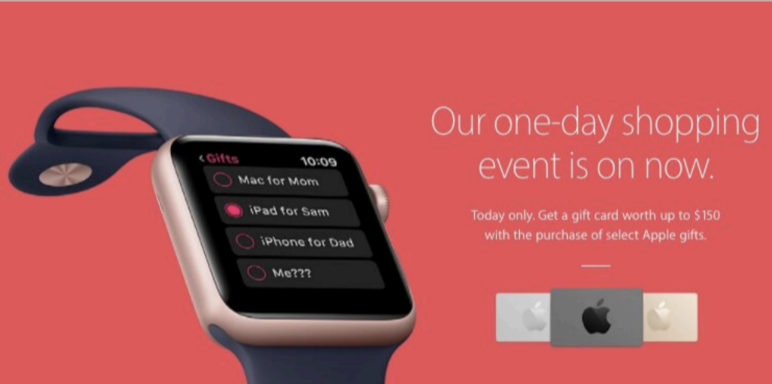
Apple rarely discounts. Instead, it offers gift cards with select purchases, boosting perceived value while maintaining brand integrity. These incentives keep customers within the Apple ecosystem, increasing lifetime value.
Shared Secret:
Top brands don’t just react to Q4, they prepare their customers weeks in advance. They build relationships and make sure buyers are already emotionally and practically committed before competitors can even try to tempt them.
Success in Q4 comes down to a simple equation:
Precise Acquisition + Smart Retention = Sustainable Growth
Here’s what that looks like in practice:
When executed together, these tactics form the backbone of a high-performing Q4 eCommerce strategy that delivers measurable results.
Q4 can make or break your year, but it’s also the perfect opportunity to set your business up for lasting success. When you combine data-backed acquisition with strategic retention, you don’t just win the holidays… you build the foundation for next year’s growth.
At AdScale, we help eCommerce brands use AI-driven insights and automation to execute both strategies with precision, so you can maximize every click, every conversion, and every customer relationship.
Q4 is the quarter that defines your year.
Without a clear strategy, it’s easy to waste budget and lose ground.
With the right approach, you can exit December with a stronger customer base, higher profitability, and momentum that carries into the new year.
Don’t just survive Q4 – win it.
📞 Want expert help planning your Q4 strategy?
Let AdScale’s AI-Advertising platform help you target high-value audiences, automate smart campaigns, and protect your brand when it matters most.
👉 Book your Q4 Strategy Session
FAQs
A Q4 eCommerce strategy is a marketing and sales plan designed for the final quarter of the year, October through December. It focuses on maximizing sales during high-demand shopping events like Black Friday, Cyber Monday, and Christmas, while also building long-term customer relationships for continued growth into the next year.
Q4 often represents nearly 40% of annual revenue for many online stores. Shoppers spend more, and competition intensifies. A clear Q4 strategy helps brands focus their ad spend, attract the right customers, and protect loyal buyers from competitor campaigns.
Focus your acquisition campaigns on data-driven targeting. Use metrics like AOV (Average Order Value) and LTV (Lifetime Value) to identify your best customer segments. Then, build Lookalike Audiences on platforms like Google Ads and Meta to reach new prospects who behave like your most profitable customers.
A brand defense campaign helps protect your existing customers during competitive sales periods. It includes tactics like early-access offers, loyalty rewards, and personalized communication that keep your audience engaged, and prevent them from switching to a competitor’s promotion.
AdScale uses AI-driven automation and predictive analytics to optimize your marketing budget across channels like Google, Meta, and Microsoft. It helps you target high-value customers, reduce wasted spend, and run retention campaigns that protect your brand during Q4 and beyond.





