Look at any successful company and you will see the team is part of a positive, empowering, inclusive culture. While culture forms “organically” in many businesses, companies with a clear mission, vision, and purpose take mindful steps to build and shape their company culture to support their growth trajectory.
In this episode of The Rebound, Australian futurist, author, and entrepreneur Steve Sammartino; Creative Director Tommy McCubbin; award-winning television presenter Rad Yeo; and APAC Marketing Lead at Shopify Bertie Ocampo break down how to build a great culture within your business to support success.
When managing a growing team, it often can be challenging to ensure everyone collectively embraces your company culture. But there are a few things you can do as a leader to proactively ensure everyone is on board, says APAC Marketing Lead at Shopify Bertie Ocampo. As a start, Bertie suggests trying to conduct one-on-one meetings.
“As leaders, our role is to continuously develop our people, teaching them new skills, and encouraging them to take on new and greater opportunities,” she says. “Development, though, can feel like a minefield. So how do you teach new skills without micromanaging, and how can you provide feedback without seeming critical? If you want to create a culture of learning, there’s no substitute for holding a regular meeting to discuss work and provide feedback.”
Bertie recommends breaking your one-on-one meetings down into three key components:
“Building a culture of trust and candour is challenging, and it doesn’t happen overnight,” she says.
Establishing and sticking to a rhythm of regular one-on-ones will foster the relationships you need to take your team to the next level.”
When a startup launches, there are a few key things its founders should do to develop and sustain a strong company culture.
Bertie explains that building a company culture doesn’t start on Day 1, it starts before Day 1. In fact, the minute you have two people working together, you’re already developing an organisational culture, identity, and values.
“As an entrepreneur, you probably have in your head some idea of what you want your company to be like. Be intentional about the values and the culture of your organisation,” Bertie says. “If you’re not out in front of that culture curve, steering it and setting the tone, a tone could develop which you might or might not like. Being intentional, starting it on Day 1 or starting it on Day 0 is absolutely critical.”
Many companies have recently transitioned to working 100% remotely. With this comes a whole set of challenges in regard to maintaining and building a strong company culture.
Bertie says, “One of the best things you can do for your company is to create a positive company culture—and when your employees are working remotely this is absolutely vital.”
Below are four leading strategies Bertie suggests businesses can use to create a positive company culture with their remote team.
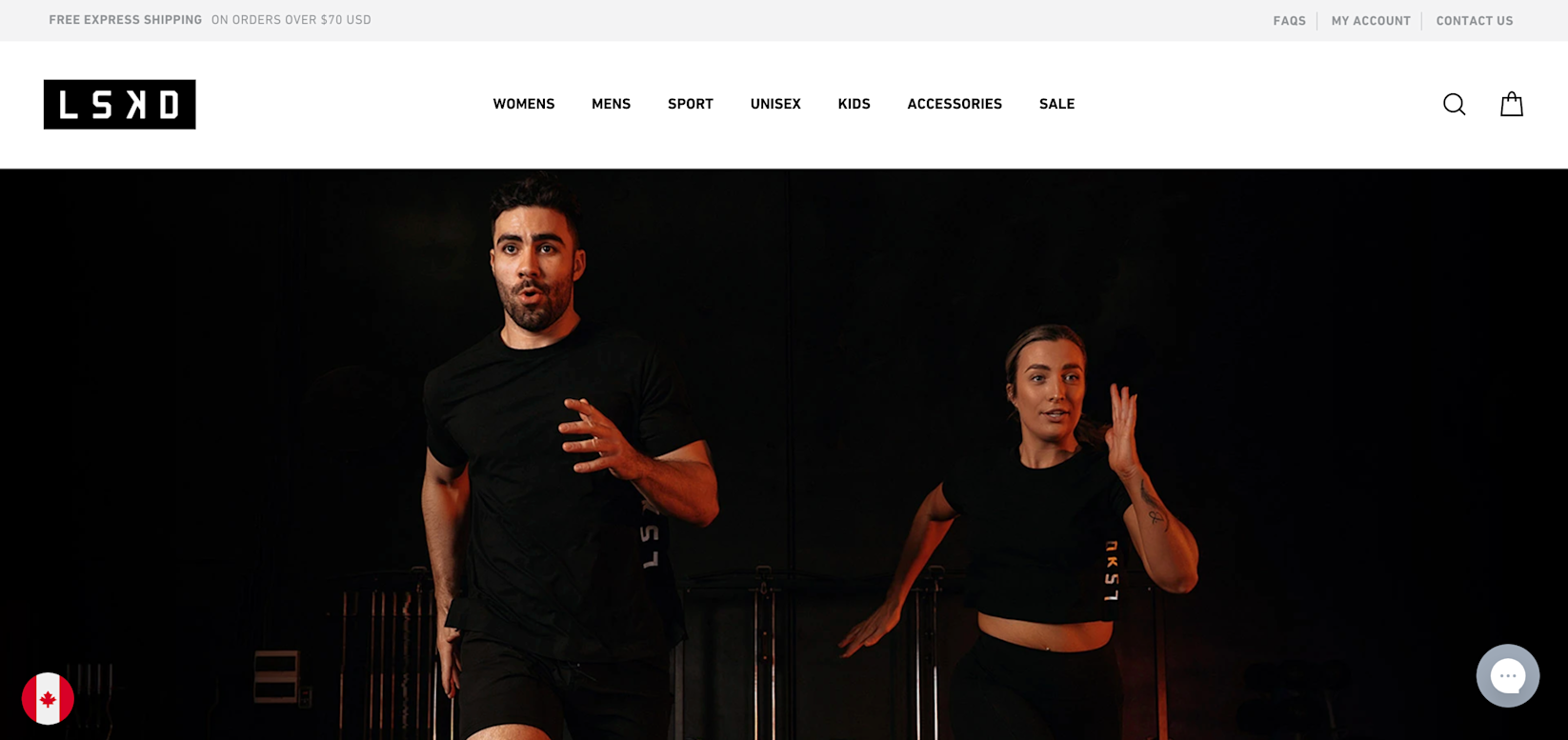
Australian fashion brand LSKD is built on culture from the inside out, with its team living and breathing the lifestyle they create products for, which is men’s and women’s clothing. LSKD comes from a nickname founder and CEO Jason Daniel had when he was playing motocross. His peers would call him “loose kid.”
Jason says culture is huge at LSKD, “We want to make sure we inspire our team internally to chase the vibe, which is a big part of how we built our culture internally. We wanted to bleed externally. We thought if we got it right internally first, it bleeds out externally.”
As LSKD built out its values, Jason says he wanted his team to “chase the vibe,” which is the company’s mantra.
“It wasn’t about work,” Jason says.
We wanted them to be career-driven, but we also wanted them to have fun and enjoy the journey at the same time.”
Jason recommends organisations make sure they tie what they stand for in with their values and their mission.
Shopify has been an ideal platform for LSKD, as it lets the team focus on the brand and building community as opposed to having to work on the back end more than some of these other platforms.
Jason says:
We can focus on the brand community and our mission more than on the platform itself.”