

Verified & Reviewed
Published on June 15, 2026 Written By Rachel Hand
Published on June 15, 2026 Written By Rachel Hand

Subscribe for More
Shipping transparency has evolved from a nice-to-have into an essential part of ecommerce. It gives customers full visibility from purchase through delivery and returns, including live tracking, upfront shipping costs, accurate delivery windows, and straightforward return policies.
When done right, transparent shipping builds trust, reduces support tickets, and drives repeat purchases for ecommerce brands. Leading brands have transformed shipping from a pain point into a competitive advantage that creates loyal customers.
This guide walks you through how to leverage shipping transparency to turn shipping from a pain point into a competitive advantage. It covers key elements of transparency, its business benefits, and practical implementation steps. You’ll also discover how the right fulfillment partner can make achieving shipping transparency surprisingly simple, even for growing brands.
Why shipping transparency is non-negotiable
Today’s shoppers expect the same visibility with their online purchases that they get from Amazon, DoorDash, and Uber.
A basic “your order has shipped” email falls short when customers are used to watching their coffee delivery navigate through traffic in real-time.
For ecommerce brands across all categories, shipping transparency has evolved from a competitive advantage to a basic customer expectation.
This matters even more for DTC and omnichannel brands who manage the entire customer relationship without the safety net of marketplace infrastructure. Every delivery issue reflects directly on your brand.
🤝 Trust and customer experience
Effective shipping transparency begins on your product page with clear delivery timelines, continues with proactive updates at each milestone, and eliminates surprise fees or delays.
✅
When done right, the benefits are immediate: higher NPS scores, increased repeat purchases, and loyal customers who become brand advocates through reviews and social media.
🚫
When transparency fails (through unexpected fees, late deliveries, or lack of communication), customers remember. In subscription-based categories like beauty and wellness, this broken trust can cost you years of recurring revenue, not just a single sale.
👷 Operational efficiency and team workload
“Where is my order?” dominates customer service inquiries for most ecommerce brands. These WISMO tickets drain support resources that could be focused on more complex issues or revenue-generating activities.
Self-service tracking through branded pages, SMS updates, and proactive notifications dramatically reduces these inquiries.
Beyond customer service benefits, shipping transparency improves your entire operation. They provide real data for more accurate inventory forecasting, labor planning, and marketing campaign timing based on actual delivery windows.
⚖️ Regulatory and ethical obligations
Shipping transparency is increasingly becoming a legal requirement, not just a best practice. The FTC now closely monitors hidden fees and misleading shipping claims, while EU regulations require upfront disclosure of all costs, including international duties and taxes.
These regulations align with growing consumer interest in ethical business practices. Today’s customers want transparency about not just delivery timing but also sustainability, from packaging materials to carbon-neutral shipping options and responsible returns handling.
For brands with sustainability or ethical sourcing claims, shipping transparency reinforces your broader commitment to responsible business. When customers can see exactly how their order moves through your supply chain, you build credibility for all your brand promises.
The four pillars of shipping transparency
Creating a transparent shipping experience requires a comprehensive approach rather than a single solution.
These four pillars transform shipping from a source of anxiety into a competitive edge that drives customer loyalty.
1. Real-time visibility and shipper transparency
While shipping transparency covers the entire customer experience, shipper transparency specifically refers to visibility into your carriers’ performance and costs. Customers expect:
- Live tracking links that show real-time package location.
- Clear status updates in customer-friendly language.
- Delivery estimates that adjust based on actual transit progress.
- Proactive notifications about changes or delays.
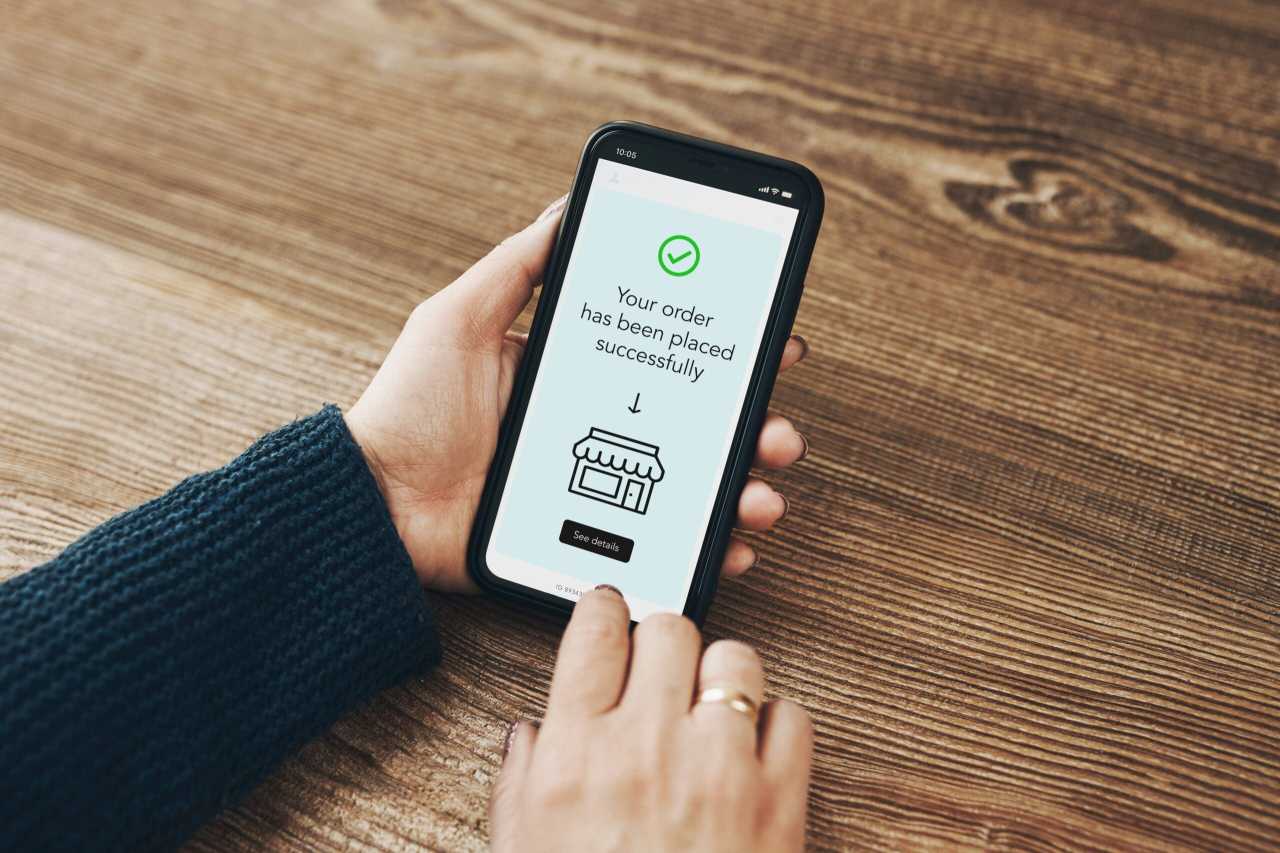
Effective systems provide consistent tracking information across multiple channels (e.g., your website, email, SMS, and mobile apps), giving customers confidence their order is on track.
2. Upfront and accurate shipping costs
Surprise fees at checkout destroy trust instantly. True cost transparency means showing customers exactly what they’ll pay before they even add items to their cart, including:
- Base shipping rates for all service levels.
- All applicable taxes and duties.
- Any carrier-specific fees.
- Clear explanations for each charge.
The goal isn’t offering the cheapest shipping; it’s ensuring customers understand exactly what they’re paying for. Transparent pricing builds confidence and reduces support tickets, negative reviews, and customer churn.

3. Predictable returns and refunds
Often overlooked, returns transparency is critical for ecommerce brands. A transparent returns process includes:
- Plain-language return policies that are easy to find.
- Instant return authorization without multiple approvals.
- Immediately available prepaid return labels.
- Automated refund processing with clear timelines.
- Real-time updates on return status.
The best experiences remove friction at every step, allowing customers to initiate returns in seconds and track them just as easily as their original orders.

4. Customs, compliance, and cross-border clarity
International shipping creates numerous opportunities for confusion. Transparent cross-border shipping starts with explaining Delivery Duty Paid (DDP) and Delivery Duty Unpaid (DDU) to customers.
- DDU: The customer pays shipping at checkout, but customs duties and taxes are also due when their package arrives.
- DDP: All costs (shipping, duties, taxes) included at checkout. No surprise fees on delivery
Complete international transparency also requires accurate duty calculators, clear documentation requirements, realistic delivery timeframes, and proactive communication about potential customs delays.

These four pillars reinforce each other: real-time visibility reduces anxiety, upfront pricing prevents surprises, clear returns policies build purchase confidence, and international transparency enables global growth. Together, they transform shipping from a necessary cost into a reason customers choose your brand repeatedly.
A step-by-step roadmap to implement shipping transparency
Implement shipping transparency without overhauling your entire operation overnight. With these focused steps, you can create a transparent shipping experience that delights customers and streamlines operations within a single quarter.
Audit your current shipping data and fees
Start by analyzing your last 90 days of shipping data. Gather carrier invoices, fulfillment bills, and support tickets — particularly “Where is my order?” (WISMO) inquiries. If these exceed 15% of your tickets, you have clear room for improvement.
Compare what you’re actually paying versus what customers see at checkout. Many brands unknowingly absorb hidden surcharges like residential delivery fees and dimensional weight adjustments that erode margins by 2-3% per order. Document these gaps to guide your transparency initiatives.
Choose technology for end-to-end visibility
Invest in technology that illuminates your entire fulfillment process from warehouse to doorstep. Look for:
- Real-time tracking APIs with automatic updates.
- Comprehensive order status logs.
- Analytics dashboards for shipping performance.
- Integration with your existing tech stack.
Prioritize platforms that make tracking information accessible across multiple channels, such as email, SMS, branded tracking pages, and customer portals.
Surface costs and delivery timelines at checkout
Transparency begins at checkout, where unclear shipping costs drive cart abandonment. Balance your approach: dynamic rate shopping offers maximum transparency but can overwhelm, while flat-rate shipping simplifies but may not suit all products.
Always show specific delivery dates rather than shipping speeds – for example, “Arrives by Thursday, January 23” beats “5-7 business days.” A/B test different approaches to find what drives conversions while maintaining transparency, and be crystal clear about international customs fees to prevent trust-destroying surprises.
Automate proactive notifications and self-serve tracking
Create an automated communication flow for key milestones:
- Order confirmed: Immediate confirmation with delivery estimate
- Shipped: Tracking number and direct carrier link
- In transit: Updates about any changes or delays
- Out for delivery: Morning notification on delivery day
- Delivered: Confirmation with delivery photo when available
Keep messages concise with clear links to your tracking page. Balance communication frequency by using SMS for time-sensitive updates and email for general information.
Build a transparent returns workflow
Create a frictionless returns process customers can navigate without contacting support:
- Initiate return: Self-serve portal for selection and reason
- Instant approval: Automated for policy-compliant returns
- Return label: Immediately available for printing
- Status tracking: Updates throughout the return journey
- Refund processing: Clear timeline for payment
Display your return policy prominently with specific timelines, condition requirements, and any fees. The clearer your policy, the fewer support questions you’ll receive and the more confident first-time buyers will feel.
The business case: ROI of transparent shipping costs
Shipping transparency isn’t just good customer service; it also delivers measurable financial results. When customers can see exact shipping costs, delivery times, and order status, your bottom line benefits directly.
Reduced cart abandonment and higher LTV
Cart abandonment often boils down to surprise costs that appear at the last moment – especially unexpected shipping fees.
Clear shipping costs from product page to checkout boost conversion rates immediately. Customers who know the total cost upfront are more likely to complete purchases and return for future orders, increasing their lifetime value.
Price transparency also encourages strategic shopping behaviors that benefit your business, like adding items to reach free shipping thresholds or selecting economical delivery options.
These customer choices often increase average order values while giving shoppers control, creating sustainable growth.
Fewer support tickets and lower CX spend
“Where is my order?” tickets drain resources, and cost valuable time, energy, and money to resolve.
Real-time tracking, accurate delivery dates, and proactive notifications eliminate most of these inquiries. Brands typically see WISMO tickets drop 30-50% within three months of implementing shipping transparency.
This frees your support team to focus on valuable interactions instead of package tracking. They can help with product recommendations, solve complex issues, and convert unhappy customers into loyal fans, all while reducing support costs and improving satisfaction scores.
Better carrier negotiations and cost control
When they dig into shipping costs, most brands discover they’re overpaying thanks to hidden surcharges, dimensional weight errors, and billing mistakes.
With full visibility into shipping costs, you can identify key patterns:
- High-cost shipping zones where distributed inventory would save money
- Frequency of residential delivery fees and address correction charges
- Packaging that triggers unnecessary dimensional weight costs
- Which carriers deliver best value for different service levels
This data strengthens your carrier negotiations. You’ll know exactly what you’re spending and which changes will most impact your business. Many brands reduce shipping costs through smarter packaging, better carrier selection, or negotiated surcharge caps. These are savings that directly improve your bottom line.
These benefits compound over time: lower abandonment increases revenue, fewer support tickets reduce costs, and better carrier rates decrease expenses. Together, they can add to your net margins.
How ShipBob delivers true shipping transparency
While many fulfillment providers talk about transparency, ShipBob actually delivers it through our comprehensive platform. We’ve built visibility into every step of the fulfillment journey, from inventory arrival to delivery and returns.
ShipBob’s shipping transparency advantages
- Complete order visibility: Track every scan and status update in real time through our merchant dashboard.
- Global shipping simplified: Automated customs documentation and duties calculation to 200+ countries.
- Streamlined returns: Transparent processing fees with automated workflows and clear status tracking.
- Unified data: Dozens of integrations connecting your entire tech stack for seamless transparency
Our platform gives both you and your customers unprecedented visibility into every order. You’ll see exactly when items are picked, packed, and shipped, while customers receive branded tracking updates that dramatically reduce WISMO tickets.
“ShipBob has allowed us to hand off so much of the daily, nitty-gritty tasks to experts, whether it’s creating the bill of landing, handling kitting orders, or even packing out products.
More importantly, ShipBob does all these things well. Orders are packed correctly, tracked meticulously to provide us with complete visibility, and arrive on time. It’s helped us keep our customers and retail partners happy and grow our customer base with far less effort.”
Hayden Pembridge, Director of Operations at Nood
With ShipBob’s billing dashboard, you’ll know exactly what you’re paying for, from storage costs by SKU to shipping rates by carrier. Our analytics tools help you optimize shipping strategies, reduce costs, and ensure your checkout pricing accurately reflects actual expenses.
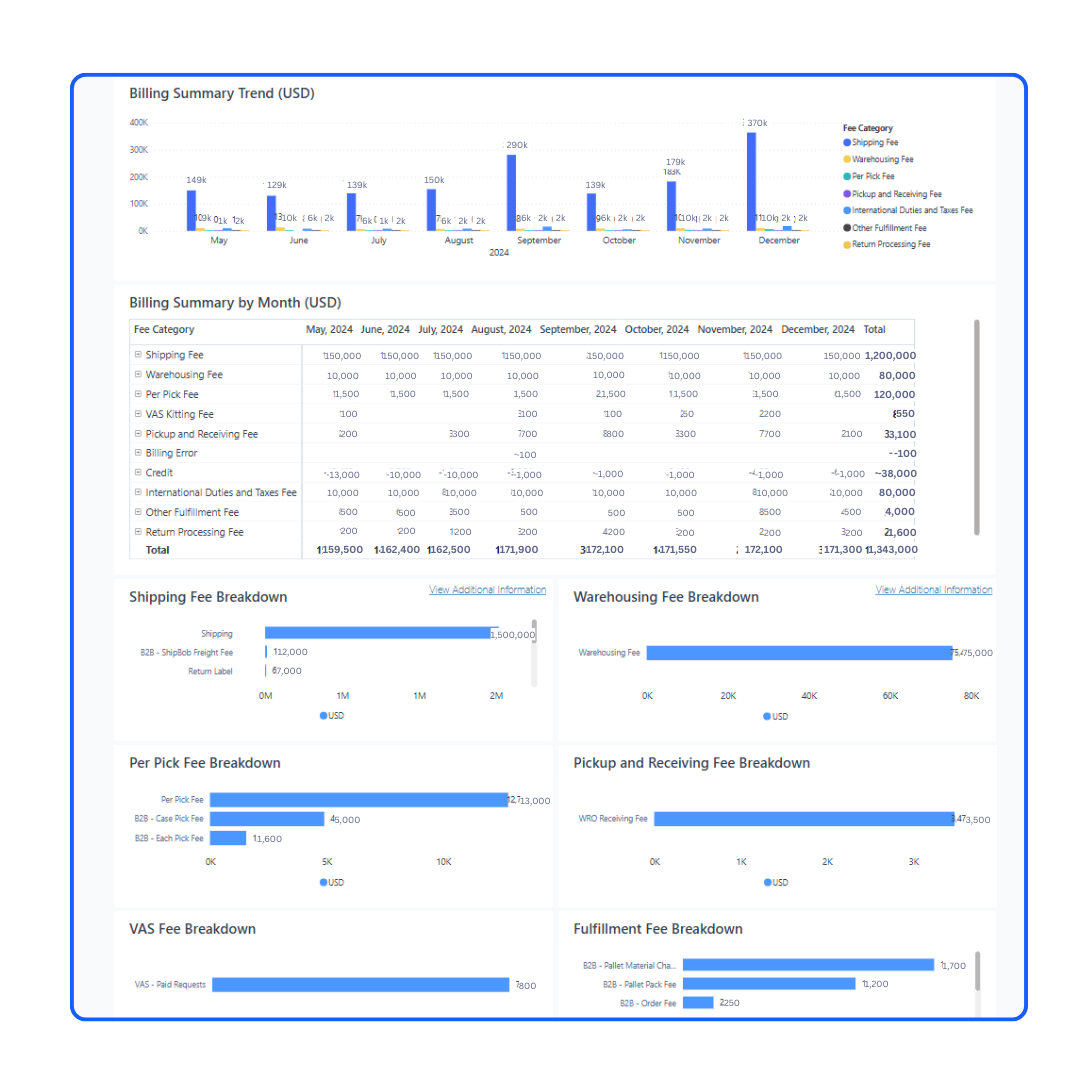
“Our 3PLs before ShipBob also were a total black box when it came to pricing — we’d just get one invoice with no line items, which made it impossible to work out what was what. With ShipBob, it’s very transparent billing and pricing, and now we know exactly what we’re being charged.”
Jonathan Byrt, Director & Co-founder at memobottle
For brands expanding globally, we handle the complexity of international shipping with automated documentation, real-time duties calculations, and clear DDU/DDP options.
“We also leverage ShipBob Delivered Duties Paid (DDP) shipping to reach our customers outside of the US. Using ShipBob DDP allows us to ship worldwide and we’re lucky that ShipBob has a solution like that because we’ve used it since we onboarded.”
Kayleigh Christina, Co-Founder and CMO of CLEARSTEM
Returns with ShipBob are equally transparent with straightforward pricing, automated workflows, and detailed reporting that helps you address root causes.
“ShipBob also makes it easy to handle return to sender (RTS) orders for lot products. Through the ShipBob dashboard, we can set up our preferences for each SKU that indicate exactly how we want ShipBob to handle a return – whether we want the item quarantined or disposed of – and ShipBob will automatically follow those rules so we don’t have to manage every customer-initiated return ourselves.”
Neil Blewitt, SVP of Operations at Bloom Nutrition
All this data flows seamlessly through our dozens of integrations with platforms like Shopify, NetSuite, Gorgias, and Klaviyo, creating a single source of truth across your entire operation.
“One of the biggest surprises with ShipBob is the number of integrations we’ve been able to use. We’ve been able to improve our omnichannel experience as a result of our partnership.”
Jessica Stoller, Director of Supply Chain and Operations at Arrae
Ready to transform shipping from a cost center into a competitive advantage? Click the button below to get in touch.
Shipping transparency FAQs
Below are answers to common questions about transparent shipping.
What is shipping transparency?

Shipping transparency gives customers full visibility into their order’s journey from purchase to delivery. This includes upfront shipping costs, real-time tracking, accurate delivery dates, and proactive updates about delays.
How does shipper transparency differ from shipping transparency?
These related concepts serve different purposes.
- Shipping transparency is customer-facing, keeping buyers informed about their orders.
- Shipper transparency is business-facing, giving you visibility into carrier performance, costs, and service levels.
With shipper transparency, you can identify which carriers meet delivery promises, spot hidden fees in invoices, and optimize your shipping strategy. The two work together: better carrier visibility (shipper transparency) enables you to provide more accurate information to customers (shipping transparency).
Which tools provide real-time shipment visibility?
The most effective tracking tools combine carrier APIs with user-friendly dashboards and automated notifications. Fulfillment platforms like ShipBob offer comprehensive tracking that shows every scan in an order’s journey, accessible through both merchant dashboards and customer-facing tracking pages.
Look for tools that integrate with your existing tech stack so your ecommerce platform, customer service software, and marketing tools can share consistent tracking information across all customer touchpoints.
How can I show accurate shipping costs at checkout?
Start with technology that calculates rates based on package dimensions, weight, destination, and carrier options in real time (either through carrier rate APIs or a fulfillment platform that handles calculations automatically).
Then consider your pricing approach: flat-rate shipping simplifies the experience, while showing exact carrier rates provides maximum transparency.
Whatever you choose, include all fees upfront, including international duties and taxes. A/B test different approaches to find what balances transparency with conversion rates.
What ROI can I expect from improving shipping transparency?
Shipping transparency delivers measurable benefits across your business. Most brands immediately cut “where is my order?” tickets by 50% or more, freeing support teams for higher-value interactions and reducing service costs.
You’ll likely see cart abandonment rates drop 20-30% when shipping costs are clear, plus improvements in customer lifetime value and repeat purchases.
Transparent policies and proactive communication also boost satisfaction scores and generate positive reviews, creating a growth cycle that builds your business over time.
How does ShipBob help with international customs and duties?
ShipBob simplifies international shipping with both DDU and DDP options to over 200 global destinations. Through partnerships with international shipping management platforms, we handle complex documentation and compliance requirements that often challenge brands expanding globally.
Our platform shows customs fees and duties before shipping, helping you set clear expectations with international customers. You can choose whether customers pay duties upon delivery (DDU) or include those costs in your upfront pricing (DDP), based on your business model and customer preferences.
Can ShipBob integrate with my existing Shopify or NetSuite setup?
Yes, ShipBob offers direct integrations with Shopify, NetSuite, and dozens of other popular platforms and tools. These connections sync automatically to pull orders, update inventory, and push tracking information to your store without manual work.
How does ShipBob’s returns process work and what does it cost?
ShipBob can manage both customer-initiated returns and Return to Sender (RTS) shipments. To learn more about ShipBob’s returns process, click here.
What data does the ShipBob dashboard provide on shipping performance?
ShipBob’s dashboard is your shipping analytics command center, showing real-time insights on fulfillment speed, accuracy rates, shipping costs, and carrier performance. Track metrics like fulfillment time, order accuracy, and cost breakdowns by SKU, order, or time period.
Our platform also offers predictive analytics to optimize inventory placement and shipping methods. You’ll see which fulfillment centers perform best, where distributing inventory could reduce shipping costs, and how different shipping options affect delivery times and customer satisfaction.
Is shipping transparency required by law in the US or EU?
While no single law specifically mandates “shipping transparency,” regulations in both regions require clear disclosure of shipping details. The FTC requires all material terms (including shipping fees) be clearly disclosed before purchase. The EU’s Consumer Rights Directive goes further, requiring specific information about delivery arrangements and costs.




