


Social media compliance is a process that helps ensure a company’s social accounts adhere to organizational policies and procedures, as well as the laws and regulations that govern your industry.
The global social media security market size is pegged to reach $6 million in 2032, and the growing emphasis on regulatory compliance is a significant factor driving this growth.
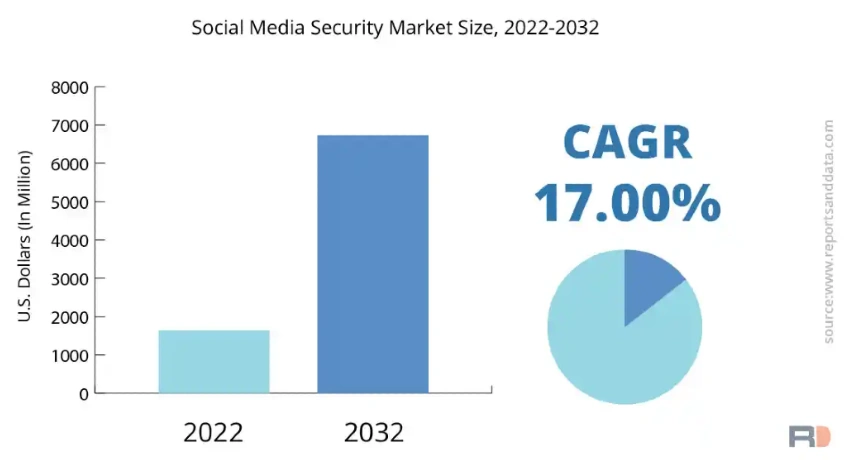
Social media compliance can be a bit tricky, no matter what your role is. And in marketing, where so much of our work is on display for everyone to see and judge, it can get even more complex.
In this guide, we’re going to break down what risk and compliance mean when it comes to social media. And hey, we’ll even throw in some examples and tools to help social media marketers stay on the right side of the rules. Let’s dive in.
Social media compliance refers to the set of rules, regulations, and guidelines that govern the use of social media platforms by individuals and organizations. Its purpose is simple: to ensure that social media activities are conducted lawfully and ethically while also helping companies protect sensitive information and maintain brand reputation.
With the widespread use and influence of social media, the role of compliance has become critical for businesses across industries. It’s more important than ever before for your brand or organization to be vigilant, adhering to both internal policies and external regulatory requirements to avoid potential legal and reputational risks.
Data protection and privacy: Laws such as the General Data Protection Regulation (GDPR) dictate how personal data should be collected, stored, and processed. This includes getting explicit consent from individuals before using or sharing their personal information. Organizations are required to comply with these laws.
Content management: Any content posted on your brand’s social media platforms must align with regulatory guidelines and organizational policies. This includes avoiding misleading advertisements, offensive or discriminatory language, and copyright infringement.
Monitoring and archiving social media activities: Industries such as finance and healthcare have specific regulations that require organizations to archive social media communications for a certain period. This allows companies to track and monitor potential compliance breaches, respond to legal requests, and demonstrate transparency in their operations.
There are various measures your company can implement to ensure social media compliance. This includes developing comprehensive social media policies and guidelines that outline acceptable behavior, clearly defining roles and responsibilities, and training employees. Most companies also conduct regular audits and assessments to identify and address compliance gaps promptly.
Social media platforms have changed the way people interact with each other and conduct business. With the advent of these platforms, businesses have new opportunities to engage with customers, promote their products and services, and foster brand loyalty. However, social media also presents a variety of risks, particularly in terms of compliance with laws and regulations. Let’s take a closer look at some of the common social media compliance risks your business may face.
Data privacy is one of the biggest compliance risks associated with social media. Social media platforms collect significant amounts of user data, including personal information such as names, contact details, and location data. This data can be used to build detailed user profiles, which can be sold or used for targeted advertising. If your business is in the practice of collecting and using such data, it must comply with various data protection laws, such as the EU’s General Data Protection Regulation (GDPR) and the California Consumer Privacy Act (CCPA). Non-compliance with these laws could result in significant fines and reputational damage.
Another social media compliance risk is intellectual property infringement. Social media offers easy access to a vast amount of content, including text, images, and videos. However, using this content without permission can lead to copyright infringement, trademark infringement, and other IP violations. For instance, posting images or videos that belong to someone else, using copyrighted music in videos, or using trademarks or logos without authorization can all lead to legal action. To avoid these risks, ensure business has permission to use any content that it posts on social media.
Social media also presents a range of employment law risks. For instance, businesses can face liability if employees post offensive or discriminatory comments on social media. In some cases, these comments can amount to harassment or discrimination and can trigger legal action against the employer. To manage this risk, have clear social media policies that set out acceptable behavior and disciplinary procedures for breaches of these policies.
Social media can also pose challenges related to regulatory compliance. Depending on the industry your business belongs to, you may need to comply with a range of regulations related to social media use. For example, financial services firms must comply with strict rules regarding the promotion of financial products. These rules help reduce the likelihood of misleading or deceptive information that could harm consumers’ financial interests. Similarly, healthcare providers must be careful about how they use social media to avoid violating patient privacy laws.
Negative publicity related to social media can damage brand image and a company’s reputation, leading to lost customers, lost business opportunities, and even legal action. In May 2023, T-Mobile announced its second data breach of the year, where hackers gained access to the PINs, full names, and phone numbers of over 800 customers. This breach marked the company’s ninth data breach since 2018 and its second that year. If your company fails to protect user data from breaches or engages in deceptive social media advertising, it can quickly lose the trust of its customer base. To manage this risk, businesses must monitor their social media channels closely and respond quickly to any negative feedback or erroneous information.
Your business needs to stay compliant with laws, regulations, and industry standards to avoid legal issues and maintain a positive reputation.
Here are 10 key tips to ensure compliance on social media platforms:
Different industries may have specific legal requirements for social media compliance. For example, financial institutions must adhere to guidelines set by regulatory bodies like SEC or FINRA. Educate yourself on any applicable laws and regulations to avoid costly penalties.
A well-defined policy will set clear guidelines for employees regarding appropriate behavior, content creation, and data protection. Ensure the policy covers areas such as privacy, copyright, trademark, disclosure, and ethics. Regularly update it to reflect industry changes and emerging risks.
Provide comprehensive training sessions to ensure they understand their legal obligations, potential risks, and how to adhere to company policies. Regular reminders and refresher sessions can help reinforce compliance standards.
Implement a monitoring system to keep track of the content and conversations happening on your social media platforms. Regularly review posts, comments, and direct messages to ensure compliance. Respond promptly to any content that violates guidelines or poses legal risks.
Social media platforms often require access to user data. Maintain a strong commitment to user privacy by explicitly stating your data collection and usage practices. Comply with relevant privacy laws like the General Data Protection Regulation (GDPR) or the California Consumer Privacy Act (CCPA).
If you engage in influencer marketing or paid partnerships, ensure that sponsored content is clearly labeled as such. This will help you meet disclosure requirements and prevent misleading advertising claims. Familiarize yourself with guidelines from platforms like Facebook, Instagram, or YouTube.
Respect copyright and trademark laws when using content created by others. Obtain proper permissions, attribute their work appropriately, and avoid using copyrighted materials without authorization. Use digital rights management tools to prevent unauthorized use of your content.
Social media platforms frequently update their policies. Regularly review the terms of service, community guidelines, and advertising policies of the platforms you use. Compliance with these policies will help ensure your content doesn’t get flagged or removed.
Maintain a record of your compliance efforts, including policies, training sessions, audits, and any corrective actions taken. These records will serve as evidence of your commitment to compliance in case of legal disputes or regulatory audits.
Conduct regular audits to assess your social media accounts, content, and practices for compliance. Identify any areas of improvement and take necessary actions to rectify non-compliant practices. Keeping up with industry standards and best practices is essential, while you work to promote your brand’s image.
Remember, compliance is an ongoing process. Staying up to date with legal and industry changes is crucial for a successful and risk-free social media presence.
Here are some of the most popular social media compliance tools that offer features such as content moderation, data security, archiving, and reporting.
Hootsuite is a widely used social media management tool that offers compliance features to ensure content moderation and regulatory adherence. It provides features like profanity filters, message approval workflows, and automated content scanning. Additionally, Hootsuite allows users to centrally manage multiple social media accounts, ensuring efficient compliance management.
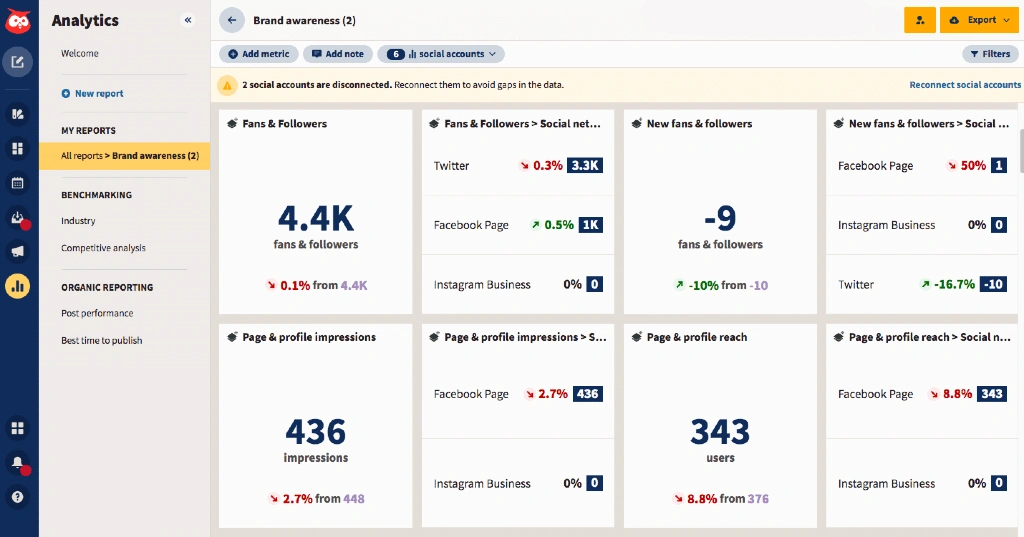
Compliance features offered by Hootsuite
As an archiving and compliance software, Smarsh helps organizations in regulated industries capture, preserve, and search social media communications. It provides advanced search capabilities, metadata indexing, and retention policies to ensure compliance with regulatory obligations.
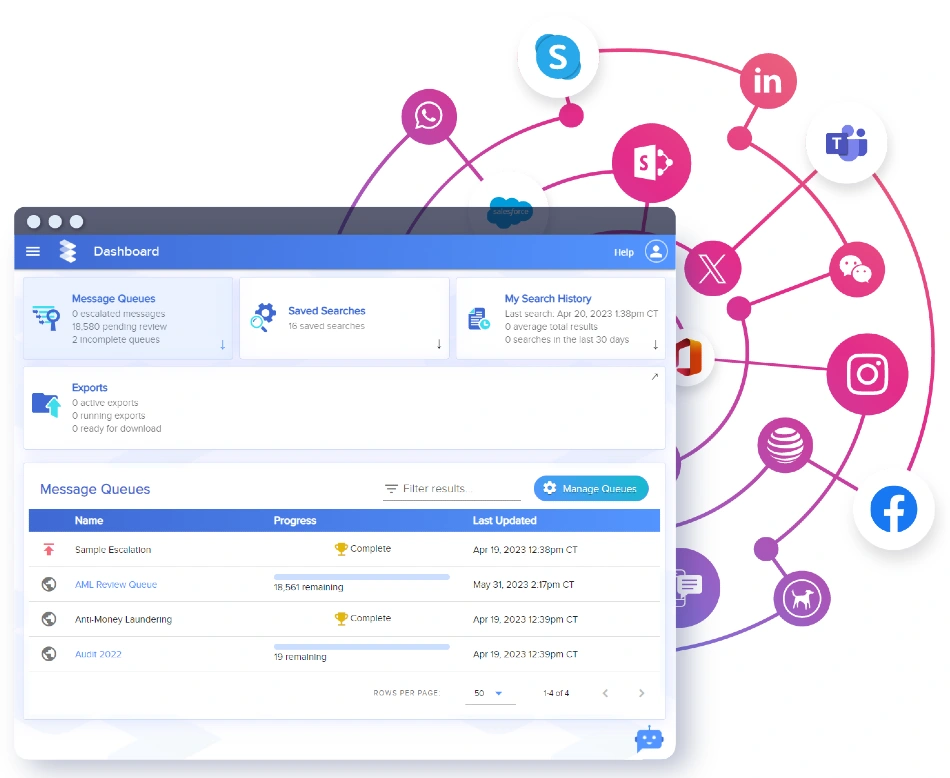
Compliance features offered by Smarsh
Proofpoint Social Media Compliance offers an advanced solution for enterprises to meet regulatory requirements by providing multi-channel content moderation, data loss prevention, and user protection. It offers comprehensive monitoring and automated remediation to ensure compliance in real-time.
Compliance features offered by Proofpoint
Actiance offers a comprehensive suite of compliance tools that manage various aspects of social media compliance, including archiving, risk management, and policy enforcement. It enables organizations to capture and store social media interactions, perform context-aware policy enforcement, and conduct proactive risk analysis.
Compliance features offered by Actiance
Global Relay is a cloud-based compliance platform that assists organizations in archiving and retaining social media communications. It offers features such as capture, monitoring, and supervision of content across various social platforms. Global Relay also provides eDiscovery capabilities to search, retrieve, and produce archived social media content as required.
Compliance features offered by Global Relay
As organizations increasingly recognize the importance of social media compliance, the demand for specialized tools to meet regulatory requirements continues to grow. By leveraging them, businesses can effectively ensure regulatory adherence and protect their brand reputation.
According to the Federal Trade Commission (FTC), brands need to adhere to guidelines when seeding products and hiring influencers to endorse products. When it comes to influencer marketing, brands must understand the rules and ensure proper disclosure to meet the requirements set by the FTC.
The FTC’s Guides Concerning Use of Endorsements and Testimonials in Advertising (Endorsement Guides) were revised in 2023. These guidelines require influencers to disclose any financial, employment, personal, or family relationships they have with brands when endorsing products. Financial relationships aren’t limited to monetary compensation.
After going largely unregulated, social media platforms have come under increased scrutiny, with several states examining ways to curb the effects of social media on young people. Several of the laws passed in 2023 against social media platforms have been challenged in court. 2024 will be crucial in seeing whether any of the challenged laws will be allowed to stand.
Social media impacts the way we communicate, share information, and build relationships. However, it has also brought about certain legal and ethical responsibilities that businesses must navigate – compliance.
Navigating the complexities of compliance on social media can be challenging. The online environment is dynamic and many regulations govern it.
From safeguarding the privacy of consumers in line with the General Data Protection Regulation (GDPR) to compliance with the Federal Trade Commission (FTC), regarding disclosure of sponsored content or endorsements, businesses must navigate several areas of compliance. Employee communications on social media is another important area of compliance, and companies must have clear policies in place that outline expectations for appropriate behavior.
When it comes to successfully navigating compliance and its complexities, consider developing a comprehensive social media policy. Regularly monitor and audit your brand or company’s social media activities to identify and address any compliance issues. Additionally, working with legal professionals or compliance consultants can provide expert guidance and support in ensuring compliance on social media.
To unlock even more insights around social media, sign up for the Afluencer newsletter. To connect with the stars of social media and more, install the Afluencer app for Shopify here.





