

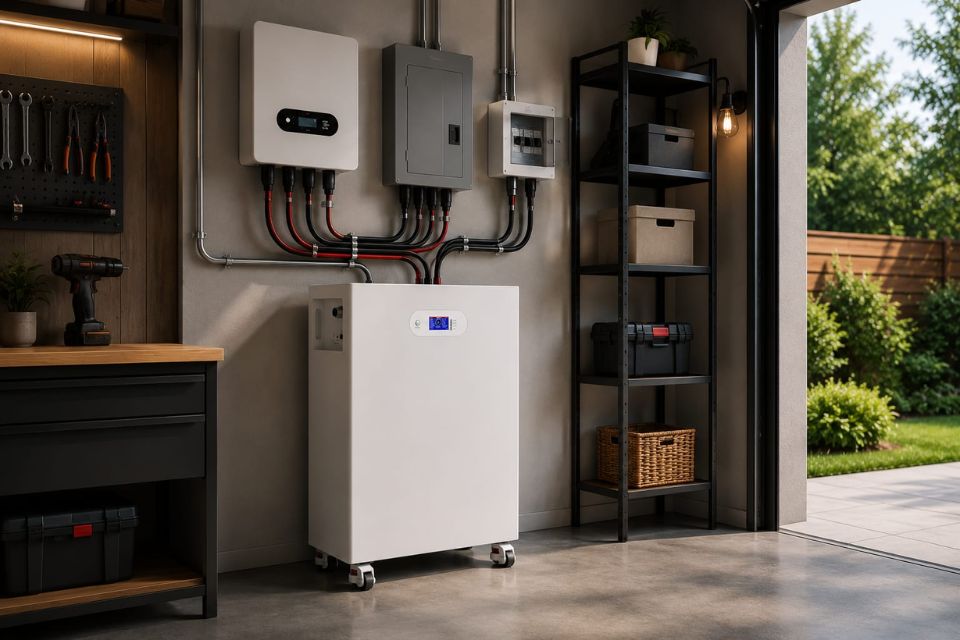
Solar battery distributors win more B2B sales by treating batteries as engineered solutions, not simple products—using education, application-based product organization, structured quotation workflows, and tailored installer/wholesaler experiences to qualify projects and recommend the right systems.
Solar battery sales improve dramatically when distributors stop pushing SKUs and start guiding projects—from application and sizing through compatibility, pricing, and long-term support.
Selling solar batteries through traditional ecommerce methods has become increasingly challenging because energy storage products are not simple items that customers can purchase based on price alone. Unlike standard consumer products, battery systems require careful evaluation of capacity, inverter compatibility, installation conditions, safety requirements, and long-term performance before buyers can make confident decisions.
For solar battery distributors, the opportunity is not only in supplying hardware but also in creating a better purchasing experience for installers, wholesalers, and project developers. Professional buyers need access to technical information, accurate quotations, flexible purchasing options, and reliable supplier support.
As the energy storage market continues expanding, distributors that understand the B2B buying process can create stronger customer relationships and improve sales efficiency. This requires moving beyond basic product listings and developing a sales approach built around education, qualification, application-based solutions, and technical support.
Solar battery systems are typically purchased as part of a complete energy solution rather than as standalone products. A distributor’s customer may need a battery for residential backup, commercial energy management, off-grid applications, or larger renewable energy projects.
Each application creates different technical requirements. Buyers may need to evaluate usable capacity, battery voltage, inverter compatibility, communication protocols, installation limitations, and future expansion possibilities before selecting a suitable solution.
For example, an installer working on a residential solar project may need to confirm whether a battery system can communicate correctly with an existing hybrid inverter. A commercial project developer may focus more on scalability, energy demand patterns, and long-term reliability.
This makes B2B battery sales different from traditional online retail. The customer journey often involves research, technical evaluation, consultation, and quotation before an order is placed.
Distributors that provide this support can position themselves as solution providers rather than simply product suppliers. This approach helps reduce incorrect purchases, improve customer satisfaction, and create stronger relationships with professional buyers.
Many ecommerce systems are designed for products with simple specifications and predictable purchasing decisions. Solar batteries usually require a more detailed buying process because every project has different requirements.
A customer selecting a storage system must consider factors such as:
Choosing a battery only by capacity or price can result in an unsuitable system design. For example, a battery with sufficient storage capacity may still not work correctly if it does not support the required inverter communication method or power output requirements.
A better B2B ecommerce approach combines online product information with quotation tools, technical forms, and configuration support.
Product configurators can help buyers provide important project details before contacting sales teams. This allows distributors to recommend suitable options instead of starting every conversation with basic questions.
For complex products like LiFePO4 energy storage systems, the buying process should focus on helping customers select the right solution rather than simply completing a transaction.
Many battery buyers begin researching solutions before contacting suppliers. Installers and distributors often compare battery technologies, understand system requirements, and evaluate compatibility before requesting pricing.
Providing educational content helps businesses attract better-qualified leads. Instead of receiving inquiries from customers who do not understand their requirements, distributors can guide buyers through important considerations before the sales conversation begins.
Useful educational resources include:
Buyers researching home battery backup systems usually need to understand usable capacity, inverter power, installation requirements, and backup duration before requesting pricing. Providing this information allows customers to better define their needs and improves the quality of sales discussions.
Technical content also supports trust-building. Professional buyers often evaluate suppliers based on the quality of their documentation, product explanations, and ability to provide technical guidance.
For distributors, educational content is not only a marketing tool. It is also a way to reduce unsuitable inquiries and help customers move through the purchasing process more efficiently.
A common mistake among battery distributors is presenting products only through model numbers and technical specifications. While specifications are important, professional buyers usually think about applications first.
An installer does not always begin by searching for a specific battery model. They may be looking for a solution for a residential backup project, a commercial facility, or a renewable energy development.
Organizing products around applications creates a clearer buying experience.
Examples include:
Instead of presenting a 30kwh battery as an isolated product, distributors should connect it with suitable applications, inverter classes, expected load profiles, and installation environments.
For example, a 30kWh system may be suitable for a commercial building requiring extended backup capacity but may not be the ideal choice for a small residential application. Explaining these differences helps buyers understand product positioning.
Distributors can also improve product pages by including information about battery chemistry, cycle life, Battery Management System (BMS) functions, communication options, and scalability.
This application-focused approach improves both user experience and search visibility because it matches how professional customers actually evaluate energy storage solutions.
Accurate quotations depend on accurate project information. For battery distributors, collecting technical details before preparing pricing can significantly improve sales efficiency.
A professional quotation process should gather information such as:
This information allows sales teams to recommend more suitable solutions instead of providing generic product lists.
For example, an installer requesting a battery quotation may need to know whether the system supports specific inverter communication standards such as CAN or RS485. Without this information, a supplier may recommend a technically unsuitable solution.
A structured qualification process also improves customer experience because buyers receive more relevant recommendations and faster responses.
Solar battery businesses often serve different customer groups, including installers, wholesalers, project developers, and OEM partners. Each group has different purchasing expectations.
Installers typically need:
Distributors may focus on:
Creating separate account experiences allows businesses to provide more relevant information to each customer type.
For example, an installer portal can provide technical resources, while a distributor platform may focus on ordering processes and wholesale management.
This improves efficiency because professional buyers can quickly access the information they need without contacting sales teams for every question.
B2B buyers need transparency when evaluating suppliers. While pricing can vary depending on order quantity, customization requirements, and project conditions, distributors should clearly explain how wholesale purchasing works.
Minimum order quantities (MOQ), volume pricing structures, lead times, and customization options should be communicated clearly.
Transparent purchasing information helps buyers plan their business operations more effectively. An installer or distributor needs to understand whether a supplier can support their expected order volume and market requirements.
For private-label businesses, pricing discussions may also include customization costs, packaging requirements, and production timelines.
Clear communication creates trust and reduces delays during the purchasing process.
OEM and ODM services allow battery distributors to develop customized solutions without establishing their own manufacturing facilities.
Many energy companies want products that match specific market requirements, branding strategies, or customer expectations.
Customization options may include:
OEM partnerships can help distributors create unique product offerings and serve specialized markets.
Manufacturers such as Avepower support energy storage businesses through battery manufacturing capabilities, customization options, and technical resources that help partners develop solutions for different applications.
For distributors, OEM and ODM cooperation can create opportunities to build stronger market positioning while maintaining flexibility in product development.
Technical content can improve sales performance by helping customers understand requirements before contacting a distributor.
When buyers have access to detailed information, they can determine whether a product matches their project before requesting assistance.
Helpful resources include:
This reduces unnecessary inquiries and allows sales teams to focus on more qualified opportunities.
For energy storage products, technical education is an important part of the sales process because buyers need confidence before making significant purchasing decisions.
Not every battery distributor provides direct installation services. Developing partnerships with local installers can help distributors support residential customers while expanding market opportunities.
A strong installer network can provide:
Distributors can create referral systems that connect customers with qualified installation companies based on location and project requirements.
This approach allows distributors to participate in residential markets without managing every installation directly.
Even experienced distributors can lose opportunities by creating unnecessary barriers during the buying process.
Common mistakes include:
Avoiding these mistakes helps distributors create a smoother customer journey and improve long-term business relationships.
Winning more B2B sales in the solar battery market requires more than offering competitive products. Distributors need to create a buying experience that supports technical evaluation, project planning, and long-term customer relationships.
The most successful distributors combine educational content, application-based product organization, structured quotation systems, and strong technical support. These strategies help attract qualified buyers while reducing confusion during the purchasing process.
As energy storage adoption continues growing, companies that make battery selection easier for installers, wholesalers, and project developers will be better positioned to build sustainable business relationships.
Businesses reviewing their distributor strategy can explore how Avepower supports energy storage partners through customized battery solutions, technical resources, and manufacturing capabilities designed for different market requirements.
Solar battery distributors can improve B2B sales by providing technical education, creating better quotation processes, organizing products by application, and supporting installers with reliable resources.
Solar batteries often require evaluation of capacity, inverter compatibility, installation conditions, and project requirements. A quotation system allows distributors to recommend suitable solutions.
Buyers should provide details such as energy consumption, inverter specifications, required backup duration, installation environment, and future expansion plans.
OEM and ODM services allow distributors to customize products, develop private-label solutions, and create offerings that match specific market requirements.
While capacity information is important, organizing products by application usually creates a better buying experience because customers often search for solutions based on project needs.




