
Technology has a way of weaving itself into the fabric of our everyday lives.
A decade ago, smartwatches were novelties, and contactless payments were just catching on.
The concept of wearable technology has evolved far beyond step counting and heart rate monitoring. One of the most promising innovations shaping this space is smart NFC (Near Field Communication) wearables. These tiny, powerful devices are not only redefining convenience but also creating entirely new ways of interacting with the world around us.
Whether you’re a professional aiming to streamline your daily tasks, a fitness enthusiast craving better connectivity, or simply someone who values simplicity, smart NFC wearables are becoming essential companions.
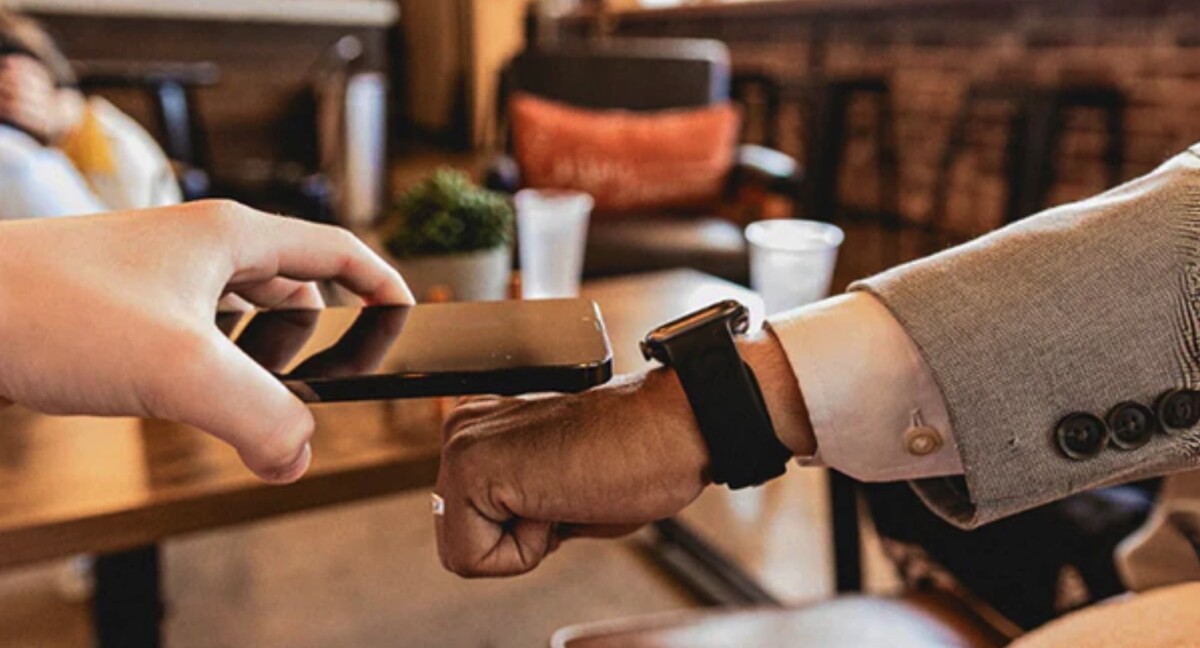
At its core, NFC is a short-range wireless communication technology that enables devices to “talk” to each other when they’re close together—usually within a few centimeters. You’ve likely used it without realizing: tapping your phone to pay at a store, scanning a ticket at an event, or pairing a device with a single touch.
What makes NFC particularly appealing for wearables is its efficiency and security. Unlike Bluetooth, which requires pairing and consumes more energy, NFC operates almost instantly with minimal power usage. It’s discreet, fast, and intuitive—qualities that align perfectly with wearable tech.
NFC wearables are no longer limited to smartwatches. The ecosystem has diversified to include various form factors designed for different lifestyles and preferences.
The variety ensures that NFC wearables aren’t just gadgets—they’re lifestyle choices tailored to individual needs.
The true power of smart NFC wearables lies in their practical applications. They are not futuristic gimmicks; they’re tools that solve real-world problems. For instance, imagine going for a run without carrying your phone or wallet, yet still being able to grab a coffee afterwards. With an NFC-enabled ring or bracelet, payments are instant and effortless.
Travelers and busy professionals also benefit from the ability to store digital identities on their wearables. From boarding planes to unlocking hotel rooms, these devices replace physical documents and keys with a seamless tap. The same principle is being applied in workplaces, where businesses and co-working spaces now rely on NFC wearables for secure entry, providing employees with both convenience and peace of mind.
Beyond daily routines, NFC technology is enhancing experiences at large gatherings. Concerts, festivals, and conferences are adopting NFC wristbands that function as tickets, merchandise vouchers, and even networking tools. In healthcare, the impact is equally powerful. Paired with medical systems, wearables can store vital emergency data, ensuring first responders have immediate access to critical information when every second counts.
With any technology that stores sensitive data, security is paramount. NFC wearables have evolved with advanced safeguards:
Privacy concerns are being addressed, too. Today’s wearables are designed with consent-first interactions, meaning data sharing occurs only when the user initiates the action, ensuring personal control.
As the Internet of Things (IoT) expands, NFC wearables are becoming key connectors in our daily environments. Imagine walking into your home and your smart ring automatically adjusting the lights and temperature to your preferences. Or tapping your bracelet to your car door to unlock and start the engine securely.
Businesses are also recognizing the potential. Retailers are experimenting with personalized shopping experiences triggered by NFC-enabled customer wearables. Healthcare providers are using them to track patient adherence to treatment plans. The opportunities are expanding rapidly as industries integrate NFC into their systems.
If you’re considering adopting this technology, the decision comes down to your lifestyle and priorities:
Before purchasing, check compatibility with your devices and preferred services. Many platforms provide detailed resources on NFC integration, such as contactco.com, where you can explore more about how this technology is being applied in real-world settings.
Smart NFC wearables represent more than technological progress—they represent a shift in how we interact with the world. They free us from fumbling with wallets, digging through pockets for keys, or juggling multiple devices. Instead, they integrate seamlessly into our routines, empowering us to move through life with ease and security.
As innovation continues, one thing is clear: the future of technology isn’t just in our pockets or on our desks. It’s something we wear, something that feels natural, and something that makes our daily lives smarter, safer, and more connected.
NFC wearables are rings, wristbands, tags, or cards with a tiny chip that triggers an action when tapped by a phone. For Shopify stores, they turn real-world moments into instant checkouts, signups, or social follows, which cuts friction and boosts conversion from offline to online.
NFC is faster and more reliable on mobile since it needs only a tap, not camera alignment. Brands see higher tap-through rates at events and retail, plus richer attribution with UTMs, which leads to more orders per impression than QR in crowded spaces.
Top plays include tap-to-buy at events, tap-to-join loyalty, tap-for-discount at pop-ups, and tap-to-follow for creator collabs. You can also use NFC for product onboarding, warranty activation, or “how to” guides that reduce returns and support tickets.
Encode a single, clean URL on the chip, add UTM parameters for the placement, and point to a mobile landing page with one goal and wallet-first checkout. Use short load times, tap-friendly CTAs, and a clear value exchange like 10% off or a bonus tutorial.
You need NFC tags or wearables, a writer app or desktop encoder, and trackable URLs that feed your analytics. On Shopify, link to a fast PDP or a one-product lander, and use apps for discounts, loyalty, and post-purchase flows to close the loop.
Use unique UTMs per tag placement (event booth, cashier counter, influencer card) and set goals for tap-to-visit, add-to-cart, and purchase. Review conversion by placement weekly, then shift inventory, offers, or staff to the highest-performing spots.
Keep data collection minimal and transparent, and use tap-to-opt-in with clear consent language. Avoid encoding personal data on the chip; point to secure HTTPS URLs and rotate time-limited offers to reduce abuse.
Sending taps to a slow homepage, using vague CTAs, or hiding the value behind multiple screens are the biggest killers. Also avoid tiny fonts on signage; tell people exactly what happens on tap, like “Tap to get 10% off right now.”
Start with 50–100 tags at one location or event, each with a clear offer and unique UTM. Run a two-week test, compare tap-to-purchase against QR and manual URLs, and double down on the format that lifts conversion and list growth.
Create role-based flows: staff badges for assisted selling, creator cards for social-to-cart, and product hang tags for onboarding and reviews. Pair NFC taps with SMS capture, Apple Pay or Google Pay, and dynamic content that adapts to location or time of day.
Curated and synthesized on September 2025
📋 Found these stats useful? Share this article or cite these stats in your work – we’d really appreciate it!





