The retail landscape is transforming…
AI is reshaping customer expectations, acquisition costs are skyrocketing across every channel, and consumers armed with infinite choice are more fickle than ever. While brands pour resources into competing for the next transaction, they’re caught in an expensive cycle of rising CACs, unpredictable churn, and diminishing returns.
The traditional transactional model, where customers buy products and switch brands on a whim, simply can’t keep pace with today’s rapidly evolving commerce environment.
Rather than fighting for every transaction, the most successful brands are building relationships that make them indispensable to their customers’ daily routines.
This is where growth stops being transactional and starts being transformational. Relationship Commerce is the evolution beyond simple recurring revenue that’s transforming how leading brands think about customer relationships.
Today’s retail environment presents unprecedented challenges:
The result? A brutal equation where high CAC + depressed LTV = Upside Down Unit Economics. Brands actually can lose money on each transaction.
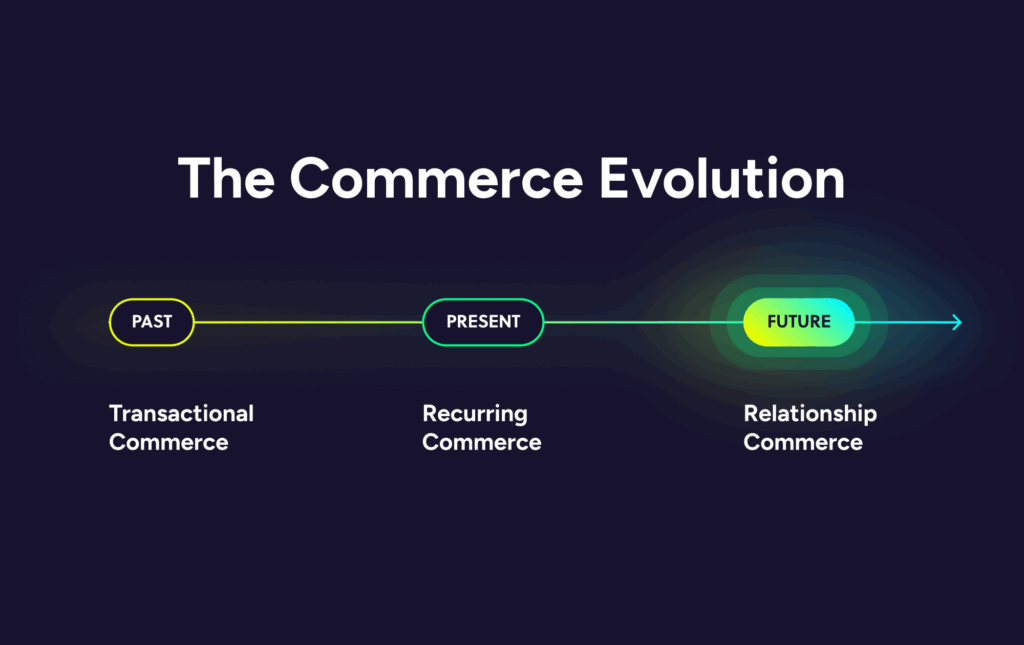
Today’s shift toward Relationship Commerce didn’t happen overnight. It’s the result of a broader evolution in how brands and customers interact.
Commerce has evolved through three distinct phases:
Ad hoc purchases where customers try and switch brands on impulse, creating no predictable revenue stream.
Customers commit to ongoing purchases, often tied to specific timeframes or monetary commitments, like traditional “Subscribe & Save” models.
Customers build trusted relationships with brands, receiving personalized experiences and communication within a holistic brand ecosystem powered by autonomous shopping and data insights.
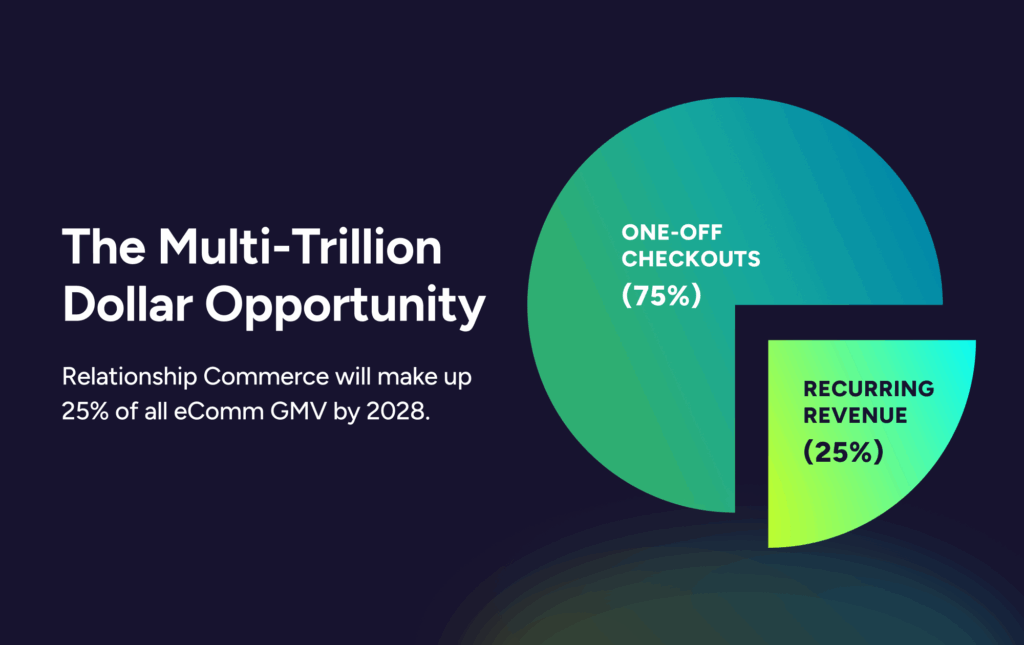
Relationship Commerce isn’t limited to digital channels.
It’s inherently omnichannel, making it uniquely positioned to address the full $30+ trillion global retail economy. From IoT-enabled coffee makers that predict when you’re running low on beans to in-store experiences that seamlessly connect with your ongoing brand relationship, the future is integrated.
Remember, customers don’t care how siloed your tech stacks are. They expect one relationship with your brand that’s seamless and consistent, whether they’re shopping in-store, on your site, or through a mobile app.
The most effective Relationship Commerce platforms power “everychannel” experiences. But Ordergroove is the only platform built to deliver all of this holistically:
Traditional retail thinks in terms of share of wallet. Relationship Commerce thinks bigger: share of life.
This means blending three critical elements:
Relationship Commerce enables this kind of integration, where customers don’t just buy from you, but instead, integrate your brand into their daily routines, making you indispensable to their lives. That’s why brands implementing Ordergroove’s Relationship Commerce strategies see transformational results:
We’re in the middle of a major shift. Brands that once competed for one-time transactions are now building lasting value by becoming part of their customers’ everyday lives, from Peet’s Coffee to Ulta Beauty.
Relationship Commerce makes that possible, enabling seamless, personalized experiences across everychannel that drive loyalty, repeat spend, and predictable growth.
The technology is here. The demand is growing. And the brands leaning in now are setting the standard for what’s next.
The future of retail belongs to brands that prioritize deep, lasting relationships over single transactions. As customer acquisition costs rise and consumer loyalty grows more fickle, the market is shifting fast from transactional commerce to Relationship Commerce. This new model goes beyond simple subscriptions or recurring purchases. It builds trust, delivers seamless experiences across every channel, and turns brands into indispensable parts of customers’ daily routines.
Ordergroove’s data shows that brands embracing Relationship Commerce are seeing major results: 93% gross revenue retention, over three times greater consumer spending, and a surge in customer loyalty. The key to this change is integration. Successful brands meet customers where they are—whether in-store, online, or on their phones—with personalized service, easy checkouts, and helpful recommendations powered by smart technology and connected systems.
The most practical move for founders and marketers right now is to move beyond one-off sales and start building real customer relationships. Focus on making every touchpoint frictionless and meaningful. Improve your data systems to personalize offers. Use every channel to keep the experience smooth and consistent. Most importantly, make your brand truly helpful and present in customers’ lives.
Brands that lead this change are redefining what retail can be—moving from fighting for share of wallet to earning a true share of life. If you want to stay ahead, act on these insights. Explore platforms that offer omnichannel and personalized features. Review and redesign your customer journey to remove barriers and add value at each step.
For more details, check out resources on Relationship Commerce and follow practical guides from experts in the field. By acting on these principles today, you’re setting up your business for long-term growth and true customer loyalty.

Relationship Commerce is a strategy that focuses on building long-term, personal relationships with customers, connecting with them across every channel—online, in-store, and mobile. It matters because it shifts your business from chasing single transactions to creating repeat revenue and loyalty, which leads to higher retention rates and more predictable growth in today’s crowded retail market.
The article highlights that brands using this approach have seen 93% gross revenue retention and more than triple the consumer spend. By offering personalized experiences, subscriptions, and seamless interactions, brands make customers feel valued and encourage them to keep coming back and buying more over time.
Begin by integrating tools that support subscriptions, memberships, and personalized messaging across your site, social media, and email. Make sure you’re collecting and using customer data to create tailored recommendations, and focus on removing friction from the buying process to make shopping easy and enjoyable.
Customers now have endless choices and little loyalty, with many switching brands for the smallest reasons. The old model relies on winning each sale, but rising acquisition costs and fickle buyers mean that approach often leads to lost money and weaker business results over time.
Relationship Commerce is inherently omnichannel—it connects digital and physical storefronts. For example, brands use POS integrations to let customers sign up for subscriptions in-store, blending online convenience with in-person relationships and driving more value per customer.
Data and AI help personalize every touchpoint by tracking what customers like, predicting their needs, and automatically recommending products or sending reminders. Brands like Peet’s Coffee use these insights to deliver timely offers and keep customers engaged across all channels.
A common myth is that loyalty programs or email blasts alone can build true loyalty. The article makes clear that real Relationship Commerce goes beyond discounts; it requires consistent, helpful interactions that are tailored to each customer’s habits and preferences.
Track retention rates, repeat purchase frequency, customer lifetime value, and overall revenue growth. The article reports that brands moving to this model achieve both higher retention and up to 3.6 times more customer spend, showing clear returns on these investments.
Be prepared to invest in updated technology stacks that connect your sales channels, gather quality data, and streamline customer touchpoints. You’ll also need to train your team to deliver a more consistent, personalized customer experience across every interaction.
Look for trusted solutions and platforms like Ordergroove that specialize in Relationship Commerce and offer case studies or expert guides. Connect with other Shopify merchants for insights, and read actionable content from ecommerce thought leaders to keep your strategies up to date.