11th
February, 2026
In the rapidly evolving world of social media, Threads vs Twitter has become a hot topic – especially for e-commerce brands, Amazon sellers, and DTC founders looking to stay ahead. Meta’s Threads (an Instagram-linked app launched in 2023) and Twitter (rebranded as X) are now direct competitors in the text-based social sphere. Both platforms offer unique opportunities to reach customers, engage with content creators, and foster user-generated content (UGC). In this post, we’ll compare Threads and Twitter in 2026 from a marketing perspective. You’ll learn the key differences, strengths, and weaknesses of each platform, and how micro influencers and influencer marketing strategies can be leveraged on both. By the end, you’ll have a clear idea of where to focus your social media efforts this year and how to use each platform to drive growth for your brand.
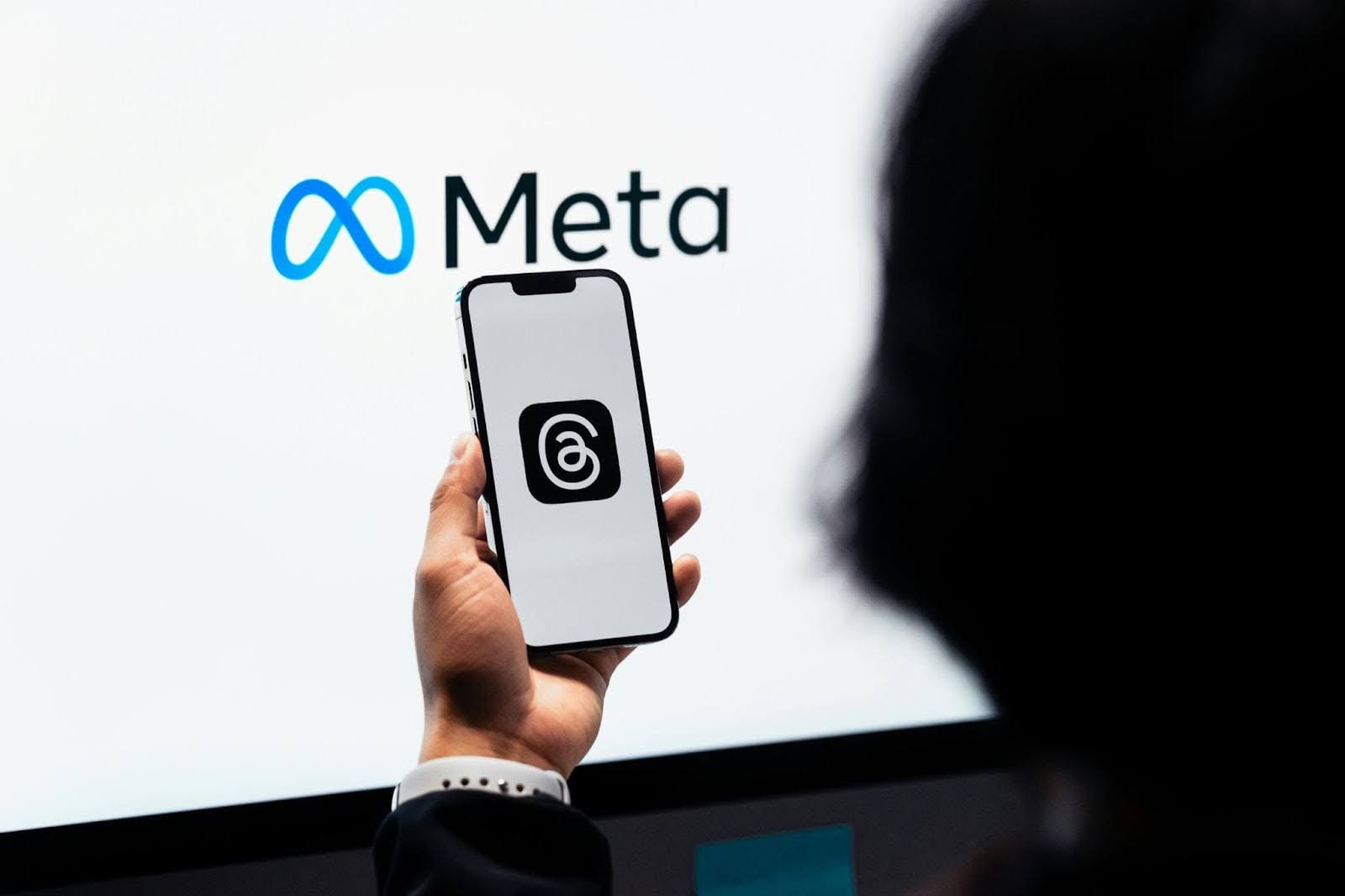
Threads is a social networking app created by Meta (Facebook/Instagram) as a direct response to Twitter’s dominance. Launched in July 2023, Threads quickly gained over 100 million users within its first week – a testament to the demand for a Twitter alternative. The app is tightly integrated with Instagram: users sign up via their Instagram accounts and can instantly follow the same people on Threads, making it easy to build an audience from scratch. Posts on Threads are text-centric (up to 500 characters long) but can include links, images, and videos up to 5 minutes, aligning with Instagram’s visual style. Early on, Threads lacked some features (like hashtags, trending topics, or direct messaging), focusing instead on real-time conversations and a clean, “friendly” feed. Over time, Meta has aggressively updated Threads with new capabilities – including a web version, improved search, and even direct messaging by late 2025. By 2026, Threads has grown into a substantial platform with over 400 million monthly active users and a community-driven vibe. It’s often described as a calmer, more curated space for discussion compared to Twitter. For example, Threads’ feed uses an algorithm (similar to TikTok’s approach) to show relevant content, since it doesn’t yet use hashtags or an Explore page. This means users often see posts based on their interests and network, fostering tight-knit engagement. In short, Threads is Meta’s take on the Twitter formula – leveraging Instagram’s network to create a text-first platform where content creators and brands can engage in conversations without some of Twitter’s long-standing noise.
Twitter, now officially known as X, is the veteran microblogging platform that has defined real-time social communication for nearly two decades. Launched in 2006, Twitter became famous for its 140-character “tweets” (now 280 characters) and fast-paced feed of news, opinions, and trending hashtags. In 2022, Elon Musk acquired Twitter and later rebranded it as “X,” signaling a vision to transform it into an “everything app.” Despite the name change, most people still refer to the platform as Twitter, and its core functionality remains: users post short text updates (now called “posts”), reply, retweet (repost), and follow topics in real time. X/Twitter boasts a massive user base – by 2026 it has an estimated global reach of around 545 million users – and it’s still one of the most influential platforms for breaking news, trending conversations, and public discourse. Over the years, Twitter (X) has added rich features like live audio Spaces, communities, polls, and even long-form content for premium subscribers. It has a robust search and Explore page that surfaces trending topics and hashtags, making it easy for brands and influencers to tap into what’s popular at any moment. However, Twitter’s recent history has been tumultuous. Changes under new ownership (from loosening moderation policies to introducing paid verifications) led to concerns about brand safety and trust. In fact, surveys in 2024 showed only 4% of marketers felt ads on X were brand-safe. Many advertisers pulled back due to the spike in controversial content. Despite these challenges, X remains a powerhouse for reach and rapid communication. It’s the go-to platform for real-time marketing – whether you’re an Amazon seller announcing a lightning deal or a DTC brand joining a viral trend, Twitter’s strength is its immediacy and sheer scale of conversation. In summary, Twitter/X is the established social media giant known for its broad audience and fast, viral nature, albeit one that’s navigating some growing pains in the current era.

Both Threads and Twitter (X) enable you to post short updates and engage with an audience, but there are significant differences in their features and community dynamics. Let’s break down the key areas that matter for brands and influencer marketing:
Twitter is the incumbent with a larger base, but Threads is rapidly catching up. As noted, X/Twitter has access to roughly half a billion users globally, giving brands a broad reach. It’s entrenched in many markets and demographics – especially for news, tech, and finance audiences. Threads, meanwhile, leveraged Instagram’s user base to onboard millions overnight. After an explosive start (100M sign-ups in days), usage dipped but then stabilized as Meta improved the app. By mid-2025 Threads had around 200 million users, and it surged to over 400 million MAU by early 2026. Impressively, recent data suggests Threads’ daily mobile usage has even edged out X’s (about 141 million vs 125 million daily active users on mobile). This trend indicates younger users and Instagram loyalists are embracing Threads, while Twitter’s growth has stagnated or shifted to web usage. For e-commerce brands, this means Threads now represents a sizable (and growing) pool of potential customers, not far behind Twitter’s audience scale. If your target demographic skews younger or overlaps heavily with Instagram users, Threads might offer equal or better reach. On the other hand, Twitter still connects you to demographics that may not be active on Instagram – making it valuable for broad or niche targeting (e.g. B2B audiences, tech enthusiasts, media, etc.). Key takeaway: Twitter provides immediate scale, but Threads’ growth momentum in 2026 is strong, and its user base is quickly becoming too large for brands to ignore. Forward-thinking brands are establishing a presence on both to maximize audience coverage.
Both platforms revolve around short-form content, but their feature sets differ:
Bottom line: Content-wise, Threads gives a bit more room and Instagram-style media options, whereas X is still optimized for bite-sized, real-time posts. Depending on your content strategy – quick news flash vs. slightly longer narratives – you might favor one. Many brands repurpose content across both (for example, posting a short announcement on Twitter and a slightly expanded version on Threads with an extra image or two).
Engagement on social platforms is crucial for influencer marketing success. Here’s how Threads and Twitter differ:
In summary, Twitter offers superior discoverability through search and trends – ideal for public campaigns and timely influencer posts. Threads offers a curated, potentially more engaging environment where conversations may be richer and less disrupted by trolls or spam. As one marketing analysis put it, X excels at immediate reach and virality, while Threads provides “targeted, meaningful engagement” for brands and influencers looking for a more controlled setting.
Monetization affects both how creators earn and how brands can advertise on the platform:
Key point: Twitter currently provides more advertising and monetization options, but with some trust issues among marketers. Threads is just entering the ads game – likely to become a significant marketing channel given Meta’s prowess. For now, your influencer marketing on Threads will be mostly organic collaborations (since you can’t simply boost a post to millions… yet), whereas on X you can combine influencer posts with paid promotions for broader impact. This dynamic may change as Threads ads expand.
Each platform has developed its own culture and tone, which can influence which one is a better fit for your brand voice:
In summary, consider Threads for a brand voice that is community-driven, friendly, and narrative, and Twitter (X) for a brand voice that is timely, bold, and plugged into the pulse of the internet. Many successful brands adjust their tone slightly on each – maintaining consistency in values but delivering content appropriate to the vibe.
With both Threads and Twitter offering distinct advantages, you don’t necessarily have to choose one or the other. In fact, many savvy e-commerce brands are establishing a presence on both to cover all bases. The ideal platform depends on your goals, audience, and content style. Here are some guidelines to help you decide:
Choose Threads if:
Choose Twitter (X) if:
Ultimately, many brands will benefit from maintaining a presence on both platforms. As one marketing agency concluded, “balancing both platforms is the real game plan” – using Threads for depth and community, and X for speed and viral reach. The two aren’t mutually exclusive; you can repurpose content and play to each platform’s strengths.
The Threads vs Twitter debate in 2026 comes down to aligning your social media strategy with your brand’s goals. Threads has emerged as a compelling alternative, offering a fresh, micro-influencer-friendly environment with growing user engagement and a focus on authentic conversations. Twitter (X) remains the heavyweight for instant reach and trending visibility, albeit with more noise and potential brand safety concerns. For e-commerce brands and Amazon sellers, the best approach is often to meet your audience on both platforms – use Threads to cultivate community and gather UGC, and use Twitter to amplify your message when you need that viral spark.
Remember, effective influencer marketing isn’t about choosing one platform over another; it’s about using each platform’s strengths. A creative content creator can spark interest with a witty tweet and continue the story with a deeper thread on Threads. As you plan your social strategy this year, focus on where your customers engage most and how they prefer to interact with your brand.
Finally, don’t overlook the power of micro influencers in this equation. Whether on Threads or Twitter, micro influencers can drive meaningful engagement by bringing authenticity and trust to your brand’s message. Managing campaigns across multiple platforms can be challenging, but that’s where solutions like Stack Influence come in. Stack Influence helps connect e-commerce brands with vetted micro-influencers and content creators, streamlining cross-platform campaigns to deliver authentic UGC and real ROI. If you’re ready to boost your brand’s presence on social media – from Threads’ new conversations to Twitter’s trending topics – consider partnering with experts who can execute a cohesive influencer strategy. Embrace both platforms, stay authentic, and let the conversations fuel your growth.

By William Gasner
CMO at Stack Influence
William Gasner is the CMO of Stack Influence, he’s a 6X founder, a 7-Figure eCommerce seller, and has been featured in leading publications like Forbes, Business Insider, and Wired for his thoughts on the influencer marketing and eCommerce industries.
Want new articles before they get published? Subscribe to our Awesome Newsletter.
111 NE 1st St, 8th Floor
Miami, FL 33132



© 2026 Stack Influence Inc
© 2025 Stack Influence Inc
The post Threads vs Twitter (X): What Brands Need to Know in 2026 appeared first on Stack Influence.