

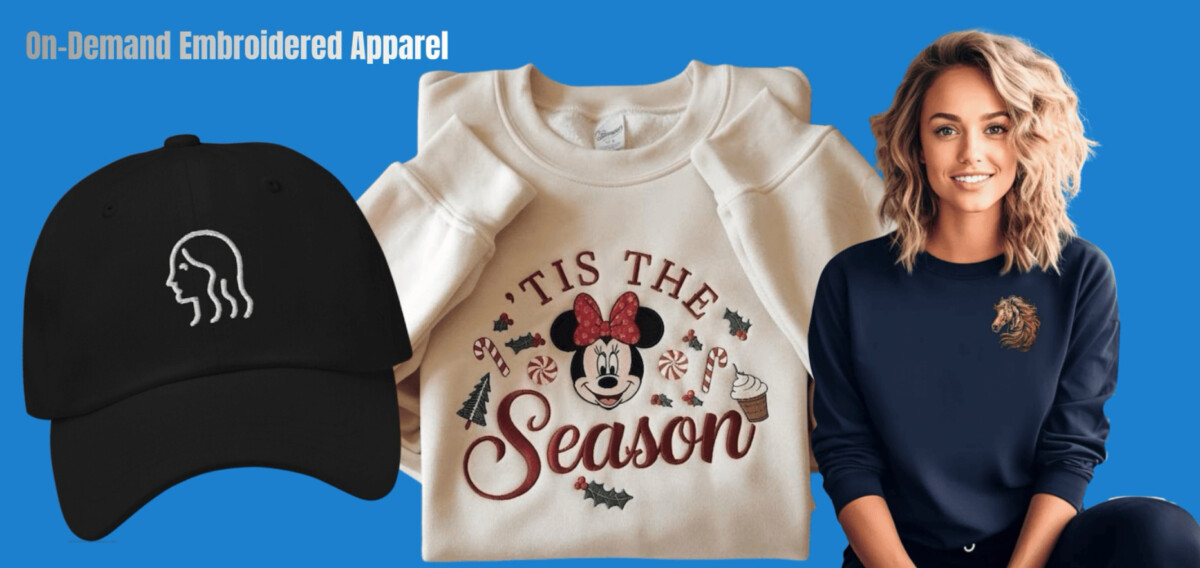
In era of fast fashion, where factories churn out products at warp speed, individualization is the new luxury.
Consumers are demanding embroidered apparel that tells their story. This is where best embroidery digitizing services come into play. The on-demand embroidery business model is different than other retail experiences. This is done with no inventory and little waste creating individual products in quantity and high quality. Though, selling custom embroidered apparel takes a different marketing strategy than normal apparel.
Moreover this strategy is not about selling in bulk or seasonal trends. According to Digitizing Lord it is about connectedness, personalization and originality. In this article we are going to discuss five pointers that will help you in marketing your on-demand embroidered apparel, getting you noticed and gaining loyal customers to your brand.
In the OD world, perception is everything. Many people still regard On-Demand items as low quality and inexpensive fabrics. To rectify that perception, place your embroidered apparel as premium.
Use high-resolution images that show what is special about embroidery. The texture and price of the thread work. Zoomed-in photos and short snippets showing how the stitching is done can quickly convey a quality unattainable in flat prints.
People love to see the “how” process. Create short reels for Instagram followers showing your machine at work. The needle “singing,” the movement of the hoops, detail of the stitch work. Not only is it satisfying to watch, but it also gives them a rationale about the higher price point.
Embroidered designs speak to quality. More than just decoration, embroidery is a quality mark that won’t peel or fade with washing. It lasts even longer than the garment, which is ideal for those who appreciate longevity and sustainability.
The most common mistake brands make is trying to sell their products to everyone. Whereas on-demand embroidery grows in the opposite direction by being hyper-niche.
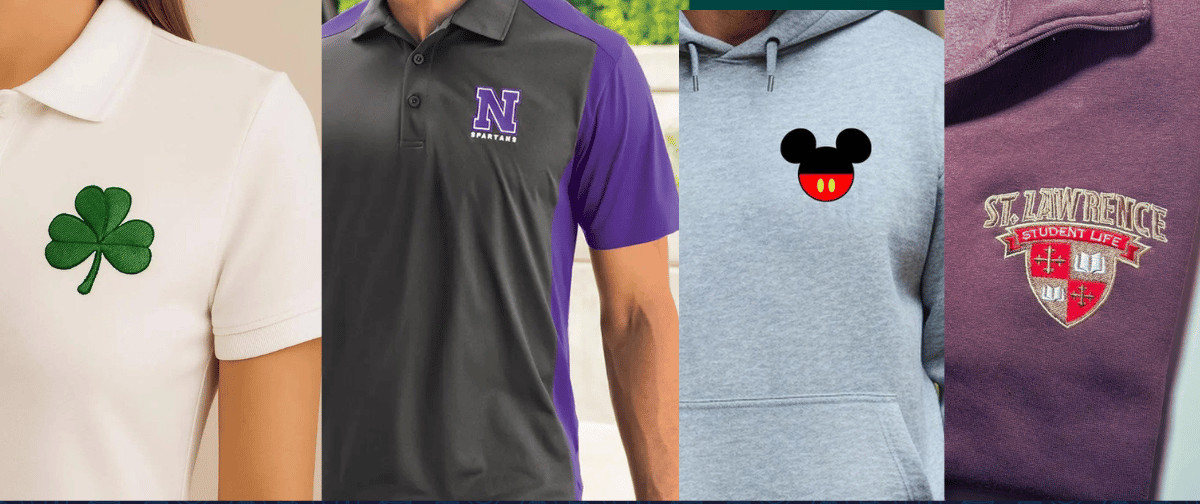
Instead of being generic like ‘t-shirts for everyone’ create for communities that have shared passions. While these audiences are smaller, the engagement and loyalty to them are so much greater. They love products that speak to who they are.
Begin with identitarian interests. Breeds of dogs, local pride, retro-gaming, lovers of coffee, or occupations with little groups such as tattooists or software developers. Each has its own language, humor and even style of embroidery styles.
Forget about using celebrity endorsements. The best partnerships are those with local or micro-influencers who are already part of the communities. A YouTuber with moderate engaged followers in a specific hobby niche will likely drive more conversions than a generic influencer. Give them some free samples and limited designs in exchange for an honest review. Their authenticity sells.
Organize challenges, polls, and naming contests where your followers can vote on the next embroidery idea. Once people have ownership over a design, they are much more likely to purchase and promote the design.
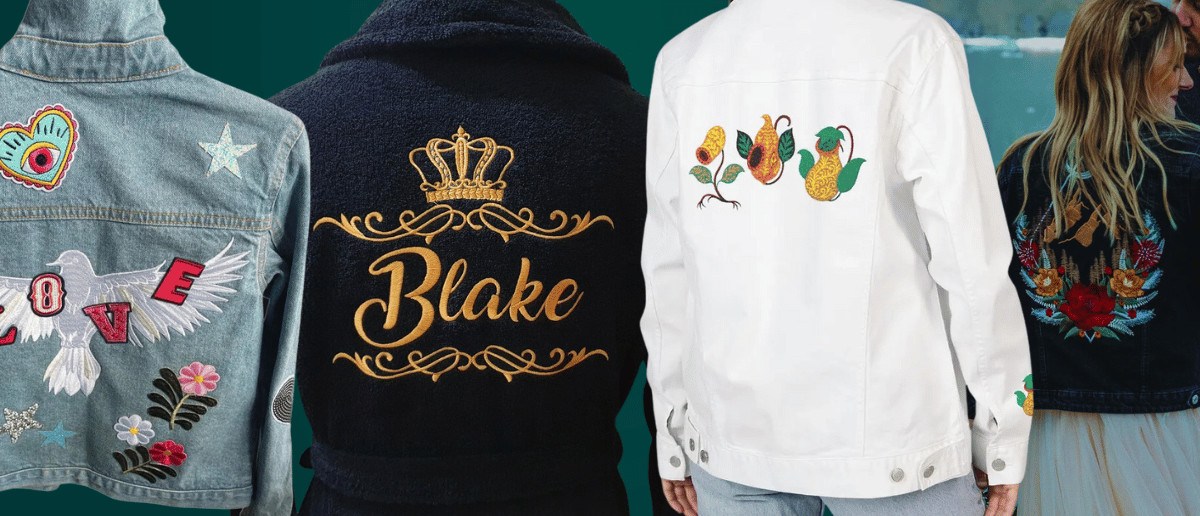
The real magic of customization is control. But many potential buyers abandon their cart because they can’t visualize the object they’re creating. A sophisticated visual configurator takes care of this problem and converts design anxiety into design excitement.
Customers should be able to experiment with choices in real-time on your website. Only Digitizing Lord is able to make it possible for on-demand embroidery customers. If they change colors of thread, styles of fonts, and location of embroidered logos, they should see the change immediately on a 3-D mock-up. This interaction allows them to feel better about their decisions and minimizes hesitance.
Not everyone is a designer. Create some design templates to use. Names such as: “The Minimal Monogram,” or “Bold Lettering for Streetwear.” These products give customers an easy way to participate while still enjoying customization.
Add social sharing buttons allowing customers to submit their work to Instagram or Pinterest before they purchase. This is free advertising and takes advantage of the excitement of development. “Look at what I created!”
Scarcity is valuable even in an on-demand embroidery model where you technically have unlimited stock. The key is psychological. By treating your embroidery designs like limited-edition, you create urgency and FOMO (fear of missing out).
Connect your designs to timely events, seasons, and viral moments. Create a “Fall Harvest Collection” or “Halloween Embroidery”. Each of these themes tells a story and provides a reason for your customer to take action now.
Create a time limitation: like “Available for 7 days only”. Production flexibility exists, but the design’s availability is limited. This creates the irresistible feeling of having to buy it before it’s gone.
Create hype with teaser posts, countdown timers, and pre-launch email alerts. Sneak peeks of the embroidery processes or an announcement of a partnership with local artists will create buzz and anticipation.
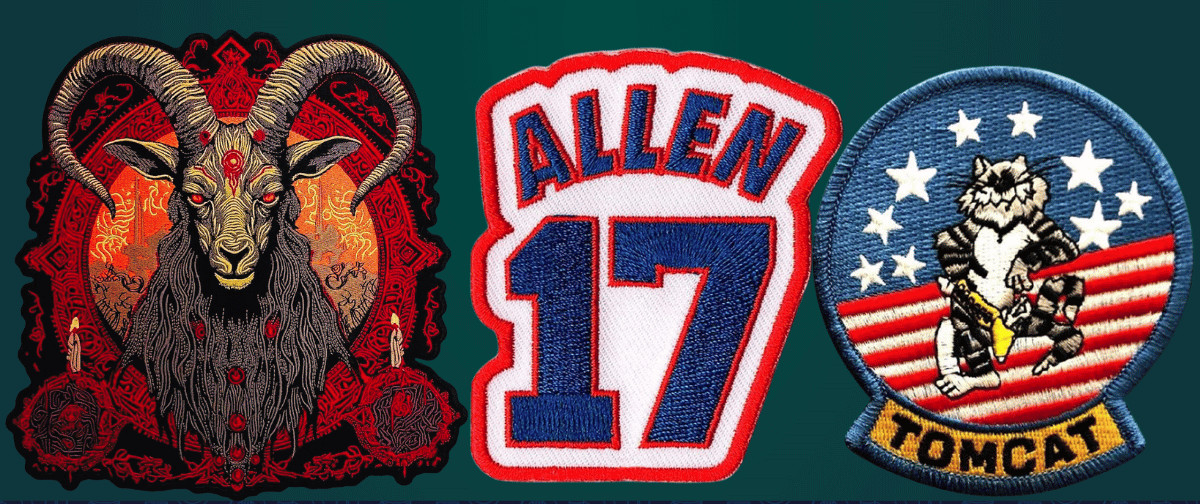
Your clients are your finest promoters. There is no more persuasive way to sell product than by having individuals wear your lifestyle embroidered pieces and adore them. User-generated content (UGC) provides a social proof, authenticity, and relatability to your business that no marketing strategy can accomplish.
Happy customers can post photos or videos of themselves wearing their custom pieces. Give them some type of incentive for submission, such as a discount on their next order or an entry in a drawing held each month.
Have a “Customer Creations” area on your website. This can feature pictures of the customers, their design names, and their stories. Not only does this lend credibility to your business, but it also gives future buyers ideas if they are unsure of what they want to create.
Use a unique, catchy hashtag for collecting and reposting customer photos from social channels. This turns your buyers into ambassadors and your business into a movement.
Earning sales with embroidered apparel on-demand is not just showcasing beautiful stitches, but creating emotion, community and trust. Selling quality and not quantity, targeting micro communities that value uniqueness, simplifying customizations with visual tools, creating urgency with limited design drops and celebrating customers through user generated content, means creating more than a brand but creating belonging. On-demand embroidery is the blending of art, technology and storytelling. Use it as a product and a marketing advantage. Your turn now; which of these strategies will you first try? Please post your ideas or success stories in the comments below and join the movement of brands who are making stitches of stories.





