

Dotdigital blog
Tired of spam emails cluttering your inbox? Discover the top ten reasons why spam is harmful to both recipients and businesses, and learn effective, ethical email marketing strategies to boost customer engagement.
Are you tired of a cluttered inbox full of unwanted emails? You’re not alone. Spam emails are not just annoying. They can also put your online security at risk. In this blog, we’ll:
Spam is any email someone didn’t ask for or want. Whether you use email for work or personal reasons, you have probably seen plenty of it. As marketers, it can be tempting to send mass emails to reach more people. But that approach can do more harm than good.
Let’s look at why.
Imagine you signed up for a newsletter about productivity apps. A few weeks later, you start getting dozens of emails from unrelated companies, like fitness supplements, travel deals, or random software offers.
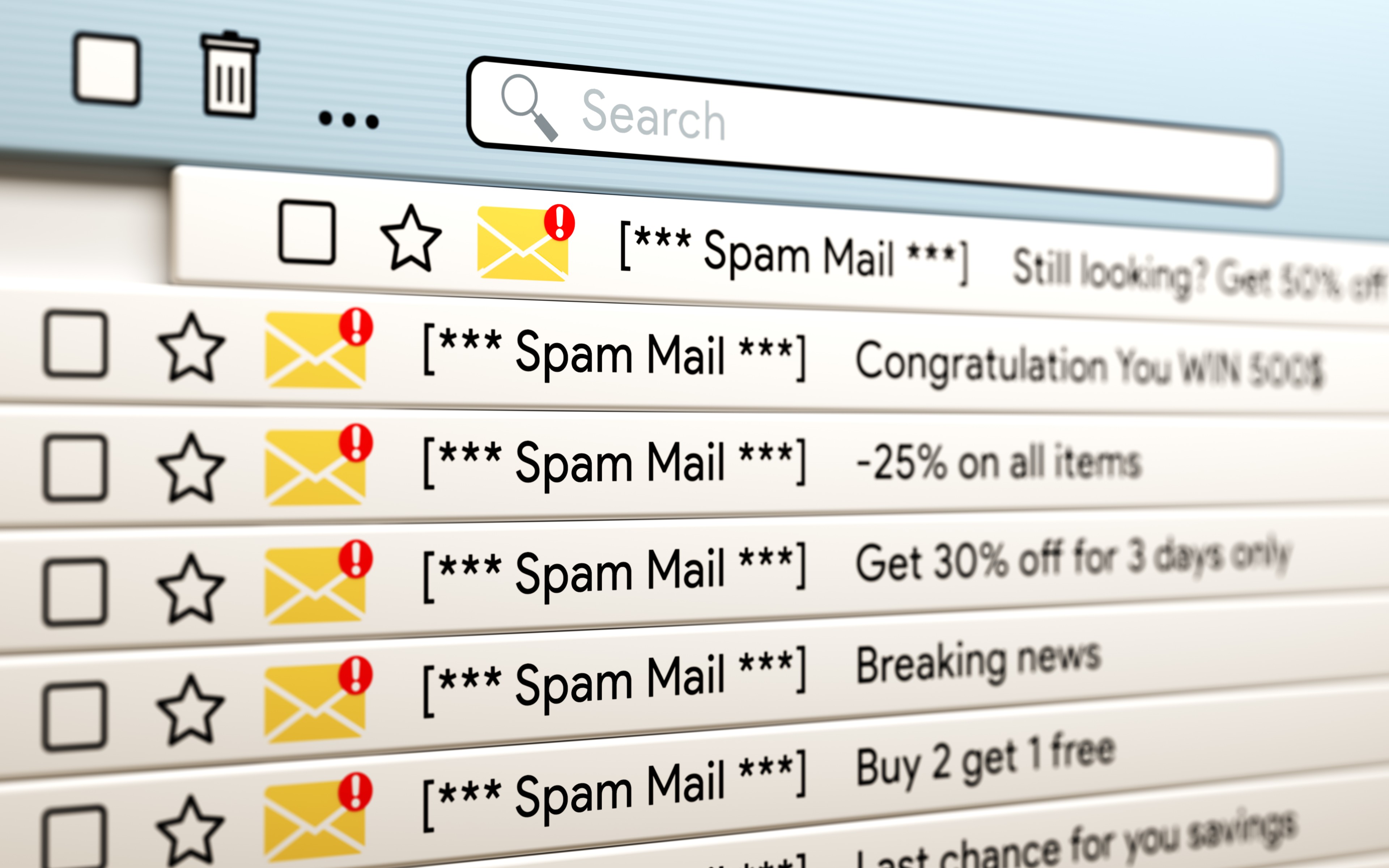
These messages clutter your inbox, waste your time, and make it harder to see the emails you actually care about. This is spam, and it is exactly what you want to avoid sending as a brand.
Nobody likes getting emails they didn’t sign up for. People already get hundreds of email messages every day and don’t want to waste time on irrelevant content. When you send spam, you risk frustrating the people you are trying to reach.
Sending spam can get you into serious trouble. For example, regulations such as Canada’s Anti-Spam Legislation (CASL) and other privacy laws are in place to protect consumers and businesses from the misuse of digital technology.
To avoid legal headaches, follow your region’s email marketing rules. By respecting privacy and being transparent, you build trust and protect your brand.
Spamming doesn’t just break rules. It’s unfair to recipients too. It wastes their time and resources. Remember, many email users pay for their internet service based on usage or time spent online.
So when you send your unsolicited email, you’re essentially imposing financial costs on others. This unethical practice reflects badly on the sender and can seriously damage the integrity of your brand and relationship with your customers.
Customer trust is important for strengthening relationships, driving customer loyalty, and promoting positive word-of-mouth. But spam makes your brand feel careless or intrusive, which can lead customers to take action like:
To keep the trust of your customers, always get permission before emailing someone. Tell people what they will receive and how often. When your emails are welcome, relevant, and personal, you’ll earn loyalty and better engagement.
Spam emails don’t perform well. They often end up in spam folders where no one sees them. And even if they reach inboxes, they’re unlikely to get clicks or conversions. Instead, focus on consent-based marketing.
Investing time and resources into a marketing strategy that spams people is a waste of time and effort.
Some spam emails contain malware, unsafe links or phishing attempts. These can damage devices or steal personal data. Even if your emails are safe, being associated with spam makes people wary of your brand.
Spam ignores who recipients are and what they care about, which isn’t how successful email marketing works.
Instead, you should you should personalize your emails by segmenting your mailing lists and sending targeted messages. With this approach, you can deliver tailored content that resonates with your audience. When people feel understood, they are more likely to engage.
Sending too many spam-like emails from your domain can hurt your ability to reach inboxes. Internet service providers (ISPs) monitor sending behavior closely. If they detect high volumes of unsolicited email, they may flag your domain or IP address. This can affect even your legitimate campaigns, meaning emails people have opted into might land in spam folders instead of the inbox.
Over time, this can:
Spam rarely delivers meaningful results. For example, some studies show spammers might need to send thousands of emails just to get a single click or response. That’s a huge investment of time, effort, and resources for almost no payoff.
In contrast, campaigns carried out with a proper email marketing platform can achieve much higher engagement and ROI.
Focusing on quality over quantity helps your emails:
Once people label you as a spammer, it can be very hard to recover. Spam makes your brand look careless, untrustworthy, or unprofessional. Even if the content of your emails is good, being associated with spam can leave a lasting negative impression.
Building a strong reputation takes time, and one poorly targeted campaign can undo a lot of that effort. By focusing on ethical, permission-based email marketing, you:
Spam doesn’t help anyone. It frustrates recipients, damages trust, and makes inboxes a less enjoyable place. Instead, focus on responsible email marketing that looks at sending genuine, targeted, and ethical emails your audience wants to receive.
The better approach is to create campaigns that show your customers you value them. When you build trust, tailor content to their needs, and communicate thoughtfully, you’ll see stronger engagement, better results, and a more positive brand reputation.
Spam triggers email filters in a few key ways. For instance, providers look at your:
Things like low open rates or high complaint rates can push emails into spam folders. Sending responsibly helps ensure your legitimate campaigns reach the inbox and perform as intended.
Not necessarily. In most cases one word alone won’t make your email go to the junk folder. Major mailbox providers now rely more on sender reputation, domain/IP reputation, and how recipients engage with your emails. However, that doesn’t mean subject lines don’t matter at all.
Spam doesn’t just have a low ROI. It can also cost your business in less obvious ways, like platform fees, wasted team hours, and missed opportunities. Over time, these hidden costs add up and outweigh any small gains. Targeted, permission-based campaigns are a smarter investment for your time and budget.
Follow these steps to stay ethical and effective:
Doing this helps you avoid complaints, improve engagement, and build a stronger, more trustworthy brand.





