
17th
October, 2025
Influencer marketing has become a cornerstone for e-commerce brands and Amazon sellers looking to boost product visibility and trust. With the rise of micro influencers (social media creators with modest but highly engaged followings), brands can generate authentic buzz and user-generated content (UGC) at scale. However, managing dozens or even hundreds of influencer relationships manually can be overwhelming. This is where specialized Influencer CRM (Customer Relationship Management) and relationship management tools come into play.
In this blog, we’ll explore what influencer relationship management entails, who benefits most from these tools, and the top platforms available in 2025 to streamline your influencer campaigns. We’ll also include a handy pricing chart and lists for easy scanning. Let’s dive in!
Influencer Relationship Management (IRM) refers to the process of managing and nurturing relationships with influencers (content creators, brand ambassadors, micro influencers, etc.) in a structured way. It’s similar to traditional CRM for customers, but tailored to influencers’ unique role in marketing. An Influencer CRM platform typically offers features for every stage of an influencer campaign:
Finding relevant influencers who align with your brand’s niche, audience, and goals.
Organizing influencer contact info and managing communications (emails, DMs) at scale, often with templates or automated follow-ups.
Tracking each collaboration through stages – from initial proposal, content creation, approvals, to posting and follow-up.
Collecting and organizing the content that influencers create (posts, videos, reviews), and capturing UGC rights or assets for reuse.
In short, an influencer CRM serves as a one-stop hub to find, manage, and measure influencer partnerships, which is crucial for scaling your influencer marketing efforts effectively. Instead of juggling spreadsheets and DMs, brands (or agencies) can rely on these tools to keep influencer collaborations running smoothly.
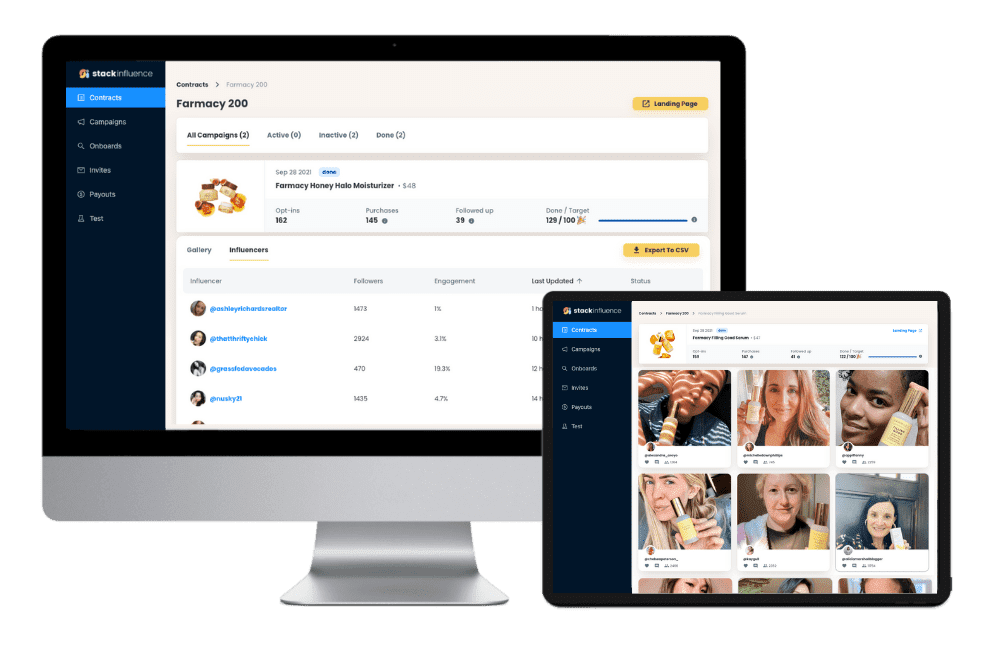
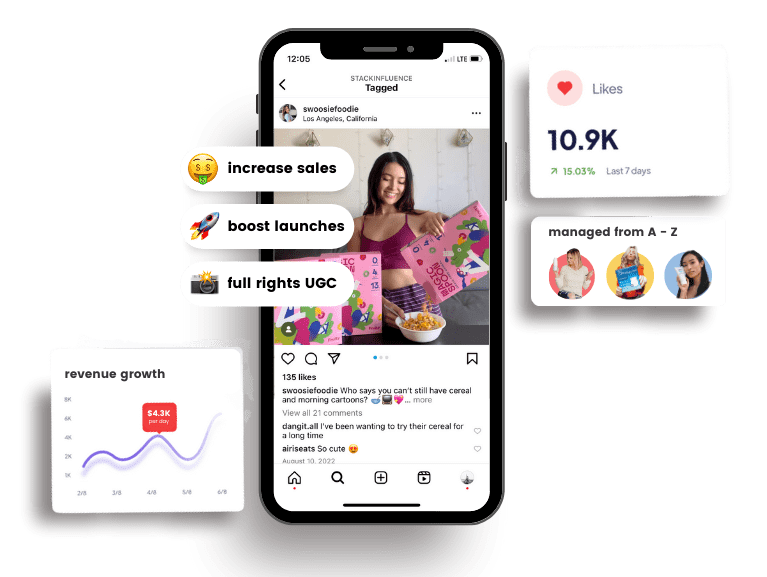
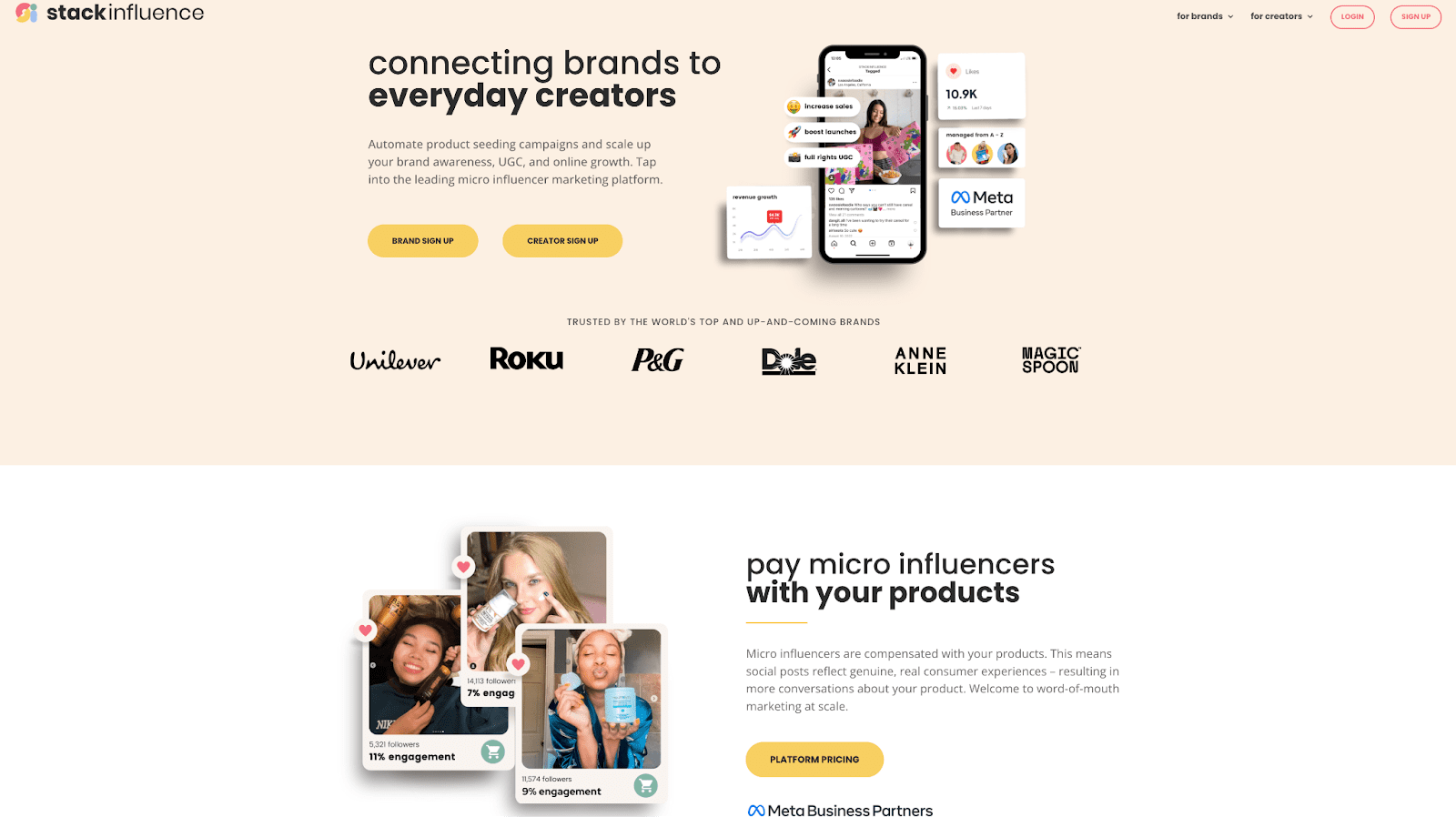
Stack Influence takes a slightly different approach than the SaaS platforms above – it is a micro-influencer marketing platform and service that focuses on product seeding campaigns. In other words, Stack Influence connects e-commerce brands (including Amazon sellers) with networks of micro-influencers and manages campaigns where influencers are typically “paid” with free product (and sometimes small fees) rather than hefty cash payments. This model generates authentic content and word-of-mouth at scale, which is incredibly valuable for consumer brands.
As mentioned, it’s performance-based. For example, if Stack Influence’s fee starts at $39 per influencer promotion, and you engage 100 influencers, that would cost $3,900 (plus the cost of your product units sent out). They also offer package deals or discounted rates at higher scale. There’s no long-term contract required for the software – you can ramp campaigns up or down as needed, making it very flexible for seasonal pushes or testing new products.
E-commerce brands, Amazon sellers, and consumer product companies that want to harness micro-influencers without building an in-house program from scratch. It’s perfect for those who prefer a “managed service” model where you hand over the reins and let experts run a micro-influencer campaign on your behalf. If you care about authentic UGC and buzz more than meticulously controlling every message, Stack Influence is a great choice. It’s also a fit for budget-conscious marketers – you can start small and scale up, paying per result, rather than diving into an expensive annual software commitment.
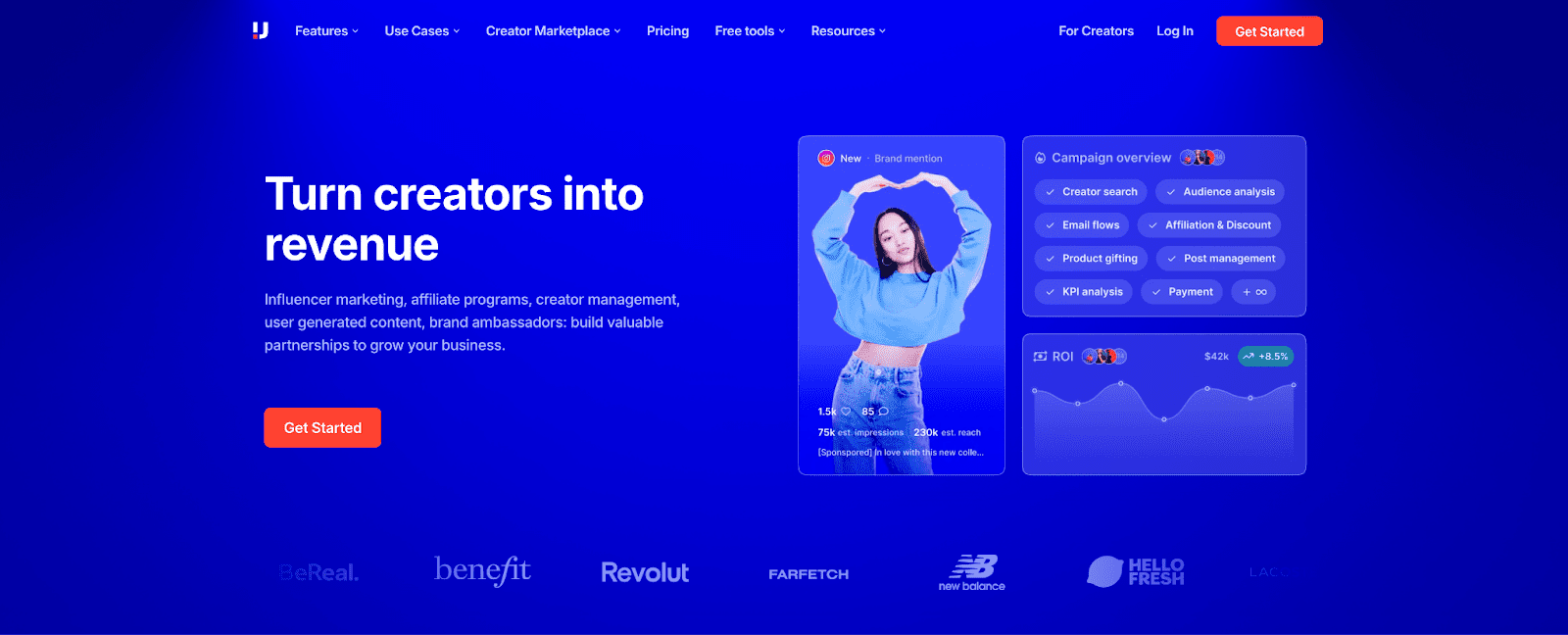
Upfluence is an all-in-one SaaS influencer marketing platform known for its powerful influencer search engine and e-commerce integrations. Upfluence allows brands to discover influencers across major social networks (Instagram, YouTube, TikTok, Twitch, blogs, etc.) and manage campaigns in one place.
Upfluence is an enterprise solution and uses custom pricing. In practice, plans typically start around $2,000 per month with an annual commitment. (Smaller packages or trials may be available, but robust functionality comes at a premium.)
Medium to large brands, agencies, and data-driven e-commerce companies. If you need a comprehensive tool to search and manage a large number of influencers – and you’re integrating influencer marketing with your online store (Shopify, etc.) – Upfluence is a top choice. Keep in mind the interface is powerful but can be complex, so it’s ideal for teams that plan to heavily invest time and budget into influencer programs.
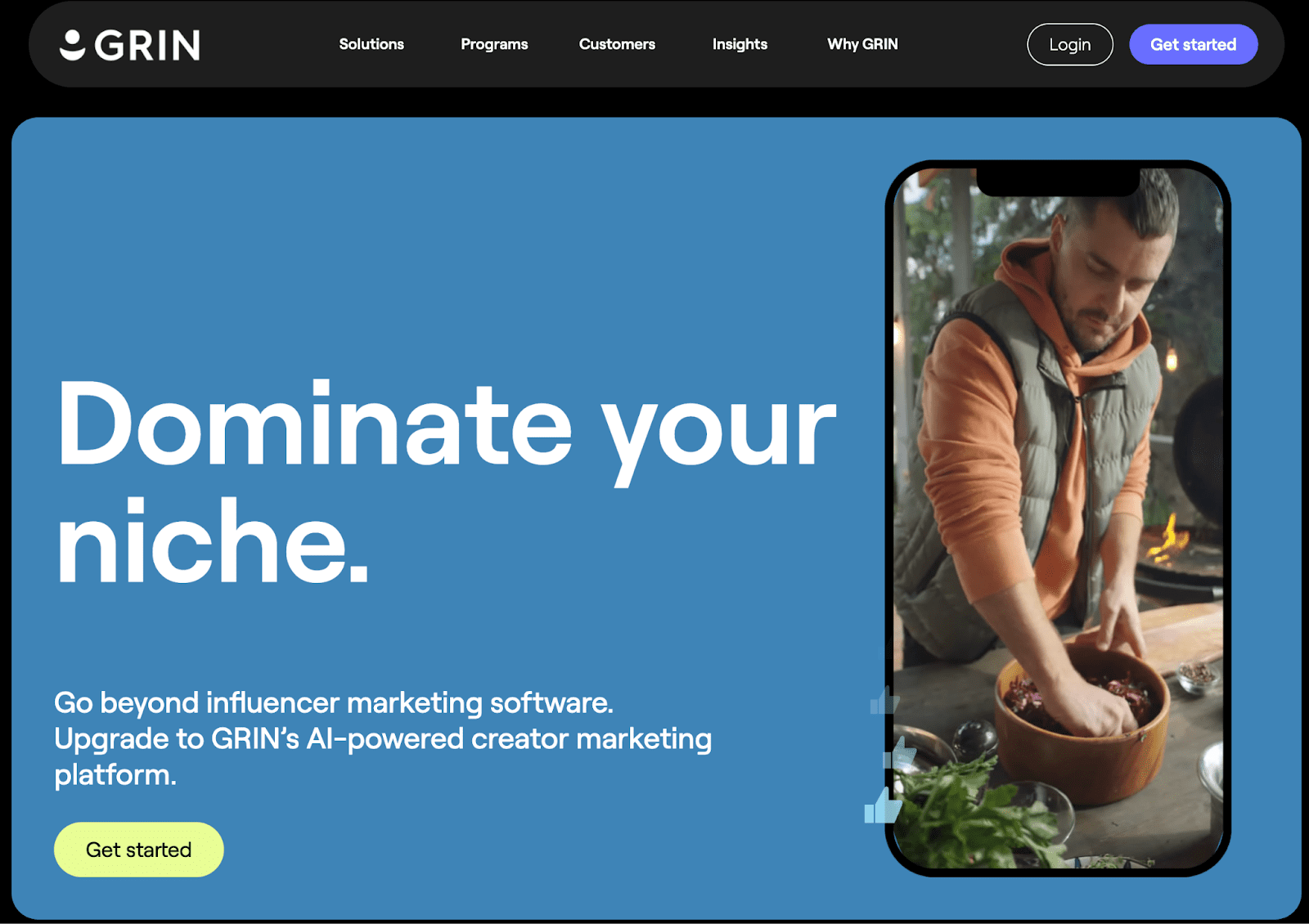
GRIN (sometimes styled as Grin) is a popular influencer marketing software focused on end-to-end creator management. It’s particularly known for strong relationship management and workflow tools, making it easier to handle all the logistics of influencer campaigns in-house. GRIN positions itself as a solution “built for e-commerce brands” and has deep integrations for online stores (including a Shopify app).
GRIN is an enterprise-level platform priced around $2,500 per month (annual contract) for its full suite. This investment makes sense for brands that are running large-scale programs (or agencies with many clients), but it may be pricey for smaller businesses.
Established e-commerce brands with sizable influencer programs, or agencies. If you already have a roster of influencers and need to streamline campaign execution (rather than discovering new influencers), GRIN’s robust CRM and workflow features are a great fit. It’s often praised as a tool that “streamlines influencer marketing processes”. Just be prepared to source new influencer contacts via other channels due to the lack of a discovery engine.
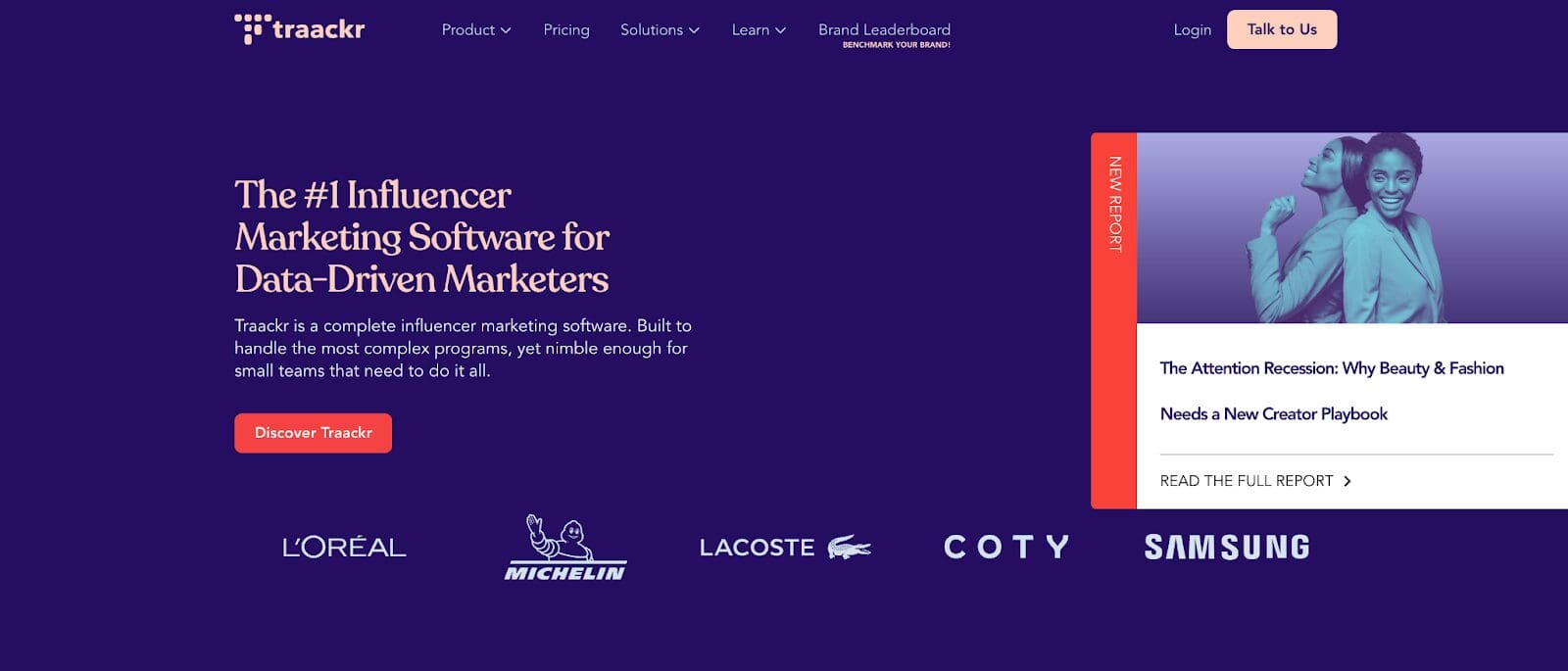
Traackr is a veteran influencer marketing platform known for its emphasis on data and analytics. It’s often used by larger brands that want to take a very data-driven approach to influencer marketing. Traackr’s strength lies in influencer identification, monitoring, and performance measurement – essentially the analytics and tracking side of IRM.
Traackr is on the higher end, roughly $2,600 per month with an annual commitment. It’s an investment aimed at enterprises or those heavily prioritizing analytics.
Brands that prioritize data-driven influencer strategies and need to justify influencer spend with detailed analytics (e.g., finance, tech, or Fortune 500 companies with big influencer budgets). Also, global companies that need to monitor influencer impact across markets find Traackr useful. If your team is full of analytics geeks who want to optimize influencer ROI to the max, Traackr should be on your shortlist.
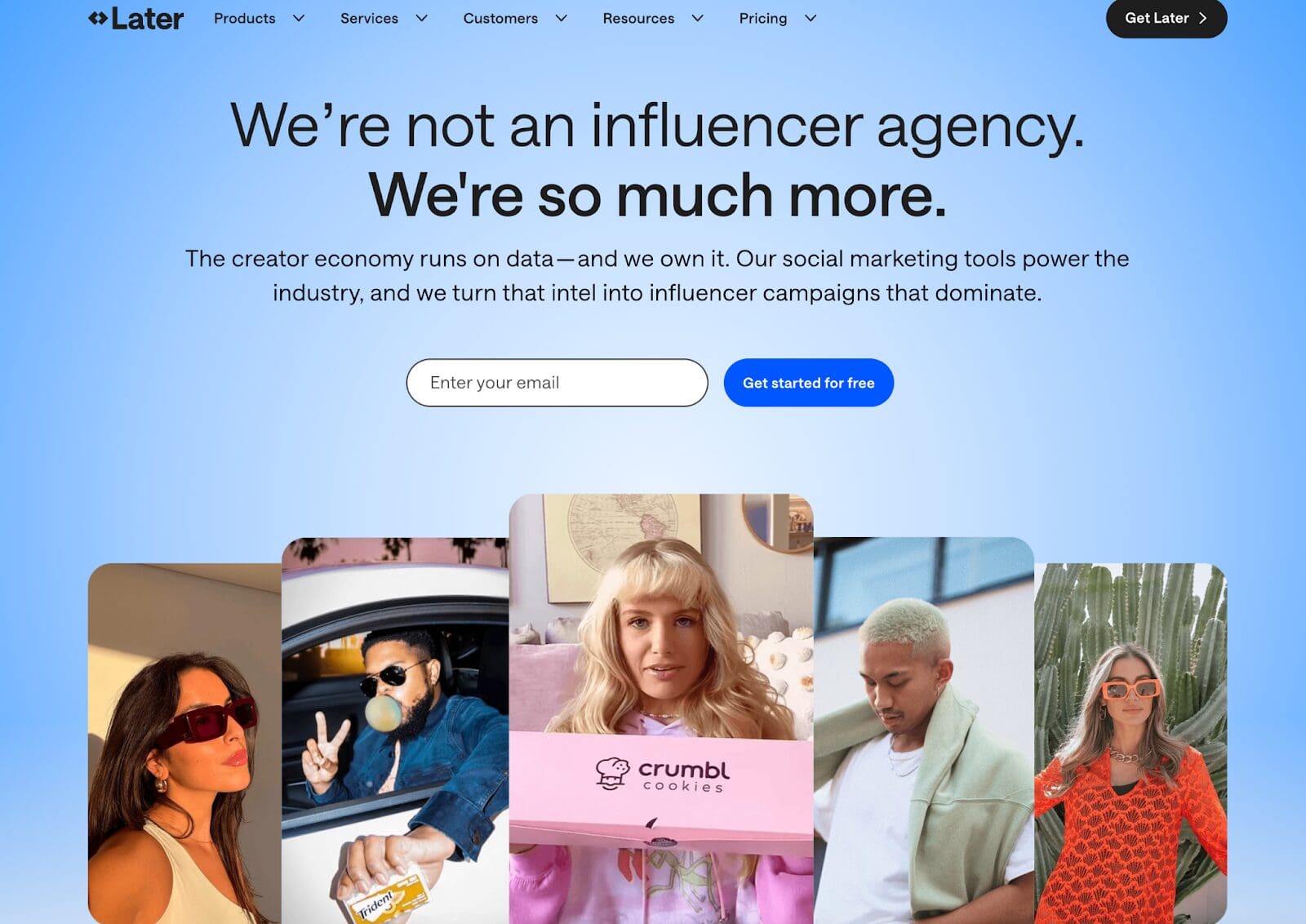
Later (formerly Mavrck) is an influencer marketing solution that resulted from the merger of Mavrck (a leading influencer platform) and Later (a social media management tool). Now unified under the Later brand, it offers a versatile platform for influencer campaigns, social media management, and more. Later is especially strong for brands looking to integrate influencer marketing tightly with their overall social media strategy.
Later is positioned for enterprise use, with pricing around $3,000 per month (annual contract) for the full platform. It’s one of the higher cost solutions, reflecting its comprehensive feature set and enterprise focus.
Large brands and retailers that run advanced influencer campaigns and want integration with broader social marketing. For example, a big fashion brand that coordinates influencer posts, user-generated content reposts, and its own social media scheduling could benefit from Later’s unified system. If TikTok campaigns are a major focus, Later’s direct TikTok integration is a standout feature. Smaller brands may find it overkill (and over-budget), while enterprise teams appreciate the all-in-one power.
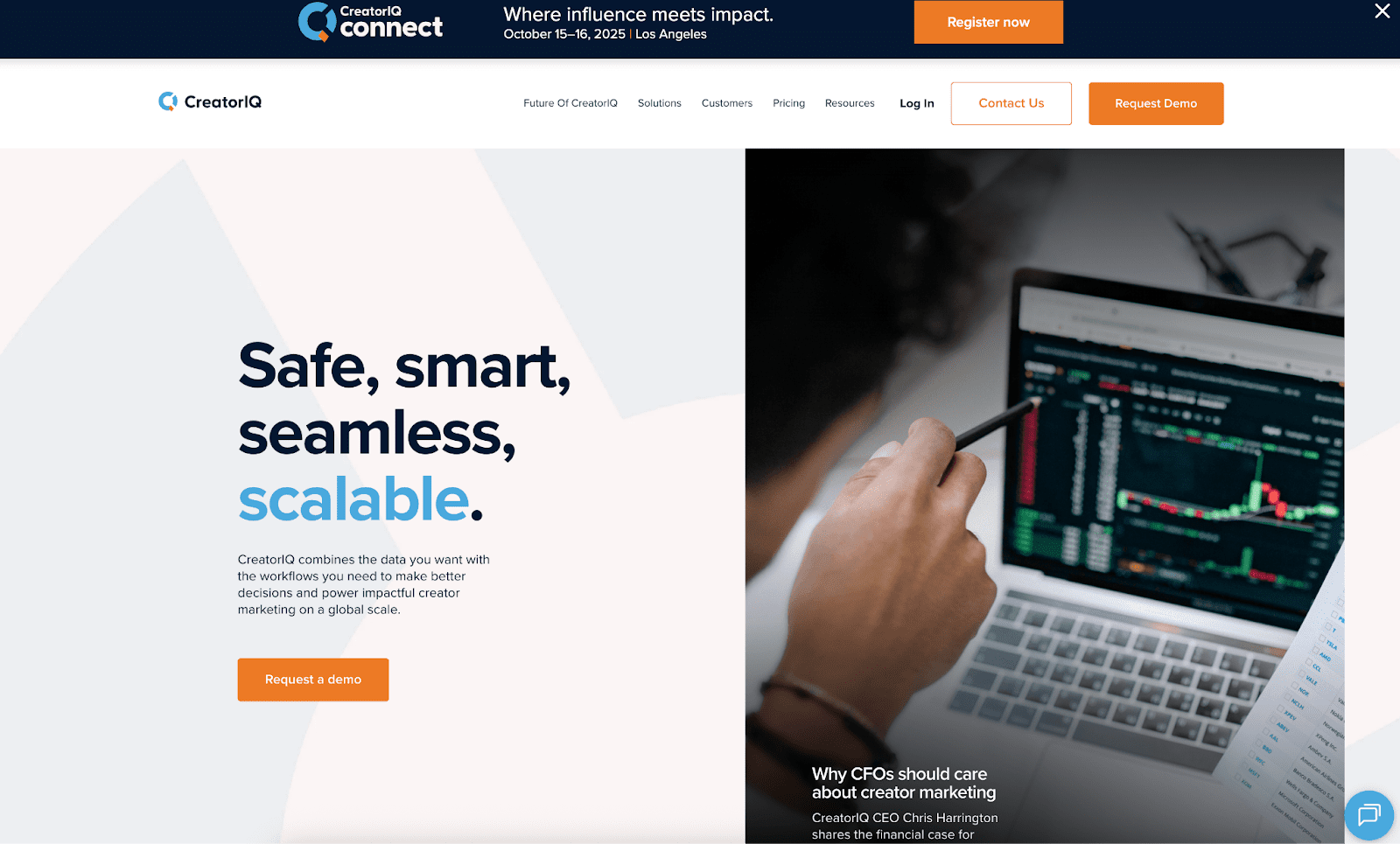
CreatorIQ is an enterprise-grade influencer marketing platform often favored by big companies and agencies for its scalability. It describes itself as an “Influencer Marketing Cloud” – indicating its robust capabilities and integrations. CreatorIQ’s focus is on data management and workflow at scale, making it well-suited for those managing large communities of influencers or multiple campaigns simultaneously.
CreatorIQ pricing is typically custom-quoted. Reports indicate it’s roughly $2,300+ per month on annual plans for many clients. It’s not a small investment, but it’s aimed at those running large-scale programs who need that depth and support.
Enterprises, global brands, and agencies that need a very robust, scalable solution. If you’re managing, say, a global ambassador program with hundreds of influencers or multiple brands, CreatorIQ can handle it. It’s also a top pick for those who need tight data governance and integration with other enterprise tools. However, for a small business or one-off campaigns, this might be more than you need.
Tagger (also known as Tagger Media) is a digital platform for influencer marketing that provides end-to-end campaign management. Tagger has gained traction for its user-friendly interface and strong audience insights. Notably, Tagger was acquired by (or is backed by) Sprout Social, a leading social media management company. This backing means Tagger integrates well with social media management and benefits from a larger development ecosystem.
Tagger is an enterprise tool, with pricing roughly $2,500 per month (annual contract), similar to the other big players. They may offer different tiers, but detailed pricing is typically provided via demo/quote.
Brands and agencies that want a modern interface and strong analytics, especially if they are already invested in Sprout Social’s ecosystem. If analyzing influencer audiences deeply and comparing social data is a priority, Tagger’s capabilities shine. It’s well-suited for social media savvy teams who want an intuitive yet powerful platform.
Klear is an influencer marketing platform that has been around for quite some time, known originally for its influencer analytics and social listening capabilities. Klear (which was acquired by Meltwater a few years back) provides tools for discovering influencers and managing campaigns, with an emphasis on tracking influencer activities and measuring impact.
Klear is priced at around $2,300 per month (annual plan) for its typical clients. Pricing may vary based on the number of users or influencers you track. Meltwater (its parent company) often sells it as part of a suite with social listening tools.
Companies that value social listening and analytics, and want to monitor influencer mentions as much as manage campaigns. For example, if you’re a brand that needs to keep an ear to the ground on what influencers are saying about your industry (not just about your own campaigns), Klear is quite handy. It’s also good for PR or communications teams extending into influencer marketing, given its Meltwater lineage.

Aspire (formerly known as AspireIQ) is an influencer marketing platform that combines software with an influencer marketplace. Aspire focuses on helping brands build long-term relationships with influencers and even with passionate customers or fans who can become advocates. It’s known for using AI recommendations to match brands with potential influencers.
Aspire’s pricing is in line with other top platforms – around $2,000 per month (annual commitment) for the standard offering. They may have different tiers or managed services that affect pricing.
Brands that want a mix of self-service software and access to a pool of influencers. The marketplace aspect makes Aspire great for brands that might not already have a huge list of influencer contacts – you can find new partners within the platform easily. It’s also well-suited for those who like to leverage technology (AI suggestions) to inform their influencer strategy. Do note that some users report Aspire’s outreach tools are a bit less advanced than others, which might be fine if you lean on the marketplace or only run smaller-scale outreach.
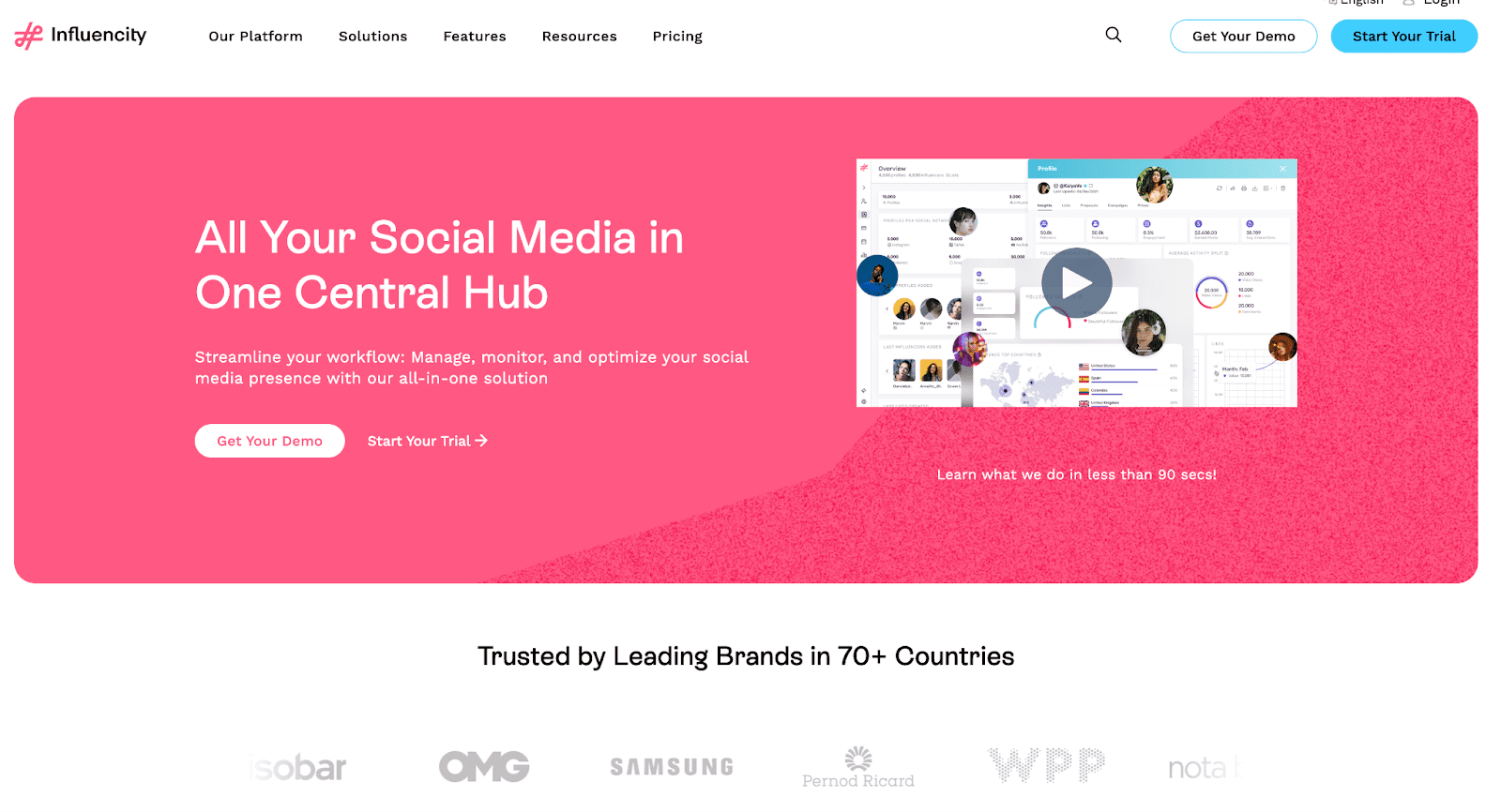
Influencity is a newer entrant in the influencer marketing software space, offering a more affordable yet capable platform. It’s a cost-effective solution for influencer relationship management, with strengths in data analysis and campaign optimization. Influencity may not have all the bells and whistles of the largest players, but it covers the essentials for many brands.
Influencity is significantly more affordable than most others on this list – roughly $348 per month, and notably it allows month-to-month subscriptions (no long annual lock-in). This flexibility is great for small businesses or those who want to try it out without a huge commitment.
Small to mid-sized brands or agencies on a budget. If you are just getting started with influencer CRM tools or have a modest program (say, working with a handful of micro-influencers each month), Influencity can cover your needs without the enterprise price tag. It’s also a good trial platform to learn what features you truly need before potentially upgrading to a more expensive solution. Companies that don’t need fancy extras like in-app gifting or an integrated marketplace will find Influencity hits the sweet spot of value and functionality.
Influencer relationship management is a must-have capability for any brand serious about influencer marketing, especially in the fast-paced world of social commerce. The right tool can help you efficiently manage dozens of micro-influencer partnerships, track the UGC and content they produce, and measure the ROI down to the dollar. In this article, we covered a range of top solutions – from heavy-duty enterprise platforms like Upfluence, GRIN, and Later, to more agile or affordable options like Influencity and Stack Influence’s managed micro-influencer service.
Ultimately, the goal is to build lasting relationships with influencers who genuinely love your product, and to leverage those relationships to drive growth. Whether you’re aiming to get tons of micro-influencer Instagram posts showing off your new gadget, or running a multi-platform campaign with top creators, there’s an influencer CRM tool that fits your needs. By investing in the right relationship management platform, e-commerce brands and Amazon sellers alike can save time, stay organized, and scale up their influencer marketing to new heights – turning social media influence into tangible business results.

By William Gasner
CMO at Stack Influence
William Gasner is the CMO of Stack Influence, he’s a 6X founder, a 7-Figure eCommerce seller, and has been featured in leading publications like Forbes, Business Insider, and Wired for his thoughts on the influencer marketing and eCommerce industries.
Want new articles before they get published? Subscribe to our Awesome Newsletter.
111 NE 1st St, 8th Floor
Miami, FL 33132



© 2025 Stack Influence Inc
© 2025 Stack Influence Inc
The post Top Influencer Relationship Management Tools for 2025 appeared first on Stack Influence.