

Verified & Reviewed
Published on January 29, 2025 Written By Meredith Flora
Published on January 29, 2025 Written By Meredith Flora

For ecommerce businesses, getting familiar with the key players in the shipping process is vital to keeping orders on track. One of these important roles is the consignee—the person or business responsible for receiving the goods at their final destination.
This article explains what a consignee is, their responsibilities, and how modern logistics companies fit in to make managing this role easier and more efficient.
In shipping, the consignee is the final recipient of the goods in the logistics chain, whether it’s a customer ordering from an online store, a business receiving bulk inventory, or a partner managing consignment inventory. The consignee’s role is crucial—they are the endpoint of a process that starts with the consignor (the shipper) and involves multiple intermediaries like shipping companies and distribution centers.
The consignee’s responsibilities vary depending on the shipping context but generally include the following:
B2B consignees play a critical role in maintaining the integrity of the supply chain. Their responsibilities often tie into processes like demand forecasting, helping businesses anticipate future inventory needs, minimizing overstocking, and ensuring warehouse capacity is used effectively.
A consignee can be an individual, a business, or even a third-party recipient, depending on the shipping context. Here’s a look at how consignees function in both domestic and international scenarios.
Sarah, a U.S. shopper, orders sneakers online and provides her home address as the delivery destination, making her the consignee. The retailer ships the shoes from a nearby dynamic storage facility for fast delivery, and Sarah completes the transaction as the final recipient.
Now image, a boutique in France orders 500 ceramic vases from a U.S. supplier, acting as the consignee. They handle customs duties and import compliance, and after clearing customs, the shipment is delivered, inspected, and added to their inventory.
In some cases, the consignee isn’t the end purchaser. For instance:
For ecommerce businesses, having a strong relationship with B2B consignees, whether a 3PL, on-demand warehouse, or retailer, ensures inventory is handled properly and delivered to customers on time.
Let’s say you run an ecommerce business and partner with a 3PL, like ShipBob, to store inventory and fulfill your orders. In this case, the 3PL acts as the consignee, receiving bulk inventory in shipper-owned containers (SOCs), carrier-owned containers (COCs), or other large shipment packaging. From there, the 3PL begins the process of unloading, organizing, and preparing the inventory for storage and eventual fulfillment.
But a 3PL’s responsibilities don’t stop there. They may need to split shipments or consolidate orders to satisfy certain shipping requirements or to reduce costs. They may also be responsible for kitting or repackaging orders in custom-branded boxes. All of these steps are part of ensuring a smooth and reliable ecommerce warehousing and order fulfillment process.
A B2B consignee managing your inventory and orders can greatly impact your ecommerce business. Delays or damaged goods can harm your reputation, while timely, well-packaged deliveries leave a lasting positive impression. ShipBob for instance, helps enhance the customer experience with features like real-time tracking for updates, custom packaging for memorable unboxing experiences, and reliable shipping practices to reduce delivery issues.
Delivering to consignees around the globe can come with its fair share of challenges, even with well-planned systems. This includes:
The consignee and consignor each have a unique role in getting goods from their starting point to their final destination. Their responsibilities work together to make sure the shipment is delivered successfully.
The consignor is the originator of the shipment—typically the seller, supplier, or manufacturer. Their primary responsibilities include:
Although both need to work together to complete a shipment, their roles and responsibilities are quite different:
Role in the logistics chain:
Responsibilities:
Interactions:
Getting the roles of consignor and consignee right is key to creating accurate shipping documents like shipping labels, invoices, and bills of lading. Clear information helps avoid mix-ups, delays, or even lost goods while making sure responsibilities are well-defined at every step.
ShipBob leverages advanced technology and a robust logistics network to streamline the consignee experience. By addressing key pain points such as cross-border issues, tracking transparency, and packaging personalization, ShipBob makes sure every consignee experiences a hassle-free delivery process.
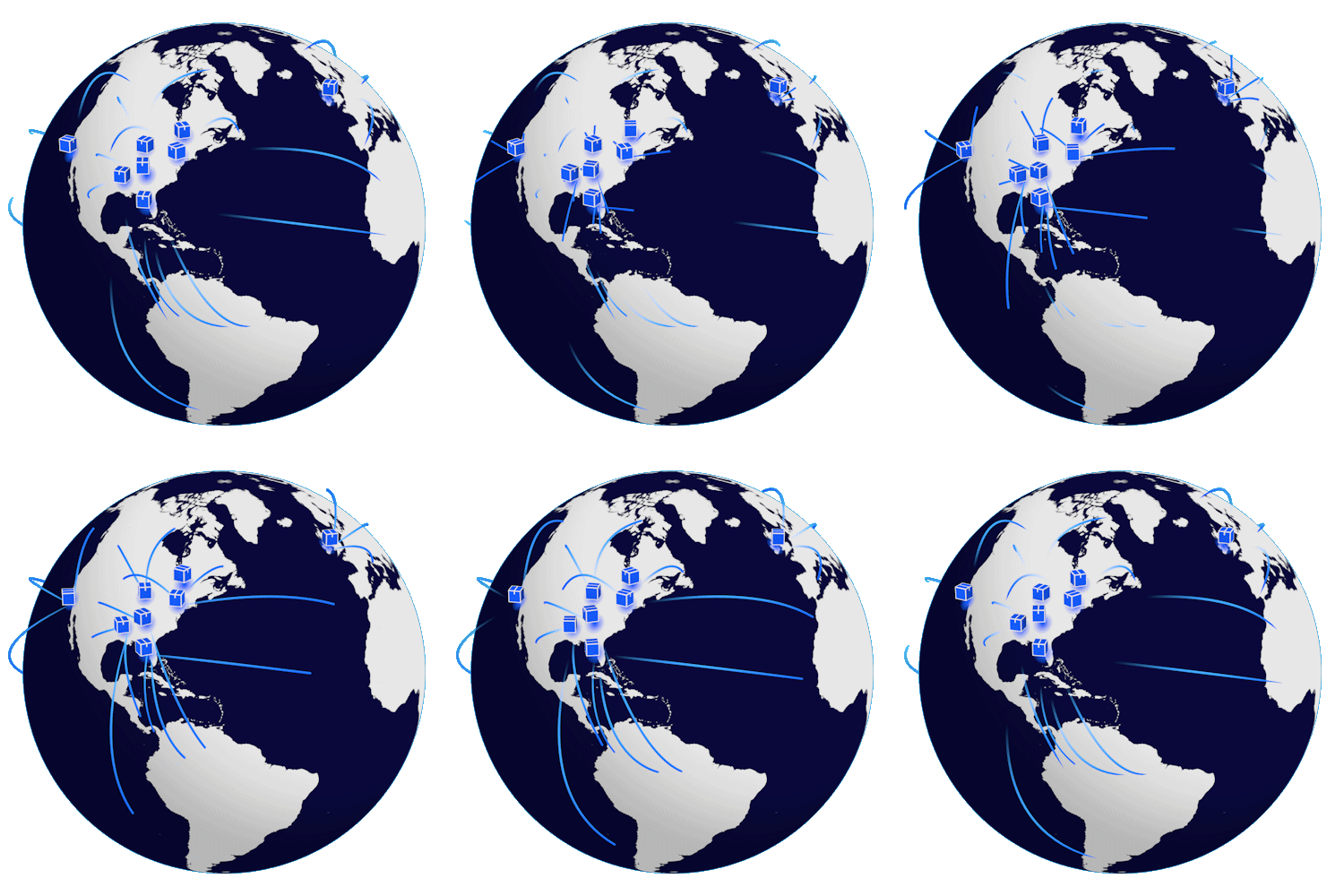
International shipping can be complex, with regulations, fees, and duties causing stress for businesses and delays for consignees. ShipBob streamlines the process by offering DDP shipments, international shipping discounts, and overseas fulfillment capabilities so consignees receive their orders quickly and hassle-free.
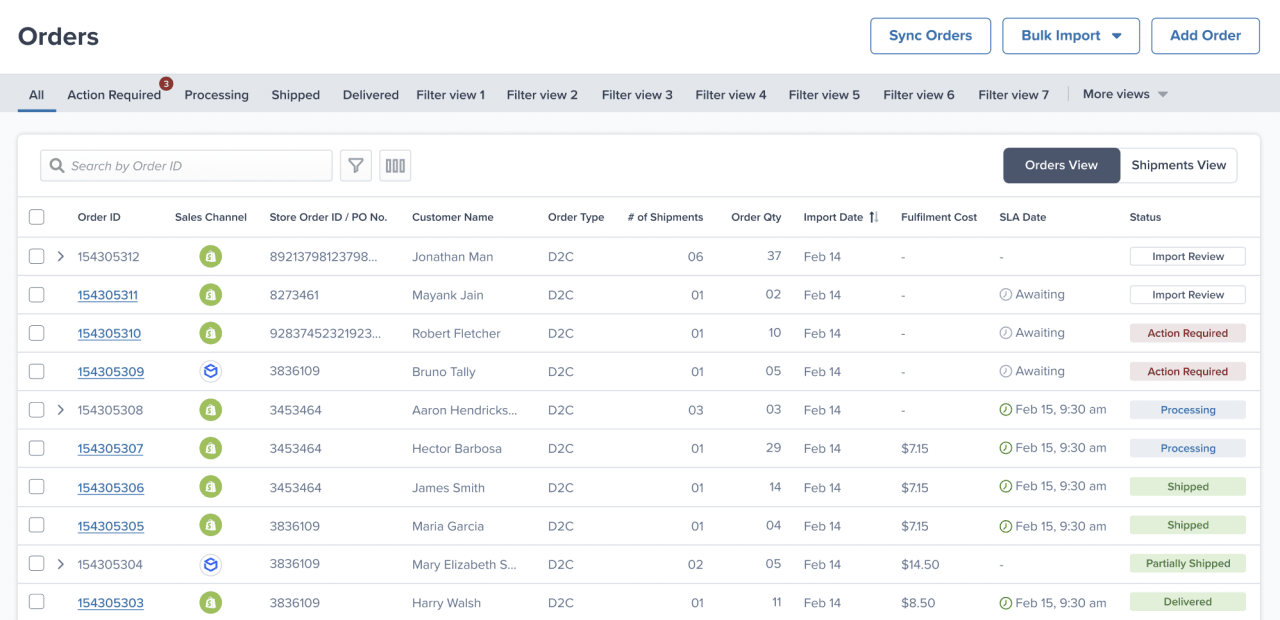
ShipBob’s powerful order management system (OMS) takes the guesswork out of shipping and fulfillment. With features like automated order processing and detailed reporting, our OMS ensures smooth operations and accurate tracking at every stage. By providing businesses with the right tools, ShipBob empowers merchants to manage inventory efficiently, reduce errors, and keep consignees happy.
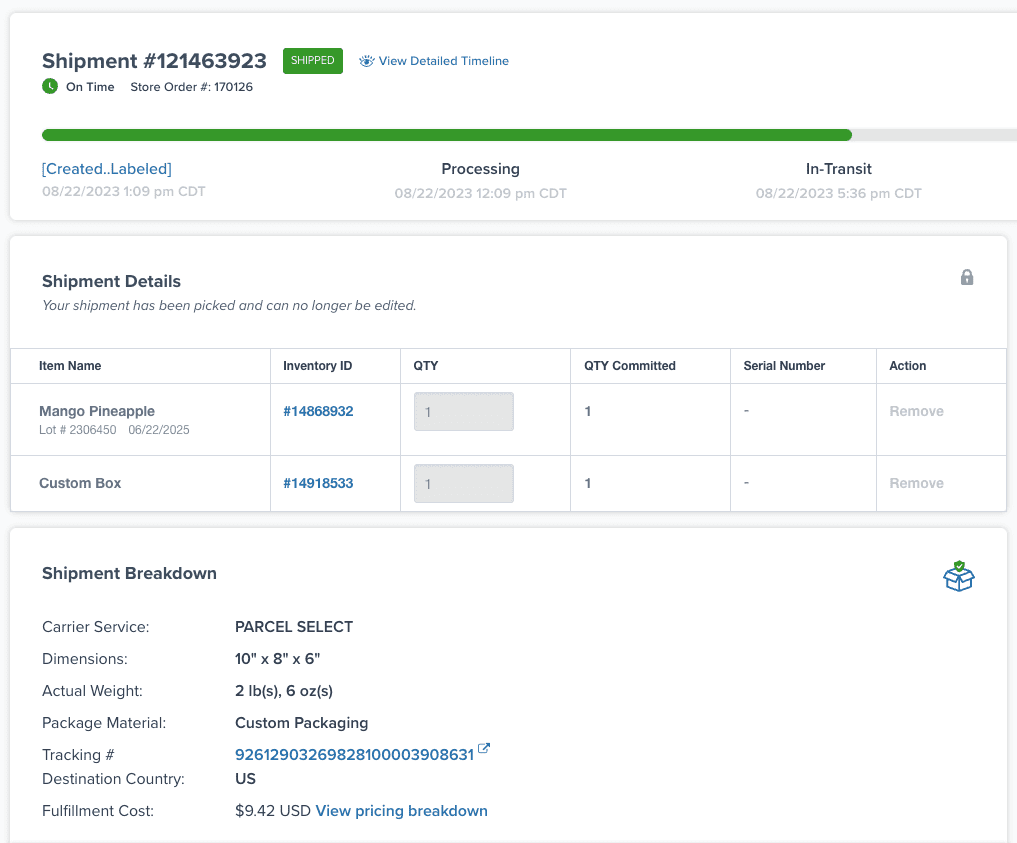
Transparency is key to a positive shipping experience, and ShipBob’s real-time ecommerce order tracking offers just that. Consignees can monitor their shipment’s journey, from the moment it leaves the warehouse to its arrival at their doorstep. With proactive notifications for delivery updates or delays, ShipBob reduces the anxiety of waiting and provides a sense of control.

Delivery isn’t just about getting products from point A to point B—it’s also an opportunity to delight your consignees. ShipBob offers custom packaging solutions, allowing you to create a memorable unboxing experience. Branded boxes, personalized notes, and thoughtful inserts make consignees feel valued and enhance the perceived value of your products.
Interested in learning more about partnering with ShipBob for order fulfillment? Request a quote to get started.
Here are answers to commonly asked questions about consignee shipping.

The notify party is an additional contact listed on shipping documents to receive updates about the shipment’s status, such as arrival notifications or delivery schedules.
If the consignee isn’t available to receive the shipment, the logistics provider may hold the package at a facility, arrange for a redelivery, or return it to the sender, depending on the shipping agreement.
You’ll need to provide accurate details like the consignee’s full name, delivery address, and phone number to ensure smooth delivery.
The consignee is usually the person or entity receiving the goods, which may or may not be the same as the buyer.
Yes, in most cases, the consignee’s address is used as the delivery address. However, they can be different if special instructions are provided.





