

If you run an online store or plan to start one, you’ve likely heard about ecommerce warehouses.
But what exactly are they, and why are they so important for your business? In this blog, we’ll explain everything you need to know in simple terms — from what ecommerce warehouses are to how they help improve your operations and customer satisfaction.
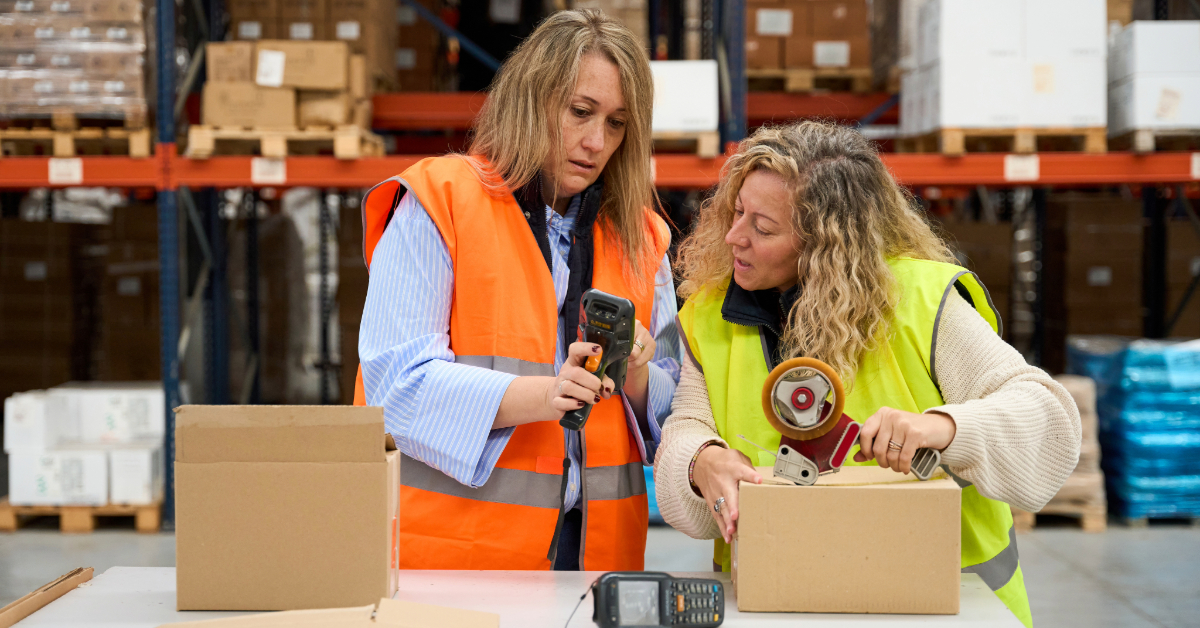
An ecommerce warehouse is a physical storage facility used specifically to store products that are sold online. Unlike a traditional retail warehouse, an ecommerce warehouse is designed to handle individual customer orders instead of bulk shipments to retail stores.
This warehouse is not just about storing items. It also includes systems and processes to receive inventory, track product levels, pick and pack items, and ship them directly to customers. It plays a central role in the order fulfillment process for online businesses.
In online retail, fast and accurate delivery is key to customer satisfaction. An ecommerce warehouse helps you keep the right products in stock and ensures that each order is processed quickly and correctly.
Here’s why ecommerce warehousing is essential for your business:
Keeping your inventory in one place helps you avoid misplacing products. With a warehouse, each item is sorted and labeled, making it easy to locate and ship when needed. This reduces time spent looking for products and minimizes human error.
Time is crucial in ecommerce. Customers expect their orders quickly. A good warehouse setup speeds up the picking, packing, and shipping process, leading to faster deliveries and happy customers.
Modern ecommerce warehouses use software to track inventory levels in real-time. This means you can see which products are running low, which are overstocked, and which need restocking. It helps prevent overselling or missing out on sales due to stockouts.
As your business grows, handling orders from your garage or office can become unmanageable. Ecommerce warehouses are scalable — they can handle increased orders and product ranges as your business expands, without you needing to overhaul your entire system.
A well-managed ecommerce warehouse takes care of several important tasks:
These tasks, when done correctly, keep your operations running smoothly.
It may seem like an extra expense to rent warehouse space, but in reality, it helps save money in the long run. Here’s how
Having a warehouse is one thing, but managing it well is another. That’s where warehouse management systems (WMS) come into play. A WMS helps track inventory, manage orders, and streamline warehouse operations. This software is especially useful when managing high volumes or multiple sales channels.
If you’re considering improving your ecommerce warehouse setup,Willow Commerce offers tools designed to make warehousing simpler and more efficient.
Willow Commerce provides a warehouse management solution with features like:
With these features, Willow helps businesses handle their inventory better and serve their customers faster. For any growing online store, this type of support can make a major difference in performance and profitability.
Not every online business needs a warehouse right away. But here are some signs that it might be time:
If any of these apply to your business, it’s a good idea to consider moving to an ecommerce warehouse and using warehouse management tools to streamline your operations.
An ecommerce warehouse is more than just a storage space — it’s a key part of a successful online business. It helps you keep stock organized, fulfill orders quickly, reduce errors, and grow efficiently. With the right warehouse setup and management tools, like those offered by Willow Commerce, your business can stay competitive and meet customer expectations with ease.
Whether you’re just starting or already scaling up, investing in an ecommerce warehouse could be one of the smartest decisions you make for your business.
What is the main difference between an ecommerce warehouse and a traditional one?
A traditional retail warehouse ships large, bulk orders to a few physical store locations. An ecommerce warehouse is designed for a very different task: picking, packing, and shipping many small, individual orders directly to thousands of different customer addresses. This requires a faster, more detailed process.
How does an ecommerce warehouse save a business money?
While it may seem like an added cost, a warehouse saves money by reducing expensive mistakes. Organized inventory and clear fulfillment processes lead to fewer wrong orders, which lowers the cost of returns and customer refunds. Centralized shipping can also lead to better rates from delivery companies.
When is the right time for my small business to get a warehouse?
You should consider getting a warehouse when you start noticing specific problems. If you are running out of storage space, making more frequent shipping mistakes, or finding it difficult to keep up with orders during busy periods, it is likely time to invest in a dedicated space.
What is a Warehouse Management System (WMS) and do I need one?
A Warehouse Management System, or WMS, is software that helps you digitally track your inventory, manage incoming orders, and guide the packing process. You might need one if your order volume is high or if you sell on multiple platforms, as it automates many tasks and helps prevent stock shortages.
Isn’t it just easier to store products in my garage or office?
Storing products at home works well at the very beginning, but it quickly becomes disorganized and inefficient as your business grows. A dedicated warehouse provides the space and systems needed to handle a larger volume of products and orders without letting things get out of control.
How does a warehouse improve the customer experience?
A well-run warehouse directly improves the customer experience by ensuring orders are accurate and shipped quickly. When customers receive the correct items on time, it builds trust and satisfaction with your brand, making them more likely to order from you again in the future.
Can using an ecommerce warehouse help my business grow?
Yes, a warehouse is a foundation for growth. It gives you the ability to handle a much larger number of orders and a wider variety of products without a drop in service quality. This scalability means you can confidently run big sales or expand to new markets.
What are the first steps to setting up an ecommerce warehouse?
The first step is to establish a clear system for receiving and organizing your inventory. Each product should have a specific, labeled location. Following that, create a streamlined process for picking items, packing them securely, and printing shipping labels to ensure consistency with every order.
Does an ecommerce warehouse handle customer returns?
Yes, managing returns is a key function of an ecommerce warehouse. The process, often called reverse logistics, includes receiving returned items, inspecting them for damage, and updating inventory records. A good system ensures returned products are restocked or disposed of properly.
How does a warehouse help with inventory accuracy?
A warehouse improves inventory accuracy by providing a single, organized location for all your products. When combined with tracking software, you get a real-time view of what you have in stock. This helps you avoid overselling items you don’t have or running out of a popular product unexpectedly.





