

29th
January, 2026
In the crowded online marketplace, your brand’s reputation is everything. One bad review or viral comment can send customers running to competitors. In fact, 32% of customers would stop using a brand after just one bad experience. This guide will explain what a brand tracking software is and why it’s essential for e-commerce brands and Amazon sellers. You’ll learn how these tools help monitor brand health, measure marketing impact, and even leverage micro influencers and user-generated content (UGC) to boost your brand’s success.

Brand tracking software is a tool (or set of tools) that continuously monitors and analyzes how your brand is performing and how it’s perceived by consumers over time. In simple terms, it helps you keep a pulse on your brand’s “health” in the market. This typically includes tracking key metrics like brand awareness, customer sentiment, share of voice, and even competitor comparisons. By aggregating these insights, brand tracking software shows whether people recognize your brand, what they’re saying about it, and how you stack up against competitors in the long run.
Most brand tracking solutions combine multiple methods to paint a full picture of brand health:
By combining direct consumer feedback (surveys) with online conversation monitoring, a brand tracking software helps ensure you’re constantly aware of public perception. For example, it might show that your brand’s sentiment is improving after a well-received marketing campaign, or warn you if a surge of negative reviews is hurting your reputation.
It’s easy to confuse brand tracking with brand monitoring. Both are important, but they serve different purposes:
In practice, modern brand tracking software usually does both. It captures immediate mentions (brand monitoring) and also analyzes longer-term trends (brand tracking). The goal is not only to know what’s being said about your brand right now, but to understand how those conversations translate into brand health trajectory – are you gaining more fans and positive buzz over time, or are there issues slowly eroding your reputation?
Brand tracking tools work by gathering data from all across the digital and customer landscape and turning it into actionable insights. Here’s how they typically operate and the key features to look for:
Brand tracking software often includes dashboards for sentiment analysis. The example above shows a sentiment summary (positive vs. negative mentions) over time, which helps brands gauge public perception at a glance.
With these features, brand tracking software moves you from guesswork to data-driven brand management. Instead of wondering if that influencer campaign really improved your brand’s image, you’ll have data to show a bump in positive mentions and a lift in brand recall. And instead of being caught off-guard by a PR crisis, you’ll catch negative trends early on.
Building a strong brand is vital for any business, but it’s especially critical in e-commerce and on Amazon’s highly competitive marketplace. Here are some key benefits and reasons why brand tracking software is a must-have for online sellers:
In summary, brand tracking software acts as an insurance policy and a growth compass for online brands. It ensures you catch small fires before they become wildfires, and it guides you toward marketing strategies that genuinely move the needle.

Modern brands don’t build awareness alone – they often partner with micro influencers and encourage user-generated content (UGC) to amplify their message. Brand tracking software plays a key role in managing and maximizing these efforts:
Importantly, brand tracking software ensures that when you invest in influencer marketing or UGC campaigns, you’re not operating in the dark. You’ll have concrete data on how those collaborations contribute to brand awareness and perception. As you grow, this data helps justify scaling influencer programs or increasing UGC efforts to higher-ups, because you can show, for example, that “Influencer collaborations last quarter yielded a 20% lift in our social share of voice”.
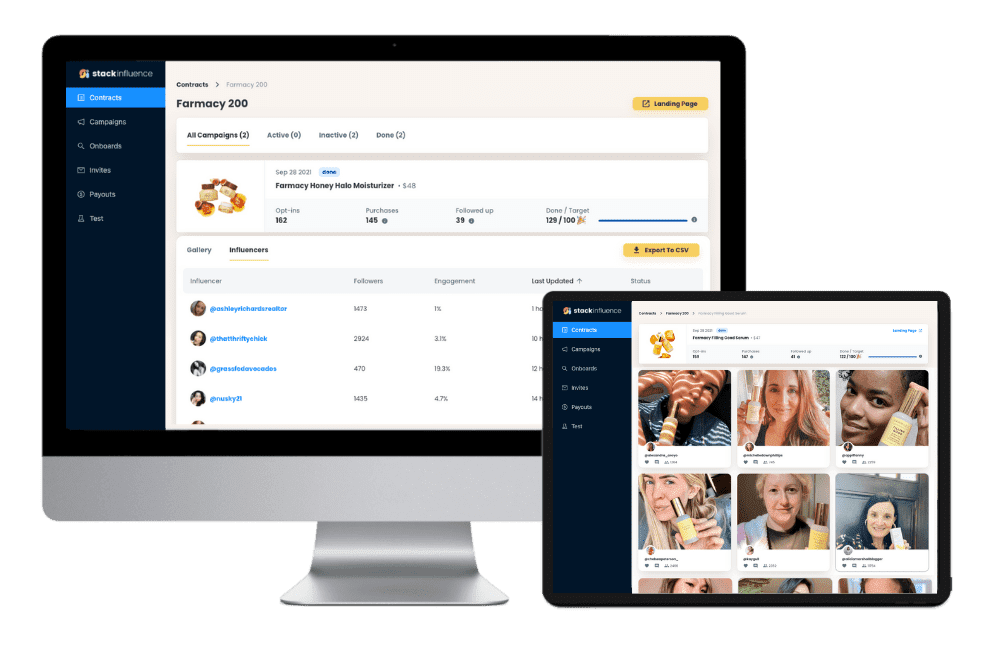
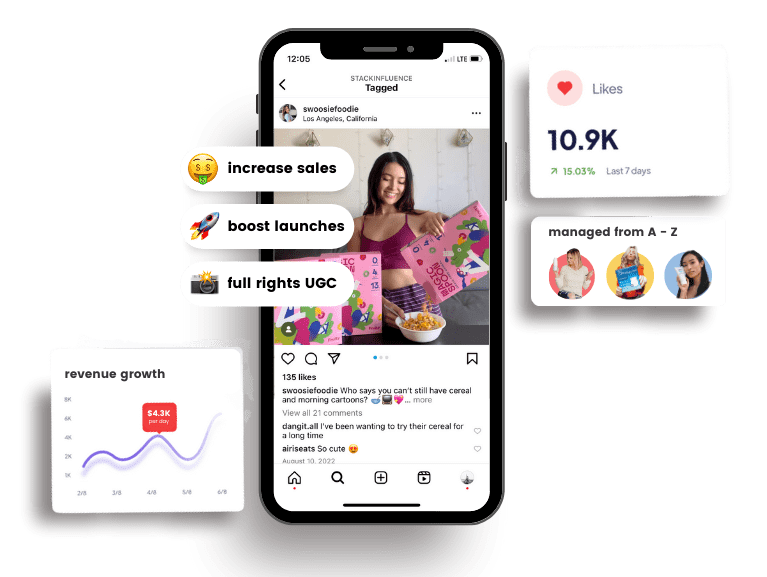
Stack Influence Example: Platforms like Stack Influence – which connects e-commerce brands with micro influencers – can be a powerful complement to brand tracking. Stack Influence helps brands generate authentic UGC at scale through micro-influencer campaigns. By integrating these campaigns with brand tracking software, a brand can not only launch dozens of influencer partnerships efficiently, but also track the resulting boost in brand mentions, engagement, and sales. The combined approach of active influencer marketing plus vigilant brand tracking means you’re both creating positive brand conversations and immediately measuring their impact.
With many solutions on the market, how do you pick the right brand tracking software for your needs? Here are some considerations for e-commerce and Amazon-focused brands:
Finally, remember that the best tool is the one you will actually use. Sometimes it’s better to choose a slightly more streamlined tool that fits your team’s capacity, rather than an ultra-sophisticated platform that overwhelms you. Consistency is key – tracking brand health is an ongoing effort, and the insights compound over time.
In 2026 and beyond, successful e-commerce brands and Amazon sellers will be those who actively monitor and nurture their brand’s reputation. Brand tracking software is like a listening post and a compass: it keeps you alert to what customers and creators are saying, and it guides your marketing decisions with data. Whether it’s catching a brewing PR issue early, proving the ROI of an influencer campaign, or spotting a new trend in customer sentiment, these tools ensure your brand stays on the right track.
In a world where trust and authenticity drive buying decisions, you can’t afford to leave your brand perception to chance. It’s time to move from reactive to proactive. By understanding what brand tracking software is and leveraging it in your strategy, you equip your business to build a stronger brand year after year.
Ready to elevate your brand tracking efforts? Embrace a data-driven approach. For instance, consider partnering with micro influencers through Stack Influence to generate buzz, and use brand tracking tools to measure every bit of that impact. The combination will help your brand not only gain attention but also sustain a positive reputation that drives sales. Don’t just build a brand – build a brand that you can track, learn from, and continually improve.

By William Gasner
CMO at Stack Influence
William Gasner is the CMO of Stack Influence, he’s a 6X founder, a 7-Figure eCommerce seller, and has been featured in leading publications like Forbes, Business Insider, and Wired for his thoughts on the influencer marketing and eCommerce industries.
Want new articles before they get published? Subscribe to our Awesome Newsletter.
111 NE 1st St, 8th Floor
Miami, FL 33132


© 2025 Stack Influence Inc
© 2025 Stack Influence Inc
The post What Is Brand Tracking Software? 2026 Guide for E-Commerce appeared first on Stack Influence.





