

What is DTF printing? It’s a direct-to-film printing method that creates sharp, long-lasting DTF prints on cotton, polyester, blends, and select non-textile surfaces. Since direct-to-film (DTF) printers work on all kinds of materials, it’s a solid choice for custom products. In this article, we’ll explain how the DTF printing process works and how it can fit into your business.
So, what does DTF mean in printing? It’s a direct-to-film printing method where a design is first printed onto PET film, coated with hot-melt adhesive powder, and then heat-pressed onto fabric for a clean, durable transfer.
This process uses a direct-to-film printer and high-quality digital files to ensure sharp detail and long-lasting results. One of the reasons DTF printing technology has gained traction in the custom printing industry is its versatility – it works on a wide range of materials, including:
Unlike some other printing methods, DTF printing doesn’t require fabric pre-treatment. That makes it faster and easier for sellers looking to offer durable and vibrant transfers across a wide product range.

When you outsource to Print Providers through Printify, you don’t have to worry about handling equipment or materials yourself. Here’s a simplified look at the DTF printing process behind the scenes:
Create a high-resolution design (300 dpi) using Photoshop or Illustrator. Save it as a PNG file with a transparent background, then upload it to the Product Creator to place it on your item.
First, what is a DTF printer? It’s a specialized inkjet printer that prints high-resolution designs onto PET film. It also prints a white ink layer beneath the colored inks for vibrant, full-coverage transfers.
Print Providers load CMYK and white ink, run test prints to verify color accuracy and ink flow, and use RIP software to prepare the file for printing.
The design is printed onto a PETDTF film. Operators ensure the film is clean, dust-free, and aligned to prevent defects.
The garment is lightly pressed with a heat press to remove moisture and wrinkles, which improves adhesion and final print quality.
The printed film is coated with hot-melt adhesive powder, then cured with heat. The operator places the film on the garment and uses a heat press machine to bond the design. After pressing, the film is peeled away, leaving a clean, durable DTF print.
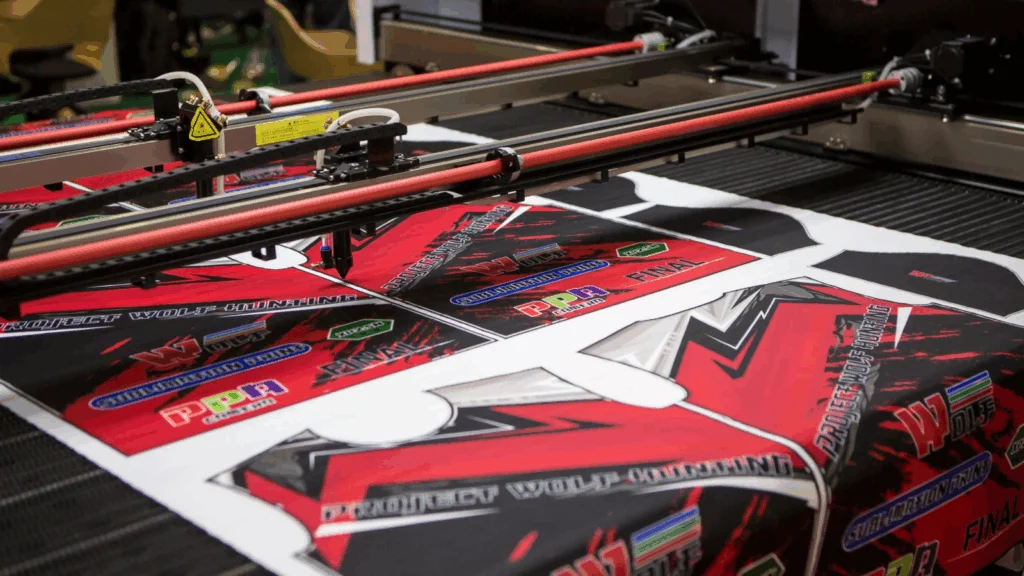
Compared to other types of shirt printing, direct-to-film offers both high product versatility and fast production. But even this printing technique has its drawbacks.
For sellers who outsource, the pros come without the downsides. With Printify, you skip the specialized equipment, supply costs, and maintenance. Our Print Providers handle the entire DTF printing process, so you can offer high-quality DTF products like custom clothing and others without managing production.
While DTF printing transfers printed film onto fabric with heat, direct-to-garment printing (DTG) directly applies ink to the fabric. Both methods use advanced inkjet printer technology but offer different benefits.
Versatility:
Efficiency:
Simplicity:
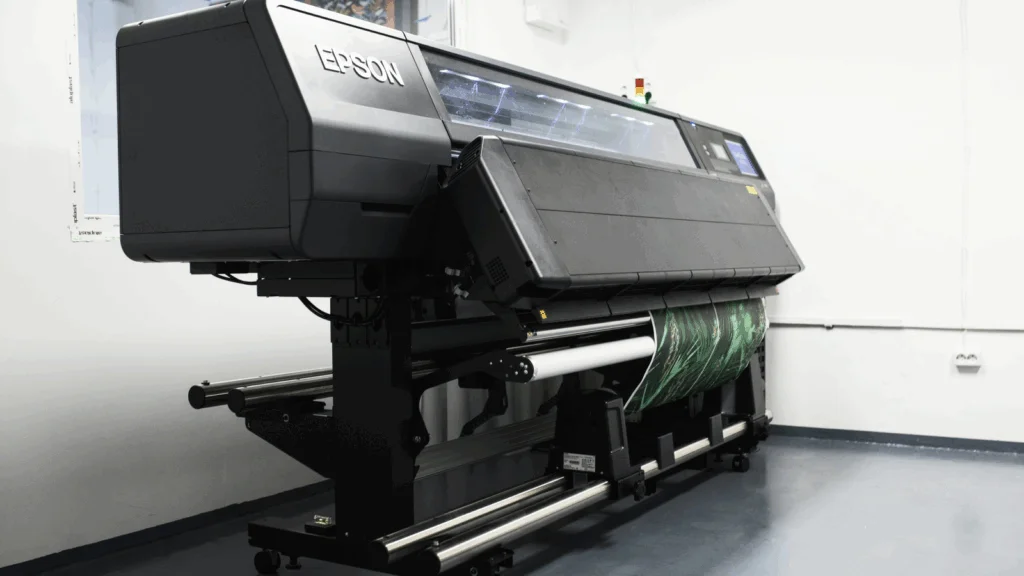
Sublimation printing and DTF printing serve different needs in the custom printing industry, especially when it comes to fabric types and production requirements. Sublimation uses heat to infuse dye into polyester fabrics, which produces vivid, long-lasting results.
Versatility:
Durability:
Cost and setup:
Cost doesn’t have to be a barrier. When you work with one of Printify’s Print Providers, you unlock pro DTF printing technology without the upfront investment in specialized equipment, making it easy to offer high-quality custom products at scale.
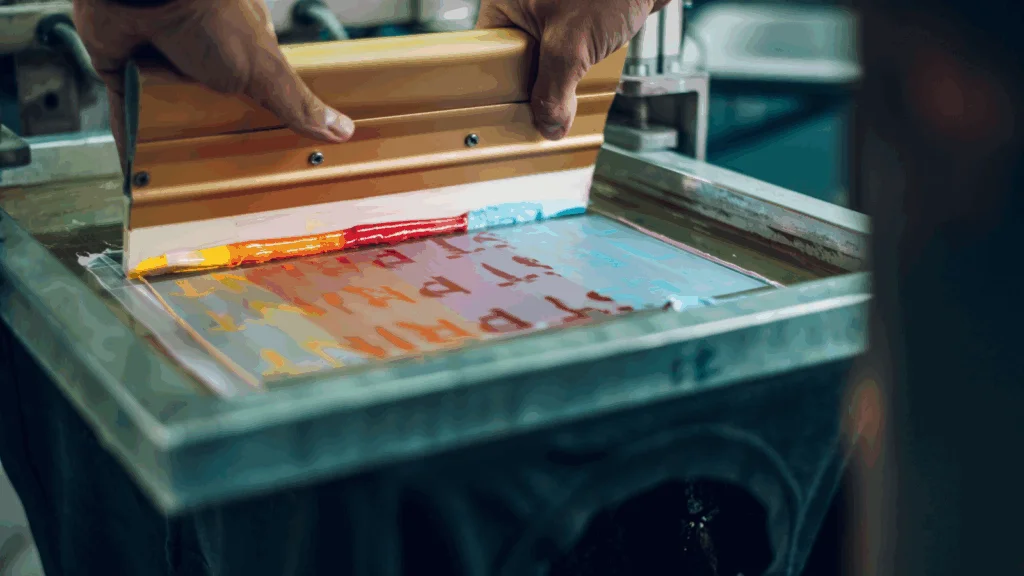
Screen printing is a traditional printing method often used for high-volume orders. It applies wet ink through a stencil (or screen) directly onto fabric, creating bold, durable prints. This technique is common in bulk production and is widely used in the printing industry.
Setup time:
Volume:
Detail and color:
Some businesses also use white toner laser printing to transfer designs onto dark fabrics. It offers decent print quality and works for short runs, but it’s less durable, less vibrant, and far less versatile than DTF printing or DTG printing. It also has limited compatibility with different fabric types.
Selling DTF products with Printify is simple. It’s free to start, and you only pay once you sell a product – no equipment (DTF printers, heat presses, etc.) necessary.
Here’s how to get started.
Browse the Printify Catalog and use the Decoration method filter to find products compatible with DTF printing.
Ensure your design meets the DTF print file requirements, including PNG format, transparent background, correct print size, and 300 dpi resolution. You’ll find everything you need inside the Product Creator.
Upload your design and adjust the placement, size, and orientation to fit the product perfectly.
Then, use the Preview feature to see how the final product will look and edit as necessary.
Order a sample to check print quality. Once you’re happy with the result, publish the product to your store. Printify connects with major eCommerce platforms, making it easy to market your DTF products and grow your printing business.
High-quality results require careful material handling, professional use of a direct-to-film printer, and regular equipment maintenance. That’s why it’s best to outsource these tasks to Print Providers through companies like Printify.
Compared to other types of shirt printing, direct-to-film offers the best of both worlds – high product versatility and fast production – but it also comes with a few concerns.
Browse the Printify Catalog and use the Decoration method filter to find products compatible with DTF printing.
Written by

Jānis is a copywriter, language enthusiast, and avid reader. He is experienced and loves content, marketing, business, and creative writing. Jānis has a few published pieces in journals, and creative writing networks, with many more ready to be written.




