
Dotdigital blog
Email marketing has come a long way but electronic direct mail (EDM) remains one of the most effective ways to reach and nurture your audience. Whether you’re refining your email strategy or exploring automation for the first time, this guide breaks down what EDM marketing is, how it works, and why it still drives results today.
“The times change, and if you don’t change with them, you get left behind.”
– Bradley Walsh
That quote still rings true. The way we connect with customers has evolved dramatically, but email continues to prove its staying power. Every day, billions of emails land in inboxes and despite the rise of new marketing channels, email remains the most effective way to build relationships and drive sales.
So what makes electronic direct mail (EDM) different from regular email marketing? And why should it still be a key part of your digital strategy? Let’s take a closer look at how EDM marketing works and how it can help you deliver more personalized, automated, and impactful campaigns.
Electronic Direct Mail (EDM) is a form of digital marketing strategy that businesses implement to promote products to a list of potential customers (who are opted-in) via email.
While EDM shares some similarities with traditional email marketing, it goes further in terms of automation, segmentation, and delivering personalized campaigns. If you want a deeper dive into how EDM differs from standard email marketing, check out our guide on EDM vs. email marketing.
Traditionally EDM marketing is associated with terms like ‘batch and blast’. This would involve sending one email out to your entire database, with no regard for individual customer preferences, interest or demographics. Please don’t do this!
Batch and blast most definitely falls into the ‘bad practice’ category when it comes to email marketing and can have negative impact on your overall sender reputation, which can be very hard to recover from.
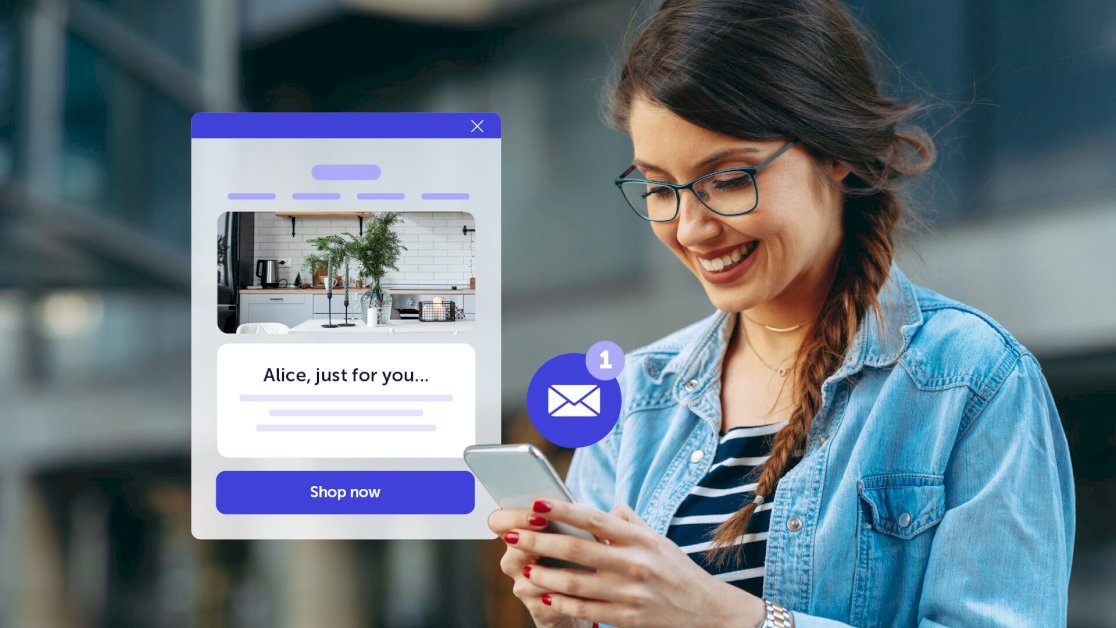
By using a secure and reputable email platform, like Dotdigital, you can easily personalize all emails at scale to make them effective for you and relevant for your customers.
A typical EDM campaign follows a structured flow:
EDM marketing campaigns are a cost-effective way to improve conversions and build brand loyalty. With consistent messaging, your EDM campaign is more likely to be top of mind for a customer while they make a purchase decision. Let’s take you through the basics of creating an EDM marketing campaign.
Building a high-performing EDM campaign starts with clean, opted-in customer data. Avoid the temptation to buy lists. Not only can this damage your brand’s reputation, it violates data privacy laws (GDPR, PDPA) and sending to inactive addresses can harm your domain’s deliverability.
Instead, you want to ensure your list is:
If you need help growing your database safely and quickly, see our guide on building an email list.
Once the data is collected and based on your customer behavioral traits, identify the segments you need to build. These should then be funneled into your core demographic audience groups based on age, gender, interest, or location.
For example, customers who spent a certain amount over six months, or recently made a purchase, or have visited your site to look at particular products.
You can then begin planning and building out more advanced segments to ensure you’re sending targeted and relevant messages. These can be based on:
By knowing what segments you can and want to target, you can better plan your messaging and the channels you’ll send them through.
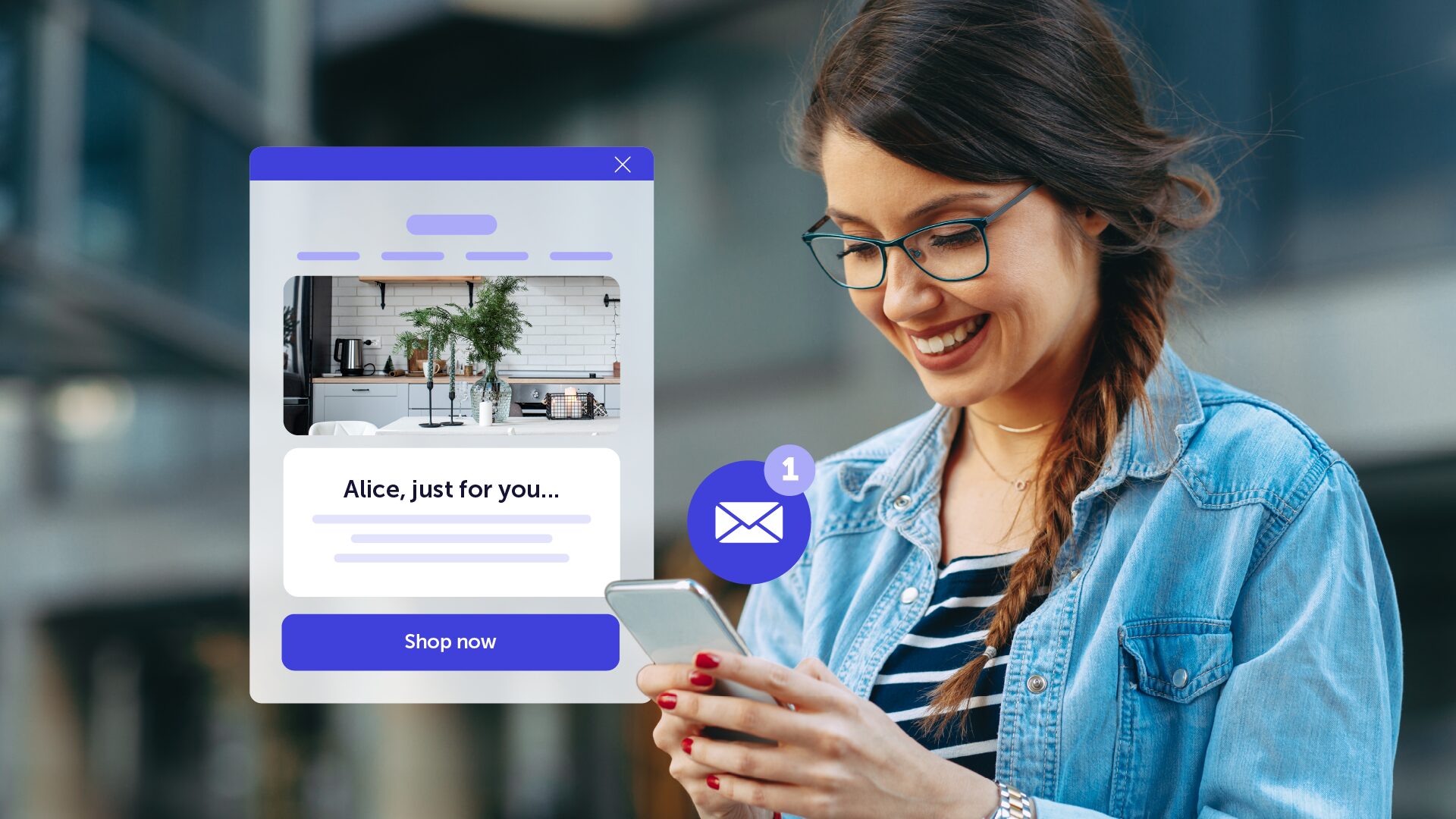
Personalization relies on understanding your customers’ preferences, past behavior, and engagement history. It makes your subscribers feel valued, increasing engagement and long-term loyalty. The more tailored the experience, the higher your engagement.

Examples of personalization include:
Before creating your emails, you’ll need to plan the overall campaign. Planning ensures consistency and aligns your EDM campaign with business goals.
Here’s some things to consider:
Use an email marketing platform to build your campaigns. Modern platforms often feature drag-and-drop editors, responsive templates, and no-code automation, allowing you to create polished emails and entire customer journeys quickly. Investing in the right tools and design upfront will maximize the impact and ROI of your campaigns.
Here’s some things to consider:
Testing is critical to understanding what resonates with your audience. With privacy updates becoming more frequent and nuanced, open rates may be partially masked. Focus on click-through rates, conversions, and other engagement metrics to assess campaign success:
Customer-centric marketing is more than just a buzzword. It should be at the heart of everything you do, every journey you create, and every message you send.
Think about your key touch points from sign-up to post-purchase and beyond. This will help you identify your existing channels and where you need to focus your efforts. It will also help you see any potential gaps for expanding your channel offering.
By taking the time to learn about the customer journey, you’ll create consistent messaging and branding across every channel.
EDM marketing is more than just another buzzword; it’s a strategic approach that transforms how you connect with your audience. By moving beyond generic email blasts and embracing personalized, data-driven campaigns, you can foster deeper relationships and drive meaningful actions.
Whether you’re nurturing leads or re-engaging loyal customers, EDM marketing empowers you to speak directly to your audience’s needs and interests.





