

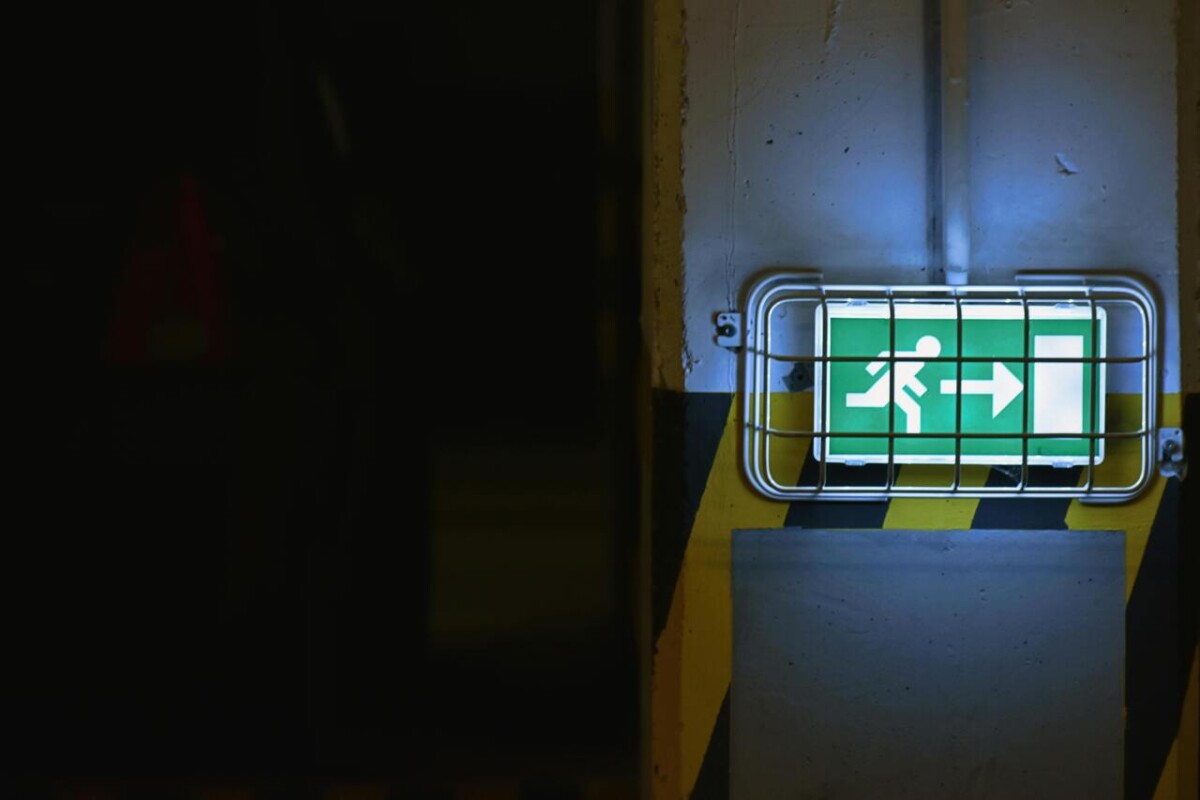
In any business space, fire safety signage is both a legal requirement and a big part of workplace safety and emergency preparedness.
Choosing the right signage makes the difference in whether the employees, visitors, contractors, and customers know exactly what to do and where to go should there be a fire. Signs that comply with international standards are available here, while this article looks at what to look for when choosing your signage.
Fire safety signage is what communicates information during emergencies. It could be the evacuation routes or the fire extinguisher signs, or perhaps just the alarm points. In a high-stress scenario, it’s the clarity of these signs which we depend on for instructions while potentially panicking. When every second matters in saving lives, visual cues must be unequivocal.
According to the US Fire Administration, nonresidential building fires happened over 103,000 times in 2023, and the resulting losses was around $3 billion. Many of these losses were, unsurprisingly, preventable, particularly in regards to having better preparedness and communication systems. Signage is a big part of that.
Beyond the human and financial risks (which shouldn’t be underestimated), organizations that fail to meet these signage standards frequently face big regulatory penalties. Short-term losses, but also long-term losses through reputational harm.
Every workplace should adhere to both federal and state regulations, but also any local ones too for fire safety signage. OSHA’s 29 CFR 1910.145 and the NFPA 101 Life Safety Code are the key ones that outline the criteria for design, placement and visibility.
These standards are what keep things consistent. Sure, you could still have a clear sign from your own design, but it wouldln’t be as instantly recognizable. Having the same signs across all businesses is super important, especially in stressful conditions and for foreign workers.
Color criteria exists because of this (typically red for fire equipment, green for exits), contrast for accessibility, and consistent symbol use. The placement of signs, like above doorways or near stairwells, help quick visual recognition.
OSHA claims that around 70% of workplace accidents could be prevented with the proper safety communication. Partnering with a certified supplier is key here, so you can be sure they’re only supplying you with compliant signs.
Different facilities have different demands for materials, especially when it comes to longevity and clarity. Environments exposed to moisture or sunlight require much more durable materials that won’t fade over time. Otherwise it will be a false economy as you frequently replace the signs, just as a lackluster security system might be a false economy if it doesn’t stop break-ins.
Common materials and their ideal applications include:
A sign that fades or delaminates can quickly become a liability – you may not properly notice because it occurs gradually over time.
Even the most durable sign fails if people can’t see or read it when it really matters most. Visibility comes down to placement and lighting, but also contrast between background and text. Don’t stick a green sign on a green wall, basically. The NFPA and OSHA recommend placing signs at consistent heights, typically between eye and head level.
Font choice, size, and color contrast are equally important. Sans-serif fonts in bold lettering with sufficient spacing provide optimal legibility. Photoluminescent or reflective finishes improve visibility in smoky or dim conditions. A National Fire Protection Association study found that 29% of evacuation delays were linked to unclear or poorly placed signage.
Standardized fire safety signs like “Exit,” “Fire Extinguisher,” and “Alarm Call Point” are all important for universal understanding. However, some facilities may require custom signage to reflect unique layouts or industry-specific hazards.
Custom signage is a tricky one because you need to be much more aware of the laws rather than relying on your supplier. But, you can work with a knowledgeable provider to walk you through this.
Even compliant signage can fail, especially if it’s not been installed or maintained properly. Poor height or poor angles can compromise visibility. To keep signs effective:
Environmental wear and facility renovations are often what causes problems. So, after any renovations, perform another check on top of your usual periodic assessment.
Working with a trusted signage supplier saves time and provides confidence that your facility meets OSHA and NFPA standards. While you can opt for the standard signs, it is worth assessing if you require any bespoke solutions. Ultimately, it’s about knowing the law (thankfully, the regulations don’t change often) and performing regular checks.
Proper fire safety signage is the main way to communicate critical instructions when people are stressed or panicking. Signs clearly show evacuation routes, the location of fire equipment, and alarm points. When every second counts, very clear and standardized visual cues can save lives and lessen the financial damage from a fire.
Workplaces must follow federal, state, and local regulations. The key national standards are OSHA’s 29 CFR 1910.145 and the NFPA 101 Life Safety Code. These standards ensure that all fire safety signs have a consistent design, color, and placement so they are instantly recognizable to everyone.
Standardized color criteria is vital for quick recognition in an emergency. Typically, red is used for signs related to fire fighting equipment, like extinguishers, and for danger warnings. Green is the color reserved for safe conditions, like marking all emergency exits and safe passages.
The best material depends on the environment to ensure a sign’s durability. Industrial or outdoor spaces use tough aluminum signs that won’t rust. For areas that might lose power, photoluminescent PVC signs glow in the dark, which is a great feature. Modern office spaces often use acrylic signs for a clean, professional look.
The best practices for placement suggest consistent heights between eye level and head level. Signs should also have a high-contrast background, like a red sign on a beige wall, to stand out. Both the NFPA and OSHA recommend these specific placement rules for quick visual recognition.
One common, yet serious, mistake is failing to perform regular maintenance checks on the signage. A business can buy a compliant sign, but if a gradual process like fading, obstruction from new equipment, or gradual damage is not caught, the sign becomes a safety liability. Always check signs during annual safety audits.
Standard signs work for universal locations like exits and alarms, but custom signs are needed for unique floor plans or areas with specific hazards. When creating custom signage, it is important to work with a certified supplier who can ensure the design still meets all legal visibility and placement standards.
Proper signage helps both saves lives and protects a company’s finances. Beyond the cost of potential injuries, companies with non-compliant signage face large regulatory penalties and heavy fines. Additionally, a serious fire leading to an accident often results in long-term reputational harm and loss of trust.
You should include fire safety sign inspections as part of your regular, scheduled safety audits. You must replace signs immediately if you notice them becoming faded, cracked, or obstructed. You should also perform an extra compliance check after facility renovations to ensure all signage is still in the correct location.
Partnering with a trusted, certified supplier gives you confidence that the signs meet all the complex standards from bodies like OSHA and NFPA. This step removes the burden of tracking all the regulatory details yourself. This ensures your signs are legally compliant and universally understood without guessing.





