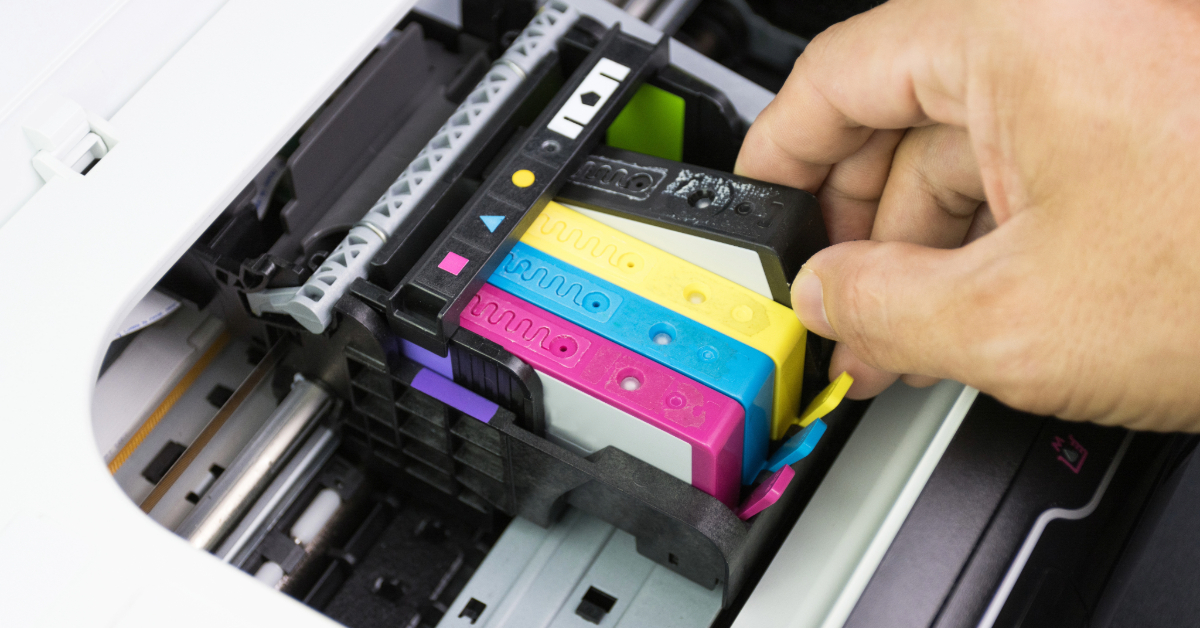
Most hardware stores aren’t tapping into a big profit opportunity: ink cartridges.
Think about it: the global ink and toner market is huge, worth over $35 billion, and still growing. More specifically, compatible ink cartridges make up a $4.12 billion segment that’s projected to hit $5.87 billion by 2030. That’s a lot of money on the table for retailers like us.What we’ve seen from successful brands is that selling these everyday items isn’t just about moving product. It’s about creating a consistent revenue stream, something every seven-figure store needs for sustainable growth. These consumables aren’t just an add-on; they’re a key to building long-term, predictable profits. We can show you how to start capturing your share.
When you’re running a seven-figure e-ecommerce operation, every decision needs to come back to the bottom line: predictable revenue and sustainable profit. In the world of hardware and consumables, the path to those consistent gains isn’t in the big, splashy one-time sale. It’s in the quiet, steady drumbeat of repeat purchases. That’s where consumables, like ink cartridges, truly shine. They offer a revenue model that hardware simply can’t match.
Think about how Gillette sells razors. They give you the handle cheap, sometimes even free, because they know the real money is in the blades you buy over and over. This is the “razor blade model,” and it’s perfectly applied to printers and ink.
Printer manufacturers often sell their machines at surprisingly low margins. Sometimes, they even take a loss on each unit. Why? Because they’re banking on you repeatedly buying their high-margin ink cartridges. This model creates a consistent, recurring revenue stream.
Now, here’s where compatible cartridges become a major win for both your customers and your store. While original equipment manufacturer (OEM) cartridges offer a nice margin, compatible options allow for 40-90% cost savings for your customers. This massive saving makes them incredibly attractive. Yet, even with these deep discounts for the consumer, retailers still maintain healthy profit margins on each sale.
The key takeaway for your business? You’re moving from a one-time hardware sale, which generates revenue once, to a relationship built on recurring consumable sales. This shift changes your revenue from lumpy to predictable, a much better scenario for scaling.
Let’s look at the actual numbers. A typical home or small office printer might cost a customer anywhere from $69 to $200. That’s a single transaction for your store. It puts a lump sum in your account, but then what? You need a new customer to get another such sale.
Now, consider ink cartridges. A customer using that printer will likely spend $30 to $80 every two to three months on ink. How long does a printer last? Often, three to five years, if not longer.
Do the math on that. For a printer costing, say, $150, you make that money once. But if that customer buys compatible cartridges from you consistently over four years at just $45 every three months, that’s $180 per year. Over four years, that’s $720 in revenue from ink alone.
We’ve just compared a one-time $150 sale to a $720 recurring revenue stream from the same customer over the printer’s lifespan. The lifetime value of an ink cartridge customer dramatically outweighs the one-time hardware purchase. Focusing on compatible ink cartridges builds a strong, predictable profit center for your business, driving revenue far beyond the initial hardware sale. It’s precisely the kind of strategic win that scales a brand from seven to eight figures.
If you’re still wondering if ink cartridges are a real opportunity for your hardware store, let’s look at the data. The market isn’t just growing; it’s expanding at a rate that’s outpacing many traditional hardware sectors. This isn’t just about anecdotal success stories; the hard numbers paint a clear picture of a market ripe for the taking.
The compatible toner market is already substantial and shows impressive growth. Consider these figures:
What’s driving this expansion? A compound annual growth rate (CAGR) of 7.2%. This rate significantly outpaces what we see in many other hardware categories. It suggests a consistent, strong demand that isn’t just a fleeting trend. This kind of consistent growth is precisely what we look for when advising scaling brands on where to focus their energy and resources.
The market isn’t just growing; it’s also evolving due to shifts in customer behavior. These changes directly benefit retailers who offer compatible ink cartridges.
Customers are increasingly:
These shifts mean you’re not just selling a product; you’re meeting a tangible need for savings and sustainability. That’s a powerful combination for driving sales and building customer loyalty. This trend is a clear signal; customers are ready and waiting to buy. Building trust and educating them on the benefits of compatible ink cartridges, as discussed in Common Myths About Generic Printer Cartridges, can further accelerate this adoption within your customer base.
We’ve talked about the steady profits from compatible ink cartridges. Now, let’s explore how major players, like HP, are not just selling ink but turning it into a predictable revenue stream through subscriptions. This model dramatically changes how customers buy and how retailers earn. It’s a playbook we can learn from and adapt for our own businesses.
Think about HP Instant Ink. It’s a prime example of a subscription model perfected for consumables. For as little as $1.79 per month, customers get ink delivered to their door, often saving up to 50% compared to buying cartridges individually. It’s a simple, customer-friendly approach.
Here is why this works so well:
This model shifts the customer relationship from transactional to ongoing. It ensures a steady sales flow, which is precisely what seven-figure brands need to scale without constant customer acquisition efforts.
You might be thinking, “That’s HP, a massive company.” But the principles of their success are directly applicable to independent retailers like us, especially when focusing on compatible ink cartridges. We have unique advantages over the big box stores.
Consider these opportunities:
When you’re scaling a hardware business, every operational decision impacts your bottom line. We often see retailers default to original equipment manufacturer (OEM) cartridges. It seems like the safer path. However, for a seven-figure brand looking to optimize profit and operational efficiency, a strategic pivot to compatible cartridges is critical. They offer tangible benefits that OEMs simply can’t match.
The shift to compatible cartridges isn’t just about customer savings. It’s a calculated move that boosts your profitability and simplifies inventory management. You gain significant advantages here.
Here’s how a compatible strategy sharpens your operational edge:
There’s a common misconception that compatible cartridges mean lower quality. That’s outdated thinking. The industry has evolved significantly, particularly with reputable suppliers.
Here’s what you need to know about modern compatible cartridge quality:
Shifting your hardware store into a consumables powerhouse, particularly with ink cartridges, requires a clear strategy. It’s not about simply stocking products; it’s about smart inventory, customer understanding, and creating ongoing value for them. Let’s break down the process.
Effective inventory planning starts with knowing your local market. You want to stock what sells. This means understanding which printer models your customers already own and what they’re likely to buy in the future.
Here is how you can effectively plan your inventory:
Many customers still hold outdated beliefs about compatible cartridges. Dispelling these myths builds trust and boosts sales. Our goal is to educate them on the quality and benefits they can expect.
Consider these points for customer education:
The initial printer sale isn’t the finish line; it is the starting gun. Your goal is to convert that initial purchase into a continuous revenue stream. This is where strategic cross-selling comes into play, creating a complete printing solution for your customer.
Here are opportunities to maximize customer lifetime value:
We’ve explored the significant profit opportunity ink cartridges present for hardware retailers. Now, let’s discuss the key battleground strategies that give local stores a genuine edge over online giants. It is not just about competing; it’s about leveraging your unique position to build something bigger and more reliable.
When customers need ink, they often need it now. This is where your local store immediately wins.
Consider these advantages:
Beyond logistics, your local hardware store excels at building profound customer relationships. This is a durable competitive advantage that online retailers struggle to replicate.
The strength of your local presence often leads to:
You’ve seen the raw numbers: ink cartridges are a clear profit center. But for a scaling brand, it’s not enough to just add a new product line. We need to look ahead. How do we ensure this revenue stream is not just profitable today but also sustainable and growing for years to come? It’s about integrating this new opportunity into a larger strategy that addresses market shifts and positions your business for long-term wins.
The market for ink cartridges is constantly changing. If you want to keep winning, you must understand what’s next. We’re seeing three big shifts that will shape how you sell ink and toner. Ignoring them means missing out on future profits.
Here are the key trends to watch:
Once you have the ink cartridge business thriving in your hardware store, the question becomes, how do you take it to the next level? Scaling isn’t just about doing more of the same. It’s about expanding your influence and finding new avenues for growth.
Consider these strategies to scale your ink cartridge business:
Compatible ink cartridges offer a major profit chance for hardware stores. This isn’t just about selling a product once. It’s about building a steady flow of money for your business. The global market for compatible cartridges is huge, set to reach $5.87 billion by 2030. This shows a strong demand that hardware stores can tap into.
Think of it like the “razor blade model.” Printers are sold cheaply, but the real money comes from buying ink repeatedly. Your store can get higher profits from compatible cartridges, even while offering customers big savings. A single customer buying ink for four years can bring in $720 in revenue, far more than a one-time printer sale.
There’s a growing trend of customers choosing compatible cartridges. They want more affordable and eco-friendly options. Quality has also improved, with many reputable brands having very low failure rates. This means customers get good performance without the high cost.
Consider offering an ink subscription service, like HP Instant Ink. This provides customers with convenience and gives your store a predictable income each month. As a local store, you have advantages over online sellers. You can offer expert advice, immediate availability, and personal service that builds trust.
To act on this opportunity, check your local sales data to see which printers are popular. Educate your customers about the benefits of compatible cartridges, and offer guarantees to build their trust. When you sell a printer, also offer a subscription for ink. This turns a single sale into a long-term customer relationship.
The key is to understand that ink cartridges are not just an add-on. They are a way to create consistent revenue and higher profits. By focusing on compatible options and smart strategies, your hardware store can grow significantly. This approach helps your business gain steady income and expand for the future.
Hardware stores should sell ink cartridges because they offer a large profit opportunity. The global market for these products is growing. Selling them creates a steady income for your business.
Ink cartridges provide predictable revenue because customers buy them repeatedly. Unlike a one-time printer sale, ink is a consumable needed often. This creates a steady stream of income over time as customers return for refills.
The “razor blade model” means selling printers at a low price, sometimes even at a loss. The real profit comes from selling high-margin ink cartridges repeatedly. This strategy is used by printer makers to earn money over the life of the printer.
Compatible ink cartridges save customers 40-90% compared to original brands. These cartridges work just as well for everyday printing needs. This big saving makes them a popular choice for homes and small businesses.
No, modern compatible ink cartridges are not lower quality and will not damage your printer. They are made in factories that meet high-quality standards. Using them also does not void your printer’s warranty under consumer law.
The market for compatible toner was valued at $2.5 billion in 2023. It is expected to grow to $4.8 billion by 2032. This shows a strong and consistent demand for these products.
A hardware store can offer its own ink subscription service by working with suppliers. This lets you offer automatic ink delivery under your store’s brand. It provides customers with convenience and creates regular income for your business.
Retailers get higher profit margins from compatible cartridges. They also have more flexibility with inventory, as compatibles support older printer models. This means less money tied up in stock and broader customer reach.
Local hardware stores can compete by offering expert advice and immediate product availability. They can also provide local support and warranty service. Building trust face-to-face and being a part of the community also sets them apart.
Future trends include more demand for recycled cartridges due to environmental concerns. Subscription models for ink will also become more common. Smart printer technology, which can automatically order ink, will also change how customers buy.