
Customer acquisition costs are rising, and the signal-to-noise ratio has never been worse.
The old “turn up the ad spend” routine no longer works because consumers are simply tuning you out. They aren’t listening to brands—they’re glued to trusted creators whose voices feel real, not rehearsed.
Here’s the tension: scaling brands want reach, control, and ROI. Creators have what buyers want—authenticity and community—but are frustrated by slow, opaque brand processes. If you want meaningful growth in this new world, you can’t treat creators as transactional media buys. You need a concrete strategy that turns creators into true partners working toward shared outcomes.
I’ll break down why this shift matters, drawing on insights from more than 400 real-world interviews and the patterns I see in scaling stores. You’ll get a practical blueprint—rooted in field-tested systems, not ivory tower theory—for bridging the gap and driving real business results. Forget “playing nice.” It’s time for aligned partnerships where both sides win. If you want the broader context on this economic shift, check out Understanding the Creator Economy.
Scaling a Shopify brand in 2025 without reevaluating your approach to consumer relationships is like running today’s races with yesterday’s playbook. The reality is, traditional brand-owned channels are running into diminishing returns, while creators are emerging as the trusted gatekeepers consumers actually listen to. If you want actual lift in brand equity and revenue, you can’t keep playing by legacy rules. Here’s why the next wave of growth demands a hard reset on how you approach creators—and why most brands still get it wrong.
If you look at campaign dashboards this year, you’ve probably seen the hard ceiling on what paid and organic brand channels can deliver. Blame ad fatigue, privacy regulations, or simple consumer indifference—the outcome is the same. Even with a six-figure creative budget or the sharpest PPC manager, you’re fighting to get basic attention.
Brands pouring more into the same channels are seeing lower incremental returns with every dollar. The pattern? Diminishing impact and a rising frustration that the old tricks aren’t working anymore. To see what actually moves the needle, smart operators are starting to think like digital publishers, not legacy brands. The brands getting real results are investing heavily in creator-first strategies, borrowing ideas from smart digital PR tactics that combine earned coverage, affiliate partnerships, and social proof. If you’re looking to expand your toolkit beyond Facebook and Google, check out this Digital PR Strategy for Ecommerce.
Here’s what stopped me during more than one podcast interview: when consumers talk about why they buy, it’s not “We saw this on a brand’s Instagram.” It’s “I follow someone who actually uses this product.” That’s authenticity. That’s why the smart money is moving to creator partnerships.
The data is clear. According to multiple industry reports, creator-led campaigns routinely boost sales by 20-30%. In verticals like beauty and fashion, it’s even higher. Dig deeper into why this works in our coverage of the rise of content creators in marketing. Bottom line: trust is the new conversion engine. If your brand content isn’t resonating, it’s time to listen to the people who actually drive the conversation.
Let’s address the elephant in the room: most creator collaborations flop. Not because influencer marketing “doesn’t work,” but because brands treat creators like paid ad slots instead of strategic partners. Here are the top failure points I see again and again:
Here’s my recommendation: treat your top creators like key brand partners, not just another campaign line item. Want to know how to make the relationship work for both sides? Start with these ways to incentivize influencers—from performance-based payments to equity for those who move the needle.
The brands building real momentum approach these partnerships thoughtfully: clear briefs, honest feedback, and rewards mapped to real business results, not just impressions or follower counts. It’s never just about the payout—it’s about buy-in, shared goals, and mutual respect.
Ultimately, if your campaigns feel transactional, your ROI will too. If you’re after lasting brand equity, focus on mutual value with your creator partners. That’s the real reset opportunity on the table.
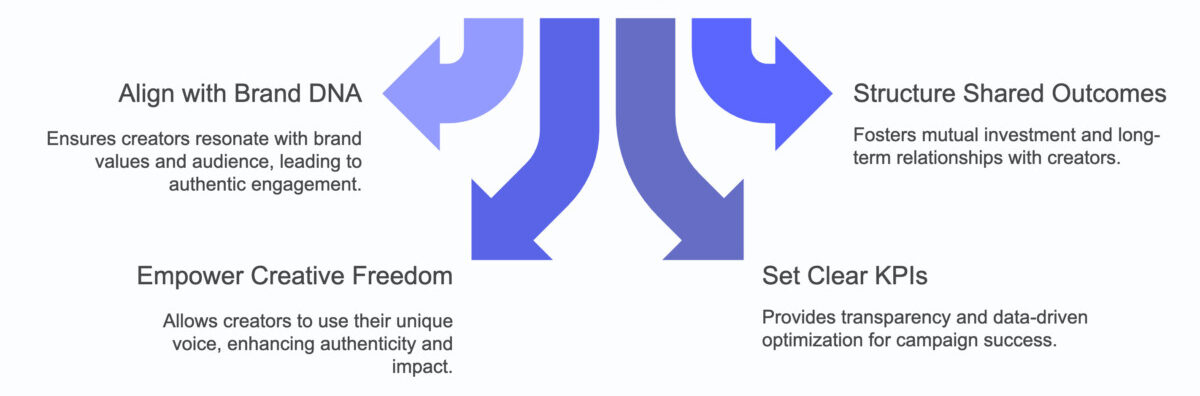
Building true partnerships with creators isn’t about sending out mass DMs or treating creators like short-term media buys. It’s about getting both parties rowing in the same direction, with clear goals and mutual respect. I’ve seen this firsthand: the best results come when brands act as collaborators, not just customers, and creators bring their authentic voice to the table. When everyone’s aligned, campaigns don’t just perform—they exceed expectations. Here’s the practical playbook I’ve seen work time and again.
Rushing to sign a “big name” creator often leads to mismatched expectations and wasted spend. Look for creators who naturally align with your brand’s style, values, and customer base.
You’re not looking for surface-level alignment. You want creators who speak the same language as your core customers. I’ve watched brands get outsized returns by partnering with so-called “micro-influencers” who have trust and credibility in exactly the right niche. If you’re exploring this route, the micro-influencer strategies for DTC brands can give you a solid starting point for outreach and vetting.
One-off posts or flat-fee deals don’t build momentum. If you want creators to feel invested, structure your agreements with shared outcomes in mind. Here’s what I typically recommend:
The best partnerships put both sides on the same side of the table. You’re not hiring a mouthpiece—you’re building a growth engine together. Take cues from brands leading the way in building commerce with creators and structuring programs that create lasting value for everyone involved.
You hire creators for their voice, style, and connection with their followers—not to act as a copy-paste machine for your corporate messaging. Give them clear guardrails and a great brief, then trust them to deliver in their own way.
If your team is working with more than a handful of creators, it gets messy fast. I recommend using specialized management tools to streamline communication, keep briefs organized, and track deliverables. Creator management platforms aren’t just about logistics; they help you scale without sacrificing quality or agility.
To get a sense of what’s possible, check out how creator management software can transform influencer marketing. Teams that implement these systems move faster and spend less time “herding cats,” so more energy goes into making the partnership work.
Loose goals and fuzzy targets are the quickest way to sour a brand-creator partnership. Lay out the metrics for success in plain language from the start:
Don’t just set goals once and walk away. Use real-time performance data to optimize every phase. This isn’t just a “set it and forget it” exercise; treat data as your shared scoreboard. Review results together, iterate, and adapt in flight. If you’re curious about process improvements, several top-performing brands outline their approaches in 7 best practices for brand-creator partnerships.
When brands and creators both see the numbers, they both have skin in the game—and this transparency is the foundation of relationships that scale.
Want to go deeper on which KPIs matter most or how to professionalize campaign measurement? I dig into these details (and how high-growth brands do it) on the podcast and across other tactical deep-dives here at eCommerce Fastlane.
Let’s get tactical. It’s one thing to lay out frameworks on paper. It’s another to see how brands are actually using these strategies to break through plateaus and accelerate real growth. I’ve seen brands move from stuck-on-repeat to thriving by shifting the entire way they approach creators. These next examples show what success looks like once you get both sides rowing together.
If you’re seeing flat engagement from polished ads, you’re not alone. Customers today are drowning in noise—and they spot a staged push from a mile away. Yet, creator-driven campaigns keep landing, even as traditional ads get blocked or scrolled past.
Here’s what actually moves the needle:
What’s the result for brands willing to go all-in? A typical creator-led campaign can lift sales by as much as 30%, with standout hits in beauty and fashion. If you want hands-on examples, see how real brands have used creator talent to stand out by checking out these creator business success stories. Every one of these wins comes down to the same formula: honest storytelling from people with genuine influence.
Brands waste fortunes chasing one-hit wonders. The smarter play is to build long-term relationships with the right creators. This turns a single post into a true growth engine across the customer journey.
Here’s what I’ve seen work repeatedly:
It’s not just theory, either. Recent industry data shows brands that invest in year-long creator relationships see measurable gains in retention and customer value. For more on the numbers behind this, check out a breakdown of why long-term creator partnerships boost ROI. Persistent partnerships aren’t just feel-good—they deliver hard business results.
Want proof that the old playbook is obsolete? Look at how fast a creator co-created launch can sell out. Gone are the days when brands could just “drop” a new product and expect instant traction. Creators tap into built-in audiences, bringing both excitement and real credibility.
Patterns I see in successful launches:
What’s the business outcome? Many co-created products now sell out their first runs in hours, sometimes minutes. These aren’t just “collaborations in name”—they’re genuine integrations of creator feedback and energy into the brand narrative. If you want to see stories and tactics from brands that have made this work, explore these top influencer marketing campaigns and case studies.
You can systematize this process in your own business. If you haven’t yet, check out the playbook for frameworks that move your marketing from guesswork to proven repeatability in the starting an ecommerce business guide.
The bottom line: when brands and creators team up at every step, you get campaigns with staying power—which don’t just hit targets, but reset what great looks like.
If you’re leading a Shopify brand that’s outgrown the “influencer campaign” playbook, this is the crossroad that sets apart high-velocity growth from wasted cycles. At this stage, your next move isn’t about trying another trendy platform or chasing the latest “micro-influencer” hack. Instead, it’s about raising the bar for how you align your brand’s ambitions with the right creators—at scale and with full confidence in the ROI.
This is where the work gets real: strategy turns into process, and process sharpens into results you can measure. Here’s what I recommend, based on years of watching seven- and eight-figure brands either level up—or stall out entirely—based not on budget, but on clarity of vision and execution.
Most brands enter the creator economy like tourists—one-off campaigns, gut-feel selection, and results that are impossible to repeat. You need a system that not only identifies the “who” but maps the process for every collaboration that follows.
Start by codifying what works: build internal playbooks, document your outreach messaging, and analyze post-campaign data. This goes beyond briefs. Lock in regular feedback cycles with creators, use clear reporting for every activation, and refine as you go. The growth curve shifts when your entire team knows the steps. For actionable tactics on scaling your strategy, explore Strategic Planning to Boost Business.
If you aren’t crystal clear on the metrics that matter, you’re flying blind. Decide: are you aiming for pure reach, new customer acquisition, or deeper engagement? Set up dashboards that blend platform analytics with real sales attribution—because “likes” without lift in new revenue are a distraction.
Treat these metrics as the shared scoreboard. When both brand and creator are targeting the same outcomes, accountability sharpens, and trust builds.
Traditional partnerships limit creators to “distribution.” Top-performing brands give them a seat at the product table. Invite your best creators inside your process—let them help shape the narrative, influence product tweaks, or even propose new offers. The difference is stark: co-creation leads to content that feels like advocacy, not obligation.
When creators have ownership, the content is fresher, reactions are faster, and audiences believe it’s real. If you’re looking for the deeper impact of this trend, dig into Understanding Co-Creation Today.
Smart brands get granular with feedback and payment. Don’t leave creators hanging on payment timelines or creative feedback. Agree on clear contract terms and regular performance reviews. Build an environment where creators can ask for what they need to improve—and you can get honest feedback on your systems, not just your products.
Transparency builds loyalty. Over time, this approach makes your program magnetic to serious creators—the ones who deliver, share insights, and show up again and again.
The market moves fast, and trends change overnight. Equip your team and your creators to respond to feedback, rapid platform shifts, and cultural moments. Swap endless approval cycles for clear brand guardrails and trust your partners to move quickly within them.
Agility is a strategic asset. If you move faster than your competition and keep your creative process light, you earn the right to take more swings—and land more wins.
Your next strategic move is to shift from scattered, transactional deals to a repeatable, professionalized, data-backed system. Brands that nail this see compounding gains year after year, with creators who champion their story and drive measurable results.
Quick gut-check for your team: How repeatable is your current creator process? Where does it break? And how many of your best partners are clamoring to work with you again next quarter?

Creator partnerships help brands earn real trust and attention from buyers who tune out traditional ads. When brands team up with creators, their messages come across as real and relatable, which leads to stronger engagement and better results.
Start by looking for creators whose style, values, and audience match your brand and ideal customer. Check their past content and engagement to see if their followers interact and care about what they share.
The biggest mistakes are treating creators like paid ad slots, giving unclear instructions, or using one-size-fits-all deals. These cause campaigns to feel fake, leading to poor results and unhappy creators.
Decide on key goals—like sales, new customers, or engagement—before you start, and track results together during and after the campaign. Real success comes from clear data and honest reviews, not just counting likes or views.
Long-term creator partnerships build lasting trust with customers, lower the cost of reaching new buyers, and give brands a steady stream of honest feedback to improve products and marketing strategies.
No, the best results come when creators are treated as collaborators, not just for shoutouts. Effective campaigns let creators use their real voice, ideas, and community insights to deliver value for both sides.
Reach out to small or mid-sized creators who already show an interest in products like yours and suggest a test campaign with clear, fair goals. Focus on building trust and learning together from the start.
Co-creating means inviting creators to take part in designing or promoting new products, making them feel involved and invested. This often leads to fast sales and excited customers, because the launch feels personal and authentic.
Many believe creator campaigns are risky or unpredictable, but with clear goals and open communication, these partnerships can be one of the most consistent ways to grow and build loyal customer communities.
Establish a repeatable system for choosing the right creators, set up daily or weekly performance reviews, and invite creators to give feedback on your process. This ongoing approach leads to smarter, more effective campaigns over time.