

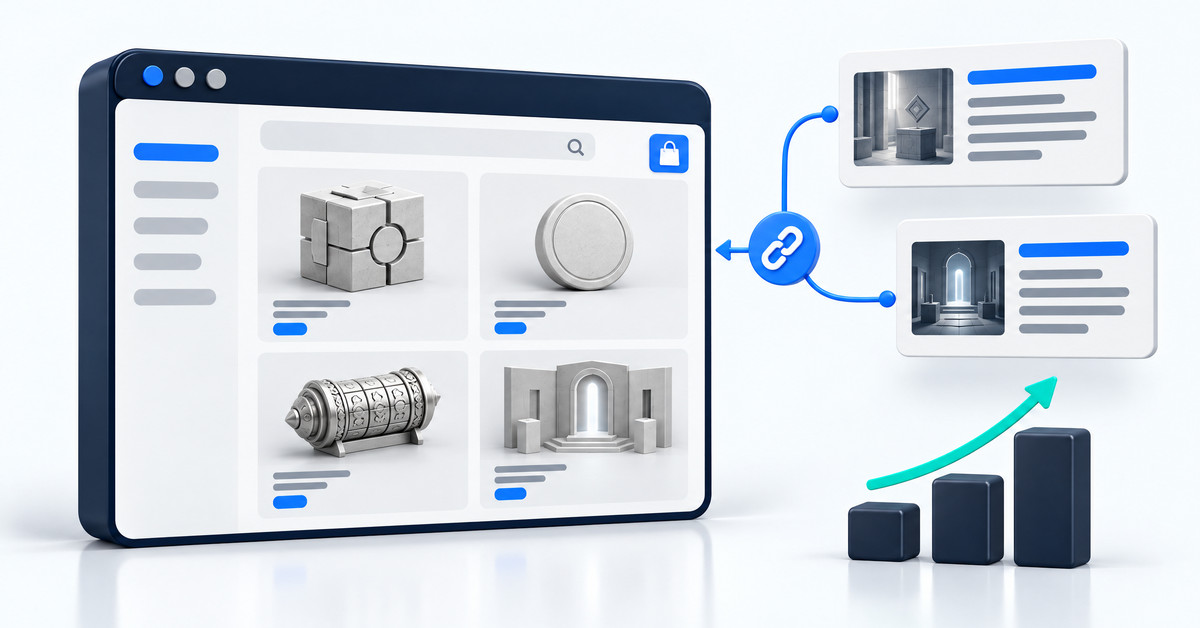
Interactive props can give ecommerce brands a hands-on way to explain products, stage a reveal, or create an optional customer experience. Start with one short activity, preserve an easy shopping path, and measure participation, operating cost, and relevant sales outcomes before investing in a larger activation.
The prop should make the product easier to understand or the moment more rewarding. It should not become an obstacle between the customer and the purchase.
Customer acquisition costs are eating into profit margins, and scrolling past another targeted ad has become a reflex for most consumers. We’ve spent the last decade optimizing checkout flows and tweaking algorithms, but the brands that actually stand out today are doing something entirely different.
Enter the Experience Economy. Modern consumers don’t just want a product delivered to their door; they want a story, a moment of surprise, and a genuine reason to talk about your brand. Forward-thinking companies are responding by bridging the gap between the digital and physical worlds through gamification and immersive design. And at the heart of this transformation lies a surprisingly powerful tool: tactile, interactive environmental design.
For years, the e-commerce playbook was simple: optimize the website, run targeted ads, and streamline checkout. But as digital shelves become infinitely crowded, the brands that stand out are those that create destinations, not just storefronts.
We are seeing a massive surge in experiential pop-up shops, interactive showrooms, and gamified brand activations. Why? Because physical engagement drives emotional connection. When a customer interacts with a brand in a playful, challenging, or surprising way, their dwell time increases, their perception of value skyrockets, and they are exponentially more likely to share the experience on social media.
But how do you build these immersive environments without a Hollywood-level budget? The secret lies in modular, high-quality interactive design.
Creating a memorable brand activation doesn’t require building a massive theme park. It requires strategic, high-impact details that trigger curiosity and engagement.
Whether you are designing a limited-edition pop-up activation, a VIP unboxing experience for top-tier clients, or an interactive corporate event space, the right escape room props can transform a passive observer into an active participant.
Originally pioneered by the live-entertainment industry, these elements—such as RFID-triggered hidden compartments, vintage-style puzzle boxes, magnetic locking mechanisms, and atmospheric lighting—are now being adapted by innovative retail and e-commerce brands. They add a layer of mystery and interactivity that flat digital screens simply cannot replicate.
Imagine a customer walking into your brand’s pop-up store. Instead of just browsing racks of clothing or shelves of products, they are handed a “mission.” To unlock the exclusive discount or view the limited-edition collection, they must solve a series of tactile puzzles integrated into the store’s decor. This gamification increases foot traffic, boosts dwell time, and creates highly shareable TikTok and Instagram moments.
E-commerce brands are taking the “unboxing” trend to the next level. By including a small, beautifully crafted puzzle box or a cryptic prop in a VIP customer’s shipment, brands turn a routine delivery into an event. The customer must “unlock” their next purchase or reveal a hidden message. This tactile surprise generates organic user-generated content (UGC) and deepens brand affinity.
B2B companies are constantly looking for ways to stand out at trade shows or during client onboarding. An interactive, puzzle-based presentation or a gamified product demo captures attention far better than a standard PowerPoint. It positions the brand as innovative, detail-oriented, and fun.
If you decide to integrate interactive elements into your brand experience, there is one golden rule: quality is non-negotiable.
Consumers are highly perceptive. A flimsy, poorly designed puzzle or a cheap plastic prop will break the immersion and, by extension, damage the perceived value of your brand. Successful immersive design requires:
This is why many brands are now partnering with specialized manufacturers who originally built their expertise in the demanding live-entertainment sector, where reliability and immersion are paramount.
The line between retail, entertainment, and e-commerce is blurring. The brands that will win the next decade are those that understand how to make their customers feel something.
By incorporating interactive, puzzle-driven elements into your physical or unboxing experiences, you are no longer just selling a product. You are selling a memory. And in the experience economy, memories are the ultimate currency.
Are you ready to transform your brand’s customer journey from a simple transaction into an unforgettable adventure? The right props might just be the key to unlocking your next level of growth.
Interactive retail props work best as optional, product-relevant activities with clear operating rules, a straightforward shopping path, and measurement tied to the campaign objective.
Interactive props can support product discovery or a relevant next action, but they do not guarantee higher ecommerce sales. The result depends on the audience, product connection, offer, operating conditions, and follow-up. Define the intended outcome before designing the activity and track qualified actions rather than dwell time alone. Event-specific links and codes can identify responses, but they do not prove incremental impact. Where practical, compare a similar experience without the interaction and include all operating costs when evaluating the result.
You do not need electronic escape room props for a brand activation; a simple tactile task, manual reveal, demonstration, or printed clue can deliver a useful interaction. Choose the mechanism after deciding what the customer should understand or do. Electronics add power, installation, reset, maintenance, and troubleshooting requirements, so they need a clear purpose. Prototype the concept first, compare purchase and rental options, and obtain a written specification and quote. A simpler design is preferable when it supports the same objective with less friction.
Customers should not have to solve a puzzle to access a product they purchased, essential information, or the ordinary shopping path. An optional activity can reveal an additional benefit, provided the terms are clear and the design includes appropriate assistance or an alternative route. Keep checkout separate from the activity’s queue. If the campaign uses discounts, prizes, or contests, review the applicable requirements before launch. The interaction should create useful participation rather than punish customers who lack time, interest, or the ability to complete it.
Test a gamified unboxing experience on a small budget by adding a simple optional reveal to a limited shipment group before commissioning custom packaging or electronics. Use a fold-out clue, note, or lightweight insert that introduces useful content without blocking the purchased item. Check packing time, protection, shipping weight, and customer instructions. Compare the added expense with feedback and the campaign’s chosen outcome. Do not assume recipients will post videos, and make clear whether the special package differs from the standard order experience.
Measure an interactive pop-up’s participation, completion time, assistance, reset time, failures, and the customer action linked to its objective. For a sales campaign, review qualified purchases and contribution margin; for product education, check understanding and remaining questions. Count consented follow-ups separately from attendance and permissioned content separately from total social posts. Include staff, venue, fabrication, maintenance, and teardown costs. Longer visits can mean interest or confusion, so interpret dwell time alongside observation and feedback rather than treating it as proof of success.




