Free every Thursday · 61,308 Readers
Fastlane Insider Newsletter: What's working for Shopify in the AI era?
Free every Thursday · 61,308 Readers
Fastlane Insider Newsletter: What's working for Shopify in the AI era?
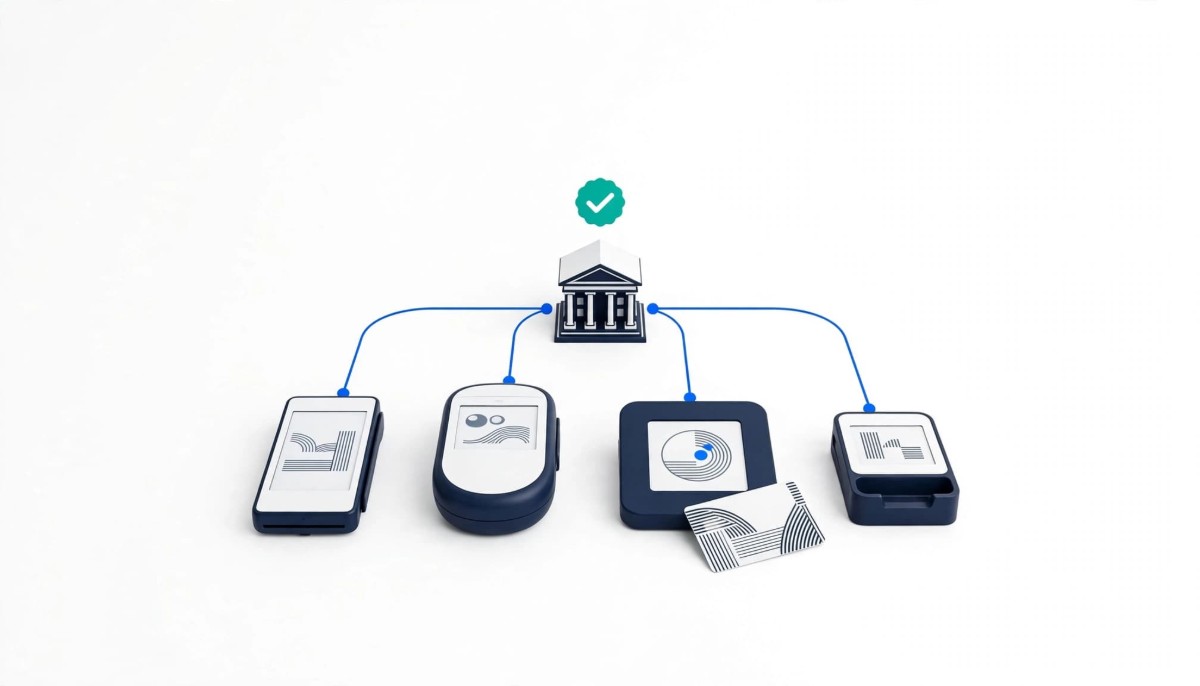
For Shopify stores that Shopify Payments will not support, start with AVPS for bank-connected placement in restricted categories, Durango Merchant Services for international or crypto sales, PaymentCloud for hands-on account management, and pmtbox only when fraud losses are your biggest payments cost.
Being labeled high risk is often a statement about your processor’s underwriting appetite, not about your business. The fix is finding a provider whose banks actually want your category.
Last updated: October 2026. Pricing and policies checked against each provider’s site that month.
Picture a CBD brand doing $60K a month that wakes up to an email saying its Shopify Payments account is under review. Payouts are paused. Ads are still spending. It is a hypothetical, but the scenario is common enough that it has its own vocabulary in ecommerce circles: frozen funds, terminated accounts, and the scramble for a “high risk merchant account” before the next payroll.
Shopify is clear about why it happens. Its Shopify Payments eligibility page says some business models, “while legal, Shopify Payments can’t support,” and lists cannabis, tobacco, firearms, adult products, gambling, and products making unverified health claims among the prohibited categories. Stores in those categories need a third party processor, and the processor you choose decides your fees, your reserves, and how fast you get paid. If you are new to the term, our explainer on what a high risk merchant account is covers the basics.
The four providers below are listed alphabetically, not ranked. The right one depends on what you sell, where your customers are, and why you were flagged in the first place. The comparison grid and the Best For section that follow the provider write ups are built to help you match your situation to a provider.
These four providers were chosen because each one publicly courts merchants that mainstream processors decline or restrict, and each can be checked against the same four criteria. The criteria are: underwriting appetite for restricted categories (does the provider name your vertical), chargeback and fraud tooling (what is built in and what is extra), pricing transparency (is anything published, and how is markup shown), and fit for a Shopify store (which gateways the provider works with). Every claim was checked against the provider’s own site in October 2026, with third party reviews from Fit Small Business and Merchant Maverick used for pricing estimates the providers do not publish. Square and Stripe were considered and excluded because their standard terms restrict many of the same categories. National Processing, Payline Data, and Host Merchant Services were not reviewed for this edition. This piece was contributed by AVPS and edited by eCommerce Fastlane, which is why AVPS is held to the same four criteria as everyone else.
The grid below summarizes each provider on pricing, best fit, and the main reason to skip it. Pricing is as of October 2026.
AVPS is a California based merchant services provider that places high risk merchants with acquiring banks directly, built for businesses in categories like CBD, firearms, adult, sports betting, nutraceuticals, and tobacco.
AVPS (American Verification Processing Solutions) describes itself on its site as a registered ISO/MSP of Central Bank of St. Louis and a registered TPA with Visa and SP with Mastercard through SSB Bank. In plain terms, AVPS has formal standing with the banks that underwrite accounts, rather than only referring applications onward. AVPS says it has more than 30 years of experience placing merchant accounts, and its high risk pages name industry programs for adult, CBD and hemp, firearms, gaming and sports betting, peptides and nutraceuticals, tobacco, and travel. On the ecommerce side, AVPS says it works with gateways including NMI, Nuvei, Authorize.net, and Greenlight Payments, runs on what it calls PCI Level One compliant infrastructure, and processes more than 50 million transactions a month. The pitch is a relationship model: underwriting matched to your business model instead of an automated approve or decline.
As of October 2026, AVPS does not publish rates. Pricing is quoted after underwriting and depends on business type, volume, and risk profile, with AVPS stating that fees break down into interchange, assessments, and processor markup.
The strongest point in AVPS’s favor is bank access. When a processor’s acquiring bank does not underwrite your category, no amount of paperwork fixes it, and AVPS’s direct bank registrations give it more than one place to try. Second, AVPS says chargeback management tools are included on high risk accounts and names FRAUDefender, Order Insight, and Disputifier as the fraud tools working together to flag suspicious transactions, which matters because a rising dispute ratio is often what pushed a merchant into high risk in the first place. Third, AVPS promotes transparent pricing on high risk accounts and explains that processing costs break into interchange, assessments, and a processor markup, which gives you the right questions to ask about where its markup sits.
Two limitations are worth weighing. AVPS’s site states that high risk merchants will not be boarded under TSYS, so the processing relationship you get depends on which bank and gateway AVPS places you with; ask for both names before you sign. And because AVPS publishes no pricing and no standard reserve terms, you cannot compare it against PaymentCloud or Durango Merchant Services until you have been through underwriting.
Choose AVPS if you sell in a restricted category Shopify Payments will not support, process enough monthly volume to justify a custom quote, and want a provider that will place your account with a matching bank rather than run you through an automated check. AVPS fits best when you have a chargeback history to manage and want the tools bundled into the account.
Skip AVPS if you want to sign up online in minutes and start processing the same day, or if your category is low risk and Shopify Payments has never questioned your account.
Durango Merchant Services is a high risk merchant account broker focused on hard to place accounts, international merchants, and nonstandard payment types such as multicurrency and cryptocurrency.
Durango Merchant Services says it has more than 20 years in business and serves “any industry, high risk or low risk,” with dedicated pages for categories including supplements and nutraceuticals, telemedicine, multi level marketing, fantasy sports, pharmacies, and luxury goods. Durango lists merchant accounts for the USA, all EU countries, Canada, the UK, Puerto Rico, Panama, and the US and British Virgin Islands, and advertises multicurrency processing and cryptocurrency payments as services. Merchant Maverick’s review notes that Durango offers offshore merchant accounts for some high risk industries and a cryptocurrency merchant account for legal products and services. Merchant Maverick reports that Durango processes through its own Durango Pay Gateway with EMV 3D Secure 2.0 and iSPY fraud screening included, so confirm the gateway connects to Shopify before you apply. That international reach is what separates Durango Merchant Services from domestic focused providers.
As of October 2026, Durango Merchant Services does not publish full pricing. Fit Small Business reports estimates of interchange plus 0.25% for ecommerce, a $30 monthly fee including the gateway, a $25 chargeback fee, no early termination fee, and rolling reserves from 0% to 10%. Treat those as reported estimates, not a quote.
Durango’s strengths are breadth and flexibility. Offshore and multicurrency options matter if a meaningful share of your customers pay in euros or pounds, or if a domestic bank simply will not take your category. As of October 2026, Fit Small Business reports no early termination fee, and Merchant Maverick’s June 2025 review says most merchants get a month to month contract, though some high risk merchants are placed on a three year contract with an early termination fee of up to $500.
The limitations are transparency and time. Merchant Maverick notes that Durango “discloses almost no information about pricing,” so you learn your real cost only after applying. Brokers that do more manual underwriting per account can also take longer to approve than a provider with a fixed bank program, so build that time into your plans if you are moving off a frozen account.
Choose Durango Merchant Services if you sell internationally, need multicurrency settlement or an offshore account, or want to accept cryptocurrency alongside cards. Durango fits merchants whose risk comes from geography or payment type as much as product category.
Skip Durango Merchant Services if you sell domestically in a single currency and want published rates you can compare before applying.
PaymentCloud is a high risk merchant services provider built around one on one account management for categories like supplements, CBD, adult toys, firearms, subscriptions, and dropshipping.
PaymentCloud’s high risk page lists industries including adult toys, alcohol, CBD, online pharmacy, supplements, firearms, startups, travel, debt consolidation, continuity and subscription, and dropshipping, and claims more than 1,500 supported verticals. Every merchant gets what PaymentCloud calls “Your own account manager who understands your specific industry challenges.” PaymentCloud integrates with gateways including Cybersource, NMI, and Authorize.net, and lists Disputifier and Kount among its security and dispute tools. That combination of named gateways and named dispute tools makes PaymentCloud easier to evaluate than many brokers in this space.
As of October 2026, PaymentCloud quotes pricing individually and says setup fees and reserves “vary by business type.” Fit Small Business reports estimated high risk processing rates of 2.7% to 4.3%, monthly fees of $10 to $45, and a $25 chargeback fee, with the cancellation fee waived.
PaymentCloud’s main strength is support. A named account manager who knows your vertical is worth real money when an account gets flagged during a sales spike. Its published category list also makes it easy to see quickly whether your business is in scope, and the gateway list tells a Shopify merchant which integrations to confirm.
The first limitation is the MATCH list. PaymentCloud’s own guide to the MATCH list states that it “does not accept merchants currently on MATCH or TMF,” apart from documented identity theft cases. Listings stay for five years. The second is that rates are not known until after underwriting, so the reported 2.7% to 4.3% range is only a planning number.
Choose PaymentCloud if you sell supplements, CBD, subscriptions, or another listed category, are not on the MATCH list, and want one person who knows your account rather than a ticket queue.
Skip PaymentCloud if your business is currently on the MATCH list, because PaymentCloud says it will not accept the application.
pmtbox is a payments, fraud, and disputes platform that bundles processing with fraud screening and chargeback representment, aimed at merchants whose biggest payments cost is fraud rather than category risk.
pmtbox describes “One partner and one system for payments, fraud, and disputes, with one team accountable for the result.” Its proprietary fraud model compares each order against your good customers and known fraud, then approves, challenges, or blocks it before authorization. pmtbox says it represents disputes automatically and files evidence for you. According to Pulse 2.0’s April 2026 report on its $15 million seed round, pmtbox serves about 1,300 customers. pmtbox does not market itself as a high risk underwriting specialist, which is the key difference from the other three providers here.
As of October 2026, pmtbox publishes no dollar figures. It offers a Basic plan with fees broken out by service and an Enterprise plan with one bundled price, both quoted after a review of your transaction data, and says your rate stays the same as you grow.
pmtbox’s standout strength is fraud ownership. On the Enterprise plan, pmtbox’s pricing page says it will “cover the full cost of every fraudulent transaction our system approves, including your fraud chargebacks.” For a merchant whose problem is fraud, that shifts the loss off your books. The second strength is consolidation: payments, fraud, and disputes in one system means one team to call when something goes wrong.
The limitations are scope and terms. pmtbox’s site does not name high risk industries or a Shopify gateway integration, so a CBD or firearms merchant has to confirm underwriting before investing time. And pmtbox does not publish the conditions or limits of its fraud coverage, so get them in writing.
Choose pmtbox if your account is under pressure because of fraud chargebacks rather than what you sell, and you want one provider to own payments, fraud screening, and dispute evidence.
Skip pmtbox if your category is on Shopify’s prohibited list and you need a provider with confirmed bank appetite for it; start with AVPS, Durango Merchant Services, or PaymentCloud instead.
The right provider depends on why you were flagged, where you sell, and how much you process, so start with those three facts rather than with rates. Before comparing providers, check one cost that applies to all of them: Shopify charges a third party transaction fee when you do not use Shopify Payments. As of October 2026, Shopify’s pricing page lists that fee at 2% on Basic, 1% on Grow, 0.6% on Advanced, and 0.2% on Plus, on top of whatever your processor charges.
Illustrative example, assuming $40,000 a month in card sales and Shopify’s published fees as of October 2026: on Basic, the third party fee is $800 a month. On Grow it is $400, and on Advanced it is $240. If you are on Basic and processing more than a few thousand dollars a month through a high risk provider, upgrading your Shopify plan often saves more than negotiating your processor’s markup down by a few basis points.
If you are under roughly $20K a month in a restricted category such as CBD or supplements, PaymentCloud’s published category list and dedicated account manager make it a practical first application, provided you are not on the MATCH list. AVPS is the comparable first call if you want bank level placement and chargeback tools included from day one.
If you are between $20K and $200K a month and your account was frozen or terminated, prioritize stability over rate. AVPS’s direct bank registrations and PaymentCloud’s account management both target this situation. Ask each for the acquiring bank’s name and the reserve terms in writing, then compare.
If a large share of your revenue comes from outside the US, or you want to accept crypto, Durango Merchant Services is the only provider here that advertises offshore and cryptocurrency accounts.
If your category is fine but fraud chargebacks are what put your account at risk, pmtbox’s fraud coverage addresses the actual problem. The honest trade off is that a specialist high risk provider and a fraud platform solve different problems, and paying for high risk underwriting you do not need is the most common way merchants overspend here. Dispute volume also spikes after big sales weekends; our guide to Black Friday chargebacks covers the evidence to collect before it lands.
No single high risk merchant account is right for every Shopify store, which is why this list is unranked. AVPS, Durango Merchant Services, PaymentCloud, and pmtbox each earn a place for a different reason: bank placement, international reach, account management, and fraud ownership. Your choice comes down to your category, your sales footprint, your chargeback history, and whether you can live with pricing you only see after underwriting. Whichever provider you apply to, bring three to six months of processing statements, ask for the acquiring bank by name, and get the reserve, contract length, and termination terms in writing. Fit Small Business reports that high risk contracts range from month to month up to three years, so the contract matters as much as the rate. If you are still sorting out how the pieces fit together, our guide to payment gateways versus merchant accounts explains the difference, and if you sell supplements specifically, our piece on why supplement brands lose their Shopify Payments account goes deeper.
There is no single best high risk merchant account for every Shopify store in a restricted category; the right one depends on why you are high risk. If your category is on Shopify’s prohibited list, such as CBD, firearms, or tobacco, start with a provider that names your vertical and has bank relationships for it, such as AVPS or PaymentCloud. If your risk comes from selling internationally or accepting crypto, Durango Merchant Services fits better. If fraud chargebacks are the problem rather than the product, pmtbox addresses that directly. Match the provider to the cause, then compare quotes from at least two providers before signing.
A high risk merchant account usually costs more than standard processing, and most providers quote only after underwriting. As of October 2026, Fit Small Business reports estimated PaymentCloud high risk rates of 2.7% to 4.3% and Durango estimates of interchange plus 0.25% with a $30 monthly fee, while AVPS and pmtbox publish no rates. Add rolling reserves, which Fit Small Business reports at up to 10% of volume for providers it reviewed, plus chargeback fees around $25 each. Shopify merchants also pay Shopify’s third party transaction fee of 2% on Basic down to 0.2% on Plus, which can outweigh differences between processors.
Yes, you can use a high risk merchant account with Shopify by connecting it as a third party payment provider instead of Shopify Payments. The provider has to work with a gateway Shopify supports, so ask which gateway your account will run on and confirm it appears in your Shopify payment settings before you sign. Expect Shopify’s third party transaction fee on every order: 2% on Basic, 1% on Grow, 0.6% on Advanced, and 0.2% on Plus as of October 2026. At higher volumes, upgrading your Shopify plan can save more than any rate negotiation with the processor.
The main difference between AVPS and PaymentCloud is how each places your account: AVPS emphasizes direct bank registrations, while PaymentCloud emphasizes a dedicated account manager. AVPS is a registered ISO/MSP of Central Bank of St. Louis and says chargeback management and fraud tools such as FRAUDefender, Order Insight, and Disputifier come with its high risk accounts. PaymentCloud publishes a long list of supported categories, names its gateway integrations, and assigns every merchant an account manager. Neither publishes standard rates. PaymentCloud says it does not accept merchants currently on the MATCH list, so a MATCH listed merchant should not apply there.
Getting a merchant account while on the MATCH list is difficult, and some providers will not consider it at all. PaymentCloud states that it does not accept merchants currently on MATCH or TMF, apart from documented identity theft cases. A MATCH listing stays in place for five years from the date it was added, after which Mastercard removes it automatically. If you are listed, ask each provider directly whether it will review your application before you send documents, and be ready to explain what caused the listing and what has changed since. Expect stricter reserves if you are approved.
Before signing with a high risk processor, ask who the acquiring bank is, how pricing is structured, and what reserve and contract terms apply. Ask for the markup shown separately from interchange, every monthly fee in writing, the rolling reserve percentage and how long funds are held, the contract length, whether renewal is automatic, and the early termination fee. Ask what dispute ratio triggers a hold, which chargeback and fraud tools are included versus extra, whether any monthly processing cap applies, and whether you get a named contact or a support queue. A provider that cannot answer clearly is telling you something.