Free every Thursday · 61,308 Readers
Fastlane Insider Newsletter: What's working for Shopify in the AI era?
Free every Thursday · 61,308 Readers
Fastlane Insider Newsletter: What's working for Shopify in the AI era?

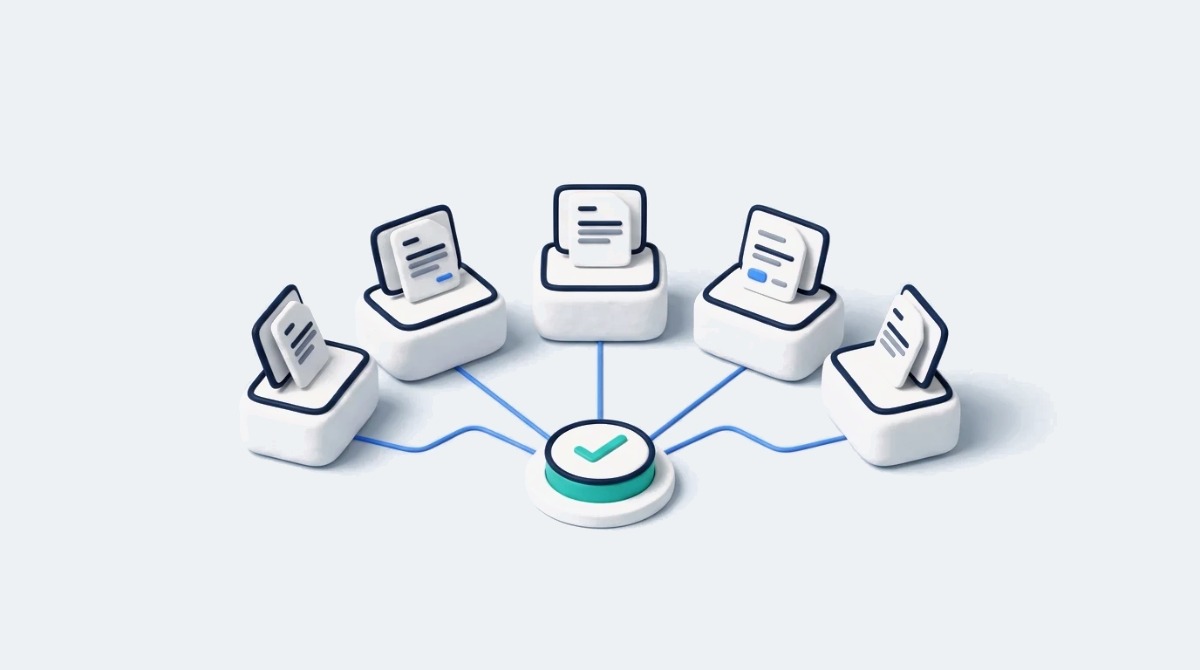
The hard part of an AI team was never the AI. It is deciding which jobs you are willing to stop doing yourself, and which ones still need your name on them.
An AI team matters for a Growing stage Shopify store because the bottleneck at that stage is rarely ideas or tools; it is that one or two people are doing every recurring job by hand. The product listings, the weekly email, the wholesale one pager, the reply to the customer who asked about sizing at 11pm. None of it is hard. All of it adds up.
Now, most AI tools a founder uses today still work one prompt at a time. You open a chat, ask for a product description, copy it, paste it, fix the tone, and do it again tomorrow. That saves minutes. It does not take a job off your plate. Nomadian, from the Korean software company Hancom, is built around a different idea: you assign work to a team of AI teammates with set roles, they split the request between them, and you review what comes back. Hancom has scheduled the US beta for December 15, 2026, which makes this a good moment to plan what you would actually hand it, before the new year planning rush starts.
The idea of AI as staff rather than software keeps coming up on the podcast this year. The guests who talked about making it work, on Amazon pricing and on Meta ads, did not lead with how many agents they ran. They led with how clear they were about what each agent was allowed to do without asking.
Nomadian is a web app where you build a small team of AI agents by job role, give them work in plain English, and watch them carry it out in a shared virtual office. There is nothing to install. Hancom has been making office and document software for 36 years, and The Korea Times reported in September that Nomadian is aimed at US solo founders and small businesses, with the beta in December and a paid subscription in 2027.
As of November 2026, the product page names five teammates. Ara is the project leader, who creates tasks, sets priorities and routes work to the others. Miro is the growth marketer, focused on funnels, channel automation and revenue data. Sol is the business writer for research, messaging and positioning. Noa is the creative director for concepts and brand visuals. Remi handles customer care and tracks customer feedback. At a Hancom press briefing covered by Digital Today, the company described 12 default roles in total, though it hasn’t said which of them will be in the US beta.
The work happens in what Nomadian calls Rooms. You can set up one Room per project or client, and the agents in it remember your preferences, guidelines and context across conversations, so you are not re-explaining your brand voice every Monday. Nomadian connects to the tools a small store already runs on, and the page lists Shopify, Google Workspace, Slack, Notion, Canva, Asana and GitHub. You keep your current apps and the AI team works across them. The public page doesn’t spell out which Shopify records Nomadian can read or change, so when you connect a live store, check the permissions it asks for and start with one internal task.
Compared with drafting in a chat window and moving the work between apps yourself, Nomadian is designed to split one brief across a team, show progress as it happens, keep context in a Room, and pause for approval on high stakes actions. Each of those changes what a lean store can realistically hand off.
The first is one request, split across the team. You can give the whole team a single instruction, and the project leader breaks it into pieces for the right specialists. Ask for a holiday gift guide and the writer drafts it, the creative director handles the visuals, and the growth marketer thinks about where it goes. For a founder, the outcome is fewer handoffs to manage. What it needs to work is a clear brief, the same as a human team would.
The second is progress you can see. The agents appear as characters in a 3D office, streaming live updates as they work, and every action is logged for later review. That sounds like a gimmick until you have tried to trust a tool that only shows you the finished answer. Seeing who is working on what, and where something stalled, is how you learn whether to give it more.
The third is memory that sticks. Because each Room keeps your guidelines and context, the tenth request should need less explaining than the first. Hancom has also said repetitive tasks can be saved as workflows that run around the clock, so a weekly report or a recurring content job can run in the background.
The fourth, and the one I care about most, is approval on the high stakes moments. Hancom says Nomadian pauses before sending emails, requesting signatures or processing payments, with the request waiting in your dashboard, and its FAQ says nothing is sent or paid without your approval. Hancom also told Digital Today that you decide which other tasks need sign off and which run on their own. That control is what makes the other three worth testing. During a pilot, I would still check exactly what pauses in each connected app before giving it write access.
The way I would start with an AI team is to hand over the recurring, internal work first, keep anything customer facing on approval for the first month, and widen its permissions only after it has earned them. This is the same ladder two podcast guests described this year, and it fits a store better than turning everything on at once.
Chad Rubin, founder and CEO of Profasee, built an “ask me first” mode into his team of AI agents for Amazon sellers. On episode 470 of the podcast, he put the trust question bluntly:
So the answer is you don’t trust them, right? Especially not on day one.
He went on to describe new agents as smart interns: they read every line of your data, but they do not ship anything without you. Anthony DelPizzo, VP of Marketing at Triple Whale, described the same thing for Meta ads on episode 497 as an autonomy ladder, starting with approving every action and moving toward autonomous mode once the results build trust.
Here is how I would apply that ladder to Nomadian. Illustrative example, a composite rather than a real store: a two person Shopify home goods brand doing about $40K a month, where the founder writes the emails and her partner handles fulfillment and customer messages.
Week one, internal work only. Set up a Room with the brand voice, return policy and best sellers, then give Sol and Noa the jobs nobody sees until you approve them: product description refreshes for slow sellers, a wholesale one pager, the draft of next week’s email. Nothing goes out. You are grading the work.
Weeks two and three, drafts with a human send. Let Miro draft the holiday campaign and Remi draft replies to common customer questions, with every send held for approval. Track how often you change a draft and what you change. That edit rate tells you more than any feature list.
Week four, a single job on autopilot. Pick one recurring internal job where your edits have dropped to almost nothing, like the weekly sales summary once you have confirmed it is reading the right store data, and let it run. Customer messages and anything involving money stay on approval.
Just as important is what I would leave off the list. Before you add Nomadian, check what it overlaps with. If an app you already pay for drafts your support replies, do not run two agents on the same inbox. When I was at Shopify, one of the first things I did with a new merchant was an app audit, and apps doing the same job twice were among the first things I looked for. An AI team should replace work, not sit on top of the same work. Fastlane’s guide to cleaning up app bloat is a good place to start that list.
Nomadian is still pre-launch, so the merchants who will get the most from the December beta are the ones who go in ready to test it on real recurring work and give feedback, not the ones who need a finished product on day one. Joining the waiting list registers your interest; it is not a guarantee of a beta seat. Hancom has said it is targeting March 2027 for the global commercial version.
Hancom’s product page describes pay as you go billing with real time usage tracking and automatic pause limits, but as of November 2026 it lists no rates. Confirm the beta terms when you get access, and set a pause limit before you run any recurring job. Since I haven’t used Nomadian myself yet, treat the 30 day plan above as how I would approach it, not as a report on results.
It helps to know where Nomadian fits next to tools you may already have. If your main need is help inside the Shopify admin, like editing your storefront, writing a product description or asking a question about last week’s sales, Shopify Sidekick is included with your plan (features and limits vary by plan) and is the natural first step. If paid media is the bottleneck, compare Nomadian with a specialist like Triple Whale’s Moby, which has its own media buying agent, rather than adding a general team. Nomadian’s lane is the middle: a general team for the marketing, writing, creative and support work that runs across your apps, organized the way a small company is. That fits a founder who wants to manage a team rather than operate five separate tools.
The other prerequisite is you. An AI team needs the same onboarding a new hire does: your brand voice, your policies and examples of good work. Fastlane’s piece on why an AI stack needs a maintenance habit makes the point that these systems drift when your policies and data drift, and that holds here too. Plan a few minutes a week to update what each Room knows.
Your next step this week is to write down every task you repeated in the last seven days, mark each one internal or customer facing, and circle the three internal ones you would hand to a new hire first. That list is your first Nomadian brief, and it is useful even if you never sign up.
If you are Growing stage and running the store with one to three people, register your interest on the Nomadian beta waiting list, and if you get access, bring that list and start with one internal draft from the week one plan. If you are Scaling with a team already in place, your first step looks different: start with the job that eats the most human hours and is easiest to check, run the AI team alongside the person who owns it for a month, and compare the output side by side. Either way, I’d carry Chad’s day one rule from Amazon pricing over to your store: no customer facing send without your approval until the agents have earned it. For a wider view of where agents fit in a growing brand, Fastlane’s guide on how AI agents help DTC brands scale without losing control goes deeper.
Nomadian is a browser-based AI workforce platform from Hancom that gives small businesses a team of role-specific AI agents. As of November 2026, the product page names five teammates: a project leader, a growth marketer, a business writer, a creative director and a customer care agent. You give the team work in plain English, the project leader splits it among the specialists, and you watch progress in a 3D virtual office. Agents remember your guidelines inside project spaces called Rooms, and Hancom says high stakes actions such as sending emails or processing payments wait for your approval. Hancom has scheduled the US beta for December 15, 2026.
Yes, Shopify is one of the integrations listed on Nomadian’s product page, alongside Google Workspace, Slack, Notion, Canva, Asana and GitHub. Nomadian is designed to work on top of the apps a small business already uses rather than replace them, so you keep running your store in Shopify while the AI team works across your connected tools. As with any new app, check which permissions it asks for when you connect your store during the beta, and keep anything that touches customers or payments on approval while you learn how it behaves.
Nomadian uses pay as you go pricing, but Hancom has not published specific prices as of November 2026. The product page says you can track usage in real time and set automatic pause limits, so you are not surprised by a bill. The US beta is scheduled for December 15, 2026, Hancom has said a paid subscription follows in 2027, and the company told Digital Today its global commercial version is planned for March 2027. Until prices are public, start with a small test on recurring internal work and set a pause limit before handing it anything large.
It can be, if you keep approval on anything customer facing until the agents have earned your trust and test what actually pauses in each connected app. Hancom says Nomadian pauses high stakes actions such as sending emails, requesting signatures and processing payments for your sign off, and that you choose which other tasks need approval. Start with internal work like product description drafts and reports, move to drafts with a human send, and only let one proven internal job run on its own after a few weeks. Podcast guest Chad Rubin of Profasee put it simply on episode 470: you do not trust new agents on day one.
Use Shopify Sidekick first if your main need is help inside the Shopify admin, and consider Nomadian when you want a team handling recurring work across several apps. Sidekick is included with your Shopify plan and can edit your storefront, write product descriptions, create marketing content and answer questions about your sales data. Nomadian is built as a team of role-based agents that handle marketing, writing, creative and support work across tools like Google Workspace, Slack, Canva and Shopify. Many Growing stage stores could use both, as long as two tools are not doing the same job.