Free every Thursday · 60,261 Readers
Fastlane Insider Newsletter: What's working for Shopify in the AI era?
Free every Thursday · 60,261 Readers
Fastlane Insider Newsletter: What's working for Shopify in the AI era?
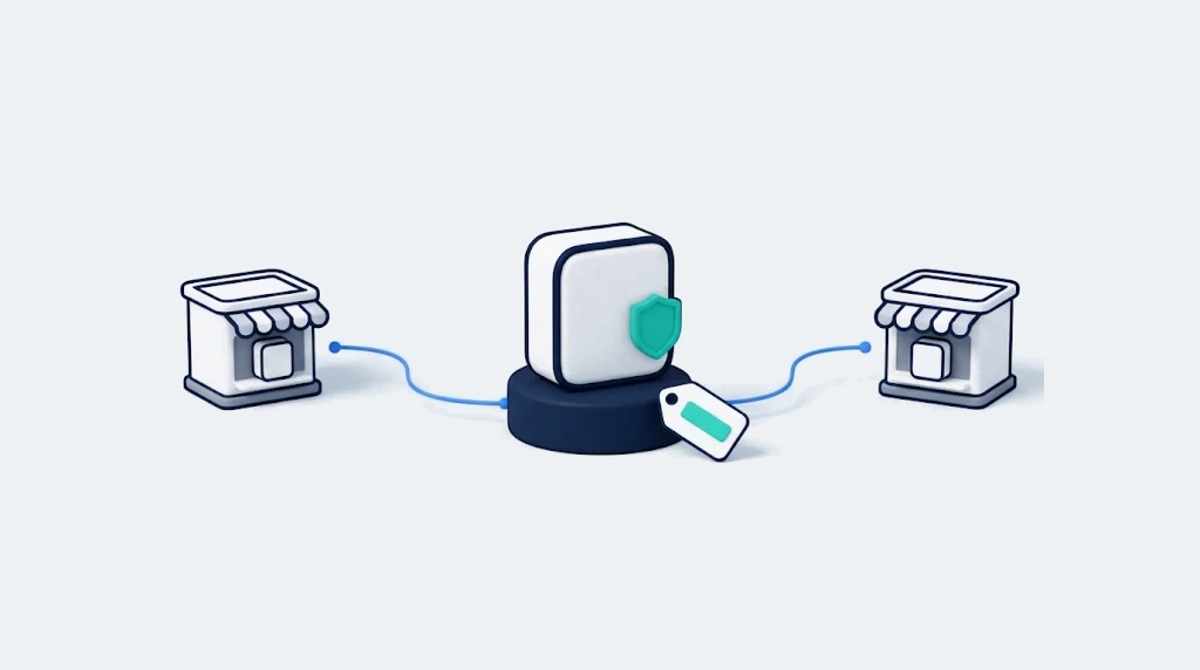
If your products sell well on your own store, sellers you never approved have probably listed them on Amazon already. The real decision is who sells them there, and on whose rules.
If your products sell well on your own store, there’s a good chance they’re already on Amazon, listed by sellers you never approved. So the decision in front of you is who sells them there: your own team, or a few authorized resellers you choose and hold to clear rules.
I’m Jakub Filipcsik. I’ve sold on Amazon US since 2016 as a wholesale seller, buying from brands and their authorized distributors, and I now coach other wholesale sellers. That puts me on the reseller side of this question, so read my take with that in mind and judge the arguments on their own. Where the in-house route is the better call for your brand, I’ll say so.
If your product sells, resellers will find a way to list it on Amazon, whether you put it there or not. They buy from your retail partners, from clearance channels or from distributors you sold to years ago, and they list whatever moves.
That isn’t automatically bad. The problem is how unmanaged sellers behave. When five or six sellers fight over the same listing, they compete on one thing: price. One drops a dollar, the next drops two, and within weeks your product sells on Amazon for less than on your own site.

Most brands I’ve bought from have a MAP (minimum advertised price) policy, and on paper they enforce it. In practice, the sellers on the listing often ignore it, and the brand rarely follows up. The result is a price war that makes the product look cheap and low quality, even when it’s neither. Your Shopify customers see that price too, and some of them will wonder why they paid more on your site.
The other cost is quieter. Sellers who only care about the next sale don’t answer customer questions, don’t fix a weak listing and don’t work on reviews. You can spot this when you look at a listing over a few months: the price keeps jumping around and new reviews barely come in. The listing sits there while someone else collects the sales.
If you haven’t checked yet, search your brand name on Amazon today and look at who’s selling, at what price, and how recent the reviews are. A price history tool like Keepa shows whether the price has been stable or sliding. Fastlane has a good breakdown of how brands lose revenue through uncontrolled marketplace pricing if you want to see how far this can go.
You can run Amazon yourself through your own Seller Central account, or you can sell wholesale to a small group of authorized resellers who list, store and ship the product for you.
Running it in-house means you own everything: the listing, the price, the inventory at Amazon’s warehouses, the ads and the customer questions. You keep the retail margin, minus Amazon’s fees. As of November 2026, a Professional selling account costs $39.99 a month plus selling fees, and the referral fee depends on the category. For many categories it’s 15% of the sale price, with a $0.30 minimum per item. On Shopify, an app such as Shopify Marketplace Connect can sync listings, inventory and orders between your store and Amazon, so the in-house route doesn’t have to mean managing two catalogs by hand.
Going through authorized resellers means you sell at your wholesale price and they handle the Amazon side. You earn less per unit, but you don’t carry the stock, the fees or the staff time. You still control who’s allowed to sell and under what rules.
Illustrative example, assuming a $40 retail price and a $20 wholesale price: in-house, a 15% referral fee takes $6 per sale before fulfillment fees, storage and ad spend come out of the remaining $34. Through a reseller, you collect $20 per unit on the order, and the reseller carries every Amazon cost after that. Run the same math with your own prices and fees before you decide.
Here’s how the two compare:
Which column fits you depends on what you’d rather give up: money and team time, or some margin and some control.
You protect your own store by setting your price floor before anyone sells, keeping control of the listing, and giving every seller clear rules they agree to in writing.
A MAP policy only works if sellers know you’ll act on it. Put it in the reseller agreement, say what happens when someone breaks it, and check the listing regularly. Decide before you sign anyone what you’ll do with the seller who ignores it.
One point catches a lot of brands out: Amazon does not enforce your MAP policy. MAP is an agreement between you and your resellers, and Amazon’s own brand protection tools are built for counterfeits and intellectual property, not price. That’s why the agreement and your follow up carry all the weight. If you’re new to MAP, this Fastlane piece on MAP compliance and margin floors covers the basics well.
Amazon Brand Registry is free, and you don’t need to sell on Amazon to use it. You need a pending or registered trademark, issued by a trademark office in a country with an Amazon store, and your brand name on the product or packaging. It gives you tools to find and report suspected IP infringement, such as Report a Violation, and it keeps you in charge of the listing content instead of whoever got there first.
Your Amazon listing is often the first place a new customer sees your brand. If the photos are weak and the description is thin, that’s the impression they get. Whoever runs it, you or a reseller, the listing should look like it belongs to the same brand as your website: the same product names, the same claims and the same quality of images.
Authorized resellers make sense when they bring something you’d otherwise have to build or pay for yourself, like Amazon know-how, ads, customer service and review work.
Think about what you want as a brand owner. You want to grow, and you want your products to be everywhere and to be known. A reseller who only wants to buy and resell your product gives you very little beyond the wholesale order.
A reseller who drives traffic to the listing (the same idea as sending Meta and Google traffic to Amazon, done by someone else), improves the content, works on getting more reviews within Amazon’s rules and handles customer questions is a different story. That’s work you’d otherwise hire for. In that case the brand benefits a lot, and you get an Amazon channel without building an Amazon team.
Two situations make resellers a bad idea. The first is when there’s no agreement in place. Without written rules on price, customer service and who’s allowed to sell, you’re back to the unmanaged listing from the first section.
The second is when the resellers have no experience. A new seller learning Amazon on your listing can hurt your reviews and your price.
In-house makes more sense when Amazon is meant to be one of your main channels and you already have people who can run ads, manage stock at Amazon and answer customers every day. If that’s you, the extra margin is worth the work.
For most brands in the Growing stage the reseller route, done with a written agreement, fits better than in-house, while Scaling brands with Amazon as a main channel and a team to run it are the ones the in-house margin rewards.
If you’re Growing (roughly $10K to $100K a month), your team’s time is the scarcest thing you have. The priority is your own store and your second purchase, not a new channel to staff. Enroll in Brand Registry and write your MAP policy now, because those protect you whatever happens next. Then either leave Amazon to one or two authorized resellers who will do the listing work, or hold off entirely if nobody is selling your product there yet.
If you’re Scaling (roughly $100K to $1M a month), the question changes. Amazon can become a real share of revenue, and the gap between your wholesale price and the retail margin starts to pay for the people it takes to run it. If you already have someone who can run ads, manage stock at Amazon and answer customers every day, in-house is worth testing. If not, a capable reseller gives you the channel while you decide whether to build that team.
At either stage, the order matters more than the route: protect the brand first (Brand Registry and MAP), then decide who sells. A brand that picks a route before setting those rules ends up with the same unmanaged listing it started with.
Before you approve a reseller, ask what they’ll do for your listing beyond placing an order, and get those promises into the agreement.
A while ago I approached a brand that makes baskets that attach to a bicycle for carrying pets. The co-owner said no at first. They’d had a bad experience with Amazon sellers before: sellers drove the price below MAP, customer service was poor, and nobody seemed to care about the brand. After that, they decided to work only with a couple of sellers who shipped orders themselves (FBM).
Before going back to them, I looked at their Amazon listing and the competition. The price was jumping around, and the listing was getting almost no new reviews. Nobody was growing it.
So I offered a deal. I would handle customer questions and customer service, work on getting more reviews within Amazon’s rules (programs like Amazon Vine and the other growth levers in Fastlane’s guide are where that work usually starts), and drive paid traffic to the listing. They agreed, and I did all of that. What changed their mind was seeing exactly what their listing was missing, and a seller offering to take that work on.
When I contact a brand as a wholesale buyer, the questions are almost always the same: where do I sell, what kind of products do we sell, which of their products I’m interested in, and whether we sell online or have a brick-and-mortar store.
Those are fair, but they’re not enough. Before you approve a reseller for Amazon, also ask:
A good reseller answers these without hesitation. If they can’t, they’re the kind of seller you already have on your listing.
Your next step depends on where your brand stands on Amazon today.
Not on Amazon yet: search your brand on Amazon today and note who’s selling, at what price and how recent the reviews are. If nobody is there, file for Brand Registry once your trademark is pending so you’re ready before anyone shows up.
Already seeing unauthorized sellers: enroll in Brand Registry and write a MAP policy into every reseller agreement before you sign anyone new. Then trace where the unauthorized stock is coming from, because it often leads back to a retail partner or an old distributor.
Ready to pick resellers: shortlist two or three, ask them the questions above, and start with a small first order and a clear agreement. Add more sellers only when the listing can support them without a price fight.
About the author: Jakub Filipcsik is an Amazon FBA wholesale coach and mentor based in Europe. He has sold on Amazon US since 2016, is listed in Amazon’s Service Provider Network, and has coached more than 60 sellers 1:1. He shares his process at jakfi.eu and on LinkedIn.
You can’t block every unauthorized seller, but you can make it much harder for them to stay. Enroll in Amazon Brand Registry so you can report sellers who infringe your trademark or misrepresent your product. Put MAP and resale rules into every distributor and reseller agreement, so stock that leaks to Amazon can be traced back to whoever broke the terms. Then follow up every time someone breaks them, because sellers watch which brands act and which don’t. Brand Registry handles the IP side, and your agreements handle price and authorization. Neither works on its own.
Yes, you should enroll in Brand Registry even if you never sell on Amazon yourself. It’s free, and Amazon offers it to brand owners who don’t sell in its store. You need a pending or registered trademark and your brand name on the product or packaging. Enrollment keeps you in control of your listing content, so a reseller can’t rewrite your product page, and it gives you tools to report sellers who infringe your trademark. Without it, the first seller to create the listing often shapes how your brand looks on Amazon.
A small brand should allow fewer resellers than it thinks, often two or three. The more sellers share one listing, the more likely they are to fight on price, because price is the main thing they can compete on. Start with a number you can check on regularly and hold to your agreement, and give each one clear responsibilities for customer service, reviews and ads. Add more sellers only when the listing’s sales can support them without a price war. If you can no longer keep track of who is selling and at what price, you have too many sellers.
Selling on Amazon can hurt your Shopify store’s sales if the Amazon price drops below your own site’s price, because shoppers compare. A customer who finds your product cheaper on Amazon has little reason to buy direct, and a falling price can make the product look less premium everywhere. With a MAP policy you enforce and a listing that matches your brand, Amazon becomes another place people find you instead of a cheaper copy of your store. Keep your own site’s offer distinct with bundles, subscriptions or loyalty perks that Amazon listings don’t carry.
A reseller agreement for Amazon should include, at a minimum, your MAP policy and what happens when it’s broken, who handles customer service and returns, how reviews and ads are handled within Amazon’s rules, and who can change the listing. Add a clear way to end the agreement if the rules aren’t followed, and state whether the reseller may sell on other marketplaces too. Spell out what the reseller will do for the listing beyond buying stock, such as running ads or improving content, so those promises are enforceable rather than verbal.