Shopify just dropped its Summer 2025 “Horizons” Edition, packing over 150 updates designed to push what’s possible for ambitious merchants.
Early reactions show the focus isn’t just on volume—it’s on substance, with every corner of Shopify touched, from design and AI to global operations and B2B tools.
This analysis brings the EcommerceFastlane perspective: practical breakdowns for those scaling brands, drawn from firsthand industry experience and podcast-backed insights.
We’ll unpack primary entities—Shopify, this year’s Shopify Editions, the Horizon theme framework, smarter AI like Sidekick and Shopify Magic, and deepened global and B2B functionality.
If you want more than the usual feature summary, you’re in the right place. This is your actionable guide to what matters, what’s different, and what ambitious DTC leaders can do right now to get ahead. For a look back at how
Shopify’s Summer 2025 “Horizons” Edition brings a wave of real upgrades worth any merchant’s attention. It’s about much more than flashy features—this release unlocks speed, precision, and genuine creative freedom for teams that need to excel online and off. As we break down the core updates, keep in mind the practical “what’s in it for you?”—especially for brands scaling up or running multiple stores.
Shopify’s new Horizon Theme Framework marks a major leap. Store design used to mean compromise: limited layout flexibility, time lost switching between themes, and endless back-and-forth with developers for small tweaks. Horizons flips this.
Key upgrades include:
What does this mean for your team?
These upgrades aren’t just technical—they solve deep-rooted merchant headaches. For a deep dive on design and merchandising tweaks that move the needle, check out these apparel merchandising strategies.
AI on Shopify isn’t new, but now it’s catching up to what serious operators demand. This year, both Sidekick and Shopify Magic matured into shopfloor-ready assistants.
What’s changed?
On the content side, Shopify Magic’s new suite is a massive step forward for marketers drowning in copy needs. Now, you can generate high-quality product descriptions, optimize blog content, or refresh an About page in minutes, not hours. Coupled with on-brand tone detection and in-context editing, even lean teams can manage premium-level output.
Bottom line: The time you save on copy and admin tasks can be poured straight into strategy—or new product launches.
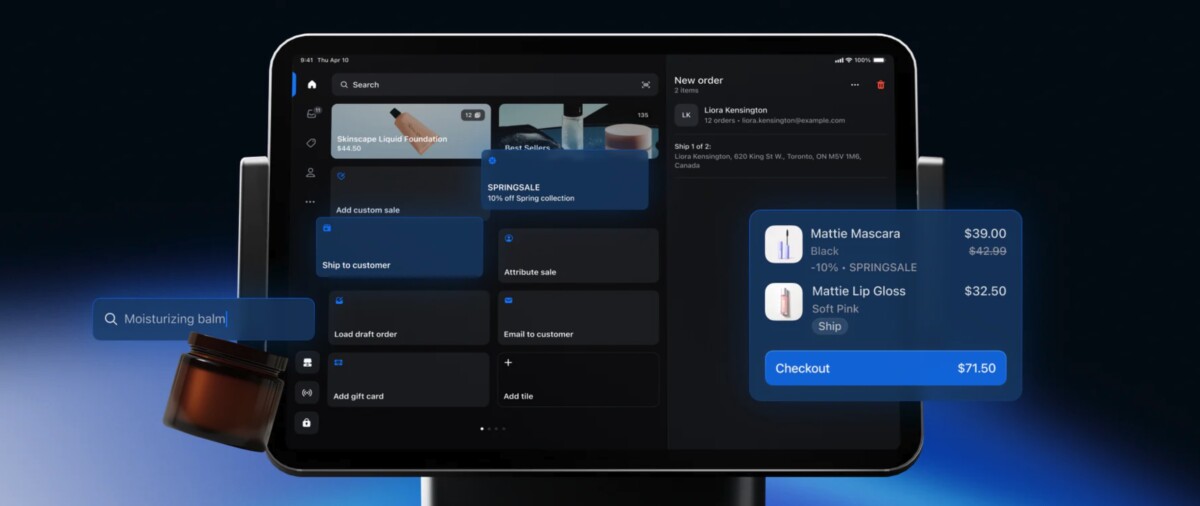
The updates from the Summer ‘25 Edition aren’t just cosmetic. Shopify is aiming for true unification across physical and digital retail, especially for brands balancing in-store, online, and wholesale.
Here’s what stands out:
Why does this matter for omnichannel or big brands?
To see how leading multichannel brands already optimize this kind of complexity, see examples from our top fashion eCommerce sites 2025 feature.
Shopify’s Horizons Edition is packed with these operational advantages, not just window dressing. For the full rundown of what this year’s changes mean for merchants, the official Shopify Summer 25 Edition announcement outlines every new feature with practical examples.
Shopify’s Summer 2025 Edition signals a decisive shift: AI is now an invisible engine running underneath the merchant’s day-to-day, not just a tool you plug in when you “have time.” These updates go beyond simple automation. They’re woven into the buying journey—rewriting how shoppers find products, engage with your team, and nudge through the funnel. Behind the scenes, new analytics dashboards offer a command center of real-time insights. Used together, these upgrades empower ambitious merchants and their teams to reveal and act on the highest-impact opportunities—at a pace and precision previously out of reach.
The rollout of Shopify Catalog and new conversational AI agents raises the bar for smart, real-time customer engagement. Imagine a world where a shopper lands on your site and, instead of hunting through menus or wrestling with search, is greeted by an agent that understands preferences, past behaviors, and even nuance in intent.
Here’s what stands out with this release:
AI chatbots and sales agents, like those highlighted in our AI chatbot for eCommerce revenue breakdown, currently help close the gap between online browsing and real-life conversion. They do more than field basic questions—these tools drive real product discovery and can even predict and counter objections that stall purchases.
Take the insight from eCommerce Fastlane Podcast Ep 374: rapid Shopify integrations and AI-driven engagement aren’t just futuristic—they’re actively boosting conversion rates now, sometimes reducing dependence on paid ads and steering shoppers toward higher-AOV products.
Key merchant takeaways:
For a broad view of the tools available, see our rundown of top eCommerce chatbots for sales.
Data without clarity is just noise. With the Summer 2025 updates, Shopify is reintroducing analytics as a daily tool, not just a monthly report. New real-time dashboards give teams a cockpit view of every important signal—sales trends, campaign effectiveness, inventory alerts, and live customer behaviors—updating automatically in the background.
Some practical wins from this upgrade:
In my own experience from consulting with 7-figure Shopify brands, the teams that build routines around real-time dashboards move faster and make sharper calls—leading to better growth over time.
If you’re looking to deepen your analytics stack, third-party tools like Triple Whale, profiled in our Triple Whale review, offer powerful Shopify integrations and intuitive dashboards. For those eying full business intelligence, solutions we discussed in Business intelligence in eCommerce can layer directly on top of Shopify or headless stacks, giving unprecedented depth and flexibility.
Key action points for merchants:
The net effect? Data-driven culture becomes less of a slogan and more of your store’s nervous system—alive, responsive, and always pushing for better results.
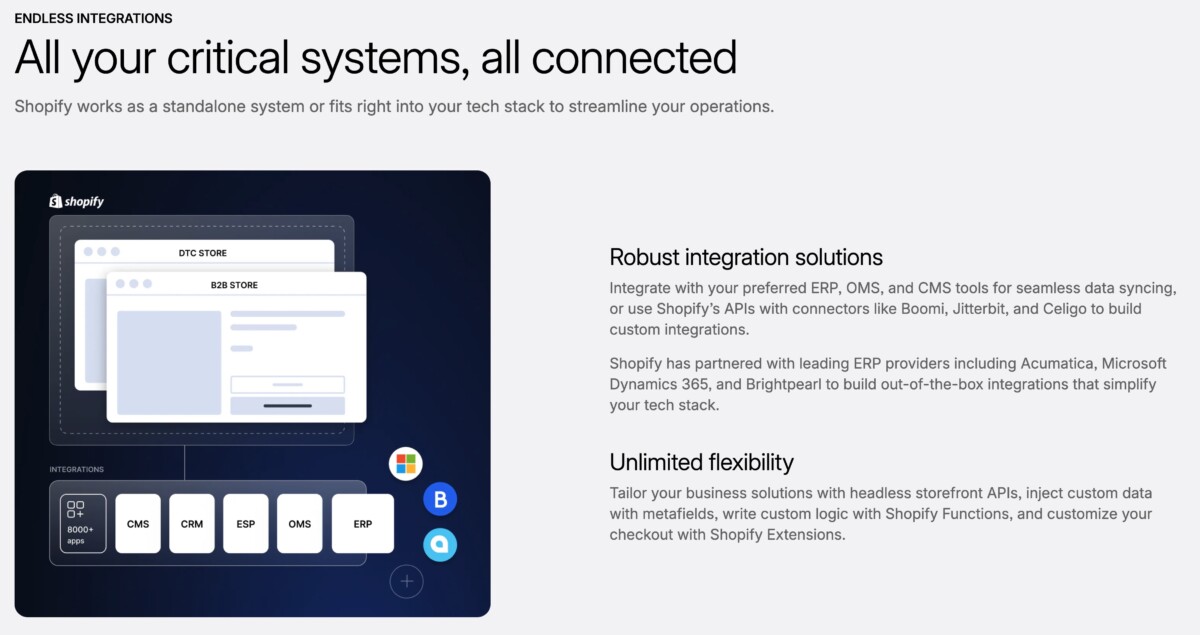
Shopify’s Summer 2025 Edition redefines what’s possible for global commerce and B2B operators. Behind the scenes, Shopify is stitching together tax and compliance automation, frictionless payments, and robust wholesale tools—elements that remove boundaries for brands on the move. For founders, heads of growth, and enterprise teams, scaling across markets or channels used to mean endless spreadsheets, vendors, and complexity. That’s changed. Let’s break down the upgrades driving easier international sales and smarter wholesale operations—each one focused on scale and profits, not just shiny dashboards.
Handling international sales is daunting. Each country brings its own tax rules, duties, and payment quirks. Small mistakes here can sabotage margin or erode trust with your buyers. Shopify’s new features take the headache out of cross-border commerce by automating the core tasks that used to keep operations teams awake at night.
Here’s how the current release makes a difference:
These aren’t just small tweaks. In my own consulting with Shopify Plus brands, the time and cost saved by these automations can mean the difference between stagnant and scalable growth. Teams no longer need to become “mini tax experts” for every market—they can focus on growth and product innovation.
For those researching internationalization strategy, see our International Shopify Expansion Guide for best practices, including ways Markets Pro can lower fraud and improve payout flows.
You can also get the bigger picture of how Shopify is connecting these features into a unified strategy in our piece, Introducing Markets for Business Growth.
Committing to automation doesn’t just scale your business; it gives every team member more bandwidth to actively grow the brand.
The wholesale channel has long been underserved in the DTC-first ecosystem. Shopify’s expanded B2B suite in Summer ‘25 finally puts power back into wholesale operators’ hands, making Shopify just as viable for large, complex B2B relationships as it is for direct online sales.
New B2B suite features include:
From what I’ve seen with our community’s top B2B operators, these tools mean you don’t have to duct-tape your process together or rely on third-party apps that struggle at enterprise scale.
Want a clear-eyed look at where most B2B teams fall short—and how automation can fix it? Get actionable insights in our analysis: Future challenges for B2B sellers.
If you’re comparing platforms or justifying the tech stack upgrade to your CFO, the broader landscape—including competitive tools—gets a detailed review in Best B2B ecommerce platforms.
Key opportunities for scaling wholesale and multi-channel:
Brands ready to scale internationally or expand into wholesale finally have enterprise-grade tools at their fingertips—without leaving Shopify or adding another layer of complexity. This isn’t window dressing. For fast-growing brands and those in hyper-competitive segments, these upgrades will mark the line between next-level growth and operational gridlock.
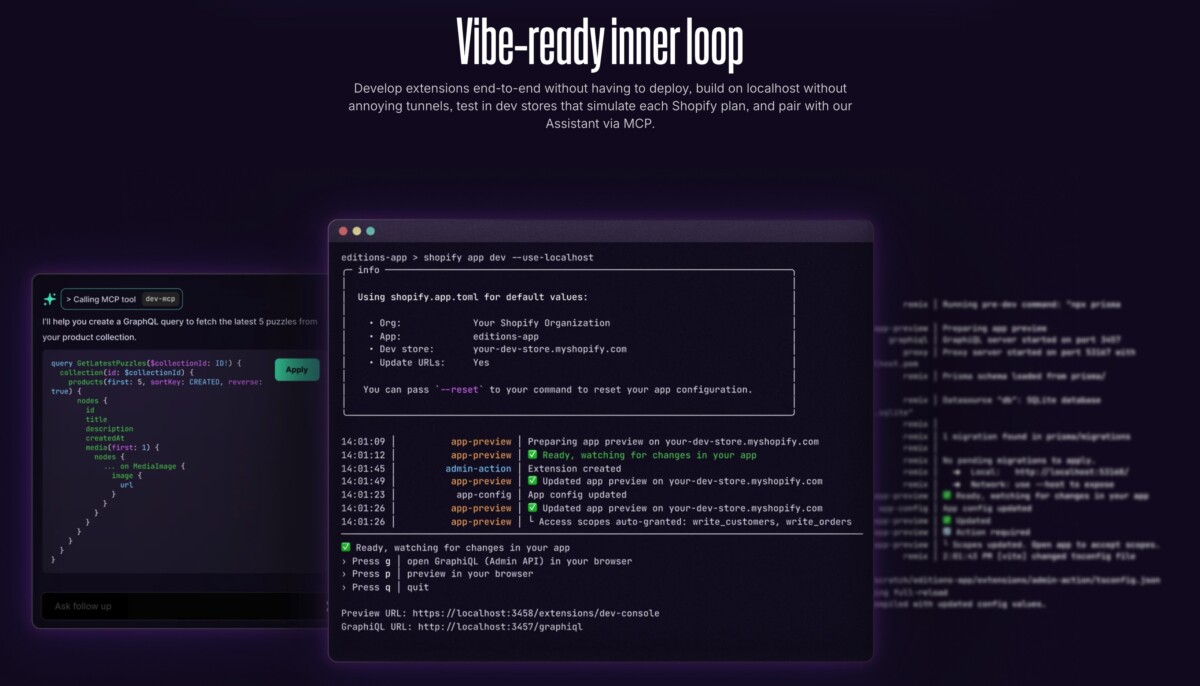
Shopify’s Summer 2025 Edition isn’t just about dazzling features for merchants—it’s a keystone moment for the engineers, tech teams, and solution providers shaping the platform’s next phase. Shopify is making developer experience a priority with upgrades that foster speed, reliability, and shared design language. For agency partners and in-house tech leads, this means shipping higher quality experiences, faster, and staying closely in sync with Shopify’s ever-evolving toolkit.
Shopify has delivered robust local development upgrades that cut friction from daily workflows. Developers can now spin up production-like store environments on their machines—giving teams the freedom to experiment, test, and debug new features privately before pushing live. Gone are the days of nervous “trial and error” changes on a live storefront; every tweak can now be battle-tested locally.
What sets this update apart?
For agencies managing dozens of client stores or in-house teams maintaining complex stacks, these tools eliminate guesswork and wasted cycles. I’ve seen projects that formerly needed days of troubleshooting shrink to a few well-managed hours with modern dev tooling.
Want practical tips for accelerating your Shopify app builds? Check out our Shopify App Bridge tutorial for guidance on embedding and deploying cross-platform apps with strong security and feature parity.
Key developer and merchant wins:
You’ll find the latest on API and design changes in this in-depth Polaris unified—now for the web update, which breaks down how these tools work together and what they unlock.
Every year, I hear from both devs and merchants about the friction that comes with app sprawl. Inconsistent experiences, mismatched UI, and support headaches add up—especially at scale. Shopify’s next-generation Polaris design system addresses these pain points head-on, offering a unified design language and reusable components for every surface, on any device.
What’s different now?
In real-world terms, this foundation empowers stores to offer a seamless brand experience to shoppers and staff—whether it’s a custom admin dashboard or an embedded subscription app. It also gives agencies a leg up as they scale operations and support more clients without ballooning headcount or incurring support drag from inconsistent UI/UX.
Curious about the nuts and bolts of Polaris upgrades? Dive into the Shopify Polaris documentation. If you’re planning a transition, the nuts and bolts of upgrading to Polaris provides tactical insight for front-end teams.
At a glance—why this matters:
The shift to a comprehensive design system and repeatable development tooling isn’t just a technical upgrade—it’s a strategic move that benefits every serious merchant, agency, and tech leader in the Shopify ecosystem.
Shopify’s Summer 2025 “Horizons” Edition sparked immediate debate from founders, agency leads, and senior marketers in DTC . Some called it the most meaningful update for competitive DTC brands since the 2022 push into integrated POS. Others, with more complex stores or wholesale models, are weighing the balance between headline features and lingering wish lists. In this section, you’ll get a window into genuine merchant sentiment and expert reflection—what Energizes operators, what falls short, and where Shopify’s roadmap truly moves the needle.
The flood of early reactions highlighted speed, depth, and new pain points. Inside private Slack groups and live chat threads, sellers raised these immediate themes:
One founder with eight global stores summed it up: “The updates fix 70% of our wishlist. The remaining 30%—international payout quirks and niche app integrations—keep us in cautious mode. Still, it feels like Shopify’s listening.” This soundbite mirrored sentiments from broader discussion threads, like those on Reddit’s Shopify community, where both praise and pointed questions flood in minutes after the drop.
Drawing from years spent responding to both positive and negative feedback, we see that engaging with community reactions in real-time always lifts platform trust—no matter if merchants are cheering or skeptical.
As with every major Shopify announcement, seasoned operators and ecommerce experts quickly pivoted to the bigger picture:
Quoting insights from my interviews and industry Slack groups, what emerges is this: Shopify’s future looks more modular, more global, and even more “self-serve” for brands that want control. Yet, the real win is in listening—not just to community reactions on day one, but over time, adapting the platform to the “unsolved 30%” that advanced brands face with each scaling milestone.
Thinking tactically? If you’re weighing a full migration or planning for next quarter’s campaigns, build a feedback loop with your team: collect pain points, test new features against your “jobs to be done,” and don’t hesitate to push for answers—whether through Shopify channels or forums like EcommerceFastlane. If you’re facing the limits of off-the-shelf solutions or just need inspiration for how other merchants respond to big platform changes, our guide on Scalable Custom Ecommerce Solutions unpacks when to stick, when to switch, and what to optimize next.
How are you prioritizing which features to test first—and where do you still need help? Join the discussion in the comments below or weigh in on social so we can amplify lessons learned for other ambitious operators.
Shopify’s Summer 2025 drop stands out most for its practical power—flexible theme design, meaningful AI integration, and real progress for brands ready to scale beyond borders or channels. For DTC and growth-focused teams, it’s not just feature polish; it’s a realignment toward speed, autonomy, and actionable intelligence at every operational level.
The most effective next step? Review your current tech stack and workflows against the new Horizons capabilities. Set up weekly feedback loops with your team to surface wins and gaps, and test critical features like unified POS or AI-driven insights in one or two low-risk workflows this quarter. For those who want tactical support translating updates into day-to-day improvements, consider building or downloading a step-by-step checklist—we’re developing one now to help you activate the highest ROI features from this release.
eCommerce Fastlane exists to help you move fast and stay connected with your peers, not get lost in the noise. If you’ve tried—or are debating—any of the Summer 2025 updates, share what’s working and what’s not in the comments. Your input sharpens our collective advantage.