

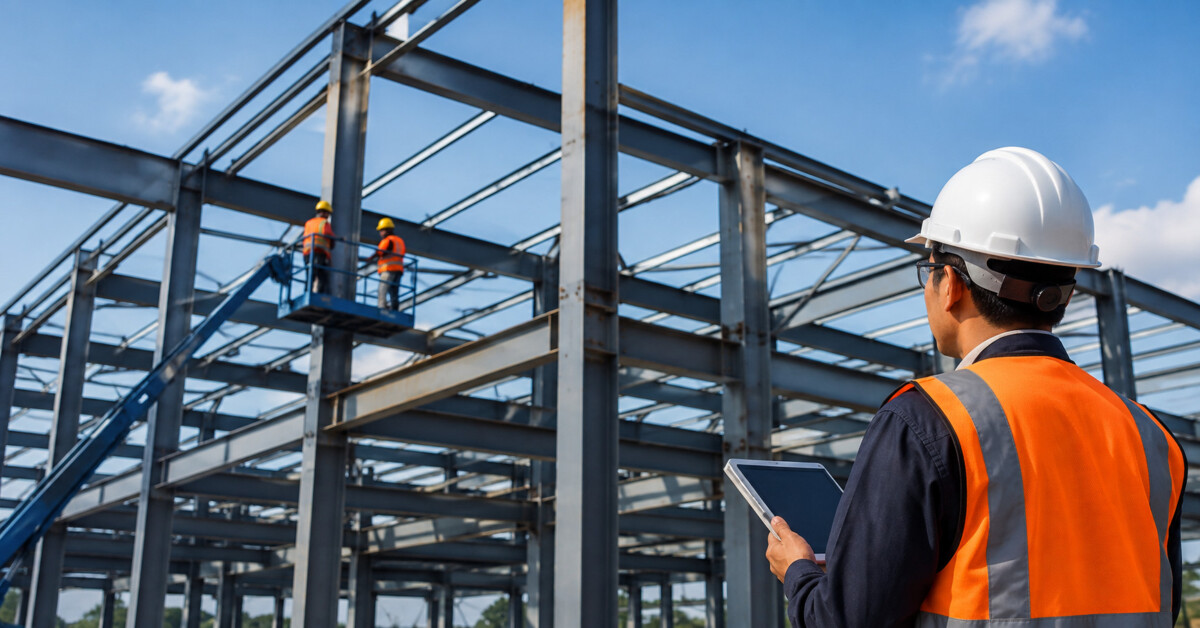
Steel building integrity depends on an engineered load path, verified materials, disciplined erection, corrosion control, and documented inspections. Owners get the best long-term value when qualified professionals follow the approved drawings, connection requirements, and maintenance plan from foundation layout through service life.
Steel is forgiving only when the load path, connections, and weather barrier are treated as one system. Small installation shortcuts can become expensive service problems years later.
Modern construction calls for structural systems that deliver durability, efficiency, and long-term value. Steel frames support these expectations through dependable strength and flexible design options. A structure performs as intended when every phase from planning to final inspection promotes stability and precision.
Contractors focus on consistent strategies that reinforce dependable results. The following guide highlights practical methods specialists trust to secure integrity in steel buildings while offering a smooth transition into the deeper insights explored below.
A high-performing structure begins with thoughtful design decisions. Engineers and builders select frame styles, support layouts, and joint details that match expected loads and usage patterns. This approach reduces stress concentrations and promotes even transfer of weight across the entire system.
Clear drawings and detailed specifications contribute to efficient assembly. Each dimension, connection point, and material choice gives crews a reliable foundation that keeps components aligned from the first anchor bolt to the final panel.
Quality materials play a major role in the stability of any steel system. Contractors prefer components that meet strict performance ratings for hardness, corrosion resistance, and tensile capacity. Reliable suppliers provide certifications that verify consistency across every beam, column, and fastener.
Close inspection on delivery adds another layer of assurance. Crews confirm straightness, finish quality, and fabrication precision before installation begins, which reduces future issues and supports a long service life.
Accurate assembly is central to structural integrity. Contractors use straightforward procedures that ensure each component fits perfectly and performs well.
These actions prevent unwanted movement, distortion, or excessive stress. Crews maintain smooth communication as parts rise into place, helping the structure form correctly without delays or rework.
Steel is durable, but it still benefits from protective strategies that defend against moisture, airborne chemicals, and temperature shifts. Contractors apply coatings that guard surfaces from corrosion and maintain strength throughout the building’s lifespan. Temporary shields often cover sensitive areas during unpredictable weather. Once construction finishes, properly installed trims, closures, and sealants protect joints from water intrusion and preserve interior comfort.
Comprehensive quality checks support long-term dependability. Inspectors examine welds, connections, and load-bearing points to confirm alignment with design plans. Any correction takes place immediately, preventing issues that could grow during later phases. Detailed records of test results and inspections give owners confidence that every standard has been met. These records also help future teams maintain the structure over time.
Ongoing care ensures continued performance. Technicians assess surface coatings, fasteners, and seals at regular intervals. Early detection of minor issues helps extend the structure’s life and preserves interior protection. Some projects incorporate smart devices that track stress or movement within the frame. This information supports informed decisions about upkeep and future improvements. Such tools strengthen reliability for commercial, agricultural, and industrial applications where dependable operation matters daily.
Strong construction practices shape structures that perform well year after year. Careful design, trusted materials, precise assembly, and consistent verification work together to preserve safety and durability. These principles deliver reliable performance across diverse applications and help owners gain lasting value. The practical advantages of steel buildings stand out most when contractors apply these disciplined methods. A structure built with attention to detail remains resilient, efficient, and ready to handle long-term demands.
The most important factor in steel building structural integrity is maintaining the complete engineered load path from the roof and walls through the frame, connections, foundation, and supporting soil. Every major decision, including building use, wind and snow exposure, openings, equipment loads, bracing, and connection details, affects that load path. A strong beam does not solve a weak connection, an altered brace line, or an unapproved roof load. Start with sealed, project-specific documents and keep construction aligned with them. Any field change that affects structural members, connections, bracing, or foundations should be reviewed by the responsible design professional before work proceeds.
You know steel building bolts were installed correctly when the fasteners, connection condition, tightening method, and inspection documentation match the approved drawings and applicable specifications. A visual check alone is not enough for every connection. The required process depends on whether the joint is snug-tightened, pretensioned, or slip-critical and on the fastener system specified for the project. Inspectors should verify correct bolt selection, washer placement where required, connected-part fit, installation sequence, and the specified tensioning or tightening procedure. The project’s special-inspection plan and manufacturer erection documents should govern the final verification process.
A steel building should be visually inspected at least regularly and after severe weather, with the exact frequency adjusted for its climate, exposure, use, and manufacturer recommendations. Inspect roof panels, gutters, drainage paths, flashing, sealants, fasteners, wall panels, doors, trims, coatings, and visible structural elements. Buildings in coastal, industrial, high-humidity, heavy-snow, or high-wind locations usually need more frequent review. Also inspect after vehicle impacts, roof work, equipment installation, or interior changes that interact with the frame or envelope. Keep a dated log with photos and repair notes so small maintenance issues do not become large structural or water-damage problems.
You can modify a steel building only after confirming that the proposed change will not compromise the engineered structure or weather barrier. Adding doors, windows, roof equipment, solar arrays, mezzanines, racking loads, conveyors, partitions, or mechanical penetrations can alter loads, bracing, panel behavior, drainage, and connection demands. The ICC’s metal-building guidance specifically warns against field modifications to rigid-frame members without prior written approval from the registered design professional or manufacturer’s engineer. Before changing structural or enclosure components, provide the proposed scope, drawings, loads, and locations to the responsible engineer for review and retain the written approval in the building records.
Corrosion in steel buildings is primarily caused by prolonged moisture, damaged coatings, trapped debris, poor drainage, incompatible materials, and exposure to salts or industrial chemicals. Prevention starts with an appropriate coating system and continues through correct panel, flashing, closure, sealant, and drainage installation. Owners should keep gutters and downspouts clear, repair scratches or coating damage promptly, investigate leaks quickly, and prevent vegetation or stored materials from holding moisture against steel surfaces. In aggressive environments, use the protection system specified for that exposure and increase inspection frequency. Effective corrosion control protects both visible components and concealed connections that can be expensive to access later.




