


The rise of the creator economy has redefined how brands connect with audiences.
No longer is e-commerce just about selling products—it’s about storytelling, trust, and digital influence. Whether you’re running a direct-to-consumer brand, scaling a Shopify store, or leveraging digital marketing to drive sales, your brand’s visibility depends on more than just ads and SEO.The truth? Personal branding is no longer optional—especially in e-commerce.
It’s a shift that many industry professionals have been discussing, including members of the E-Commerce & Digital Marketing Association (ECDMA), where thought leaders analyze strategies that shape the future of online business. One of their members, Inessa Createssa, recently published a book that dives deep into the intersection of content creation and personal brand building—an area that’s becoming increasingly critical for e-commerce founders, digital marketers, and solopreneurs alike.
Her book, How to Become a Content Creator and Build a Personal Brand, explores why successful e-commerce brands aren’t just products—they’re personalities. And if you’re looking to future-proof your e-commerce business, the insights from this book provide a roadmap that goes far beyond social media trends.
Let’s be honest: most consumers today aren’t just looking for products; they’re looking for connection and authenticity. This is why influencer-driven brands, expert-led product lines, and founder-centric businesses are thriving.
A personal brand—whether it belongs to a store owner, an e-commerce marketer, or a brand ambassador—creates:
When we look at e-commerce giants that have exploded in recent years—whether it’s Gymshark, Glossier, or Dollar Shave Club—one thing stands out: their founders and teams leveraged storytelling, content, and personal branding to amplify their businesses.
This is where Inessa’s insights come in. As an experienced digital strategist and content creator, she breaks down how anyone in e-commerce—whether you’re selling physical products, digital goods, or services—can build a personal brand that enhances business success.
Inessa’s book focuses on practical strategies, not just theory. She emphasizes that most brands fail to grow on social media—not because their products aren’t great, but because they lack a compelling narrative.
Some of the most valuable takeaways from her book include:
People don’t just buy what you sell; they buy why you sell it. A founder’s personal story, values, and mission make a business memorable and relatable.
If your e-commerce store is competing against Amazon and big-box retailers, your only real differentiation is your story, your perspective, and your unique approach to marketing.
Just as brick-and-mortar stores focus on visual merchandising and in-person engagement, digital businesses need to create engaging, value-driven content.
The book provides real-world examples of how e-commerce brands can use content marketing to:
Traditionally, e-commerce marketing was transactional—run an ad, get a sale, repeat. But modern e-commerce requires relationship-building.
One of the book’s key ideas is that consumers follow personalities, not just products. If you can establish yourself as a trusted voice in your niche, customers will buy from you instead of searching for the cheapest alternative.
This is particularly relevant for:
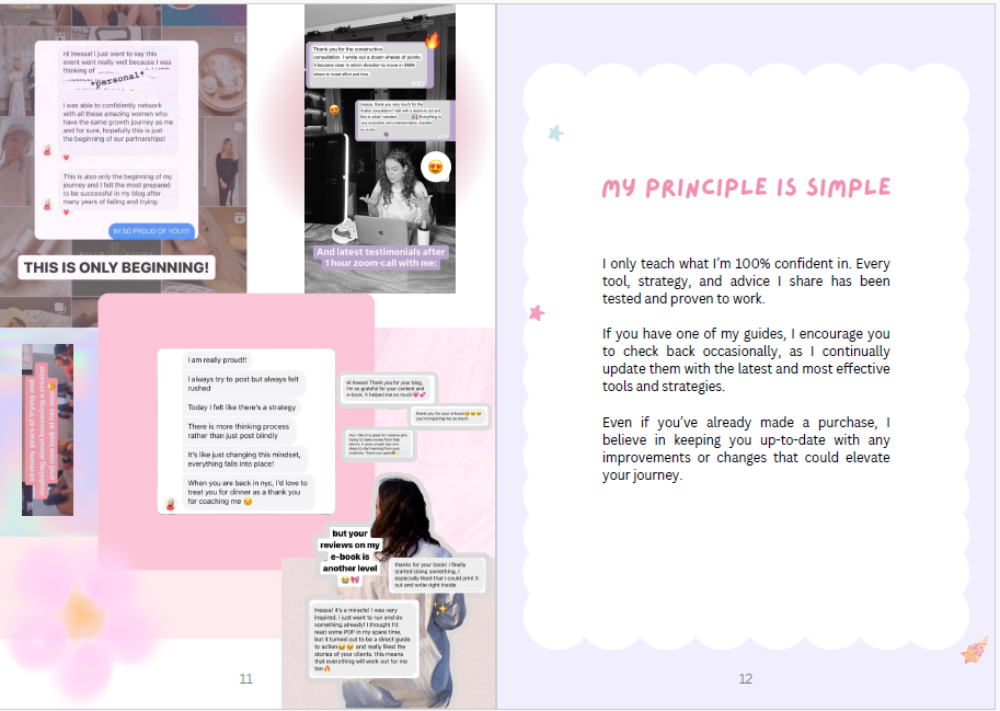
Many in the e-commerce space have seen firsthand how personal branding fuels business growth. Whether it’s through a founder-led TikTok channel, strategic LinkedIn content, or value-driven Instagram Reels, the businesses that succeed today are the ones that embrace the creator economy.
Inessa’s book lays out a practical roadmap for anyone looking to:
For e-commerce entrepreneurs and marketers, understanding the power of personal branding is no longer a luxury—it’s a necessity. And How to Become a Content Creator and Build a Personal Brand is one of the most actionable guides available today for mastering this shift.
If you’re in e-commerce, the future of your brand is not just in your products, but in your ability to tell a compelling story and connect with your audience. Whether through video, written content, or community engagement, personal branding is the missing piece that turns a store into a movement.
So as we are in 2025, ask yourself:
If the answer isn’t clear, then now is the time to make content and personal branding a core part of your e-commerce strategy.




