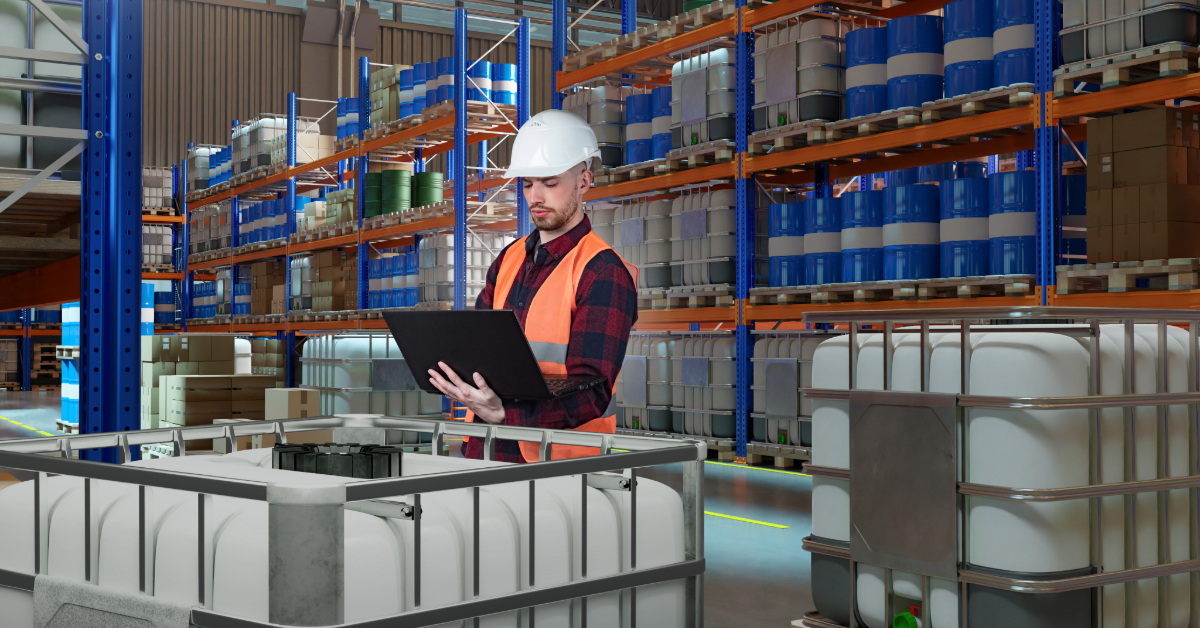
The transportation of hazardous chemicals requires stringent safety measures to prevent spills, leaks, and contamination.
Intermediate Bulk Containers (IBCs) are a crucial component in ensuring that chemicals are transported securely and efficiently. These versatile containers are widely used across industries such as agriculture, chemicals, mining, winemaking, and brewing, where bulk liquid and chemical storage is essential.
IBCs are commonly used in agriculture for storing and transporting fertilisers, pesticides, and liquid feed supplements. Their robust construction ensures that hazardous substances do not leak, protecting both farmworkers and the environment.
The chemical industry relies heavily on IBCs to transport corrosive acids, solvents, and industrial cleaning agents. The ability to securely contain volatile substances while complying with strict safety regulations makes IBCs an industry standard.
Mining operations require large quantities of liquid explosives, lubricants, and chemical reagents. IBCs offer a durable and safe solution for transporting these substances to remote mining sites.
In the beverage industry, IBCs are ideal for fermentation, bulk wine storage, and transport. Their airtight sealing properties help maintain the integrity of liquids, preventing oxidation and contamination during transit.
IBCs are specifically designed to address the challenges associated with bulk chemical storage and transport. Their key advantages include:
IBCs are manufactured from robust materials such as high-density polyethylene (HDPE) and stainless steel, offering high resistance to corrosive substances. This ensures that chemicals remain contained even under extreme conditions, minimising the risk of spills.
The cubic design of IBCs allows for optimal storage capacity while reducing the amount of space required for transportation. Unlike traditional drums and barrels, which can be cumbersome to handle and store, IBCs stack easily and maximise storage efficiency.
To enhance safety, IBCs are often paired with spill containment bunds, which act as a secondary line of defence against leaks. These containment systems help industries comply with environmental regulations and prevent hazardous substances from contaminating the surrounding environment.
Fitted with integrated pallet bases, IBCs are compatible with forklifts and pallet jacks, allowing for easy loading, unloading, and movement. This streamlines logistics processes and reduces the risk of accidental spills due to mishandling.
Chemical transportation is governed by strict safety regulations. IBCs are designed to meet United Nations (UN) certification standards, ensuring compliance with international and domestic transportation laws. By using UN-approved IBCs, businesses can avoid regulatory penalties and ensure safe transport practices.
For industries looking to enhance their chemical storage and transport solutions, tankmanagement.com.au offers a range of high-quality IBC options designed to meet industry standards and safety regulations.
To maximise the benefits of IBCs and uphold safety standards, businesses should adhere to best practices, including:
Selecting the right material: Choose between plastic and stainless steel IBCs based on the chemical’s properties.
Routine inspections: Regularly check for cracks, leaks, and structural weaknesses before transport.
Proper labelling: Clearly mark containers with hazard symbols and safety data information to prevent misuse.
Using spill containment bunds: Implement bunding systems to capture leaks and ensure compliance with environmental regulations.
Training personnel: Ensure that staff handling IBCs are well-versed in chemical safety protocols.
While IBCs are highly secure, additional safeguards such as spill containment bunds provide an extra layer of protection. These bunds help contain spills, preventing harmful chemicals from contaminating soil and water sources. Industries dealing with flammable, toxic, or corrosive substances benefit greatly from bund systems, which assist in meeting regulatory compliance while mitigating environmental risks.
As industries continue to prioritise safety and sustainability, innovations in IBC technology are emerging. Smart IBCs, equipped with real-time monitoring sensors, are being developed to track liquid levels, temperature fluctuations, and potential leaks. Additionally, advancements in recyclable materials are promoting eco-friendly solutions for chemical storage and transport.
IBCs play a vital role in ensuring the safe and efficient transportation of chemicals across various industries. Their durability, spill prevention capabilities, and regulatory compliance make them the preferred choice for businesses handling hazardous substances. By implementing best practices and utilising spill containment bunds, companies can further enhance safety measures and contribute to environmental protection.