


Finding trustworthy wholesalers in the UK is no easy feat. With so many options out there, it’s hard to know where to start or who to trust.
Choosing the right supplier can make or break your business—not just in terms of product quality but how it affects your costs, margins, and overall customer experience. This guide was crafted to simplify that process, offering actionable insights rooted in experience with the UK wholesale market. Whether you’re new to sourcing or aiming to refine your approach, you’ll find practical advice here to help you build reliable partnerships for long-term success. For a deeper dive into wholesale fundamentals, check out this guide on what wholesale is.
When sourcing products for your business, understanding the UK wholesale system isn’t just helpful—it’s critical. Whether you’re dealing with a small Shopify store or expanding a large-scale operation, aligning with the right wholesale supplier will directly impact your bottom line. The UK market offers a variety of wholesaler types and qualities, and knowing what fits your needs can be a game changer.
The wholesale industry in the UK falls into three main categories, each catering to specific business needs. Here’s what you need to know:
Each type offers unique advantages and challenges, so aligning the right wholesaler type to your business model can set the stage for your success.
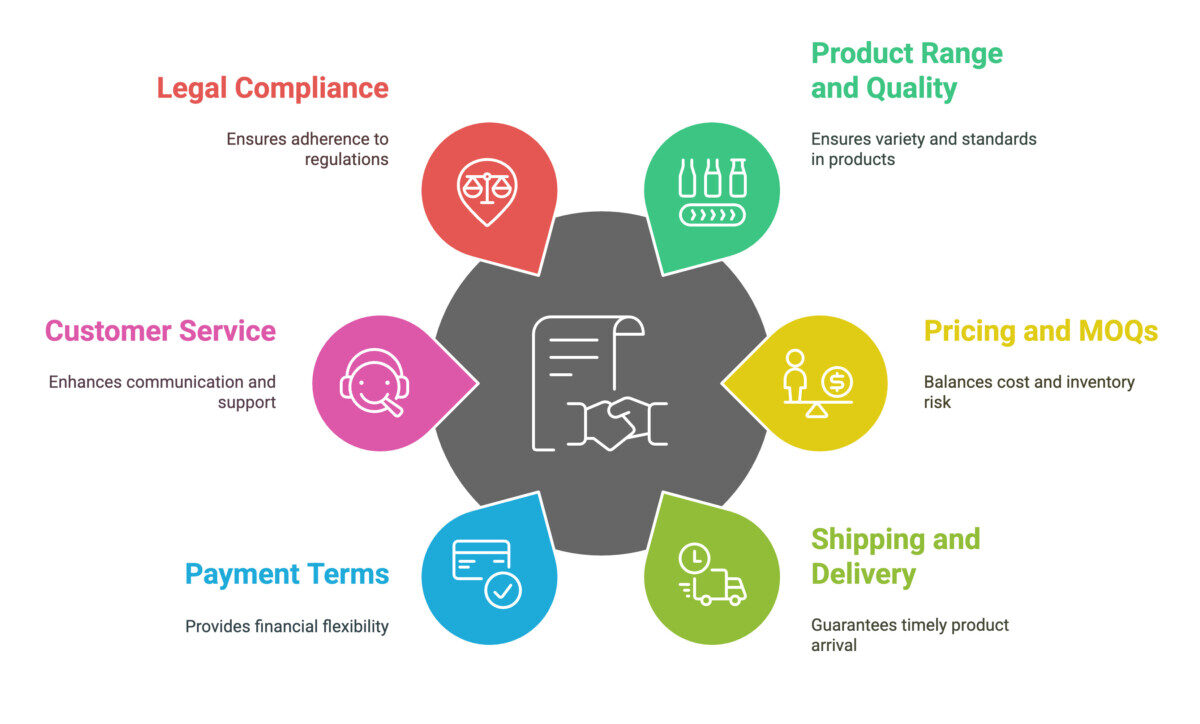
Choosing the right supplier goes beyond just price. Here are the six factors you need to evaluate:
Taking time to evaluate these factors will pay off in the long run. Each decision determines how you position your business for operational and financial efficiency in the competitive e-commerce landscape.
Finding the right wholesaler for your business is a balancing act between research, networking, and strategic partnerships. Each approach provides unique opportunities to ensure trust and long-term success. Below are proven strategies to help you identify and connect with reputable wholesalers in the UK.
Start your search with established online platforms that list wholesale suppliers specific to the UK. Directories serve as a good starting point, listing contact details, product categories, and more. Sites like The Wholesaler UK are tailored for retailers seeking easy access to stock ideas.
To narrow your options effectively:
However, proceed with caution—an impressive online listing is not a guarantee of reliability. Take the time to validate contact details and confirm business information through additional research or direct communication.
For further insights, consider exploring Shopify’s guide on finding wholesale suppliers.
Trade associations often vet their members, offering a layer of trustworthiness. Explore UK-based associations aligned with your industry to find directories of reputable wholesalers. These directories usually feature companies committed to specific standards, which adds credibility to your search.
Additionally, attending trade shows provides an unparalleled advantage:
Not only does this method build relationships, but it also helps you compare and vet several suppliers all in one place, saving time in the long run.
Never underestimate the power of networking. Referrals from colleagues, industry peers, or even local shop owners can lead you to wholesalers who deliver on their promises.
Here’s how to navigate this:
For example, talking to professionals already optimizing their sourcing might save you hours of trial and error.
If your business involves large-scale or specialized products, contacting manufacturers directly can simplify your supply chain. Manufacturers often sell wholesale and may offer better pricing or custom deals for bulk purchases. Here’s why this can work:
This process, however, comes with its own challenges:
Approach this option if your business is ready to manage the added complexities for higher rewards.
For additional guidance on identifying wholesale options—whether through platforms, networking, or associations—you may find this resource on starting in wholesale helpful.
When you’re seeking out the ideal wholesaler in the UK, evaluation is the cornerstone of making the right choice. It pays to dig deeper into potential partnerships to ensure reliability, quality, and long-term viability. Here’s a breakdown of key approaches to assess wholesalers effectively and avoid potential pitfalls.
A wholesaler’s website is often your first introduction to their business, and it can reveal more than you might think. A professional design, clear navigation, and useful information are all indications of legitimacy. But what should you look for?
If anything stands out as inconsistent or unclear, don’t hesitate to verify these details through a quick call or email inquiry. For ideas on how wholesalers differentiate themselves, check out this guide on wholesale business essentials.
How can you guarantee product quality before investing heavily? The simplest way is by securing samples. Samples enable you to:
Though some wholesalers might charge a nominal fee for samples, it’s a worthwhile investment to reduce risks. Imagine this as the “try before you buy” for your business.
Trustworthiness can often be measured by what others say. Dive into reviews or ask for testimonials to get a clearer picture of their reputation. Here’s how to approach it:
For deeper methods on supplier evaluations, this article on supplier evaluation and assessment might add clarity.
Clear, prompt communication is non-negotiable when you’re building relationships with wholesalers. Delays, vague responses, or unresponsiveness point to potential operational hurdles down the line. Here’s what to watch for:
Good communication not only builds trust but also ensures smoother transactions, whether you’re negotiating MOQs or coordinating shipping logistics. A wholesaler that communicates well from the start will likely continue this over the duration of your partnership.
It’s not just about whether products are available now—it’s also about whether the supplier can sustain business over time. Evaluating financial stability doesn’t require a deep financial dive, but there are tell-tale indicators:
Avoid intrusive checks; instead, focus on spotting red flags that could undermine their ability to deliver, such as sudden product shortages or unclear ownership details.
Through these foundational checks, you’ll position yourself to find not only a wholesaler that meets your needs but one that you can rely on long-term. If you’re just stepping into wholesale industries, exploring guides like how wholesale differs from retail can refine your perspective.
Finding a strong wholesaler partner can significantly influence your business success. To make your search easier, here are three UK wholesalers that stand out for their product offerings, reputation, and service quality. These examples aren’t exhaustive, but they represent the diversity and reliability available in the UK wholesale market.
DK Wholesale has established itself as a trusted supplier in the UK, with a strong focus on consumer electronics and accessories. Their key product categories include mobile phone accessories, toys, and beauty products. One of their standout attributes is their wide variety of premium branded and unbranded items at competitive prices, allowing businesses to choose products that align with their branding and target market.
With fast and reliable shipping processes, DK Wholesale ensures timely deliveries, which is especially critical for eCommerce businesses. To explore more details about trusted suppliers in this space, check the insights shared in The 14 Best Wholesale Suppliers in the UK.
Manchester Wholesale primarily focuses on offering bulk buying opportunities across household goods, FMCG (fast-moving consumer goods), and toiletries. Their value lies in their ability to cater to both high-volume retailers and startups with smaller budgets by providing flexible order sizes.
They place a strong emphasis on clear pricing and no hidden fees, which is a huge plus for business owners looking to plan their margins effectively. Additionally, they offer easy online ordering processes, saving time for busy entrepreneurs. If you’re interested in other large-scale suppliers specializing in FMCGs, take a look at the list from Top 10 Wholesale Suppliers in the UK.
When it comes to giftware, accessories, and novelty goods, Puckator has earned recognition for their creative product range. They offer uniquely designed items with themes ranging from seasonal decor to eco-friendly household products. This wholesaler caters especially well to boutique stores and niche retail markets looking for items that stand out.
What makes Puckator exceptional is their commitment to sourcing eco-conscious products. With sustainability becoming increasingly important for customers, this feature can help brands build trust and loyalty. You can explore similar wholesalers via 16 Best Small Business Wholesale Suppliers.
The wholesalers highlighted above are intended to give you an idea of the broad-ranging options in the UK wholesale market. Every business has unique needs, so it’s crucial to conduct thorough research and vet suppliers based on your specific requirements. If you’re seeking a wholesale supplier tailored to your niche, reviewing comprehensive industry lists like this Wholesale Archives article might provide further clarity.
By partnering with the right wholesaler, your business can build the foundations for reliable inventory, improved profits, and long-lasting growth. Always prioritize suppliers who reflect your brand values and offer consistent quality.
Establishing trust and cooperation with your suppliers can make all the difference when it comes to long-term success. This is not just about maintaining operational efficiency—it’s also about creating mutual benefits for both parties that result in shared growth. Below, we dive into the key pillars of building strong relationships to ensure your partnerships thrive.
Good communication is the lifeblood of any successful business relationship, and that holds especially true for wholesalers. Effective communication isn’t just logistical—it’s a trust-building exercise. Why? Because misunderstandings about delivery, product quality, or order timing can derail both your and your supplier’s goals.
Here’s what you need to focus on:
The more clearly and consistently you communicate with wholesalers, the smoother your processes will run—minimizing misunderstandings and costly delays.
Want to be taken seriously as a wholesale buyer? Start with one simple habit: pay your invoices when and how you promised. Nothing erodes trust faster than delayed payments. It puts your supplier in a bind and might prioritize other buyers who respect the payment terms.
Consider the benefits:
Make timely payment processes automated if you tend to get bogged down by juggling operational tasks. Not only does this build goodwill, but it also ensures you never miss out on business-critical inventory.
Just as feedback helps employees grow, it also makes wholesalers better collaborators. Many fail to realize that constructive criticism isn’t a complaint—it’s a roadmap to mutual improvement.
Here’s what constructive feedback might look like:
Building a wholesaler partnership is like maintaining a good friendship—it’s built on open conversations and a willingness to grow together. For advanced insights on constructive collaboration, explore managing wholesale supplier relationships effectively.
Partnerships that stand the test of time come with plenty of rewards. Short-term transactional relationships might get you started, but nothing unlocks wholesale savings advantages quite like loyalty.
Here’s why a long-term focus is crucial:
Wholesaler partnerships are not just about buying supplies—they’re strategic moves to scale your profitability while developing industry stability. If you’d like to dive deeper into this concept, check an inspirational read about deep supplier relationships.
Focused partnerships not only save you costs—they future-proof your entire supply chain in the face of shifting market landscapes.
Navigating the UK wholesale market requires precision, strategy, and a relentless focus on quality suppliers. This guide simplifies the process, helping you pinpoint wholesalers that align with your business needs. Understanding the types of wholesalers—general, specialty, and drop shippers—lays the foundation for sourcing the right products while balancing quality and affordability. The emphasis on evaluating factors like pricing, product range, and shipping reliability ensures you make decisions that enhance profitability and customer satisfaction.
Practical steps such as leveraging online directories, attending trade shows, and networking can uncover reputable suppliers and hidden opportunities. Moreover, fostering strong supplier relationships by maintaining clear communication, meeting payment terms, and offering constructive feedback can set you up for long-term operational success. These strategies empower businesses to secure reliable inventory, establish trust, and scale operations seamlessly.
For eCommerce founders and marketers, the key takeaway is clear: build your sourcing strategy with intentionality. Begin by defining your business model, evaluating potential wholesalers meticulously, and strengthening partnerships over time. Applying these insights in real-world scenarios can help you minimize risks, streamline logistics, and elevate your position in a competitive market.
Now’s the time to act—dive into the wholesale world armed with this roadmap. Explore additional resources, attend industry events, or refine your sourcing tactics to unlock new growth opportunities. The future of your business depends on the quality and reliability of your suppliers—get started with confidence today.
Securing the right wholesale supplier in the UK can transform your business operations, directly impacting your profitability, efficiency, and reputation. By applying the strategies outlined, such as thorough research, leveraging industry connections, and conducting detailed evaluations, you’re better equipped to avoid pitfalls and make informed decisions.
Building long-term, reliable supplier relationships lays the cornerstone for sustained growth. Whether you aim to specialize in niche products or expand your inventory, take the time to assess compatibility and consistency.
Now is the moment to act and explore the wealth of opportunities the UK wholesale market holds. Dive deeper into product sourcing with this comprehensive guide to refine your approach and stay ahead in this competitive landscape.
Wholesalers act as a bridge between manufacturers and retailers, providing products in bulk at lower prices. They make it easier for businesses to stock up on inventory without dealing directly with manufacturers, saving time and simplifying logistics.
Start by understanding your business needs. General wholesalers work well for a broad range of products, while specialty wholesalers are better for niche markets. If you run an e-commerce site, consider drop shippers who handle inventory and shipping for you.
Watch out for wholesalers with vague contact details, lack of a clear return policy, or unreliable customer service. Also, avoid suppliers that fail to provide samples or struggle with consistent product availability.
Compare the wholesaler’s prices with market standards and ensure their payment terms (like credit options or payment cycles) align with your cash flow. Fair pricing and flexible options can make a big difference, especially when starting out.
Yes, working with manufacturers can often provide better pricing and customization options. However, it usually comes with higher minimum order quantities and added complexities, like managing shipping and warehousing yourself.
Many people believe wholesalers always offer the lowest prices, but this isn’t necessarily true. Prices can vary depending on order size, shipping costs, and the supplier’s business model, so it’s important to shop around and compare.
Focus on clear communication, timely payments, and providing consistent feedback. These actions build trust, which can result in benefits like priority stock, discounts, or better service during peak seasons.
Check their online presence, reviews, and testimonials. Attend trade shows to meet wholesalers in person, or reach out to industry peers for referrals and recommendations. Always request samples before making a bulk purchase.
Networking is key—engage with other professionals in your industry through forums, social media, or trade events. Reaching out to niche associations can also help you discover lesser-known yet reputable suppliers.
Begin by listing your business needs, such as specific products, pricing goals, or shipping requirements. Then, use online directories, attend trade shows, or network with peers to research and contact potential wholesalers. Focus on forming a strong partnership with one or two proven suppliers before expanding further.




