Free every Thursday · 60,261 Readers
Fastlane Insider Newsletter: What's working for Shopify in the AI era?
Free every Thursday · 60,261 Readers
Fastlane Insider Newsletter: What's working for Shopify in the AI era?

A virtual character never misses a shoot, but it never earns trust by accident either. The face is the easy part; the consistency, the cadence and the honesty are what make people stay.
Learning how to create an ai influencer gives creators and brands a new way to build a social presence: a virtual character with its own look, personality and content style that can share lifestyle updates, show off products and talk with a community, without a real person in front of the camera for every post.
The tools have made the first image almost effortless. A text prompt and a few minutes can produce a polished character standing in a city street at golden hour. What the tools do not do is make anyone care. Most virtual characters stall for the same reasons human accounts do: no clear audience, a look that drifts from post to post, an irregular schedule, and a feed that turns into ads before anyone trusts the face selling them.
This guide walks through the six steps that separate a character people follow from a folder of attractive renders. It is written for brand marketers and solo creators. If you are just starting, focus on the first three steps and resist monetizing early. If you already run a store with a real audience, the consistency and disclosure sections matter most, because a brand account carries more legal exposure than a hobby account.
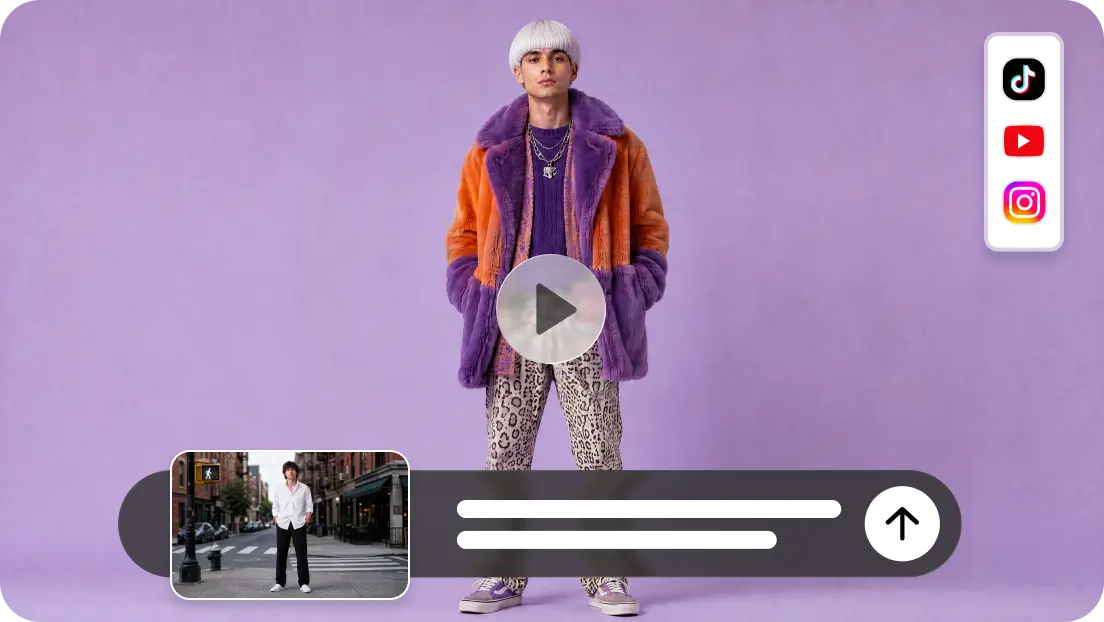
An AI influencer is a digitally created personality that keeps a social media presence and engages an online audience, built with AI image generation, computer generated imagery and sometimes animation tools. Some are designed to look like realistic people; others have an animated or illustrated style.
Unlike a human influencer, a virtual character has no real life experiences. Its appearance, background, interests and way of speaking all come from creative planning. That is both the appeal and the limit. A brand owns the character outright, so there are no talent contracts, scheduling conflicts or off script posts. The same character can show up in a fashion lookbook on Monday and a product demo on Thursday. But because it has never worn the jacket or tasted the coffee, it cannot honestly say “I love this,” and its value depends entirely on the identity and content you give it.
Brands and independent creators use virtual characters to publish content about fashion, beauty, travel, technology, entertainment and other popular subjects. A well developed character holds a recognizable identity across different platforms, which is what turns scattered posts into a presence.
For a Shopify brand, the practical question is whether a virtual face solves a real content problem, such as needing fresh lifestyle imagery every week on a small budget. If it does, Fastlane’s guide to the AI influencer production workflow and platform costs covers the business case in depth. This article focuses on the other half: building the social presence so the character is worth following once it exists.
Start by deciding what the character represents and who it is for, because a character that covers everything becomes recognizable for nothing. A specific niche with an interested audience gives every later decision, from wardrobe to posting time, something to aim at.
Good niches are narrow enough to describe in one sentence. A virtual fashion personality that shares outfit inspiration for petite women in their thirties is a niche. A fitness character that explains short home workouts for busy parents is a niche. A technology personality that introduces one useful digital tool a week to small business owners is a niche. “Lifestyle” on its own is not.
Then describe the people you want to reach as precisely as you can. Write down their interests, the content formats they already consume, the questions they ask in comments on similar accounts, and the problems they would be glad to have solved. Spend an hour reading the comment sections of three or four accounts in the niche; the questions repeat, and they become your first content ideas.
For a brand, the niche should sit where your products and your customers’ interests overlap. A skincare brand’s character might focus on simple routines rather than on the brand’s product line, so the account earns attention on its own and products appear naturally. If the only thing the character ever talks about is your catalog, followers will treat it as an ad account, because it is one.
Having a clear audience in mind makes it far easier to plan relevant posts and build a consistent content strategy. It also gives you a way to measure progress later: the right followers engaging is worth more than a large number of the wrong ones.
Give the character a fixed visual identity and personality, written down in a character bible, because followers recognize a face long before they remember a name. If the character looks different in every post, people struggle to connect one image to the next.
Decide the visual features first: hairstyle and color, facial features, age range, build, clothing preferences, a small set of signature colors, and an overall visual style, whether photorealistic, illustrated or stylized. Then record them in plain sentences. A reference description plus a folder of approved images is the single most useful asset you will build, because every future prompt and every review starts from it.
A practical character bible covers four areas. The look: the fixed physical details and the three or four visual cues that make the character recognizable at thumbnail size. The wardrobe and settings: the kinds of outfits, locations and lighting the character appears in, and the ones it never does. The personality: communication style, sense of humor, interests and favorite topics. The voice rules: words it uses, words it avoids, and how it replies to criticism.
The personality should match the niche. A calm, encouraging tone suits a beginner fitness character; a dry, witty tone might suit a technology reviewer. Whatever you choose, keep it stable. A virtual character should have a clear identity rather than appearing as a collection of unrelated AI generated images.
If more than one person on your team will create content, the bible is what keeps them aligned. Store it with the approved reference images in a shared folder, and treat changes to it as deliberate decisions rather than something that happens one prompt at a time.
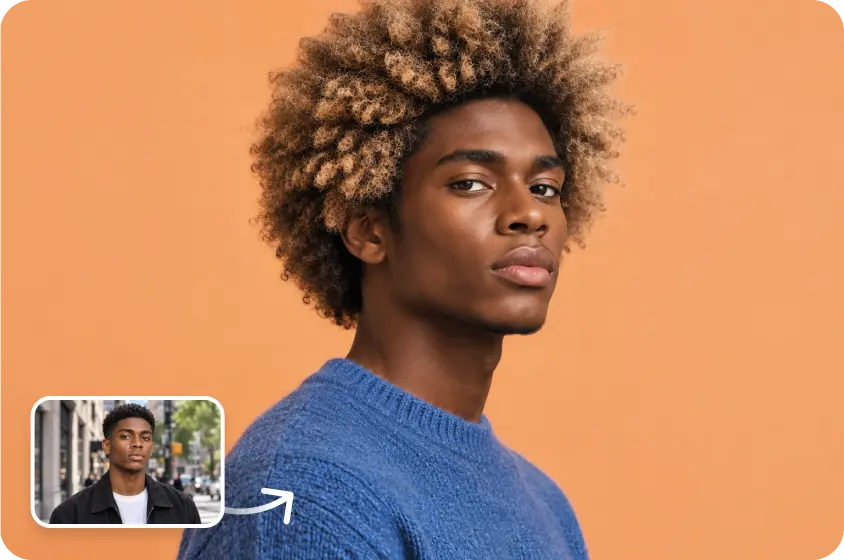
Once the identity is set, use AI image and video tools to turn text descriptions into content, then review every output against the character bible before it posts. These platforms let you produce creative material without advanced photography or design skills, but they also make it easy to publish a render that quietly breaks the character.
Detailed prompts give you more control. Instead of “fashion influencer in a city,” describe the character from the bible standing on a modern city street, wearing a tailored camel coat, in warm golden hour light, framed from the waist up. The more the prompt specifies composition, environment and aesthetic, the closer the result lands to what you intended.
Video adds movement for short promotional clips and storytelling. Use Dreamina to explore image generation and experiment with different visual styles for your digital personality. As of November 2026, Dreamina’s AI influencer tool page describes an Influencer Studio where you can save a character as a reusable Element in Canvas to keep its facial features while changing outfits, backgrounds and other details, edit scenes over several rounds to swap outfits, products or locations, and generate video with Seedance 2.5 that follows the motion and pacing of a reference clip. For prompt structure on the video side, Fastlane’s walkthrough of writing text to video prompts in Dreamina covers which details shape a scene most.
Whatever tool you use, review every image and clip carefully before it goes out. Check facial features, clothing details, proportions, hands, lighting and backgrounds, and compare them with the approved reference images. A single render where the jawline shifts or the eye color changes is enough for attentive followers to notice. Reject anything off model and regenerate; the time saved by posting it is never worth the consistency it costs.
An attractive character is only part of the process; building an audience takes regular publishing on the platforms your audience already uses. Pick the channels first, then a schedule you can actually keep.
Each platform rewards something different. Instagram suits visual storytelling and lifestyle content. TikTok helps creators reach new audiences through short form video. YouTube fits longer videos, tutorials and more detailed storytelling. Most new characters do better starting on one or two platforms done well than on four done badly.
Set a realistic posting schedule, one you could hold for six months, not one that looks impressive for two weeks. Consistency matters more than volume, because followers return to accounts they can rely on. Then balance the formats inside that schedule. A healthy content calendar for a virtual character mixes lifestyle images and everyday updates that make the character feel present, short videos that show it moving and speaking, educational posts tied to the niche, interactive questions and polls that invite replies, and product showcases or promotional content. Keep promotion as the smallest share of that mix, especially early on.
Plan in batches. Because the character does not need to travel or change for a shoot, you can produce a week or two of approved content in one session, then spend the rest of the week on the part that cannot be batched: talking with people. If you are just starting, one batch per week is plenty. If you are scaling across several platforms, give each platform its own calendar, because a TikTok clip and an Instagram carousel rarely work as copies of each other.
A consistent approach gives followers more reasons to come back and engage with the content.
Social growth comes from interaction as much as from publishing, and trust comes from being honest that the character is AI generated. Reply to comments, ask questions, and build content around what followers say they care about; that is how an audience becomes a community.
Make transparency part of the strategy from the first post. State in the bio and, where it applies, in captions that the character is digitally created rather than presenting it as a real human being. That sets realistic expectations, and it is increasingly a platform and legal requirement rather than a courtesy.
The rules are worth knowing by name. The FTC’s updated Endorsement Guides and their FAQ treat virtual influencers as endorsers, so a paid relationship between a character and a brand has to be disclosed clearly and conspicuously, just as it would be for a human creator. TikTok’s AI generated content policy requires a label on content that realistically depicts people or scenes. YouTube asks creators to disclose realistic altered or synthetic content when they upload, and Meta applies an “AI info” label and expects people to disclose photorealistic AI video and realistic audio, as its approach to labeling AI generated content explains. In Europe, the transparency obligations in Article 50 of the EU AI Act have applied since 2 August 2026. This is general information, not legal advice; brands running paid campaigns should have someone qualified review their disclosures.
An ai influencer becomes more engaging when its content follows a recognizable personality and gives followers something of value. Instead of leaning on promotional posts, share entertaining, educational and informative material that invites people to take part.
Monetize once the character has an engaged audience, not before, because brands and buyers pay for attention and credibility that a new account does not yet have. When the community is there, several revenue paths open up.
Brands may be interested in sponsored content, product showcases, digital advertising and creative collaborations. Each of those is an endorsement in the FTC’s eyes, so the paid relationship gets disclosed every time. Write sponsored copy as the character’s description or opinion rather than as a personal experience it never had: “this is the jacket I’d style for a rainy commute” is honest for a virtual character in a way that “this jacket kept me dry all winter” is not.
Affiliate marketing is another option. A virtual character can introduce relevant products and send interested followers to buy through disclosed affiliate links. You can also work with businesses that want distinctive digital campaigns built around a character their audience already recognizes.
Successful monetization depends on audience relevance, engagement quality and the credibility of the content. Before pitching sponsors, look at whether the right people are commenting, saving and sharing, not just whether the follower count is rising. When a campaign does run, measure it the way you would any creator partnership; Fastlane’s playbook for measuring influencer marketing ROI explains how to use UTM links, discount codes and post purchase surveys together.
Building a community comes before focusing heavily on sales. A character that sells before it connects tends to train its audience to scroll past it.
The most common mistake is investing in appearance while neglecting storytelling and the audience’s interests. Attractive images can win initial attention, but followers need consistent, interesting content to stay engaged, and a beautiful character with nothing to say plateaus quickly.
The second is changing the character’s appearance or personality too often. Every new hairstyle, art style or tone of voice resets some of the recognition you have built. Change the bible deliberately and rarely, and announce larger changes to followers as part of the story.
The third is publishing repetitive promotional material or making misleading claims about products. Clearly disclose sponsored partnerships, and keep the character’s claims to what it can honestly say. Results, testimonials and before and after comparisons belong to real customers.
The fourth is skipping the rights check. Review the usage rights of AI generated images and any reference materials before using them commercially, including whether your plan on your chosen tool permits business use and whether reference photos belong to you. Fastlane’s guide to choosing an AI image generator for a Shopify store explains why commercial permission and copyright ownership are separate questions. Avoid basing a character on a real, identifiable person without their consent.
A digital character becomes a social presence through a clear identity, valuable content, audience trust and a consistent publishing rhythm, not through technology alone. Creating a virtual social media personality combines creativity, artificial intelligence and digital marketing, and the technology is now the easiest part of that mix.
By choosing a clear niche, developing a recognizable appearance, producing consistent content and engaging with followers, creators can establish a strong online presence. The ai influencer concept gives independent creators, businesses and marketers room to experiment with new forms of digital storytelling, and it rewards the same discipline that has always built an audience.
If you are starting this week, write the character bible before you generate a single image, pick one platform, and plan two weeks of content you could repeat for six months. Monetization can wait until the comments tell you the character has earned it.
Create an AI influencer by defining a niche and audience first, then designing a fixed look and personality before you generate content. Write a character bible that records the physical details, wardrobe, settings, personality and voice rules, and save a folder of approved reference images. Use an AI image and video tool to produce content from detailed prompts, and check every render against the bible for consistent facial features, clothing and lighting. Post on one or two platforms on a schedule you can hold for months, reply to comments, and disclose in the bio that the character is AI generated. Start monetizing only once an engaged audience exists.
Yes, in most cases you should disclose it, and platforms increasingly require it. TikTok requires a label on AI generated content that realistically depicts people or scenes, YouTube asks creators to disclose realistic altered or synthetic content, and Meta applies an “AI info” label and expects disclosure of photorealistic AI video. In the EU, Article 50 transparency obligations under the AI Act have applied since 2 August 2026. Separately, the FTC’s Endorsement Guides treat virtual influencers as endorsers, so any paid brand relationship must be disclosed clearly. The simplest approach is a clear statement in the bio plus labels on realistic posts. This is general information, not legal advice.
Keep the face consistent by working from a fixed reference rather than describing the character from scratch each time. Write down the exact physical details in a character bible, keep a set of approved reference images, and use a tool feature that saves the character for reuse, such as saving it as an Element in Dreamina’s Canvas. Change only one or two elements per prompt, such as the outfit or the location, and keep the description of the face identical. Review every output for shifts in facial structure, eye color, hair and proportions, and regenerate anything that drifts rather than posting it.
An AI influencer should post as often as your team can sustain with careful review, on a schedule you could keep for at least six months. Consistency matters more than volume, because followers return to accounts that show up reliably. Because a virtual character needs no shoot, you can batch a week or two of approved content in one session, then use the rest of the week to reply to comments and plan. Start on one or two platforms, mix lifestyle, educational, interactive and promotional posts, and add frequency or platforms only when quality and engagement hold.
Yes, an AI influencer can make money through sponsored content, product showcases, digital advertising, collaborations and disclosed affiliate links, but only after it has an engaged audience. Brands pay for relevance and credibility, so a character with followers who comment, save and share is worth more than one with a large but passive following. Every paid post needs a clear disclosure, and sponsored copy should describe products rather than claim personal experiences the character never had. Measure each campaign with UTM links, discount codes and post purchase surveys so you know what actually drives sales.