


Finding blogging courses that genuinely deliver results is harder than it should be.
The space is crowded with empty promises, overpriced fluff, and outdated tactics that won’t move the needle for an ambitious brand—especially in 2026, where online blogging courses must adapt to AI-driven content, SEO shifts, and new monetization models changing the rules almost monthly. For beginner bloggers, mastering essential foundations like WordPress is also critical before scaling up.
That’s why a curated list matters—a clear shortlist based on real track records, quantifiable outcomes, and firsthand lessons. You get the upside: saving time, avoiding costly missteps, and landing on a course that’s actually actionable. In this post, you’ll find a cheat sheet for evaluating the best blogging courses out there, so you can sidestep hype and select programs aligned with your blogging goals—whether that’s growing revenue, expanding your audience, or building brand value. Think of it as your filter for what’s working now—plus a proof-driven checklist for applying the right lessons, faster.
Ready to pick smarter? Let’s get specific on what to look for, what to ignore, and how to make your investment pay off within weeks, not months.
If you’re just starting or want a breakdown of profitable blogging models, see the step-by-step guide to blogging for income.

Sorting through the noise is tough. Everyone claims their blogging course is the “one,” but results are what matter. Some founders and beginner bloggers need a no-cost foundation to get moving, while others are ready to invest in proven online courses for a measurable boost. Here’s how I break down what’s actually working on the blogging courses front in 2026, with a direct look at free and paid options, plus the best niche-specialized trainings to help you make money blogging and scale real blog revenue.
No budget? No problem. Both Coursera and Udemy have leveled up their free blogging course offerings, making them an obvious starting point for beginner bloggers who want structure without signing up for a long-term program.
What do you get with these free blogging course programs?
These entry-level options work because they prioritize practical checklists and deliver clear wins that keep you moving. You won’t get deep strategy here—but if you want to avoid analysis paralysis and launch quickly, these free blogging course options fit the bill.
Looking for more hands-on guidance as you start your money-making blog? Don’t miss the guide to starting an ecommerce blog, including real-world examples from fellow Shopify founders.
When your time is valuable—or every spike in traffic affects your bottom line—premium blogging courses step in. Not all are created equal.
Skillshare’s Blogging Masterclass consistently ranks high for one reason: it’s led by someone who’s grown a blog to hundreds of thousands of monthly readers. You get tools for SEO, email list building, monetization, and growth—plus shortcuts that speed up the learning curve. I’ve spoken with leaders who saw measurable lifts (think: thousands more organic visitors a month) after applying these lessons.
Then there’s Sophia Lee’s Perfecting Blogging series. Sophia went from a side hustle to multi-six-figure revenue using a system she now teaches. Her methods focus on:
Real case study:
A blogger featured in Sophia’s course review credited the step-by-step approach for hitting $3,530 in blog revenue in just their first year—using only organic Pinterest and beginner SEO traffic. You can read an in-depth breakdown of student stories and scaling insights in Perfecting Blogging Course Review – $3530 FIRST YEAR.
ROI isn’t just a marketing term here. If you’re ready to stop guessing and see your numbers climb, paid blogging courses save months of spinning your wheels. For additional options that drive measurable growth, check out this authoritative list of the best blogging courses.
Not every growth challenge can be solved with a one-size-fits-all course. Sometimes you hit a plateau that demands targeted help. Niche blogging courses are essential:
A niche course is the right call when:
For founders choosing between broad and specialized blogging courses, map your immediate pain point. If you need to launch and shape an overall strategy, an all-in-one course is smart. If you know your missing link, laser-targeted expertise offers the fastest returns.
Ready for a deeper resource pool? For more details, the comprehensive guide to starting a blog is worth bookmarking for step-by-step tactics, while the best free blogging platforms for beginners help compare your setup options.
The upside? It’s easier than ever to mix and match exactly what you need—from zero-cost Kickstarter classes to proven, ROI-driven programs and tight, tactical workshops.

Sorting through the vast array of blogging courses is more art than science. The right blogging course can save you time, build momentum, and help you hit your revenue targets faster. Here’s how I recommend founders and growth leaders approach the selection process—so you invest in what genuinely compounds your content marketing skill set.
Before diving into any course, take a step back and honestly assess where you stand. What are your current strengths? Are you confident with writing but need a better grasp of SEO? Do you get consistent traffic but struggle to monetize your blog? Consider these key questions to clarify your goals:
Let your honest answers guide your learning priorities. For teams, creating a quick self-assessment quiz with rating scales for writing, SEO, audience building, and monetization skills can add clarity (even a simple Google Sheet works).
If you’re a beginner blogger looking for foundational steps, start with free resources like the step-by-step guide on how to start a blog. For those ready to scale, seek blogging courses designed to help you grow your blog into a profitable blogging business.
Not every course creator has hands-on results to back their promises. As with any investment, demand proof, not just marketing speak. Use this checklist when vetting instructors:
Many founders waste money on fluff. When unsure, check out instructor reviews on sites like Udemy or consult discussions in trusted communities such as Reddit’s Blogging community for candid feedback.
For a reliable shortlist, review trusted roundups like the best blogging courses recommended by practitioners—these often document students going from zero to building real audiences and cash flow.
Here’s the dirty secret of most online courses: you’ll forget 80% of what you learn without accountability and live guidance. The most effective programs today are more than just modules—they’re vibrant ecosystems.
When choosing a course community, seek out:
Access to a peer group and mentorship can literally cut your learning curve in half. The best course communities feel like elite masterminds full of tactical exchange, not just status updates.
If you’re serious about treating your blog like a blogging business channel, such support is essential—not just a bonus. Countless profit-focused founders credit masterminds and private forums for closing knowledge gaps and driving six-figure outcomes, especially when trying to monetize your blog.
In the end, treat selecting blogging courses as a hiring process—be ruthless with your checklist, demand proof, and never underestimate the ROI of joining the right circle at the right time. And if you’ve found a blogging course or community that has truly moved the needle for your brand, I want to hear about it.
When you’re beyond the basics and ready for blogging courses that truly impact KPIs—not just deliver knowledge—this is where results begin to outshine hype. Each of these standout programs features creators with proven brands, clear frameworks, and up-to-date curriculum, unlike competitors recycling outdated slides. Here’s what I’ve found works best when evaluating true leaders in blogging education—with specific examples, measurable outcomes, and actionable playbooks.
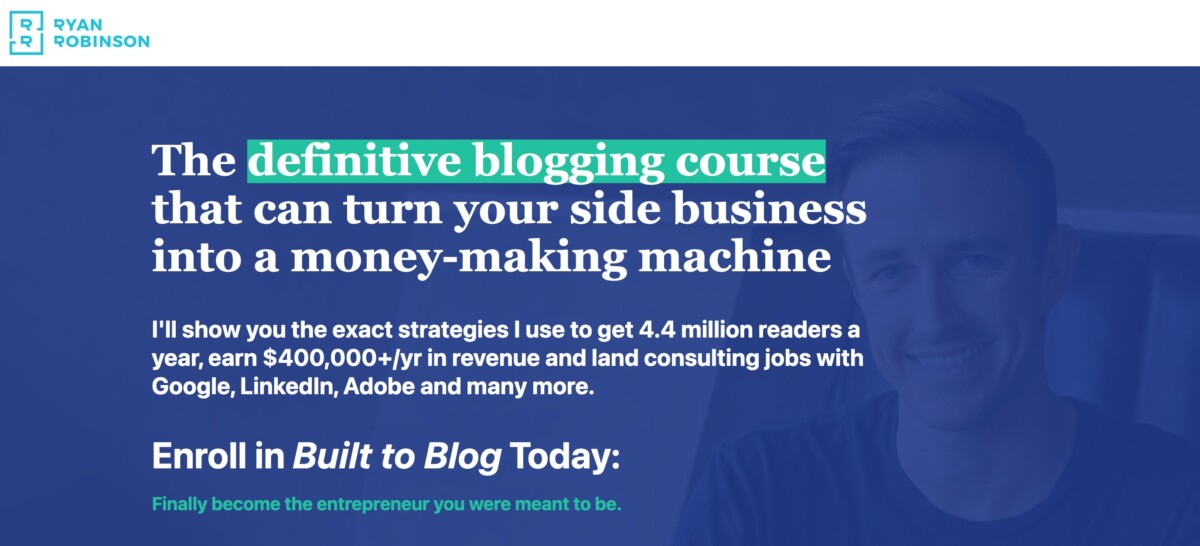
Ryan Robinson’s Built to Blog is my go-to recommendation for ambitious founders seeking a detailed blueprint—not just another generic blogging checklist. Ryan built several high-traffic blogs and is passionate about transparency: sharing real metrics, screenshots, and the exact levers behind his 500,000+ monthly visits and steady five-figure monthly income.
Key highlights:
Trade-off? The course demands time and commitment, but I’ve seen peers reach 10,000 monthly readers and profitability within six months by following his system.
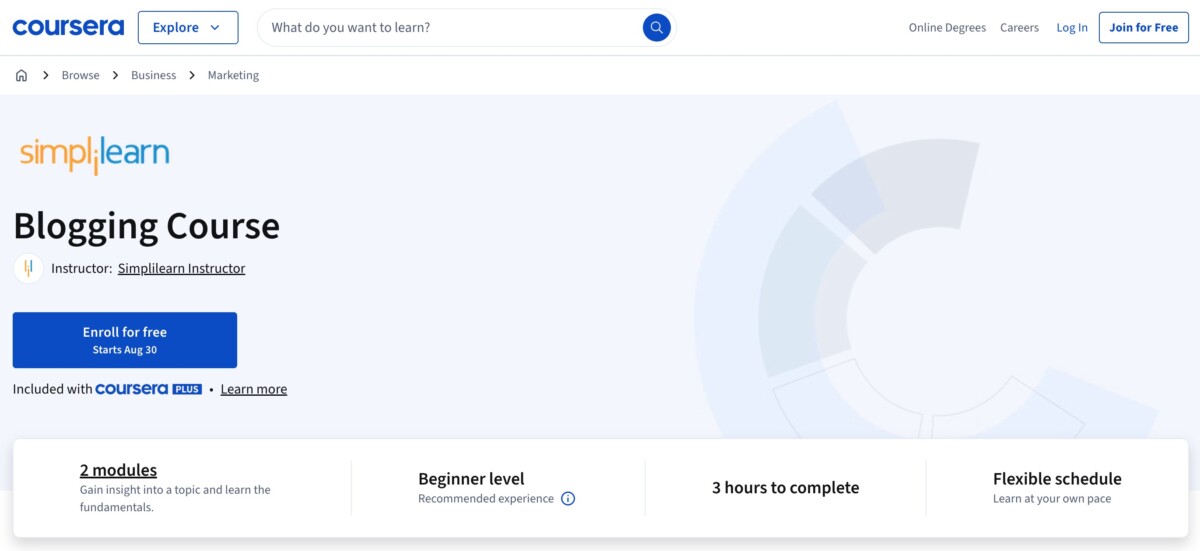
Coursera’s “Blogging Basics” series is a modular, self-paced program designed for learners who prefer building skills step-by-step. You can audit core lessons for free—ideal for DTC marketers on a budget—or opt to pay for a certificate to add official credentials to client proposals or job profiles.
Why it stands out:
As one of the popular online blogging courses, it’s efficient for skill-building without overwhelm. To compare certification against broader programs, explore the best online courses to grow your ecommerce for tactical and strategic insights.
Brad Merrill’s blogging masterclass on Skillshare is the closest to a truly all-in-one playbook that skips fluff. Brad is a hands-on expert who’s launched and scaled multiple high-traffic blogs. Each video lesson reveals practical steps—from niche selection to smart branding, fast content creation, and technical stack setup.
What makes this course unique:
For founders switching careers or moving content in-house—particularly Shopify entrepreneurs—these plug-and-play lessons save weeks on launch timelines. Curious about the value of all-in-one courses? Compare this approach with other top ecommerce courses to see how broad coverage stacks up.
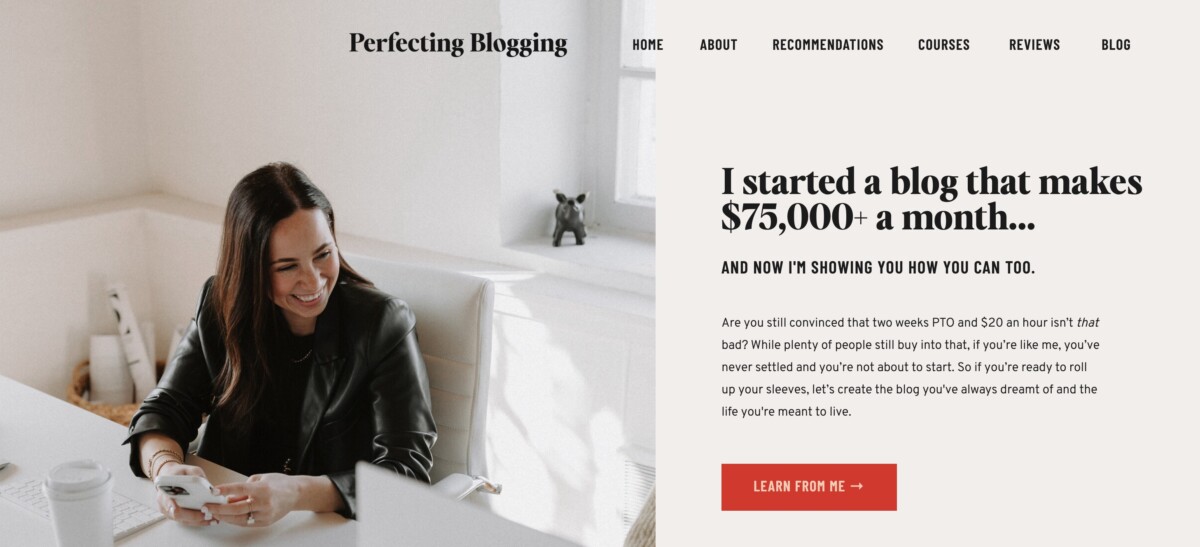
Sophia Lee and her Perfecting Blogging Suite isn’t just another course creator—she transformed from student to running a 7-figure blogging business. Her suite includes three core tracks: Blogging, Pinterest, and Email Marketing, each designed to eliminate key growth blocks—whether with SEO struggles, scaling social media marketing, or building proven lead and sales funnels.
Why this suite delivers:
If you want to see real revenue increases from blogging business founders, Sophia’s student success stories align closely with advice in how to monetize your online presence, where actionable tactics turn theory into cashflow.
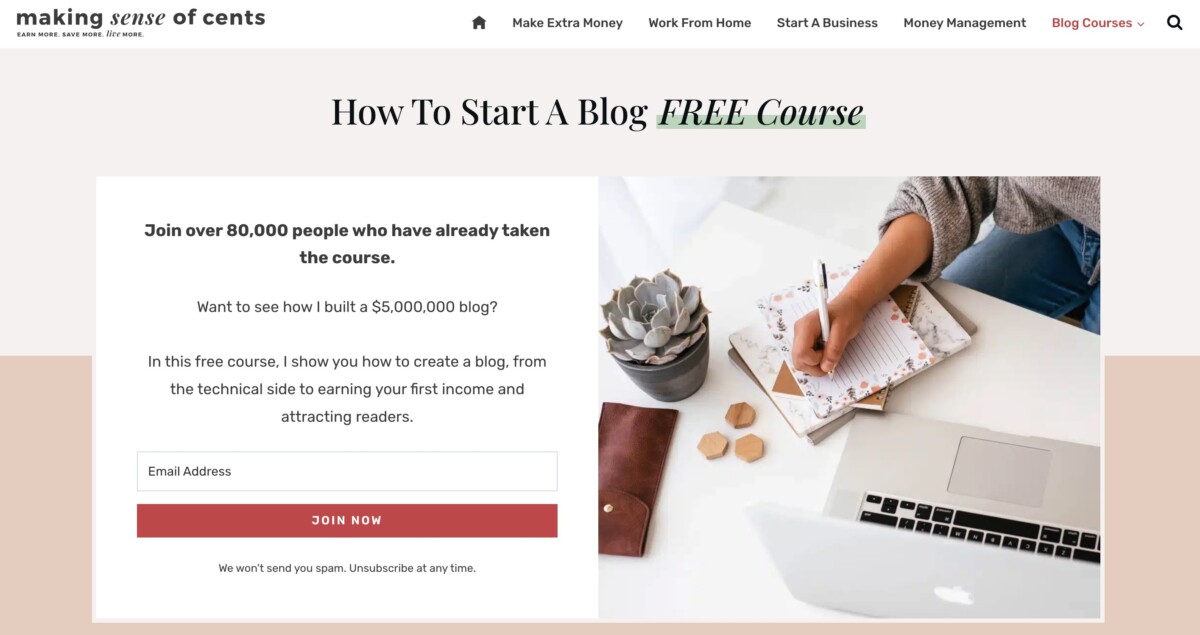
Start with Michelle’s free 7‑day blogging course to launch the right way, from niche selection and setup to content plans and traffic basics; it’s a fast primer that helps you avoid common mistakes before you spend a dollar. Once your foundation is live, layer in her advanced monetization systems to turn readers into revenue with clear steps.
What to do next:
Results to aim for: a 90‑day plan with four SEO posts per month, one affiliate refresh per week, and three sponsor pitches monthly, tied to targets for clicks, signups, and revenue. For more monetization ideas you can adapt by niche, pair Michelle’s lessons with our guide on how to monetize a food blog (even if you’re starting from scratch) to see practical content-to-cash flows in action.
After completing core blogging courses, every founder and beginner blogger asks the same question: “What’s next if I want real results, not just more knowledge?” That’s when high-impact resources and curated tools make a difference. These aren’t just optional extras—they act as accelerators. The right checklist or strategy guide fills gaps, offers smarter decision frameworks, and can be the key to turning a stagnant blog into a money-making blog. Below, you’ll discover three powerful tools to enhance your blogging skills, choose your next profitable move, and position yourself for serious monetization once you have the basics locked down.
If you’re still mapping your blog launch, don’t overlook the fundamentals that many beginner bloggers miss. The fastest-growing DTC founders I know rely on precise checklists through every stage—especially during a blog’s critical first 60 days.
I recommend the Start blogging and make money in 11 steps guide when teams need to move quickly while minimizing mistakes. This isn’t just a “getting started” resource; it walks you through launch essentials step by step: selecting your blog tech stack, setting up must-have analytics, mapping your first email flows, and launching with a clear revenue focus.
Here’s how this guide creates leverage:
Don’t waste time piecing together conflicting advice. If you want a single resource to de-risk your blog launch, bookmark this, print it for your onboarding docs, and refer to it before choosing your next course.
A well-built blog without a smart monetization strategy is just a time sink, not a business. The most strategic founders I’ve worked with consider profit from minute one—right after nailing down their technical stack and content cadence.
After completing your initial course and gaining confidence in content creation, map your monetization future with the High-paying affiliate niches resource. This article identifies blog niches where affiliate payouts are not just small bonuses—they’re substantial enough to significantly boost your revenue.
Why this matters:
Treat this resource as your shortlist engine. Test your current content marketing plans and blog post ideas against these high-paying niches, using the insights to inform course choices, content topics, and future partnerships.
Graduated from your beginner bloggers’ course and ready to pursue bigger revenue wins? This is where many stall, but ambitious founders double down.
For those aiming for payouts above $50, the High-ticket affiliate marketing guide reveals the key levers for monetizing high-value products and software. You’ll learn why high-ticket affiliate marketing isn’t just about higher numbers—it requires a different content approach, smarter lead nurturing, and strategic partner targeting.
Key takeaways from this resource:
If your goal is a profitable, sustainable money-making blog—one that delivers real ROI for every hour invested—high-ticket affiliate marketing strategies are essential. Use this guide as your blueprint for next-level monetization.
Ready to put these tools to work? Brands have accelerated their learning curve by months with just one or two of these resources integrated into their workflow. Use them to drive clarity, avoid rookie mistakes, and unlock higher revenue potential while boosting traffic driving and content marketing effectiveness as you move forward.
The pattern is clear: bloggers who move fastest, scale largest, and monetize most effectively are those who get intentional about their learning. When you apply the four-step framework—assess your skill set, evaluate instructors, select blogging courses that fit your goals, and actually apply what you learn—you cut years off your trial-and-error cycle.
Every course or training you choose is an investment, not just an expense. The returns show up as rising traffic, sharper SEO, and systems you can hand off as you grow. Download the course-selection checklist and use it to keep yourself honest about outcomes, not just shiny modules. I want to hear which course you’re testing first—drop a comment with your pick or share what blogging goals you’re hoping to accomplish next.
For those ready to build even more authority, turn your new skills into assets and explore the step-by-step guide to creating an online course that sells. Thanks for trusting your growth to this table—look forward to your next wins.
Blogging education in 2026 is crowded, but the signal is clear: choose programs with proof, a clear framework, and active support so you see results fast. Free options on Coursera and Udemy help you launch with WordPress setup, basic SEO, and content planning, and you can audit many modules at no cost before paying for certificates if you need credentials. When growth is the goal, premium courses like Brad Merrill’s Blogging Masterclass and Sophia Lee’s Perfecting Blogging suite stand out for measurable outcomes, with students reporting steady traffic lifts and first-year revenue wins when they follow the systems. Niche courses close specific gaps; advanced SEO training unlocks rankings, Pinterest programs drive intent-led traffic for visual categories, and affiliate monetization playbooks help you turn readers into revenue with clear steps.
Here’s the practical playbook to act on today:




