
In our upcoming report, The secret lives of marketers, 65% of those surveyed told us AI helps them get work done faster. For the first time in a long time, the familiar feeling of never having enough hours in the day is starting to ease.
But that creates a different question: what should you do with the time you’ve gained?
As AI takes on more manual work (like building reports, analyzing data, creating content, and building segments), marketers’ day-to-day is changing. The to-do list is still long, but now there’s more room to improve campaigns, analyze results, and plan campaigns that deliver stronger results.
So, where should you invest your time? Here are four marketing skills that can help you get even more from every campaign, along with practical ways to start developing them.
Getting answers from your marketing data is becoming much easier. Connected platforms and integrated AI assistants mean you can spend less time building dashboards or digging through reports, and more time understanding what the data is telling you.
You’ve now got more time to dedicate to spotting patterns, challenging assumptions, identifying what’s worth testing, and deciding what to do next. AI can bring insights to you, but turning them into better marketing decisions still depends on you.
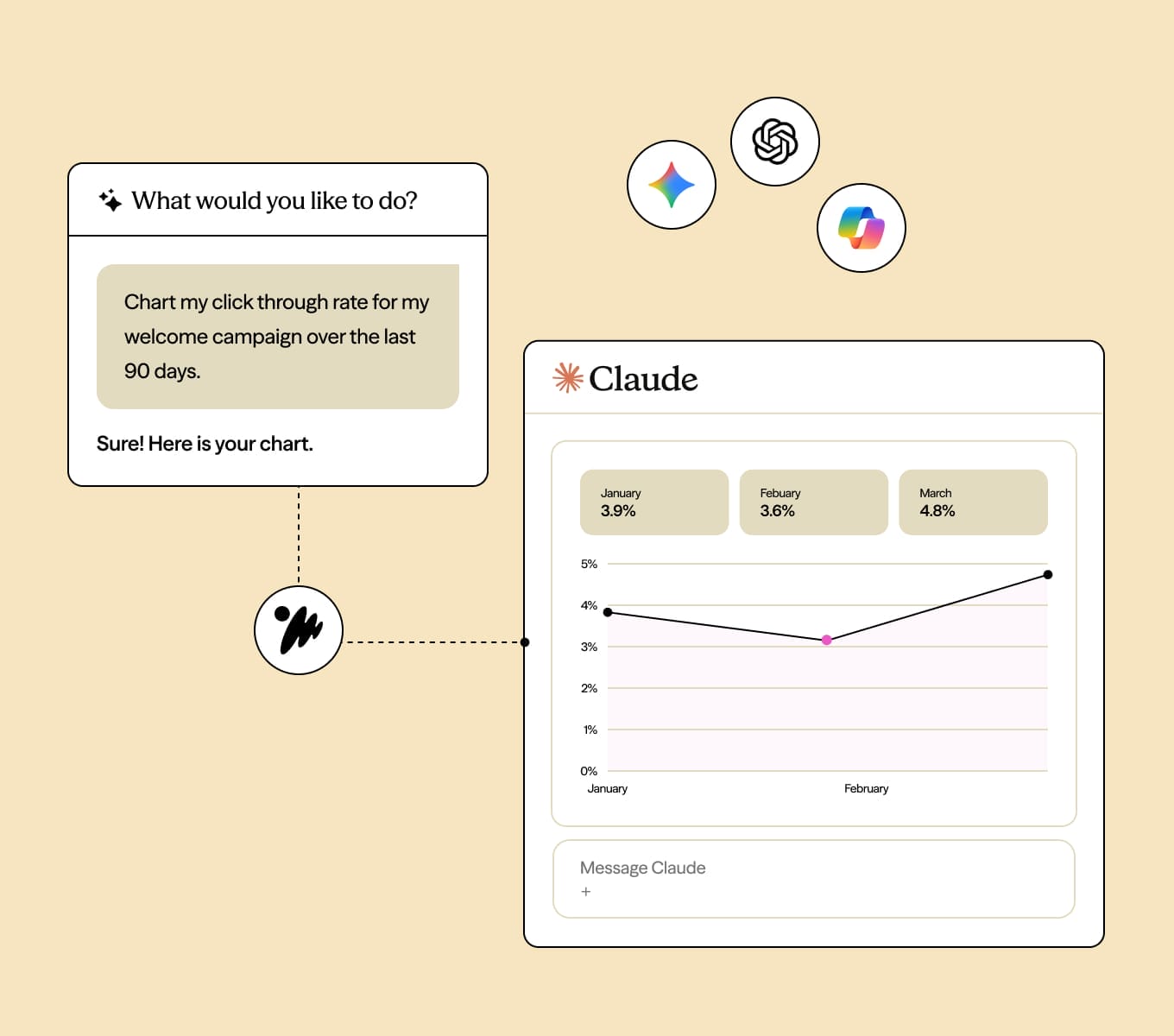
The insights you get depend on the questions you ask of your data. Whether you’re using AI features built into your marketing tools or working with an AI assistant like ChatGPT or Claude, thoughtful prompts help uncover insights you can act on.
Start by understanding what happened before deciding what to do next:
Knowing what performed well will help you find patterns you can apply to more campaigns:
Finally, move from reporting to planning. Ask AI to help prioritize your next steps rather than simply summarizing performance:
Knowing which insights deserve your attention and which ones are worth acting on is one of the most valuable marketing skills you can spend time developing. With data backing up your decisions, it’s much easier to create customer journeys that deliver real value.
A clearer understanding of your customer journey helps you identify the moments where automation will have the biggest impact. Focus on the journeys that will make the biggest difference to your customers rather than trying to automate everything.
A strong automation strategy isn’t about creating more journeys. It’s about choosing the ones that solve a genuine customer need.
Check whether key moments in customer journeys have automation flows in place:
With those covered, use your reporting to uncover the moments unique to your customers:
These insights help you decide which customer journey flows to build next.
Once your core journeys are running, your time shifts from building more automations to improving the ones you already have. Regular testing helps you understand what resonates with your audience and gives you the confidence to keep refining your campaigns over time.
Here are some top testing tips:
With key customer moments automated, the next step is to make every message feel relevant, so you’re addressing them directly in the moment.
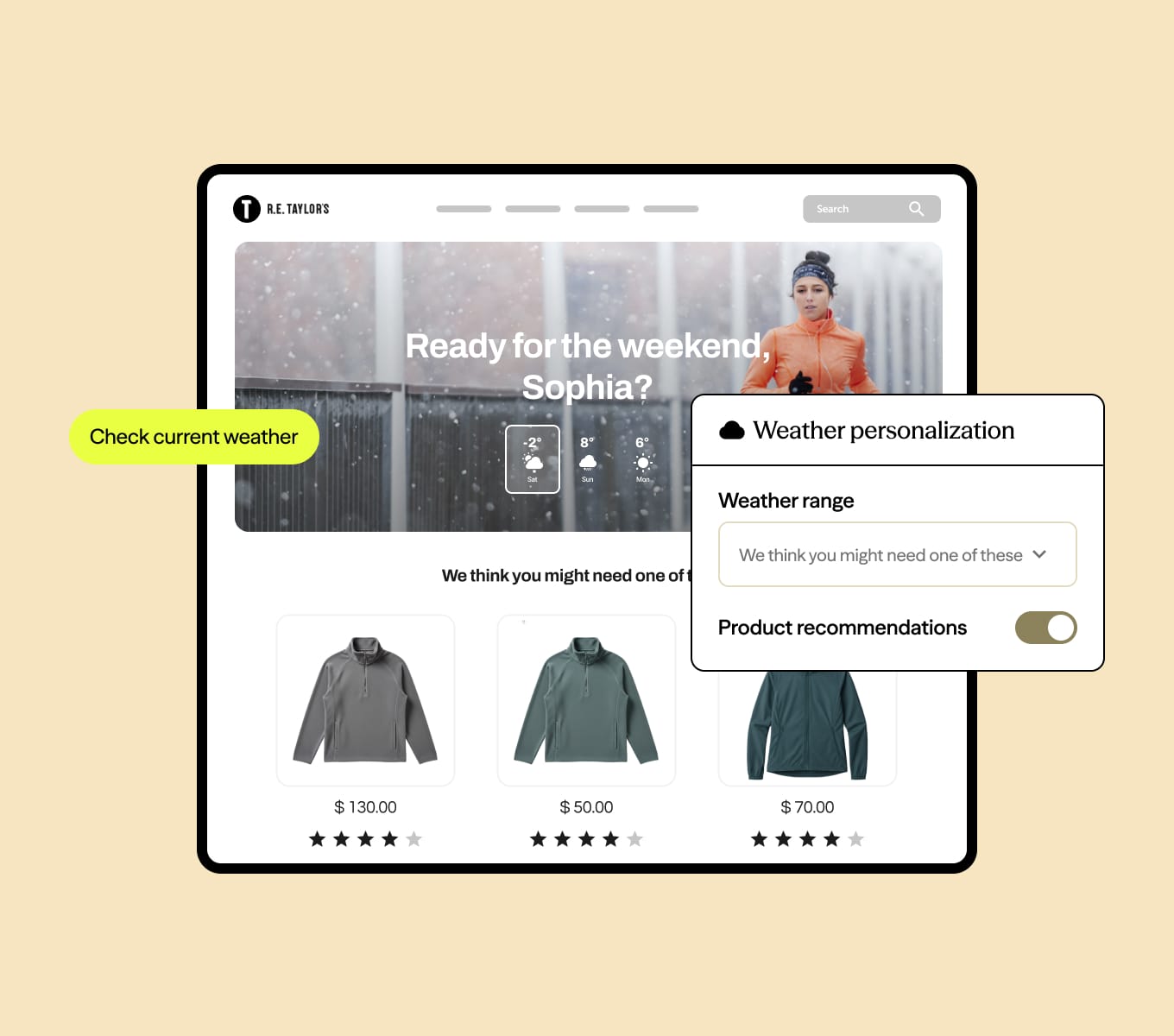
Only 15% of 4,000 shoppers surveyed in the Customer trend index consider the marketing they receive to be relevant in the moment. That doesn’t mean you have to personalize every message, but you do have to go further than a first name. AI can help you personalize at scale, but deciding who needs a different experience and when is still up to you.
Personalization should be intentional. As you build your campaigns, decide which audiences need a different experience and what will make that journey more relevant.
AI agents can help you build the segments in seconds, leaving you more time to decide which audiences matter most. Try prompts like these:
After you’ve identified the right audience, think carefully about what actually needs to change. Sometimes it’s the offer, sometimes the message, and sometimes simply the timing.
The most effective personalization solves a customer problem or makes the customer journey smoother. Here are a few ways to do that:
Every relevant interaction gives customers another reason to come back. Over time, those moments strengthen the relationship and create more opportunities to keep customers engaged.
The strongest retention strategies give customers reasons to come back long before they’re at risk of leaving. AI can now identify customers at risk of churning, uncover loyalty opportunities, and recommend the next best action. That gives you more time to think beyond reactive marketing and create experiences that keep customers engaged for the long term.
Retention works best when it’s planned with the same care as acquisition. Instead of treating it as the final stage of the customer journey, build a strategy that continually engages customers.
Loyalty programs are one of the most effective ways to turn retention into an ongoing strategy. Our Customer Trend Index found that loyalty programs influence 53% of shoppers to feel more loyal to brands, while loyalty program members spend 67% more than non-members on average. A well-designed program gives customers a reason to come back between purchases, rather than only hearing from you when you’re trying to win them back.
Here are a few ways to build a loyalty program that customers genuinely value.
There’s a lot more to loyalty program design than these three points. The Dotdigital Academy course on building customer loyalty covers it in full.
Now that AI is doing more of the manual work, how you spend your time matters just as much as the tools you use.
Understanding your customers better helps you design more thoughtful customer journeys. Those journeys create more relevant experiences, and relevant experiences build stronger customer relationships over time.
With more of the execution handled for you, there’s more time to focus on the decisions, creativity, and customer understanding that shape better marketing.
The more you invest in these skills, the more valuable every campaign, customer journey, and customer relationship becomes.
| Spend less time… | Spend more time… |
|---|---|
| Building reports and searching for insights | Interpreting the data and deciding which opportunities are worth acting on |
| Building every customer journey from scratch | Designing automations that improve the customer experience |
| Creating audience segments and personalized content manually | Deciding which customers need a different experience and what will make it more relevant |
| Reacting when customers start to disengage | Building relationships that keep customers coming back |