Tired of flat content that gets lost in search rankings? As generative AI transforms how users interact with search, the game has shifted.
Static content, once reliable, now struggles to hold attention, while interactive content rises as the clear winner for driving visibility and engagement. By allowing users to actively participate—through tools like quizzes, calculators, or tailored guides—brands can create immersive experiences that connect with modern search algorithms and user behavior alike.This post will explore why interactive content isn’t just an upgrade; it’s the strategy for thriving in AI-dominated search. From insights on implementation to actionable tips, we’ll help you stay ahead and make your content count.
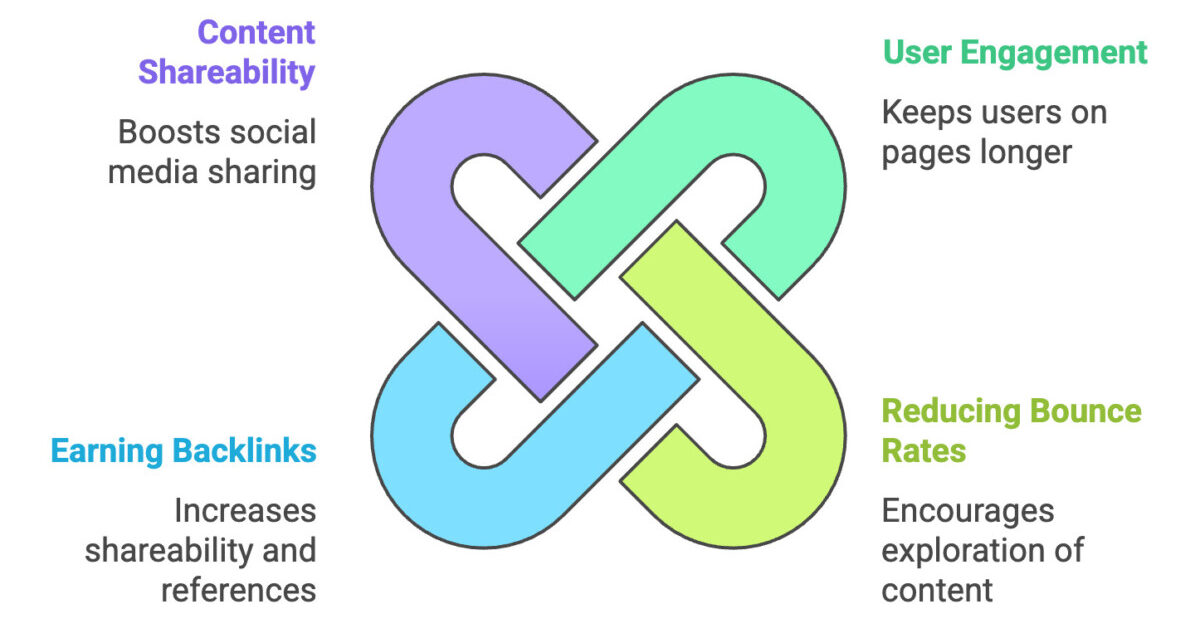
Interactive content is redefining how brands capture user attention and improve search engine visibility. By creating experiences that actively engage users instead of merely presenting static information, interactive content aligns with the evolving search algorithms and consumer behaviors shaped by AI. Here’s how interactive experiences can dramatically improve your SEO efforts:
Interactive content keeps users on your page longer, and longer sessions create positive engagement signals for search engines. For example, interactive quizzes can lead users to spend two to three times more time on a page compared to traditional articles. A study by Ask the Egghead indicates that quizzes and calculators significantly increase dwell time because visitors are actively engaged, often clicking through multiple steps before finishing.
This increase in engagement tells search engines that the page is valuable and relevant. When visitors linger longer, it’s a clear signal to platforms like Google that your content deserves a boost in ranking. For e-commerce brands, tools like product configurators or interactive buying guides not only let users explore options but also drive session length and enhance SEO.
When users engage with attention-grabbing formats like polls, calculators, or interactive infographics, they’re less likely to bounce off your site. Unlike static content, these interactive experiences encourage further exploration. For example, embedding a cost calculator on your website not only satisfies the user’s immediate need but often leads them to check out related blog posts or product pages.
Data demonstrates that interactive content can cut bounce rates by up to 50%. Lower bounce rates signal to search engines that visitors find your page useful, improving rankings and visibility. In the ecommerce space, the connection between user engagement and page visits can have a direct impact on revenue by creating multiple touchpoints for potential customers.
Interactive content is also inherently more shareable, and the more it gets shared, the higher the chances of earning backlinks. Tools like calculators, interactive infographics, or surveys act as valuable resources for websites looking to reference engaging and practical content. For instance, a mortgage calculator placed within a finance blog could drive authoritative backlinks from related sites because such tools are both functional and highly niche-focused.
Backlinks not only boost your domain authority but also amplify content visibility on search engines.
Interactive content leads to higher shares on social media platforms compared to static formats. People can’t resist sharing fun quizzes, insightful polls, or visually appealing infographics with their networks. This boosts brand visibility and generates social signals—important yet often overlooked indicators that contribute to SEO ranking improvements.
For marketers, this is an opportunity to leverage interactive content to drive organic social engagement. A successful example comes from scratch-off email campaigns, as described in this Ecommerce Fastlane article. The interactive nature of these emails not only increases open rates but also makes content share-worthy, creating a ripple effect across digital platforms.
Interactive content isn’t just fun—it’s functional. When integrated into your marketing strategy, it lays the groundwork for better search rankings by addressing user behavior and preferences directly. With AI search shifting priorities towards value-packed, immersive experiences, this strategy becomes indispensable.
AI technology is transforming how interactive content aligns with search engine optimization (SEO) strategies. Using data, algorithms, and real-time analysis, AI enables brands to maximize the impact of their interactive content. Whether it’s selecting the best topics and formats, personalizing experiences, or analyzing performance, AI is at the core of smarter content strategies.
Choosing the right topics and content formats can make or break your SEO success. AI tools analyze vast amounts of search trends, audience behavior, and intent data to pinpoint high-value topics and the most effective content formats for engagement. Platforms like ChatGPT or Jasper are excellent for brainstorming ideas based on current cultural discussions, trending queries, or seasonal search spikes.
By layering AI capabilities with tools like Google Trends, you can predict what interactive formats—like calculators, quizzes, or infographics—will generate the most traction for your audience. For instance, an AI-powered analysis might reveal that “ecommerce ROI calculators” perform exceptionally well in keywords tied to budgeting and investment decisions. These insights help you avoid guesswork and hone content that resonates both with search engines and human users.
For an in-depth exploration of AI’s capabilities in SEO decisions, check out this article on ecommerce AI adoption.
Generic content is no longer enough to stand out—users expect personalized experiences tailored to their unique preferences and needs. AI tools like Optimizely or Dynamic Yield are game-changers, enabling data-driven customization based on user interactions, demographics, and even browsing history.
Imagine creating a quiz where users receive tailored recommendations based on their answers—AI dynamically adjusts the content in real-time to provide a more engaging, informative experience. This level of personalization not only improves user engagement but also lowers bounce rates and increases dwell time—two critical factors for SEO performance. For example, ecommerce fastlane describes how AI creates next-gen customer experiences, helping build deeper connections between businesses and audiences. Explore more here.
The right content strategy isn’t just about creation—strategic distribution shapes its success. AI tools such as SocialBee or HubSpot leverage intelligent algorithms to schedule and share content when and where it is most likely to perform. Whether targeting specific platforms like Instagram or optimizing blog visibility across Google Search, AI finds the sweet spot for timing and channel allocation.
With AI, brands also refine their outreach efforts for link building and promotion. Dynamic content—like interactive infographics—often gains high engagement and social shares, which signal authority to search engines. As AI integrates distribution insights with performance data, marketers can tweak their strategies to match changing search habits, including voice and generative AI searches.
Learn practical examples for visibility enhancement by visiting SnapshotInteractive’s insights on AI.
Creating interactive content is only half the battle—tracking its effectiveness is just as vital. AI analytics platforms like Mixpanel or Hotjar go beyond basic metrics by identifying patterns in user engagement. These tools answer important questions: Which parts of your interactive graph got the most clicks? How far did users progress in your quiz before dropping off?
By combining these analytics with adaptive recommendations, AI helps brands adjust content continuously to meet SEO goals. For instance, poor interaction rates may reveal the need to simplify navigation or provide clearer instructions within interactive features. Over time, these iterative improvements build exponentially better experiences for both users and search engines.
To learn more about creating search-optimized content, explore how AI enables smarter content strategies.
AI has become essential for developing, distributing, and refining interactive content. By integrating its capabilities into your content workflows, you set a foundation for long-term success in both user engagement and search rankings.
Interactive content can significantly enhance your website’s engagement metrics and search visibility, but only if it’s properly optimized for search engines. To ensure your interactive elements perform well in search results, you’ll need to implement specific SEO strategies. Let’s dive into these essential practices:
Proper technical optimization is the foundation of a successful interactive content strategy. To ensure your content ranks well, focus on these key areas:
Keywords play a crucial role in making interactive content discoverable. However, integrating them naturally into such dynamic formats requires strategic planning.
For more actionable tips on keyword incorporation, visit SEO Best Practices for Interactive Content Campaigns.
Schema markup is a game changer when it comes to helping search engines understand the purpose of your interactive elements. By adding specific structured data, you can increase the chance of appearing in rich results.
Explore an example using schema in interactive SEO efforts in this guide written for SEOs.
Interactive content must guide users through an intentional flow. Not only does this enhance the user experience, but it also strengthens SEO performance by improving engagement signals.
Optimized structure and seamless user experiences not only improve dwell time but also align with Google’s focus on providing value-packed search results.
Interactive content has become a cornerstone of modern SEO strategies, particularly in the evolving era of generative AI. These formats don’t just capture user attention—they actively engage, educate, and retain visitors, creating longer dwell times and social share opportunities. Below, we dive into specific types of interactive content optimized for AI-driven search success, each uniquely designed to amplify engagement and visibility.
Quizzes and polls are not just fun; they are highly engaging tools that keep users on your site longer. AI brings added sophistication by enabling personalization based on user inputs. For instance, an AI-powered personality quiz can dynamically generate outcomes tailored to individual responses, making the user feel seen and heard—key factors for both engagement and retention.
Benefits include:
For a deeper understanding of how AI improves interactive content, this resource is a helpful guide.
Calculators and tools do more than answer user questions—they provide immediate, actionable value. For instance, an AI-enhanced ROI calculator not only offers lightning-fast, precise calculations tailored to user needs but also suggests relevant services or products. Examples include:
These tools increase the likelihood of earning backlinks from reputable sources like financial blogs or business forums since they are practical resources. Explore more about these tools in this article.
Static infographics are a thing of the past—AI-generated visuals now create dynamic, scrollable, and clickable experiences that transform user interaction. For example:
These interactive formats boost shareability across social channels and lead to natural backlink building. For brands looking to use this technology effectively, this guide offers useful insights.
AI-powered maps provide localized information that elevates both user experience and SEO. Whether it’s an interactive store locator or a heatmap showcasing customer buying trends, these tools excel at engaging users while improving local SEO.
What makes them effective?
Discover how brands integrate location-based interactive maps into their strategies by exploring this article.
Assessments and configurators engage users by providing tailored solutions, perfect for lead generation. AI adds an extra layer of value by adjusting outputs based on real-time data and user preferences. Popular examples include:
By incorporating assessments into your ecommerce strategy, you cater to user needs while increasing conversions—two factors that directly impact SEO. For practical tips, check out this guide on interactive content techniques.
Interactive content, when infused with AI, doesn’t just inform; it creates unique, highly personalized user experiences. These formats—quizzes, maps, calculators, and more—are shaping the future of search optimization, giving brands a competitive edge in the evolving generative AI search landscape.
Interactive content infused with AI isn’t just an enhancement—it’s the foundation for outperforming static approaches in today’s search environment. Here’s a detailed breakdown of actionable steps to integrate this dynamic duo into your SEO strategy effectively.
Before you dive into creating interactive content, pinpointing where it fits best in your niche is crucial. You can’t just create for the sake of engagement; you need your content to align with user intent and SEO objectives.
For a broader perspective on how interactive formats drive modern SEO, check out this primer from AgencyAnalytics.
Not all tools are created equal, and your choices will depend on budget, technical acumen, and content goals. Here’s how to select platforms that merge creativity with functionality.
Need insights into optimizing tool selection based on search enhancements? Explore steps in this article on using AI for SEO.
Bringing your interactive content to life requires planning, and promotion often separates good ideas from SEO success. Follow these steps to ensure an effective rollout:
Strategically launching your content involves blending precision with visibility. For advanced promotion tips, see interactive content use cases discussed by Search Engine Land.
Implementing an interactive content + AI strategy for SEO doesn’t have to be complex when broken into manageable steps. From identifying untapped opportunities to promoting with purpose, these guides will help you craft content that stands out to both users and algorithms.
AI-driven sourcing is transforming the ecommerce landscape, moving beyond outdated, time-consuming methods to smarter, faster, and more reliable solutions. By automating supplier matching, risk assessments, and negotiation insights, AI ensures businesses can reduce inefficiencies and stay ahead in a competitive market. It not only saves time but creates a more resilient and transparent supply chain, enabling companies to adapt to unpredictable challenges with confidence.
The real power of AI lies in its ability to streamline processes and eliminate guesswork. Ecommerce founders can use these tools to monitor demand, flag supplier issues early, and avoid costly disruptions. For small and large businesses alike, AI opens doors to faster product launches, ethical sourcing practices, and better resource allocation. Whether you are dealing with global disruptions or trying to optimize inventory levels, integrating AI into your sourcing strategy ensures your brand remains agile and prepared for the future.
Take action today by identifying weak points in your current procurement processes, such as unreliable suppliers or overstock issues, and explore AI tools designed for supply chain efficiency. Start small—test an AI platform for supplier vetting or demand forecasting—then expand once you’ve seen measurable results. As you implement AI-driven strategies, you’ll notice smoother operations, increased profitability, and stronger supplier relationships.
For further guidance, take advantage of expert-led case studies or tutorials available online that demonstrate the real-world application of AI in supply chain management. The time to embrace AI sourcing is now—it’s not just a competitive advantage, it’s the foundation for long-term success. Start transforming your sourcing strategy today and position your business for sustainable growth in a rapidly changing market.
Interactive content has proven to be a valuable asset in adapting to the evolving dynamics of generative AI search. By prioritizing engagement, dwell time, and adaptability, it directly aligns with search algorithms that reward content providing genuine user value. Integrating AI-driven personalization takes this advantage further, delivering tailored experiences that resonate deeply with users while improving SEO metrics.
The combination of interactive content and AI is not just a trend, it’s the future of SEO. Embrace this powerful synergy to create engaging experiences, achieve higher rankings, and connect with your audience in entirely new ways. Start exploring AI-powered interactive content tools today and begin transforming your SEO strategy. For additional strategies, visit 10 Brilliant Content Marketing Examples on Social Media.
AI-driven sourcing uses artificial intelligence to simplify and improve the process of finding, evaluating, and managing suppliers. It matters because it helps businesses save time, reduce costs, and build more resilient supply chains—critical advantages in today’s competitive ecommerce market.
AI analyzes data like supplier history, pricing trends, and product demand to recommend the best-fit suppliers. This is quicker and more accurate than manual searches, helping businesses connect with reliable suppliers while reducing risks.
Absolutely. Small businesses can use AI tools to simplify procurement processes, avoid supply chain disruptions, and improve efficiency. These tools are often scalable and accessible, making them a smart investment for companies looking to grow without overextending resources.
AI detects risks like supplier delays, financial instability, or global disruptions by analyzing real-time data. It provides early alerts and actionable insights, allowing businesses to address potential issues before they cause major problems.
Start by identifying weak points in your supply chain, such as inconsistent suppliers or frequent stockouts. Then, choose an AI tool that addresses these pain points—like demand forecasting or automated supplier vetting—and test it on a small scale before expanding further.
No, AI enhances human decision-making rather than replacing it. While AI handles data and automates routine tasks, humans are still needed for strategic decisions, supplier relationships, and adapting to nuanced challenges.
A common myth is that AI only benefits large enterprises. In reality, AI can be tailored to businesses of any size, providing scalable tools that improve efficiency, reduce costs, and minimize risks for both small and large companies.
AI forecasts demand by analyzing trends, historical data, and real-time customer behaviors. This helps businesses avoid overstocking or running out of stock, ensuring they always have the right inventory levels to meet demand.
AI brings unmatched accuracy and speed in finding suppliers, eliminating inefficiencies like manual searches or late responses. It also creates transparency in sourcing, building trust with suppliers and customers through ethical and compliant practices.
To maximize value, businesses should integrate AI tools across related functions like inventory planning, logistics, and supplier communication. Regularly analyze performance metrics and tweak settings in the AI platform to adapt as market conditions evolve and business needs grow.