Visibility can make or break a Shopify business. In a world flooded with brands, standing out isn’t just a challenge—it’s the challenge.
While traditional publicity tools, like press releases, are still relevant, they’re no longer enough to scale in a competitive ecommerce space. Modern publicity approaches and innovative tools are transforming how Shopify merchants gain traction, engage audiences, and drive sales. This guide breaks down actionable methods and cutting-edge ecommerce publicity tools that are shaping success in 2025. Shopify owners, this is your roadmap to thrive in a crowded space. Dive in to discover solutions that truly deliver results.
Maintaining a successful Shopify business in today’s ecommerce world is harder than ever. Publicity, however, is proving to be a reliable and game-changing strategy for visibility, trust-building, and ultimately, driving sales. Let’s break it down why it’s now a non-negotiable for growing Shopify brands.
Ecommerce, particularly Shopify, has transitioned into one of the most competitive marketplaces globally. The barriers to entry are lower than ever, flooding the market with entrepreneurs looking for their slice of success. However, standing out amidst such strong competition is no easy feat. Compounding the issue is the rising cost of paid advertising on platforms like Meta and Google, where visibility often comes at a steep price.
Publicity offers Shopify merchants an effective and budget-friendly path to visibility. Rather than paying for every click or eyeball, brands can instead focus on creating compelling, newsworthy content that spreads organically. Shopify entrepreneurs can explore guides like Time to Shine: How to Create a Press Kit for actionable insights into crafting press kits that can make them media darlings.
For newer Shopify brands, creating a credible foothold in the crowded ecommerce field is often their biggest challenge. Publicity plays a vital role by not just raising awareness, but also shaping customer perception. When readers see your brand featured in a well-regarded publication or your founder quoted in an article, it builds trust and boosts authority—a feat paid ads can’t always accomplish.
Take, for instance, a thoughtful use of guest blogging or being mentioned in an article on a high-authority site. These forms of publicity don’t just talk to the audience but effectively vouch for your quality, offering third-party endorsements you simply can’t buy. Learn how the experts create ROI-driven media strategies on blogs like Mastering Public Relations for ROI.
While the effects of publicity on visibility and brand positioning are clear, its impact on actual sales goes deeper than what’s immediately apparent. One direct benefit is the traffic it drives. Every time your brand is mentioned in a targeted publication or gains exposure through PR tools, it directs potential customers to your Shopify store. More traffic naturally translates to more sales opportunities.
Beyond traffic, publicity has significant indirect benefits. Backlinks from reputable media sites bolster your store’s SEO, making it easier for potential customers to find you organically on search engines. Not only do these elements build discoverability, but the accompanying trust factor also increases conversions. Articles like Shopify Dispatch Issue #359 dive into low-cost publicity tactics that help entrepreneurs tap into this underutilized goldmine.
In short, publicity offers Shopify merchants not just visibility, but credibility and sustained growth—making it an indispensable part of any ecommerce marketing plan. This concludes why positioning your brand effectively through modern PR techniques—whether it’s media outreach, influencer mentions, or organic press coverage—must take precedence over traditional methods.
The ecommerce arena is brimming with potential, especially for Shopify store owners determined to stand out. While building a unique product lineup and running targeted ads are essential, many underestimate the power of publicity in driving organic visibility, credibility, and customer trust. By harnessing the latest publicity tools, Shopify entrepreneurs can craft engaging narratives, drive traffic, and generate more sales—all while creating a lasting impression.
Press releases may sound old school, but for ecommerce businesses, they’re far from outdated. Reimagined for a digital-first audience, press releases are now powerful tools for announcing product launches, partnerships, limited-time offers, or business milestones. When optimized for SEO, they can significantly enhance search visibility, driving targeted traffic to your Shopify store. Think about your press release as a digital handshake, introducing your business to potential customers, journalists, and industry influencers online.
Key points to keep in mind:
By reframing press releases as mini-campaigns, Shopify businesses can turn news announcements into sales-driving tools and community touchpoints.
In the era of storytelling, content marketing conveniently bridges information and inspiration for your audience. Shopify merchants can elevate their publicity game by publishing blogs, creating ebooks, or offering resource pages designed for customers and media alike. Integrating Shopify-compatible content marketing tools makes this process seamless, allowing brands to focus on engagement rather than technical hurdles.
Here’s how Shopify-specific content marketing stands out:
The advantage of content marketing? It pairs perfectly with Shopify’s native capabilities, ensuring every piece of content is just a click away from your product pages.
Publicity isn’t just about pushing out your message—it’s also about listening. Social media serves as both a megaphone and a stethoscope. Engaging tools let shops monitor mentions, address concerns, and even leverage positive customer feedback as user-generated content on social channels.
What does this look like in practice?
Combining these listening and engagement strategies ensures your digital presence remains proactive, relevant, and deeply human. A must-read for understanding PR’s impact? Check out Ecommerce PR Strategies That Work.
Each tool and approach above equips Shopify businesses with everything needed to thrive in the ecommerce world while maintaining a distinctive voice. Think of it as blending tested tactics with innovative digital flair to gain the edge you’re looking for.
Scaling a Shopify business requires more than just listing great products and hoping for the best. Strategic publicity efforts can help amplify your store’s visibility, engage potential customers, and build a strong reputation online. Let’s dive into actionable techniques tailored specifically for ecommerce businesses.
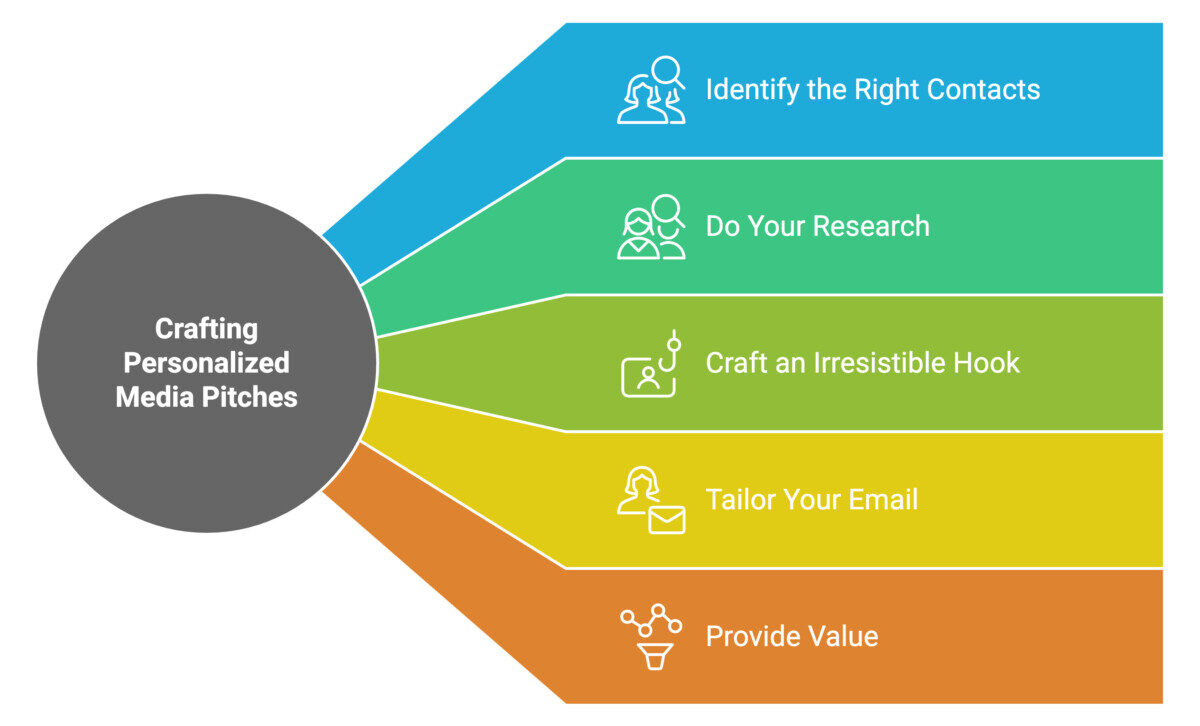
A well-targeted media pitch is like a custom suit—it fits perfectly and makes an impression. For Shopify businesses, this means reaching out to journalists and influencers who understand ecommerce and Shopify niches. Here’s a step-by-step guide to creating media pitches that work:
Remember, personalization is not optional—it’s essential for breaking through a crowded inbox. For deeper insights, explore Unlock the Potential of Writing and Storytelling to Drive Ecommerce Sales.
People process visuals faster than text, and that makes visual storytelling a powerful tool for publicizing your Shopify store. But this isn’t about posting random visuals; it’s about creating compelling ecommerce-specific content.
Even if you’re not a designer, tools like Canva or Visme can simplify creating quality visuals. For instance, crafting a graphic comparing your product’s performance to competitors can easily attract media attention.
One example: an infographic that ties ecommerce sales growth to environmental sustainability could earn features in eco-focused media. Need to create materials for reporters and bloggers? Start with actionable tips from Time to Shine: How to Create a Press Kit That Gets Publicity.
Social media is more than a marketing tool—it’s a PR engine for connecting with the media while engaging your customers. Successful campaigns go beyond promotions and directly amplify your brand story.
Consider these PR-focused social media tactics:
Using dedicated hashtags, tagging reporters who typically engage with ecommerce trends, or hosting interactive campaigns can directly get media involved. To learn more about combining customer and media engagement, check resources such as Shopify’s 26 Need-to-Know Ecommerce Marketing Tactics.
By focusing on relevance, storytelling, and collaboration, each of these strategies can contribute to boosting your Shopify store’s publicity and reach while building stronger relationships with both your customers and the media.
Tracking the success of ecommerce publicity campaigns is no longer optional—it’s a necessity for Shopify merchants aiming to justify budgets, tweak strategies, and scale effectively. Measuring analytics and ROI specific to Shopify doesn’t just help you quantify success but provides actionable insights that can elevate your publicity tactics to the next level. Let’s explore how you can transition from guessing to confidently tracking results with focused metrics and purpose-built tools.
In Shopify’s fast-paced ecommerce ecosystem, broad PR metrics like “media impressions” are often too generic to translate into actionable strategies. To effectively assess the impact of your publicity campaigns, you’ll need ecommerce-relevant KPIs to connect media buzz directly to conversions.
Here’s what to focus on:
Measuring these KPIs ensures your publicity isn’t just feel-good exposure, but it resonates where it counts—your bottom line.
Shopify stores demand analytics platforms that can tap into everything from traffic sources to cart conversions. While traditional tools like Google Analytics remain staples, going deeper with Shopify-specific platforms provides a more targeted view of your marketing ROI.
Consider these platforms for your campaigns:
For merchants willing to diversify further, options like 10 Best Shopify Analytics Tools cover Shopify-compatible systems that simplify tracking every nuance of publicity performance.
Knowing which tools to use and aligning them with the right KPIs ensures transparency and strengthens data-driven decision-making. Incorporating Shopify-centric platforms not only bridges the gap between data and actionable insights but also fortifies your strategy for consistent, measurable growth.
In the fast-moving ecommerce world, mistakes and mishaps can snowball quickly, threatening your brand’s reputation and customer trust. Whether it’s a negative review spiraling out of control or a critical data breach, having a robust crisis communication strategy is non-negotiable for Shopify business success. Let’s look at how to prepare your Shopify store to handle both preventable and unforeseen crises effectively while safeguarding your reputation.
A Shopify ecommerce crisis can emerge in many forms—product quality issues, delayed shipments, or even a wave of bad customer reviews going viral on social media. To protect your brand’s reputation, having a concrete, proactive plan is essential.
Here are actionable steps to build your Shopify crisis communication plan:
By proactively managing these elements, you can avert small disruptions from escalating. To explore more about crafting successful communication strategies tailored to ecommerce, visit Crisis Averted: How To Keep Your E-Commerce Empire Drama-Free.
Handling a crisis demands real-time awareness and swift action. Having the right tools in your Shopify arsenal can make all the difference. These tools enable businesses to monitor, respond, and manage crises while maintaining trust with customers.
Consider these essential tools:
By leveraging these tools, your Shopify store can confidently monitor its reputation while managing crises effectively. Learn more about how top-performing ecommerce businesses maintain proactive customer communication during challenging times in Ecommerce and the Coronavirus: Communication Best Practices for Merchants.
Having a strong crisis management approach ensures your Shopify brand not only survives challenges but also emerges stronger, with customer trust intact.
With the accelerating changes in ecommerce technology and evolving consumer preferences, Shopify businesses are faced with a unique opportunity to redefine how they approach publicity. Capturing attention in 2025 and beyond requires not only understanding technological advancements but also aligning messaging with the values of contemporary audiences. Let’s explore two key areas that will define the future of ecommerce publicity.
Artificial intelligence has transformed digital marketing, and its influence on ecommerce publicity is becoming increasingly profound. From media monitoring to automated content generation, AI opens a host of possibilities for Shopify brands looking to simplify public relations tasks. But as exciting as it sounds, there are nuances worth considering.
Key Roles AI Will Play in Publicity:
What to Watch Out For:
However, relying solely on AI risks losing the human element. Overly mechanized personalization might feel insincere to journalists or customers. Moreover, AI-generated content—while impressive—requires human oversight to ensure factual accuracy, tone consistency, and storytelling quality. Shopify entrepreneurs would benefit from integrating AI tools thoughtfully with a sharp focus on human input.
As AI evolves, it’s clear that the brands combining automation with creativity will come out ahead. For further inspiration on building this balance, explore effective ecommerce marketing techniques.
As we look ahead, one truth stands out: today’s consumers care about the “why” as much as the “what.” Shopify merchants who prioritize sustainability, ethics, and social responsibility can craft compelling publicity campaigns that connect deeply with modern audiences. Values-driven publicity isn’t just a trend—it’s essential to thrive.
Ways to Leverage Sustainability for PR:
Why These Efforts Matter:
Consumers in 2025 expect brands to reflect their own values. A strong example can be found through trends outlined in Shopify trends shaping 2025, where investments in biodegradable products and eco-conscious shopping experiences take center stage. Authenticity remains key. Shallow campaigns that lack genuine impact are easily spotted and could harm trust instead of building it.
For Shopify merchants aiming to connect these strategies to publicity effectively, ideas from How to Build an Ecommerce Marketing Strategy offer actionable blueprints.
Incorporating sustainability into your brand’s public narrative not only draws attention but also solidifies your position as a thoughtful and forward-thinking business in a competitive space like Shopify. Backed by action, ethical ecommerce stories can become your strongest asset.
In today’s ecommerce landscape, where Shopify dominates as a platform of choice, standing out requires more than just having great products. Publicity has become the cornerstone for visibility, credibility, and trust. This post explored modern approaches to ecommerce publicity—press releases, social media tools, content strategies, and analytics—each crafted to amplify brand reach and drive lasting growth.
For competitive edge, leveraging SEO-optimized press releases and targeted media outreach enables brands to secure visibility across high-value platforms, driving organic traffic at a fraction of advertising costs. For those focused on sustainable growth, integrating Shopify-friendly systems like HubSpot or Google Analytics strengthens your ability to track campaign ROI and make data-driven improvements.
The human connection cannot be neglected. Storytelling through visuals, infographics, or cause-related narratives creates authentic engagement with audiences. By sharing your brand’s values—whether through sustainability initiatives or customer impact stories—you create durable trust and goodwill. Additionally, social listening and influencer collaborations keep your efforts dynamic, allowing you to meet customers where they are while capturing real-time media opportunities.
Ecommerce founders and marketers can start implementing these strategies by building a streamlined press kit, identifying key media contacts, and tailoring outreach with personalized pitches. Use Shopify-native tools to monitor traffic, conversions, and backlinks from your campaigns to measure success and tweak efforts as needed.
These methods aren’t just theoretical. They offer Shopify businesses a practical playbook to thrive in a hyper-competitive market. The key is combining proven publicity tactics with the right tools and authentic stories to ensure every effort leaves an impact.
To take this further, explore actionable tools highlighted in our guide or commit to testing one new publicity strategy this month. Publicity can be the differentiator that elevates your Shopify store today and secures its growth for tomorrow.
Modern publicity is no longer just about sending press releases; it’s about crafting adaptable strategies that make your Shopify store stand out in a competitive landscape. By tapping into tools like optimized press releases, social engagement platforms, and content marketing integrations, you can not only elevate visibility but also build trust with your audience.
Start implementing these publicity solutions today to drive awareness and sales for your Shopify business. Need inspiration for tools to fuel your growth? Check out The Top 6 eCommerce Marketing Tools for actionable insights.
As ecommerce continues to evolve, staying ahead means constantly refining your approach to publicity. Be prepared to embrace change and let these strategies guide your growth journey.
Publicity is essential because it offers an affordable and effective way to increase visibility, build trust, and drive organic traffic. Unlike paid ads, publicity creates long-term credibility for your brand through media mentions, backlinks, and audience engagement, which can directly and indirectly boost sales.
Press releases announce important updates like product launches or partnerships while driving traffic to your store. When optimized for SEO and distributed through the right platforms, they increase visibility and generate backlinks, improving search engine rankings and trust among potential customers.
Small Shopify businesses should use platforms like HubSpot for content management, Mention for tracking brand mentions, and Shopify’s native analytics for campaign performance. These tools streamline tasks and offer clear insights, making publicity strategies manageable and impactful.
Yes, content marketing is a powerful publicity tool that builds authority and attracts organic backlinks. Blogs, ebooks, and resource pages not only drive traffic but also create materials for media and influencers to reference, expanding your brand’s reach.
A common myth is that publicity is only helpful for large businesses. In reality, small Shopify stores can leverage tactics like guest blogging and influencer collaborations to secure media attention, drive traffic, and build trust without needing a massive budget.
Businesses can measure success by tracking specific KPIs like traffic spikes from media mentions, growth in brand searches, and conversions linked to campaign UTM tags. Shopify analytics and tools like Google Analytics or SEMrush make it easy to evaluate what’s working.
Start by creating a press kit with high-quality visuals, an engaging brand story, and key product details. Use social listening tools to identify media or influencer opportunities, and launch a blog to share relevant, valuable content that aligns with your audience’s interests.
Visuals like infographics and customer testimonials make your content more engaging, memorable, and shareable. They simplify complex ideas, highlight product benefits, and resonate with both customers and media, increasing the likelihood of coverage and attention.
Yes, SEO-optimized press releases can significantly increase visibility by ranking higher in search results and directing traffic to your Shopify store. They also build domain authority through backlinks from respected media outlets, which boosts overall search rankings.
After launching publicity campaigns, monitor your performance metrics like traffic, conversion rates, and media mentions to refine your strategy. Consistently experiment with new approaches like influencer collaborations or interactive social media campaigns to maintain momentum and expand reach.