
Here’s the honest truth: nearly every scaling DTC leader or seasoned consultant I’ve met—myself included—has slammed into the same wall.
Growth plateaus. Cost per acquisition creeps up. The team’s spinning on custom hack after hack, but efficiency drops and meaningful brand differentiation? Slipping further out of reach. After more than 400 deep-dive interviews with operators and a decade sitting inside the Shopify ecosystem, a core pattern stands out: most ecommerce platforms only take you so far before their limits become your limits.
That’s where the Shopify ecommerce platform flips the script—and it’s not just marketing fluff. If you’re serious about breaking through operational bottlenecks, restoring profitable growth, and actually standing apart in a sea of lookalike stores, Shopify is the proven base layer the best are quietly using. In this article, I’m laying out a candid playbook pulled straight from what top performers actually implement. No recycled tips—just the strategic system shifts, tested under real scale, that move the needle.
If you’re tired of surface-level advice or hitting the same roadblocks year after year, keep reading. We’ll cut to the core reasons most brands stall, bring in lessons from hundreds of power users (many featured on the EcommerceFastlane podcast), and show how this unified framework lets leaders reclaim speed, clarity, and results. Ready for something stronger than another feature list? You’ll finally get an actionable guide, not just more theory—so you can start making smarter decisions with your Shopify ecommerce platform right away.
Curious how Shopify actually stacks up against other major e-commerce solutions? Dig deeper with our Shopify comprehensive guide for a full breakdown of features, costs, and what makes it the backbone for elite DTC brands.
Growth stalls aren’t just a passing phase—they’re the wake-up call for ambitious brands who’ve already nailed the basics but hit a ceiling. If you’ve ever wondered why that initial “up and to the right” curve starts to flatten, you’re in familiar company. I’ve seen it happen even to brands with all the ingredients for breakout success. The pattern is clear: something structural in most ecommerce platforms quietly caps your upside just when momentum should build. Let’s unpack the main reasons this happens, so you know what to watch for and can sidestep the most common traps.
The first wall hits when your platform starts feeling slow, rigid, or too dependent on duct-taped solutions. What worked for your first million in revenue just doesn’t scale past the early wins.
If you want to dive deeper into the real obstacles brands face during scale-up, check out the Challenges of Scaling a Business for in-the-trenches perspectives.
An overlooked reason for the stall: subtle, hard-to-detect revenue leaks.
For more on this, see how hidden revenue leaks explain slowdowns and what to do about them.
This is the hidden killer for many brands trying to scale quickly.
Shopify’s integrated approach answers one of the biggest pain points I hear from operators who’ve had to stitch together a dozen third-party apps just to keep pace with growing demand.
When you’re stuck on a generic platform, you struggle to stand out or retain high-value customers.
Power users on the Shopify ecommerce platform break this pattern by building tailored experiences using built-in features that don’t require endless agency contracts or technical rabbit holes.
Don’t underestimate how much time and money a bad tech stack chews up.
If you recognize any of these symptoms, you’re not alone. Even some of the most seasoned Shopify operators have battled these issues before breaking through gridlock. For more on overcoming specific growth blockers, see the detailed breakdown of common Shopify growth mistakes and fixes.
The final stall often isn’t technical—it’s strategic.
The best operators set up tight feedback loops, use unified data, and invest in customer-driven playbooks from the start.
Growth stalls are often a sign that you’ve outgrown your initial setup—not that you’ve hit your true ceiling. The right platform, like Shopify, is a force multiplier for scaling brands ready to push beyond the usual limits.

If you’ve hit scale, you already know surface-level Shopify tips don’t move the needle. The real wins come when you architect the foundation your future self will thank you for—maximizing technical flexibility, total customer experience control, and operational leverage. Let’s break down the advanced playbook for extracting the deepest value from the Shopify ecommerce platform, keeping your stack as nimble and unified as the best in the business.
Strength at scale is non-negotiable. The Shopify ecommerce platform stands out for its robust API coverage, a thriving app ecosystem, and infrastructure that allows ambitious brands to stay nimble—no matter how fast or unpredictably you grow.
What sets Shopify apart:
Here’s what I want you to question: Is your current stack “future-ready,” or does every tweak leave you worrying about breaking your core store? Shopify is strong here—but it’s not magic. At high scale, some teams outgrow the control offered by Liquid or experience friction when pushing Shopify’s logic at the platform edge. Still, I see more 8-figure brands accelerate after moving to Shopify than slow down.
If you’re mapping out your own technical foundation, study frameworks like the Ecommerce Business Startup Guide. Start with best practices, then invest where your brand needs differentiation.
When your store serves both direct-to-consumer (DTC) and wholesale buyers, rigid checkout or fixed storefronts don’t cut it. The Shopify ecommerce platform gives you the keys to create highly tailored experiences for every segment—without resorting to Frankenstein builds.
What leading brands do:
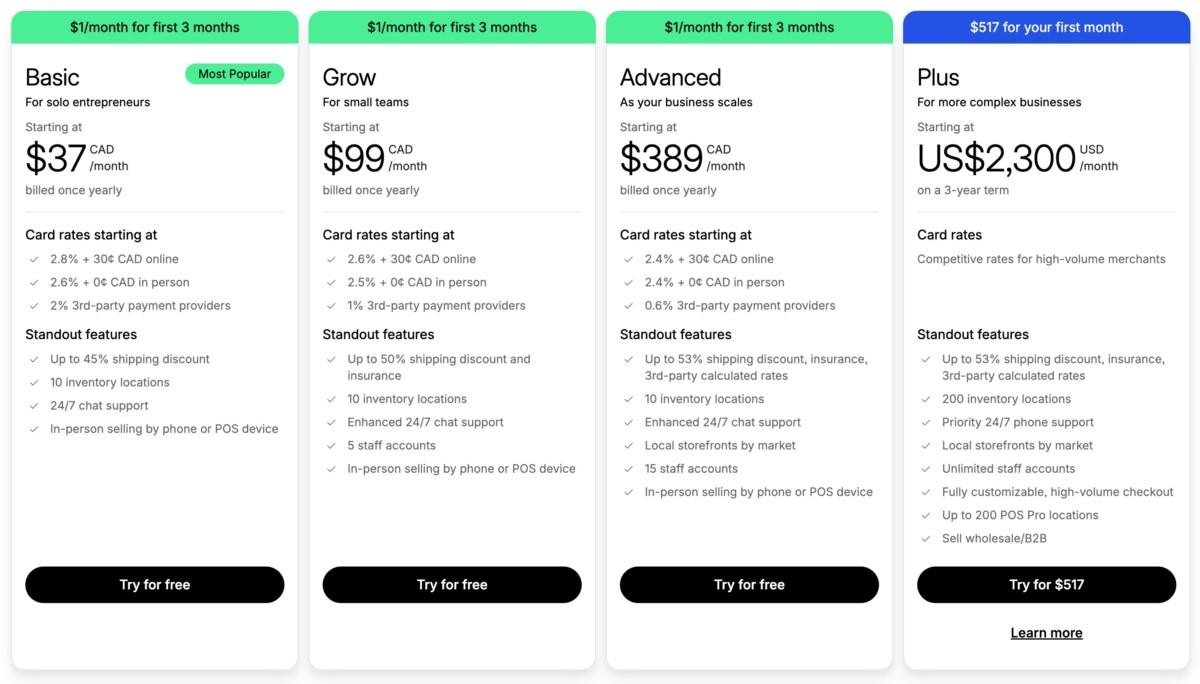
If you haven’t explored the full spectrum, start with Shopify Plus, which allows nearly unlimited backdrop changes and rules-based flows. Brands running both models can dive into DTC and wholesale platform integration—it’s a strong starting point for brands at the crossroads of DTC and wholesale expansion.
The real killer of scale isn’t front-end friction—it’s back-end disorder. Running split platforms for B2B and B2C always leads to duplicated products, out-of-sync inventory, and operational blind spots. Shopify solves this by merging your entire operation—orders, inventory, customer data—inside a unified admin.
Advantages here are massive:
The big unlock: more clarity, less busywork. I’ve seen six- and seven-figure brands free up entire roles just from killing duplicate workflows. It’s not glamorous, but it puts the focus back on high-value work—innovation, testing, and customer experience that grows LTV.
Manual processes kill momentum and breed errors. The fastest-growing brands automate every repetitive task and personalize each touchpoint using the Shopify ecommerce platform’s built-in automation, from Shopify Flow to deep app integrations.
Here’s where the leap happens:
When you automate the grunt work (think: fraud checks, fulfillment routing, transactional email), your team spends more time building—and less time clicking “export.” One founder featured on Ecommerce Fastlane shared how automating their returns approval flow shaved six hours a week off their support team workload. At scale, these wins compound fast.
Small checkout bottlenecks become big conversion drains at scale. Shopify gives you the keys to speed, security, and conversion performance that outpaces even many custom stacks—while still giving enterprise teams room to customize.
What stands out:
Want to dive deeper into checkout optimization? Don’t miss this breakdown of effective Shopify CRO strategies for practical moves that drive measurable improvements for enterprise stores.
The real edge here: you no longer have to choose between conversion performance and a flexible experience. Shopify gives you both—so long as you know how to wield its tools.
Quick takeaway: Stop accepting slow checkouts and generic flows as “the price of scale.” With the right Shopify foundations, brands are closing gap after gap—often in less time, with fewer dev hours, and stronger measurable results.
Too many blog posts pull the plug right before momentum builds. You’re handed a set of strategies, but rarely see how those tactics played out in the wild—let alone if the “framework” survived a brush with real scale. I want to do better. In this section, I’m pulling from punchy, boots-on-the-ground examples—stories that moved the needle, and playbooks that held strong under pressure. We’re talking how brands on the Shopify ecommerce platform went from stuck to thriving, and the proof points you need to pressure-test your own growth moves.
When you’re aiming for double-digit growth, hearing, “Just double down on what already works,” feels like getting told to pedal harder on a flat tire. I’ve seen brands hit $5M, stall, and then spin for months without progress—until they put the right structure in place. The Shopify ecommerce platform gave them that foundation, but the playbook is only as good as the execution. Here’s what’s worked:
Each of these brands faced the same wall: a growth pattern with diminishing returns. They broke through by anchoring into the Shopify ecommerce platform and treating every tweak as a testable hypothesis—not a one-and-done “hack.”
Good ideas aren’t enough. You need to kill bad tactics quickly, double down on what works, and prove ROI at every phase. Here are my standards for validating any growth playbook before scaling:
Want more structure to make this real? I recommend drawing inspiration from the DTC marketing playbook shared by Nik Sharma, who’s guided top direct-to-consumer brands through market validation at breakneck speed.
Every great playbook has its “misses.” Ignoring this is a rookie move. The Shopify ecommerce platform gives you flexibility, but not every test pays off fast. Here’s when I see brands waste time:
But when you focus on iterations, track every experiment, and stay grounded in customer outcomes, success follows. Even a failed campaign should teach you something you can reuse. Turn missteps into processes, and you’ll outpace competitors stuck in permanent “hack” mode.
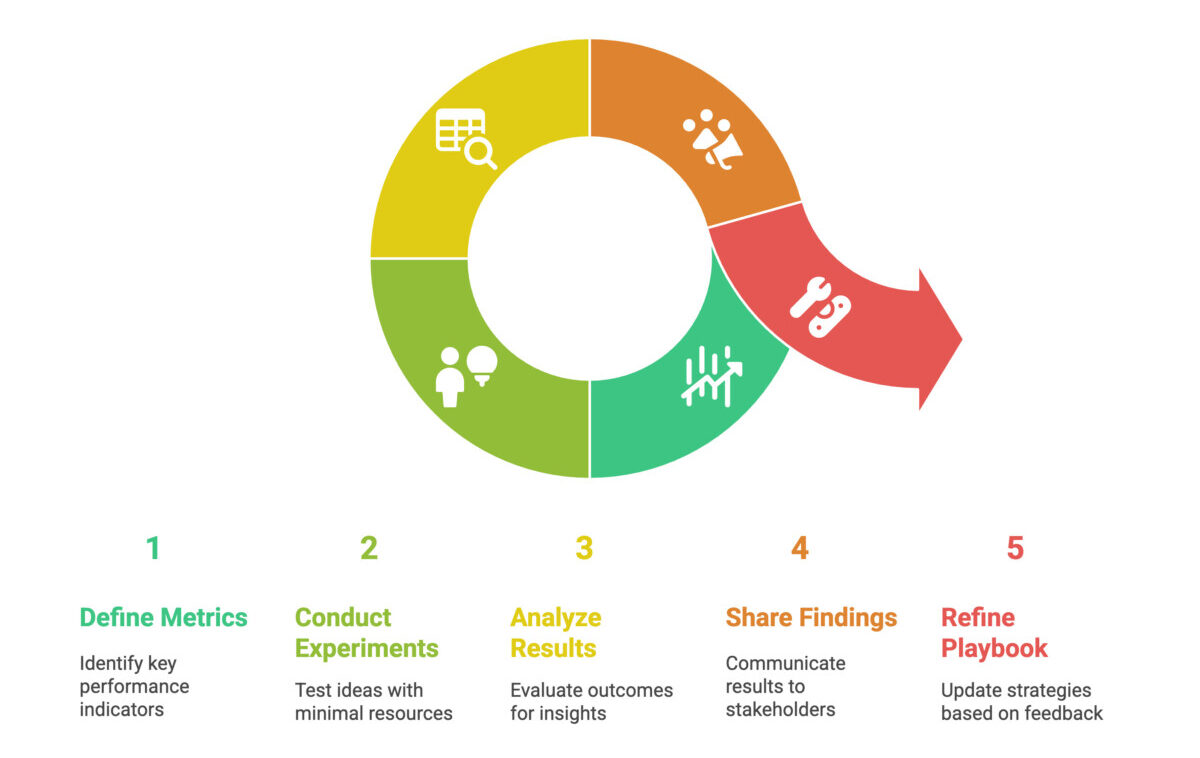
A validated playbook is one you can confidently hand off to a new team member—and see them get similar results. Here’s my cheat sheet for building a system that lasts:
To see how non-technical teams can get playbooks off the ground rapidly, I suggest the approach described for startup ideas without coding. The pattern is the same: validate before heavy commitment, stay nimble, and systematize what works.
The Shopify ecommerce platform lets you run this process with less overhead and more agility than legacy stacks. That’s what moves brands from “spinning plates” to compounding growth.
What’s the playbook that’s survived your toughest test so far? How are you validating right now? Share your most surprising win—or flop—in the comments. That’s where the sharpest lessons lurk.
The core shift is this: high-output brands stop thinking about Shopify as just their storefront, and start treating the Shopify ecommerce platform as the central operating system for their business. That mindset transforms how you approach tech, data, and growth. After years inside this ecosystem, the pattern is clear—winning teams double down on ruthless systemization, unified workflows, and rapid iteration. They don’t just patch problems, they build frameworks that scale, kill bottlenecks, and free up bandwidth for real differentiation.
If you want to escape growth stalls and actually push your brand forward, your next step is to get specific: audit your Shopify workflows, identify technical debt, and cut out what slows you down. Grab the custom audit checklist linked below or, if you want tailored feedback, reach out for a personalized deep dive based on what’s working for brands scaling past $10M. For tactical tips on accelerating store growth, check out Scaling Your Shopify Store for actionable plays.
I’ll leave you with this: speed, unity, and operational clarity aren’t accidental. They’re built, tested, and reinforced. What’s the one workflow automation that’s delivered the most ROI for your brand on Shopify? Share it below—I want to surface the best strategies in our next roundtable.
Shopify isn’t just another store platform—it’s the backbone for many thriving brands that want to scale without stumbling over tech limits, workflow chaos, or generic customer experiences. The core of this playbook shows that most ecommerce slowdowns come from behind-the-scenes friction, like split systems, hidden revenue leaks, and tools that don’t adapt as your business grows. Brands that win are moving their entire operation—DTC and wholesale—under one roof with Shopify, ending busywork and unlocking powerful automation and flexible customization.
Instead of wrestling with outdated solutions or juggling several disconnected apps, build a unified workflow inside Shopify. Use its native automation tools to reduce manual errors, streamline fulfillment, and personalize every customer touch. Set up clear feedback loops and track real data so you can test new ideas fast and double down on what works, not just what’s trendy.
If you’re serious about breaking through plateaus and setting up your team for lasting success, audit your current systems and look for bottlenecks where handoffs or manual fixes slow things down. Make use of Shopify’s reporting, robust APIs, and app ecosystem to adapt quickly as demands change. Prioritize customer experience with tailored storefronts and checkouts, ensuring the same high standards for every buyer, whether it’s DTC or B2B.
For ecommerce founders and marketers, the path forward is clear: pick one critical area—like automating post-purchase flows or merging your sales channels—and test a Shopify solution this week. Reach out for a custom audit, explore the additional guides linked above, and keep iterating on your systems. With the right foundation and mindset, you can move faster, work smarter, and fuel growth that lasts.
Shopify stands out by giving brands an all-in-one system that scales as business grows, handling both DTC and wholesale sales from one central dashboard. Its wide range of built-in tools, robust automation, and easy integration with other apps help teams solve problems quickly and stay ahead of the competition.
Combining all store operations—like orders, inventory, and customer data—into a single Shopify admin cuts down on errors and streamlines teamwork. This setup lets brands focus less on fixing problems and more on creating better shopping experiences and growing sales.
Hidden revenue leaks are small problems—such as pricing gaps, abandoned carts, and bad inventory syncing—that can add up to big losses over time. Shopify’s powerful analytics and built-in tools help brands quickly spot and fix these leaks, so no money is left on the table.
Shopify Flow and other automation features let teams set up rules to handle repetitive tasks like tagging orders or sending customer emails. This means team members can spend more time on growth strategies instead of manual work.
Yes, Shopify offers themes, apps, and built-in settings that make it easy to show different products, prices, or promotions to shoppers—no deep coding skills required. Brands can deliver a unique shopping experience that keeps buyers coming back.
Founders should start with a clear audit of their store’s workflows to find bottlenecks or manual steps that slow things down. Switching to Shopify allows for a more flexible foundation and faster improvements, especially when using native automation and reporting features.
A common myth is that Shopify is only for small stores or startups; in reality, many big brands use Shopify Plus to run high-volume, complex operations worldwide. Shopify’s enterprise features make it a strong choice for ambitious companies aiming for millions in sales.
Brands can launch fast experiments with Shopify’s tools by segmenting audiences, setting up custom offers, and tracking results in real time. This helps teams find what works best before making bigger changes or investments.
Many overlook how Shopify’s unified data and automation can free up entire staff roles, allowing brands to focus on innovation instead of maintenance. This shift often leads to faster growth and happier teams without constant technical headaches.
This article goes beyond basics by breaking down how top brands overcome real scaling challenges with proven strategies, automation, and practical tips drawn from experience—not just theory. It gives step-by-step ideas for using Shopify to solve problems, create lasting customer value, and speed up growth right now.