

When launching a customer referral program, the usual process is to actively promote it for a while and incentivize customers to participate. But once that initial campaign ends and marketing teams move on to the next priority, programs tend to decline in customer engagement.
In many cases, the program isn’t the problem, but keeping customers aware and engaged is.
In this guide, you’ll learn:
Brands usually have a rigid campaign around the launch of their customer referral program. They announce it, promote it across email flows and SMS, and incentivize customers to participate.
But your customers might not be working on the same timeline. They are most likely to recommend your products after an experience that reinforces their purchase decision.
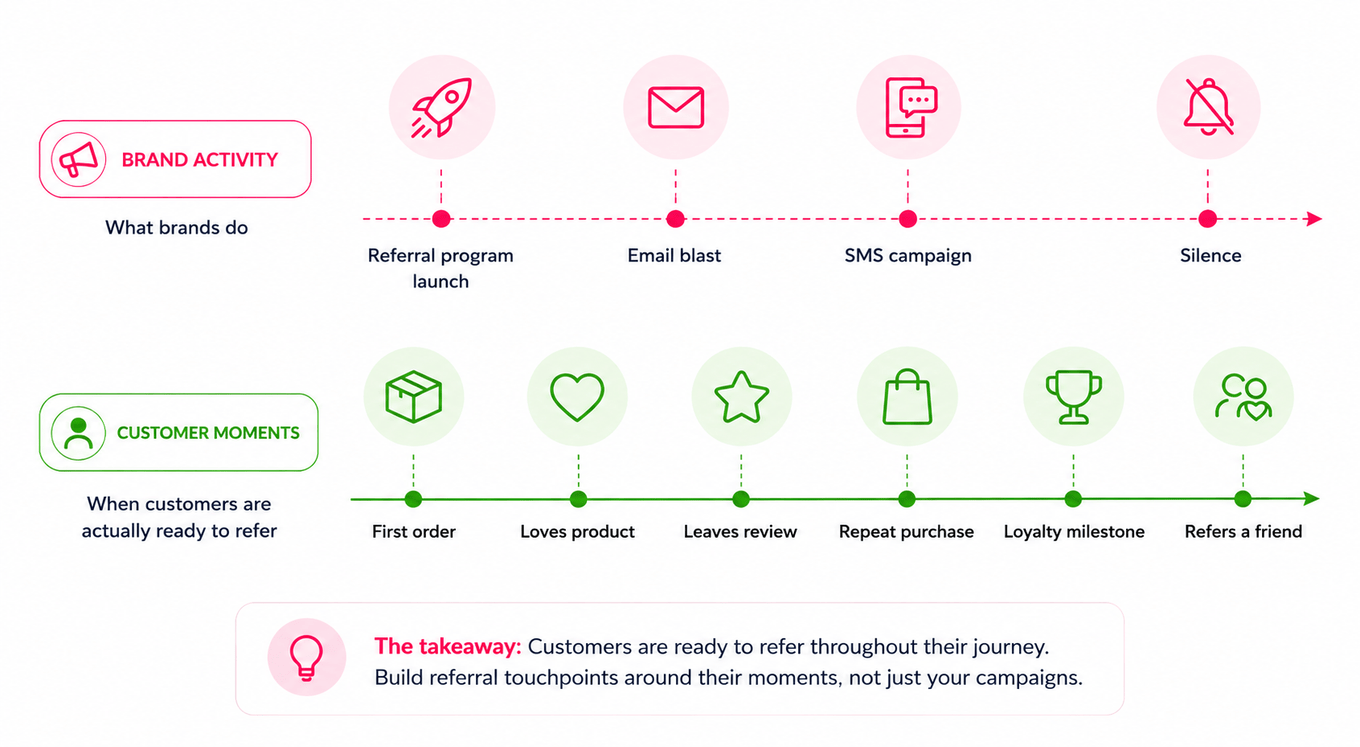
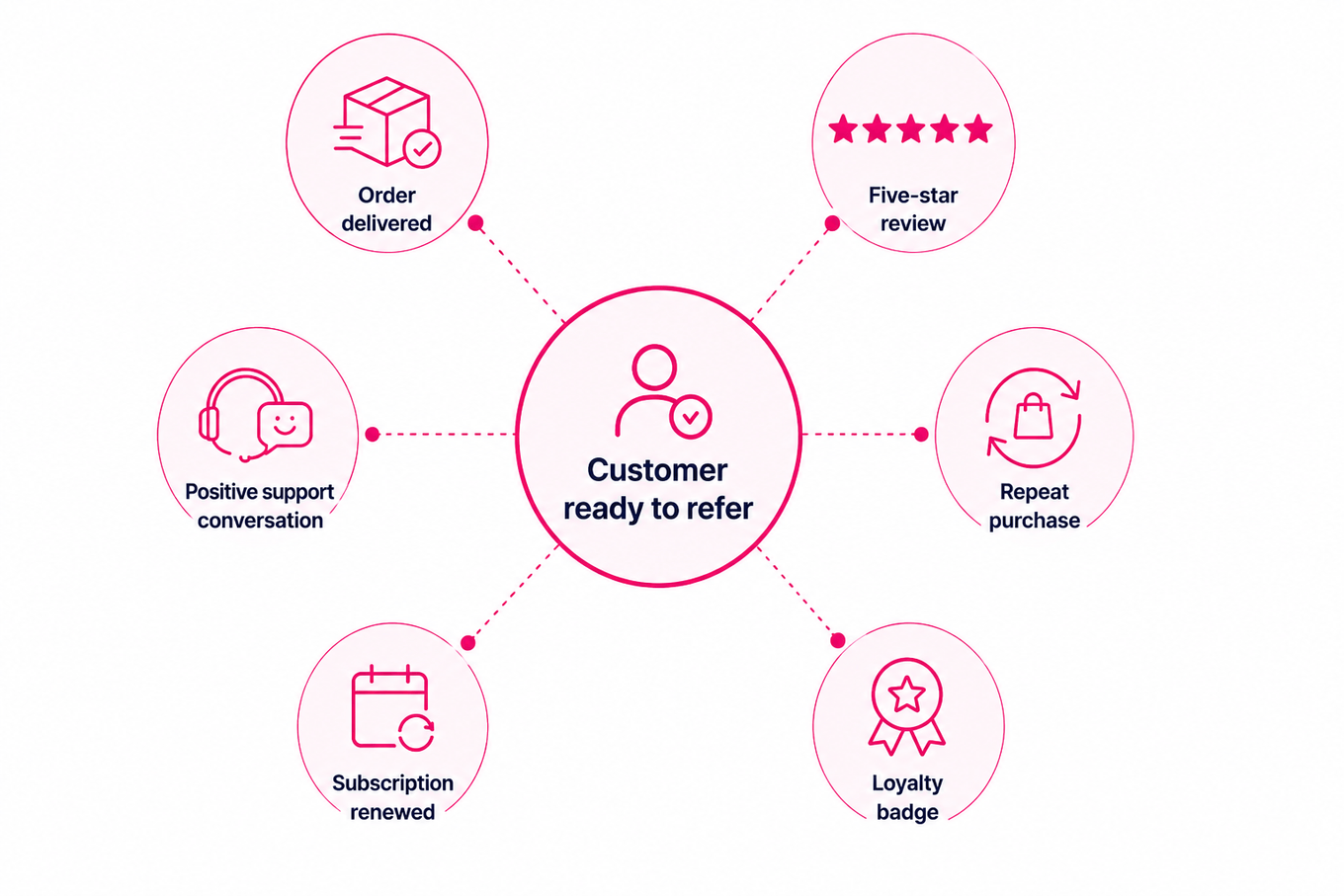
Some of the strongest word-of-mouth opportunities happen when a customer:
Customers recommend products because they believe someone else will benefit from the experience they’ve already had. When you introduce referral opportunities throughout the customer journey, you capture that intent while it’s still fresh and create a more consistent source of referral revenue.
Referral programs perform best when they become part of the customer journey. Every touchpoint is an opportunity to introduce a referral invitation.
Here are four ways to make referrals a natural part of your lifecycle marketing.
Map your customer journey and identify the milestones where customers have already experienced value. Those touchpoints create a clear reason to introduce a referral invitation.
Look for opportunities such as:
As your lifecycle campaigns evolve, new referral opportunities emerge. Treat referral placement as an ongoing optimization rather than a one-time setup.
You already communicate with customers throughout their lifecycle. Every post-purchase email, SMS, review request, and loyalty update creates another opportunity to introduce your referral program, without increasing campaign volume.
Customers receive referral invitations alongside communications they already expect, making participation feel like the next logical step.
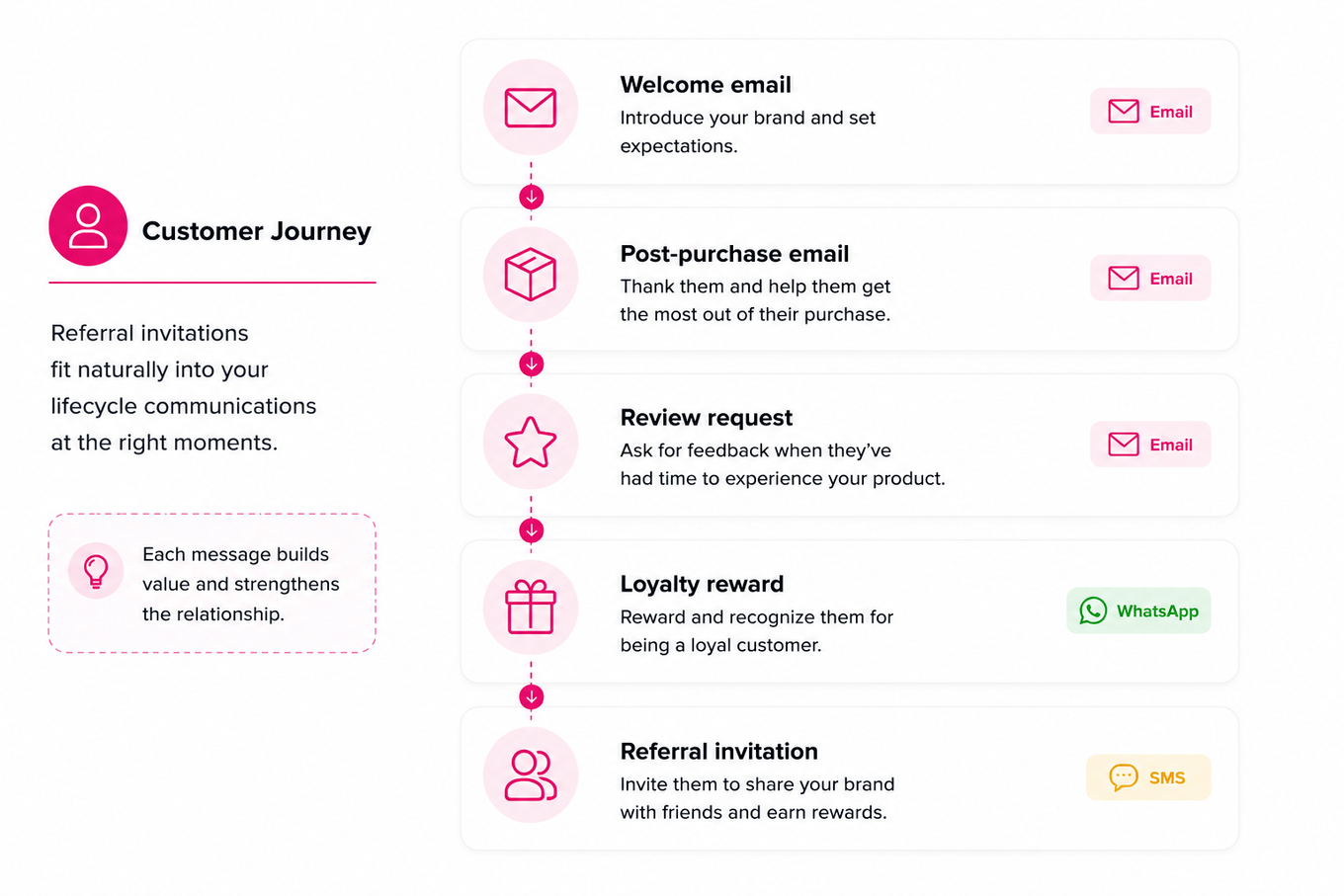
Some of the most effective places to introduce referral messaging include:
Lifecycle marketing platforms make this easier to manage at scale. Dotdigital automates personalized journeys across email, SMS, WhatsApp, and all your other marketing channels, allowing you to introduce referral invitations at the points where customers are already engaged.
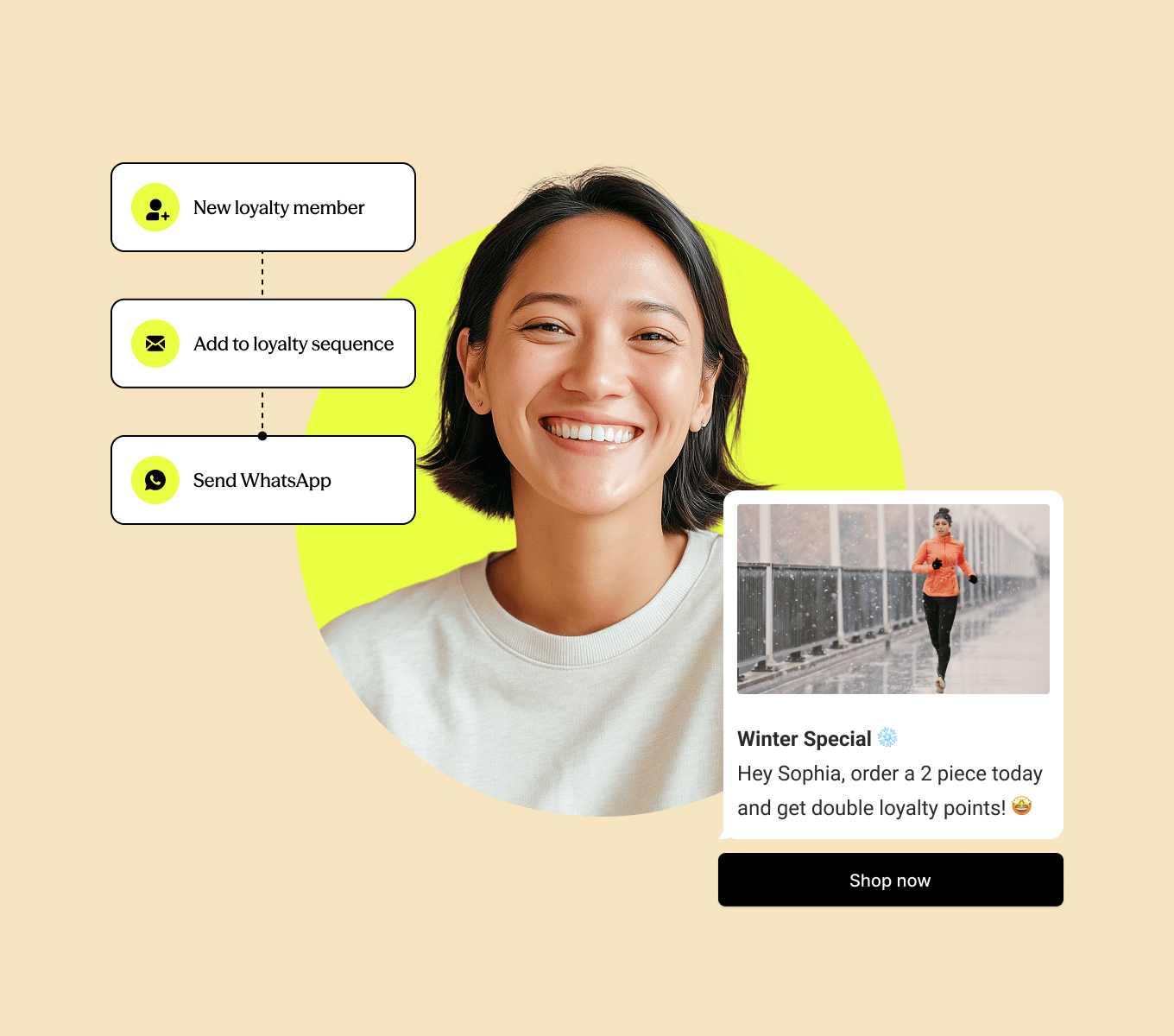
Social Snowball extends those journeys by activating referral and customer affiliate programs within the same workflows. Customers can join your program, receive their referral links, and begin sharing them all within the same experience.
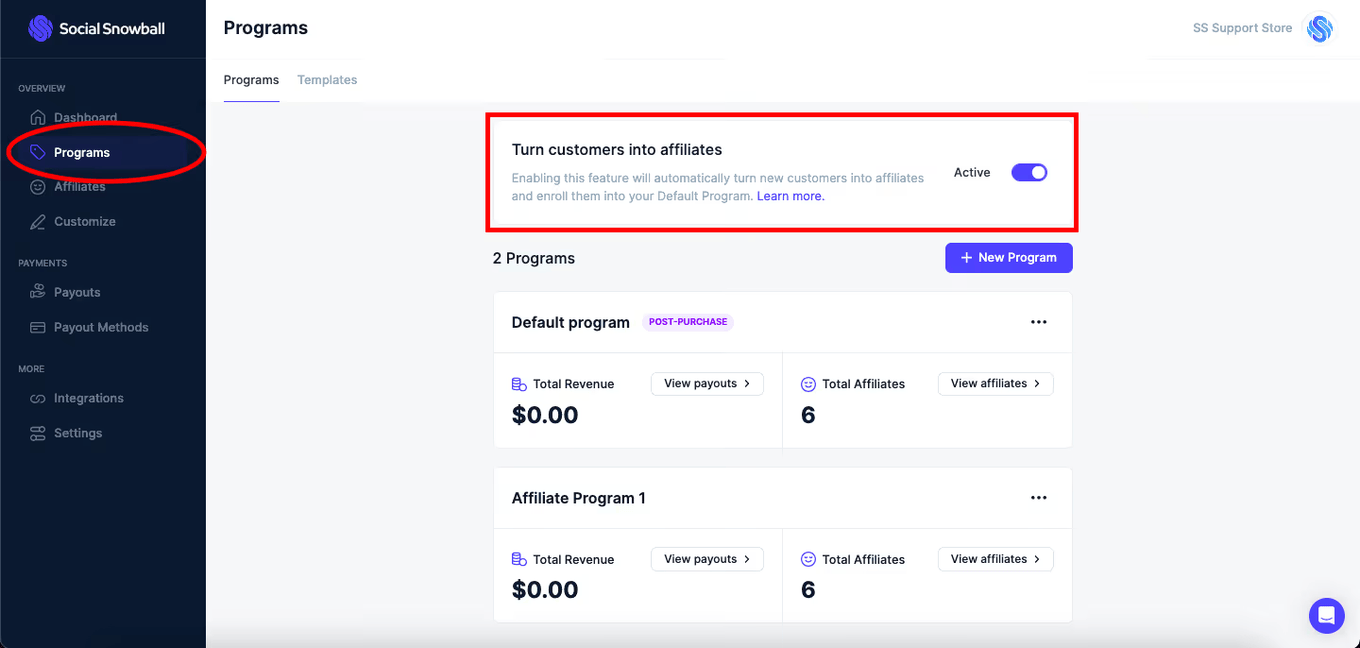
Your customers tell you when they’re ready to refer. Every purchase, review, renewal, and repeat order gives you another signal about their level of engagement.
Using those signals to trigger referral invitations ensures the invitation arrives at a moment that already reflects a positive experience.
As customers progress through their journey, referral invitations follow naturally because they’re tied to actions customers have already taken. That keeps your program active throughout the lifecycle instead of concentrating participation around a few promotional campaigns.
Timing creates the opportunity, but the message itself determines whether customers choose to act.
Instead of sending the same referral invitation to every customer, acknowledge the milestone they’ve just reached. Someone who has just left a five-star review, renewed their subscription, or placed a third order already has a clear reason to advocate for your brand. Reflecting that experience in your messaging creates a more natural transition into the referral request.
When customers feel recognized for their loyalty or positive experience first, the referral invitation becomes an extension of that relationship instead of another marketing campaign.
Referral revenue tells you how much your program generated. But it doesn’t explain why participation increased, where customers engaged, or which lifecycle touchpoints consistently produce referrals. Without that context, it’s difficult to improve referral performance because your optimizations are just guesswork.
Looking at referral activity across the customer journey gives you a clearer view of how customers become advocates. It shows where referral invitations gain traction, where engagement drops, and which lifecycle campaigns deserve more attention.
Besides referral conversion rates and referral revenue, track key performance indicators (KPIs) such as:
Those insights allow you to adjust your lifecycle campaigns, place referral invitations at higher-performing touchpoints, and increase participation without increasing campaign volume.
Bigger rewards or more promotional campaigns aren’t what make referral programs successful. The strongest programs are built into the customer journey, giving customers natural opportunities to advocate for your brand as their relationship with it grows.
By connecting referral invitations to meaningful lifecycle moments, brands can create a more consistent customer experience while generating a steady stream of high-quality referrals.
Together, Dotdigital and Social Snowball help brands build referral programs that drive customer advocacy, increase repeat purchases, and support long-term growth.
Ready to build a referral program that becomes part of your customer lifecycle? Book a demo with Social Snowball.




